

If you've ever spent serious money on a whole beef tenderloin and held your breath hoping it turns out right, my sous vide beef tenderloin recipe is your answer. With precise temperature control and edge-to-edge medium-rare perfection every single time, this is hands-down the best way to cook beef tenderloin for Christmas dinner, holidays, or any special occasion. No guesswork. No overcooking. Just a flawless, restaurant-quality result.
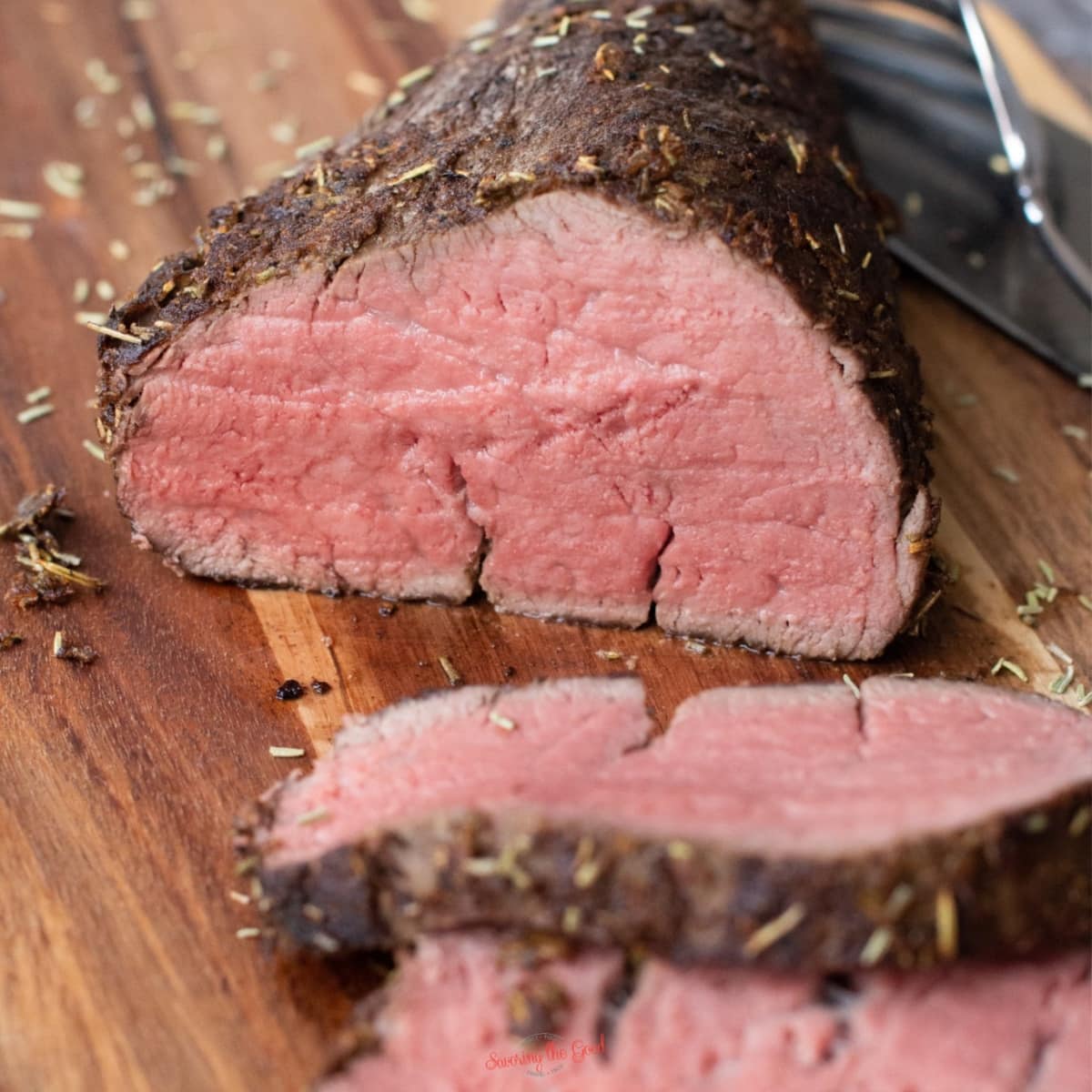
Edge-to-edge consistent doneness, with no chance of overcooking, will take the fear out of cooking this expensive cut of beef. If you don't have the need for a whole beef tenderloin recipe, the same technique is used when you make sous vide filet mignon.
This post was featured on Parade.com in their 'Best Sous Vide Recipes' article.

This beef tenderloin roast will be the highlight of your Christmas or special occasion meal. Take the stress out of your holiday meal by setting your sous vide to work for you. Rest easy knowing you will be serving this elegant entree without stress. Take your beef tenderloin to the next level this holiday season without leaving this expensive cut of meat to chance.
Pre-searing the beef gives it layers of flavor to enhance the beef as it cooks sous vide. Post cook searing gives the beef the lovely crust and added grilled flavors. Get ready to make your favorite steak meal, ever.
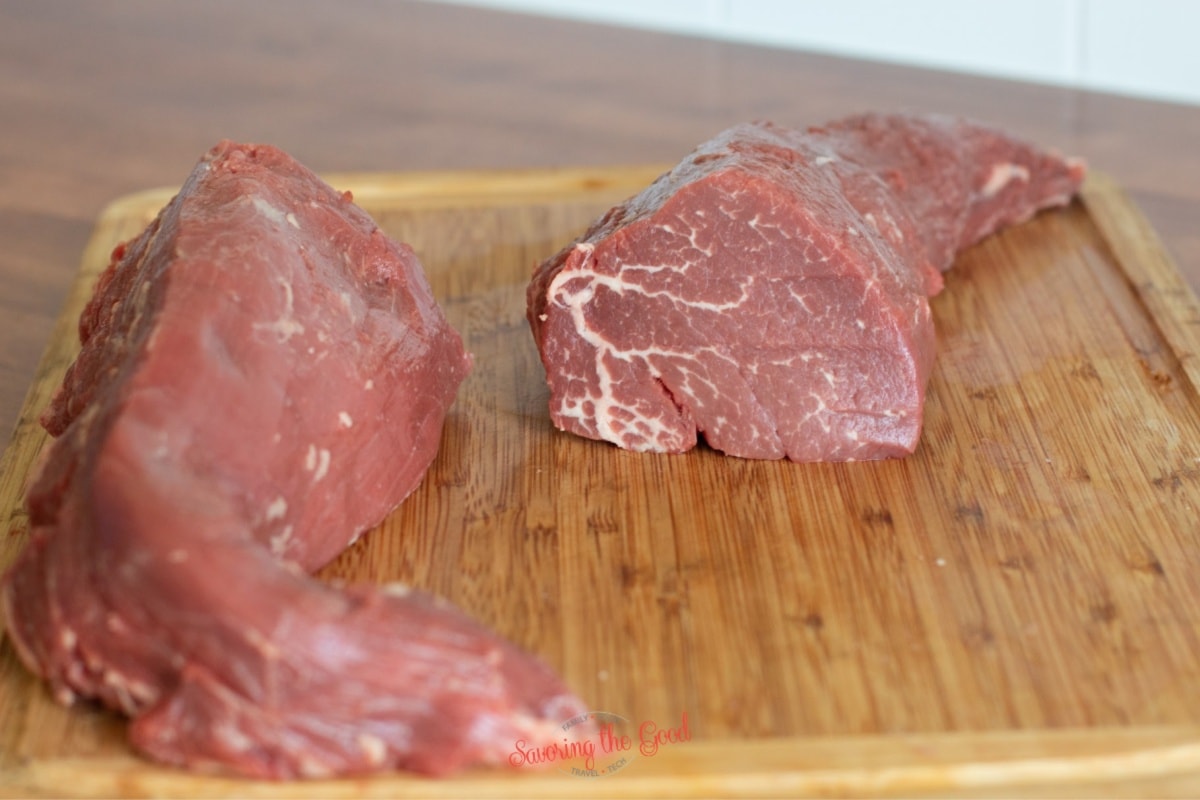
Sous Vide Beef Tenderloin Ingredients
Recipe Card?
To find the full printable recipe with specific measurements and directions CLICK HERE to go to the recipe card.
Ingredient Substitutions
Beef tenderloin is one of those cuts where the ingredients list is deliberately short - the quality of the beef and the precision of the method do the work.
- Whole beef tenderloin → center-cut tenderloin (chateaubriand): The center cut is the most uniform in thickness, which makes for a more even cook. If using a whole loin with the tapered end, fold and tie the thin end back on itself so the thickness is consistent throughout.
- Kosher salt → flake sea salt: A direct swap with similar results. Flake salt has a larger crystal - use the same volume but expect slightly less salinity. Flake salt on the exterior before the final sear adds a pleasant texture contrast.
- Fresh herbs → dried herbs: Use one-third the volume. Dried herbs work well in the bag but will not give you the same fresh aromatics.
- Mayonnaise coating (pre-sear) → high smoke-point oil: The mayonnaise creates a thin, even coating that promotes browning and adds a subtle richness. Any high smoke-point oil works - avocado oil, refined grapeseed, or refined coconut oil.
- Cast iron → stainless steel skillet: Cast iron holds heat better for a consistent sear. Stainless works but requires more attentive heat management.
What temperature should you set the sous vide for medium-rare beef tenderloin?
The cooking temperatures of the water bath should be the temperature you would like the doneness of the beef to be. The meat will not cook past the set sous vide temperature for beef, because the sous vide water bath is at a constant temperature.
Beef Tenderloin Internal Temperature Chart
| Doneness | Visual | Temperature |
|---|---|---|
| Rare | Cool Red Center | 120-128° F (49-53° C) |
| Medium Rare | Warm Pink Center | 129-134° F (54-57° C) |
| Medium | Slightly Pink Center | 135-144° F (57-62° C) |
| Medium Well | Hint of Pink | 145-155° F (63-68° C) |
| Well Done | No Pink | 156°+ F (69°+ C) |
⚠️ A note on food safety: Cooking beef sous vide at temperatures below 130°F (54°C) carries pasteurization risks if held for an extended time. For a whole beef tenderloin cooked for 3-5 hours, stay at or above 130°F for peace of mind - you'll still get a beautiful, rosy medium-rare result.
How to Cook Beef Tenderloin Sous Vide (Step-by-Step)
This recipe has three phases:
- the pre-sear
- the sous vide cook
- and the re-sear.
Each one serves a specific purpose. The pre-sear builds flavor, the sous vide delivers edge-to-edge doneness, and the re-sear brings back the crust. Read through all steps before you start.
Phase 1: Prep and Pre-Sear
Trim and prepare the tenderloin
Remove any silver skin or excess connective tissue. Silver skin does not break down during cooking and will cause the loin to curl and tighten.
Should I Truss?
If the tapered end is significantly thinner than the rest of the loin, you can fold it back and tie it with butcher's twine to create a more uniform thickness. Personally, when I sous vide my loin, I don't truss it.
Season generously
Season the tenderloin on all surfaces with kosher salt and freshly ground black pepper. Add any fresh herbs, thyme, rosemary, or a combination, pressing them lightly into the surface.

Pre-sear
- Heat a cast iron skillet over high heat until smoking.
- Add a thin layer of high smoke-point oil or coat the tenderloin
- Sear all sides of the loin, about 1 minute per side, until deeply browned. The beef should release naturally from the pan when ready to turn.

Bag the tenderloin
Place the loin in a vacuum-seal bag with any additional herbs or aromatics. Seal using a vacuum sealer or use the water displacement method if using a heavy-duty zip-top freezer bag.
Phase 2: The Sous Vide Cook
Set your water bath
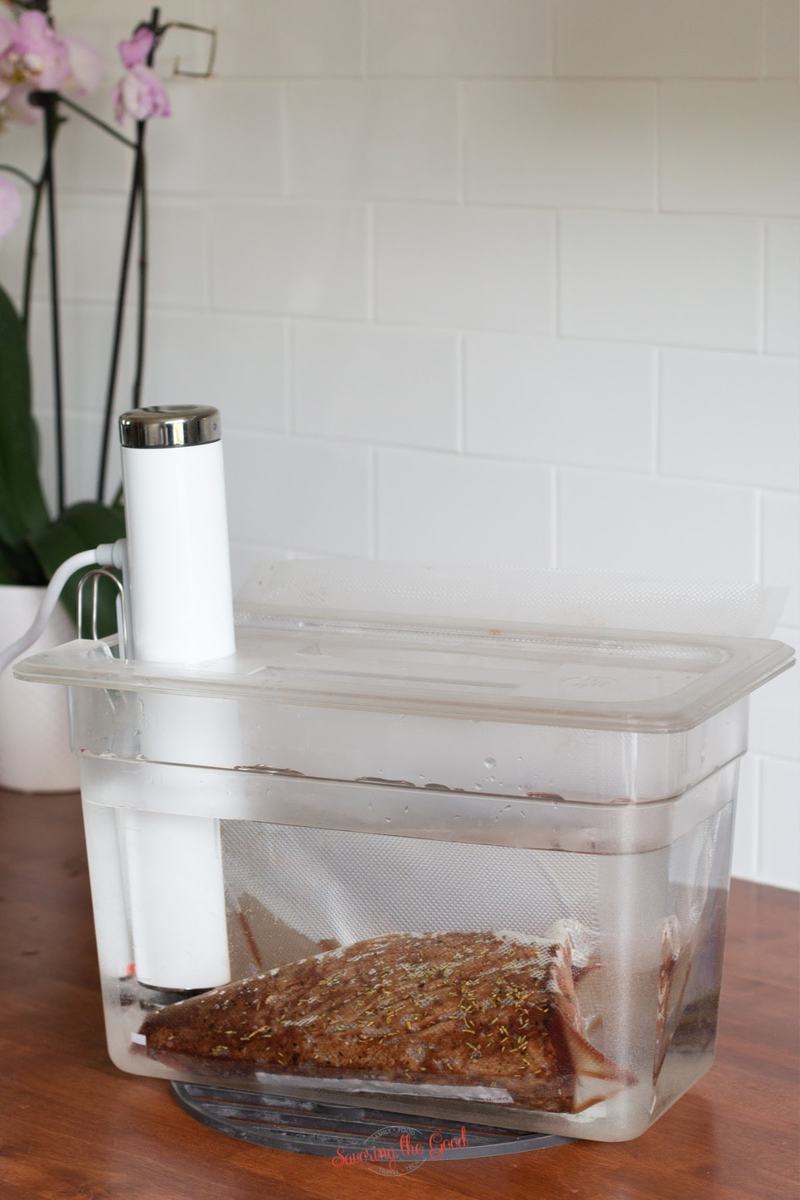
Preheat your sous vide immersion circulator to your desired temperature for doneness. (See Chart) Allow the water to come fully to temperature before adding the beef.
Cook by thickness
- Submerge the sealed bag and clip to the side of the container.
- Cook for 1 hour per inch of thickness at the thickest point of the loin, plus 1 additional hour of wiggle room. For a 4-inch loin at its thickest, plan on 4-5 hours. The wiggle room hour gives you flexibility to finish the rest of your meal without stress.
Important food safety note
If cooking at temperatures below 130°F, do not exceed 2.5 hours total cook time. At temperatures 130°F and above, extended times up to 4-5 hours are safe for this cut.
Phase 3: The Second-Sear

Ice bath OR rest
If serving immediately, remove the bag from the water bath and rest for 10 minutes before the re-sear. If making ahead, transfer to an ice bath immediately and chill completely before refrigerating.

Pat completely dry
Remove the loin from the bag and pat every surface completely dry with paper towels. Reserve the bag juices for a pan sauce. Any moisture on the surface will steam the meat instead of searing it - a dry surface is non-negotiable for a good crust.
Apply a coating of herbs and mayonnaise
- Heat the cast iron skillet back to smoking hot.
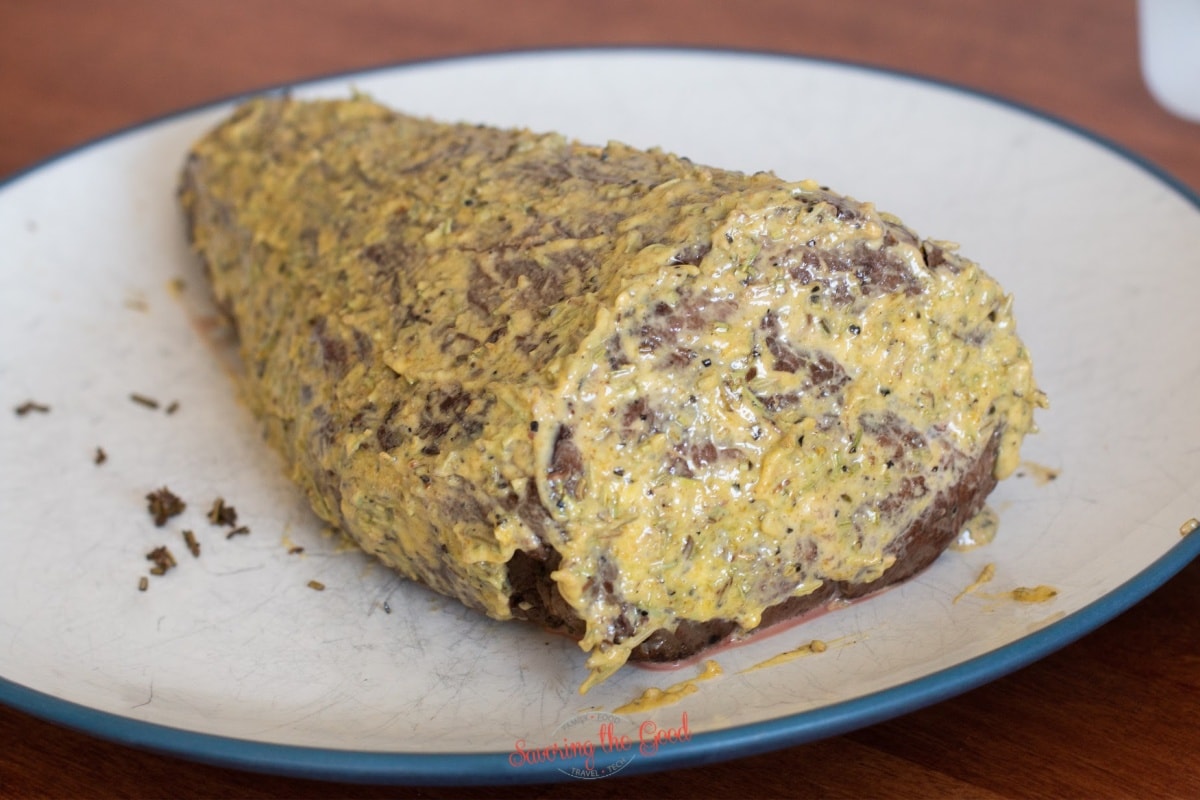
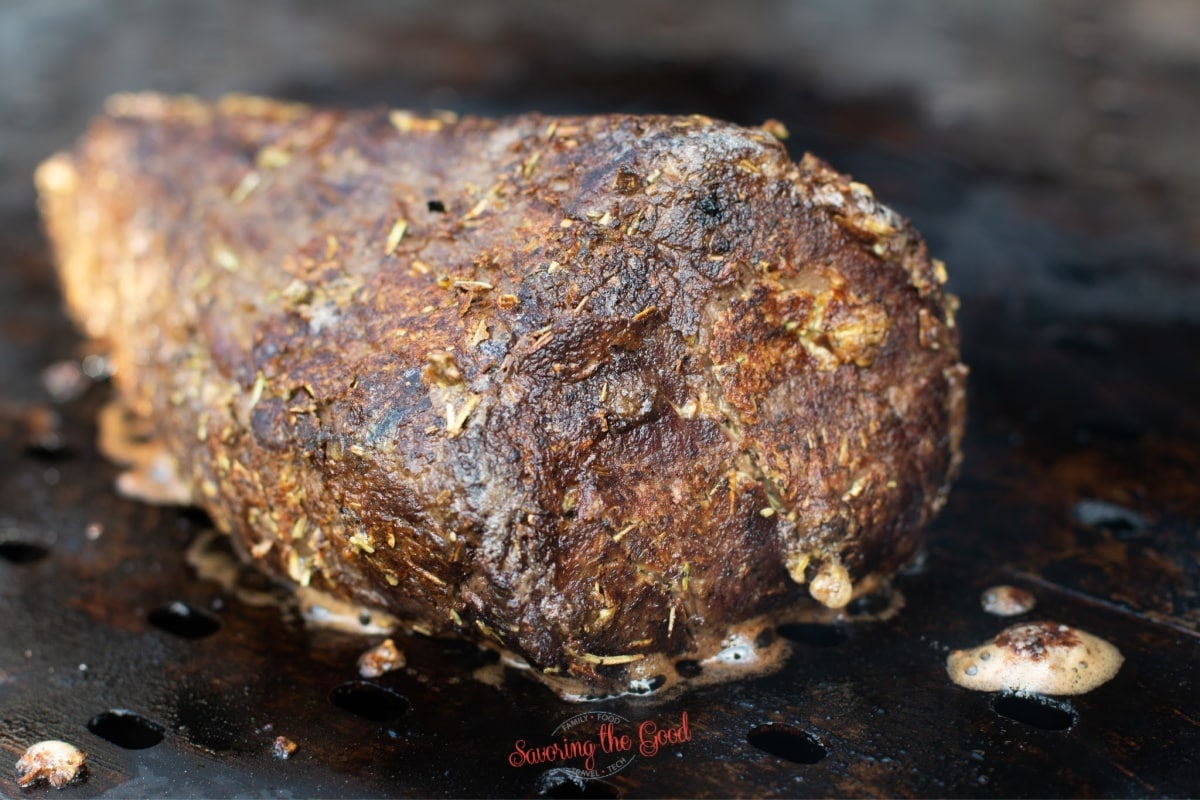
- Add a thin layer of mayonnaise and dried herbs to the loin.
Re-sear
- Sear all surfaces of the tenderloin, 1 minute per side, working quickly so you do not raise the internal temperature of the meat. The goal is color and crust only - the beef is already cooked to perfection inside.

Rest and slice
- Transfer the tenderloin to a cutting board and rest for 5-10 minutes. Slice against the grain into medallions. The interior should show perfectly consistent doneness from edge to edge with no grey band.
Why is the cooking time so variable with sous vide cooking?
Example: if your loin is 4 inches thick at the thickest point, plan on cooking your meat for 4-5 hours. If the loin is 3 inches thick at the thickest, plan for cooking 3-4 hours cook time.
That additional hour is there as a cushion for you, the chef, to be with your guests as well as get the rest of the dinner party ready without having to stress about worrying if the tenderloin roast is at the perfect temperature or not.
Remember with sous vide cooking method, the temperature is the doneness and the time is the tenderness, with tougher cuts of beef taking much longer to cook than more tender cuts, such as tenderloin or tenderloin steaks.
Let's go shopping!
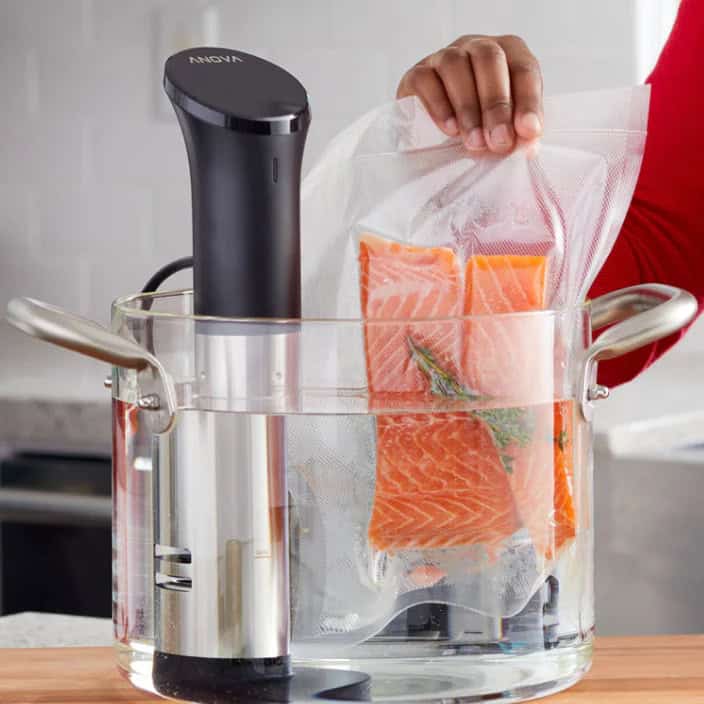
ANOVA
This third generation sous vide circulator includes dual-band WiFi and a two-line touchscreen display.
Why Use Mayonnaise to Sear Beef Tenderloin?

Mayonnaise is the emulsification of eggs and oil. The protein of the eggs and nonstick properties of the oil will give the meat caramelization along with easy release from a super hot cooking surface. (Think 500-700 degrees) The mayo quickly sears and caramelizes while adhering to the protein of the beef.
Mayonnaise is my preferred ingredient to use in the searing process instead of olive oil or melted butter because of the higher smoke point of the mayo. You will get less smoke when using mayo in a hot cast iron pan when searing.
I added garlic powder as well as dried rosemary and salt and pepper to my mayo coating to give the beef a delicious herbed crust.
How to Grill a Whole Beef Tenderloin (No Sous Vide Needed)
While sous vide beef tenderloin delivers unmatched precision and edge-to-edge doneness, not everyone has an immersion circulator. If you're working without one, grilling a whole beef tenderloin is the next best option - just plan to keep a close eye on your internal temperature with a probe thermometer.
- Remove any silver skin or excess connective tissue from the loin, if not already done by the butcher.
- If desired, truss the meat with butcher's twine.
- Preheat the grill to high heat.
- Apply a coating of herbs and mayonnaise to the loin.
- Sear the loin on the grill for 30 seconds to 1 minute per side. The meat should easily pull away from the grill when properly seared.
- Lower the heat of the grill to medium and insert an oven safe probe thermometer into the center of the loin.
- Grill the tenderloin until your desired internal temperature is reached.
- Remove from the grill to a carving board, allow to rest for 15 minutes for the meat to rest and the juices to redistribute back into the meat.
- Slice into 1 inch slices and serve with a pat of delicious herb butter.
Make-Ahead Instructions
Beef tenderloin is one of the best dinner party recipes precisely because the sous vide method lets you do almost all the work ahead of time. The day-of finish takes less than 10 minutes.
- Up to 3 days ahead: Complete the pre-sear and the full sous vide cook. Do not open the bag. Transfer the sealed bag to an ice bath and chill for at least 45 minutes until completely cold. Refrigerate in the sealed bag for up to 3 days.
- Day of: Remove the tenderloin from the bag 30 minutes before serving to take the chill off. Reserve the bag juices for a pan sauce. Pat the exterior completely dry - this is critical for a good re-sear. Sear in a smoking hot cast iron or heavy skillet, 1 minute per side, to bring back the crust. Rest 5-10 minutes before slicing.
- Freezer: Fully cooked sous vide tenderloin can be frozen in the sealed bag for up to 3 months. Thaw overnight in the refrigerator. Finish with a re-sear as directed above.
Storage Instructions
Cooked beef tenderloin stores well for a few days and reheats beautifully using the sous vide method itself - no other reheating method comes close.
- Refrigerator: Slice or whole, in an airtight container for up to 3 days.
- Freezer: Vacuum-sealed in the original bag or a freezer-safe bag for up to 3 months. Thaw overnight in the refrigerator.
- Reheating: The best method is a quick sous vide reheat - set the water bath to 10°F below your original cook temperature and warm the sealed bag for 20-30 minutes. Finish with a 1-minute sear to restore the crust. Avoid the microwave entirely - it will overcook the edges and destroy the even doneness you worked to achieve.
- Sliced leftovers: Gently warm in a skillet over medium-low heat with a splash of the reserved bag juices. 30 seconds per side is enough - the goal is warm, not re-cooked.
Sous Vide Beef Tenderloin FAQs
Beef tenderloin is located in the middle of the back of the steer, tucked between the sirloin and the ribs of the animal. Filet mignon is a favorite cut of beef and it is cut from the tenderloin. This is the most tender area of beef, due to the lack of movement and exercise this muscle gets.
Tenderloin will have a mild flavor, minimal marbling and can be cut into smaller portions to make a Chateaubriand or cut into individual filet steaks. Leave it whole for an impressive presentation to family and friends.
I like to plan on 6 ounces, or just under ½ pound per person when calculating how much meat to buy for dinner. This is for when the loin is the star and main attraction of the meal and I am serving a single starch and a single vegetable side dish.
If I am serving multiple side dishes along with salad and bread, I will calculate for 4 ounces per person.
When I buy a whole beef tenderloin I am going to get multiple meals for special occasions out of it for my family of 5.
The amount of time it takes to cook your tenderloin using the sous vide method depends on the thickness of the thickest part of the loin. Typically a loin will be about 4 inches thick at the thickness part. I like to allow for an hour of cooking per inch, with an hour 'wiggle room'.
Traditionally, beef tenderloin is seared in a high heat pan to give it a crust and to set the meat followed by a lower temperature cook. By pre-searing the beef in a cast iron pan before placing it in the sous vide bag, you are not only setting the beef but caramelizing the meat to bring out its natural flavors giving the tenderloin flavors to self baste in as it cooks.
Searing it a second time on the grill or back in the cast iron pan will give the beef tenderloin an amazing crust and a full mouth texture experience.
Sous vide (pronounced "soo-VEED") is a water bath cooking method where food is sealed in a vacuum bag and cooked at a precise, consistent temperature. Because the water bath never exceeds your set temperature, your sous vide beef tenderloin can never overcook - making it the most foolproof way to cook an expensive cut of beef perfectly every time.


Ingredients
- 1 (1) beef tenderloin trimmed
- ¼ Cup (56 g) Mayonnaise
- 2 Teaspoons (2 Teaspoons) Rosemary
- ½ Teaspoon (½ Teaspoon) Garlic Powder
- salt and pepper
Instructions
- Remove any silver skin or excess connective tissue from the loin, if not already done by the butcher.
- If desired, truss the meat with butchers twine. When I sous vide my loin, I don't truss it.
- Salt and pepper the outside of the loin and sear on all sides in a hot skillet over medium-high heat, about 1 minute per side. This will set the meat, helping to lock in juices as well as giving the beef extra flavor as it cooks.1 beef tenderloin, salt and pepper
- Allow the meat to cool for a few minutes before placing it in a vac and seal bag or gallon-sized freezer-safe bag, sprinkling with rosemary.
- Using the water displacement method, slowly lower the bag into the preheated water bath and secure the edge of the bag to the side of your cooking vessel.
- Cook for 1 hour per inch of thickness of meat, at the thickest point. Example: 3 inch at the thickest = 3 hours cooking.
- Preheat the grill to high heat.
- Remove from the water bath, drain the juices in the bag in a separate bowl and save them to add to a sauce, if making one.
- Pat the meat dry with paper towels and apply a coating of herbs and mayonnaise.¼ Cup (56 g) Mayonnaise, 2 Teaspoons Rosemary, ½ Teaspoon (½ Teaspoon) Garlic Powder
- Sear the loin on the grill for 30 seconds to 1 minute per side. The meat should easily pull away from the grill when properly seared.
- Remove from the grill and slice into 1 inch slices. No need to allow the meat to rest with the sous vide method of cooking.
Nutrition
Notes
| Doneness | Visual | Temperature |
|---|---|---|
| Rare | Cool Red Center | 120–128° F (49–53° C) |
| Medium Rare | Warm Pink Center | 129–134° F (54–57° C) |
| Medium | Slightly Pink Center | 135–144° F (57–62° C) |
| Medium Well | Hint of Pink | 145–155° F (63–68° C) |
| Well Done | No Pink | 156°+ F (69°+ C) |

I am Sarah Mock. Welcome!
Sarah Mock is a classically trained Chef and a graduate of Johnson & Wales University. A culinary blogger for 18 years, Sarah helps the home cook prepare her recipes with professional results.



Ninja Ruth says
I typically sous vide beef at 128 degrees, allowing a little wiggle room for getting a nice crusty sear after the sous vide process is done, keeping a rare inside.
Eddie says
can you sear and bag in advance, then refrigerate and sous vide and finish a day later?
Sarah Mock says
YES YOU CAN!! for sure!! You can sear, cool, bag and refrigerate up to 5 days ahead. Love the versatility of sous vide cooking!!
David says
Your sponsors should stay out of the kitchen! Jim is correct about the temperatures. 131 F is a perfect medium rare steak. Tried and tested many times. Never fails.
Sarah Mock says
Thank you David! I will pass your contribution along to the Pennsylvania Beef Council.
Jim says
145 For medium rare? Your at medium well there. And 160 for medium? That's definitely deep into well done territory.
Sarah Mock says
Jim, These are the suggested temperatures and descriptions are set out by the sponsor, the Pennsylvania Beef Board.