



Blackening seasoning is a bold, high-heat spice blend that creates a flavorful crust on chicken, fish, and vegetables. I use this homemade blackening seasoning when I want restaurant-style results without relying on store-bought mixes. It solves a common problem: getting deep flavor without burning your spices.
Ready in 5 minutes. Pantry-friendly. Built for real cooking.
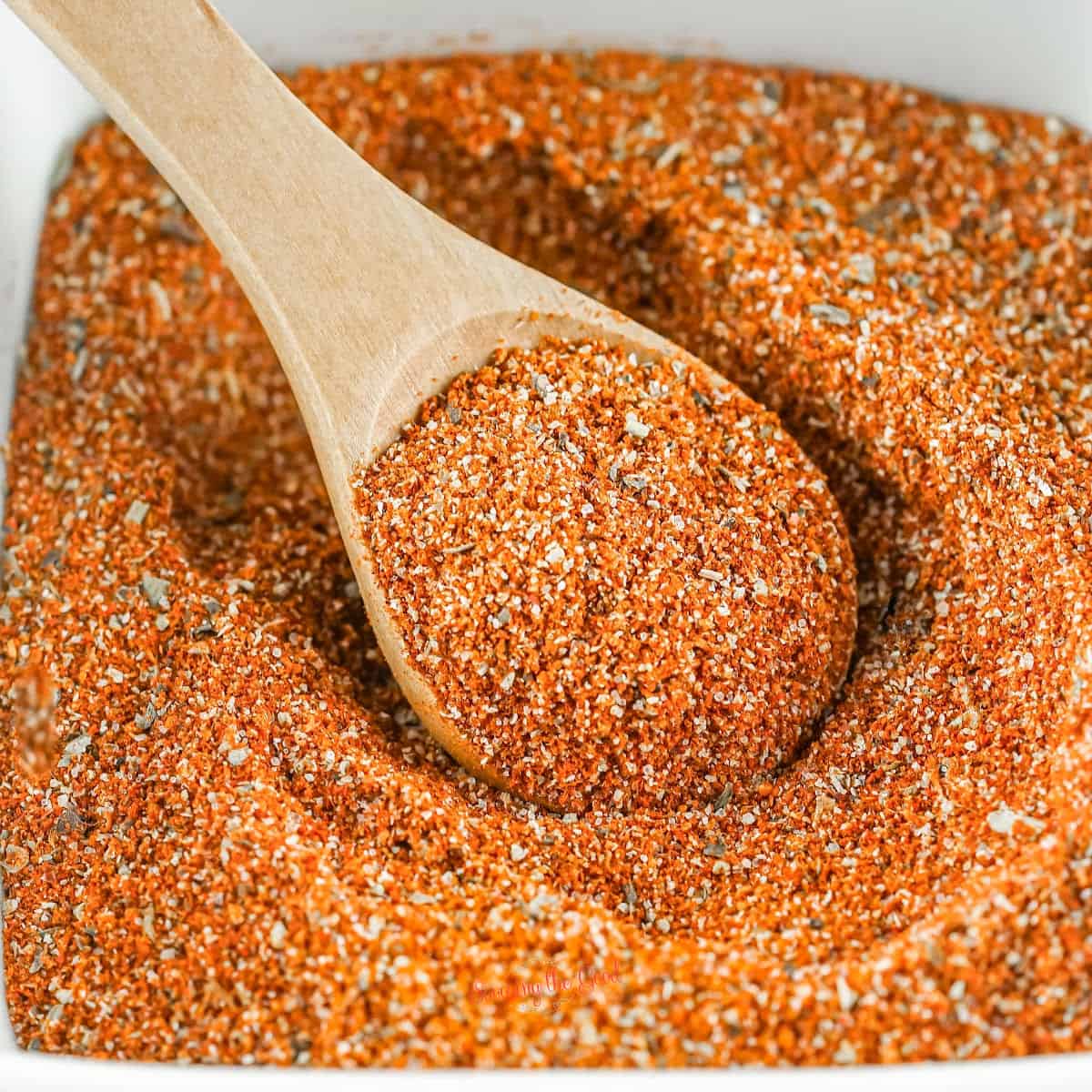
Blackening seasoning is a spice blend designed for high-heat cooking that forms a dark, flavorful crust when seared.
Why this blackening seasoning works:
- My homemade blackening seasoning is designed specifically for high-heat cooking so it toasts, not burns.
- The spice ratios are balanced to create a bold crust without turning bitter in a hot pan.
- No fillers, no anti-caking agents, just fragrant spices that do their job.
- You control the salt and heat level.
What makes blackening seasoning actually work (expert breakdown)
Most recipes treat blackening seasoning like a generic spice mix. It's not.
This blend is engineered for extreme heat contact. Paprika provides the base and color, cayenne delivers heat, while garlic, onion, and black pepper create depth that holds up under searing.
Here's what I've learned from testing:
- Too much paprika = burns before it blackens.
- Too much cayenne = harsh heat instead of balanced flavor.
- Not enough salt = flat, dull crust.
This version is balanced so the spices toast and bloom in fat, instead of scorching on contact. Most blackening seasoning recipes aren't tested for high heat this one is built specifically so the spices toast instead of burn.
Recipe Card?
To find the full printable recipe with specific measurements and directions CLICK HERE to go to the recipe card.
Ingredient Notes (why each spice matters)
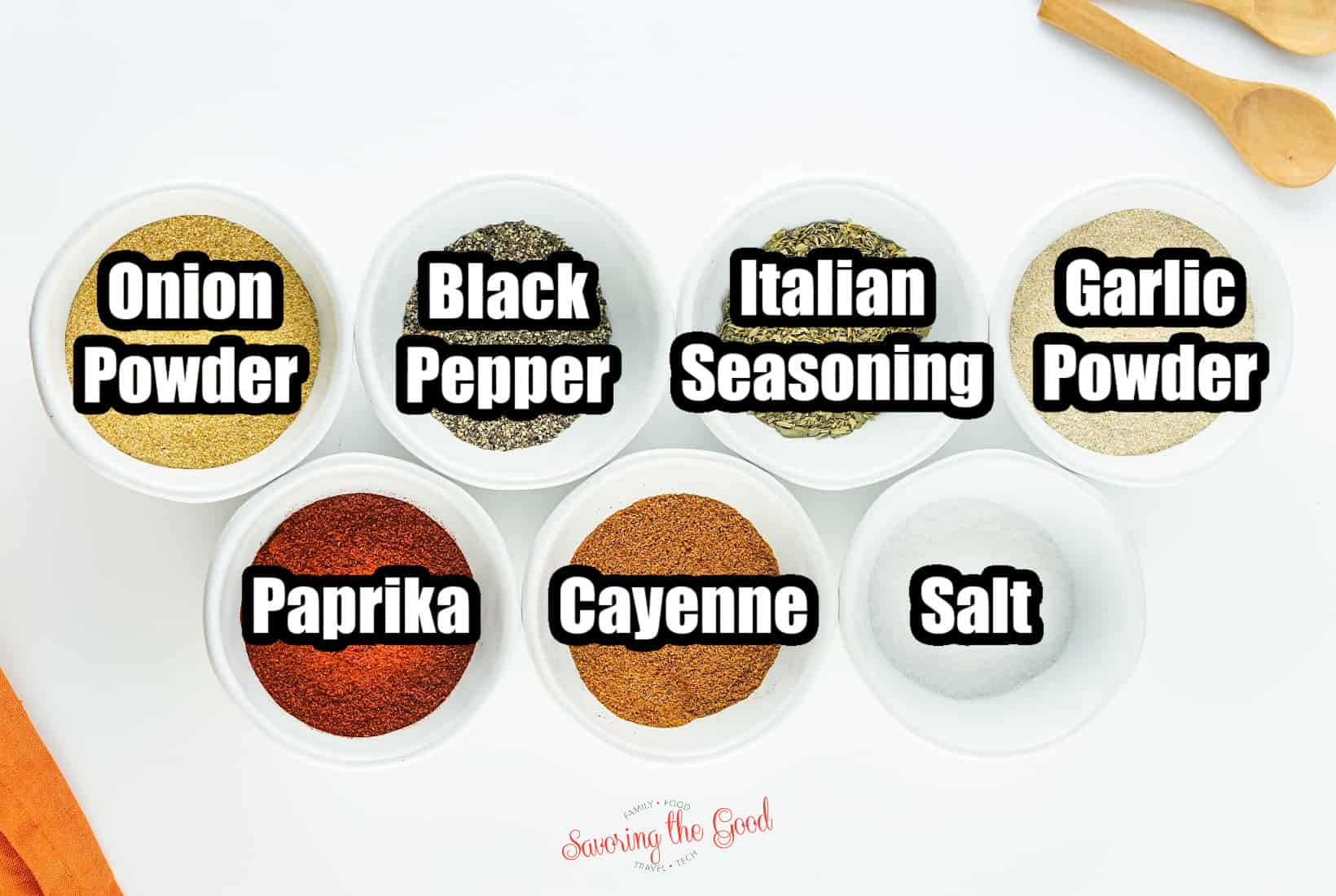
- Paprika - This is the base of blackening seasoning. It provides color and mild sweetness, but too much can burn quickly at high heat.
- Cayenne pepper - Adds heat. The amount matters-too much creates harsh spice instead of balanced warmth.
- Garlic powder - Builds savory depth that holds up during searing. Fresh garlic would burn here, so powder works better.
- Onion powder - Adds a subtle sweetness and rounds out the flavor.
- Black pepper - Gives sharp, immediate heat and enhances the crust.
- Salt - This isn't optional. It pulls all the flavors together and helps the seasoning stick to the food. And we have so many types of salt to choose from!
- Dried herbs (Italian seasoning) - Adds a background note that keeps the blend from tasting flat after high heat cooking.
How to make homemade blackening seasoning
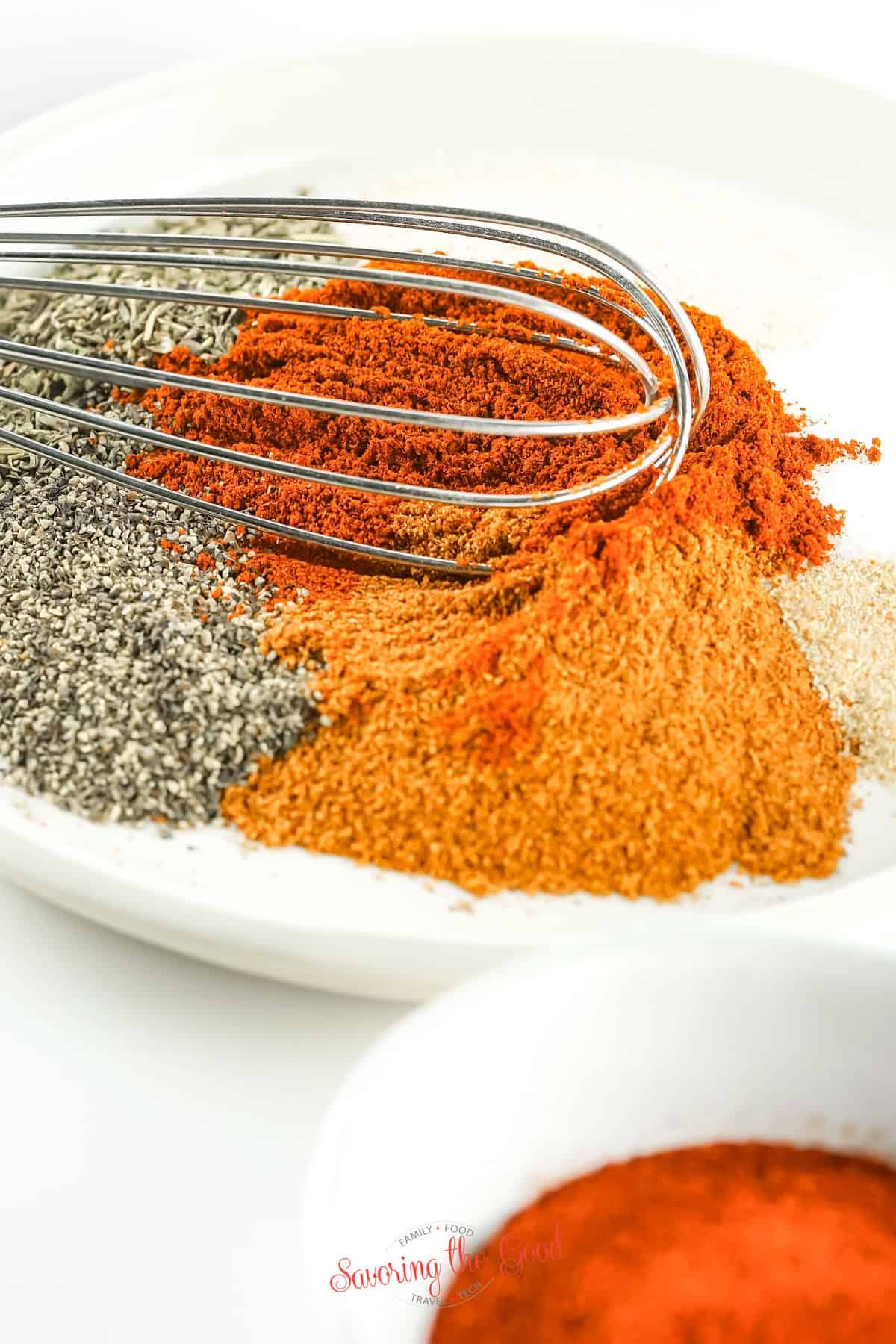
- Combine all ingredients in a small bowl.
- Whisk until evenly blended and there are no clumps.

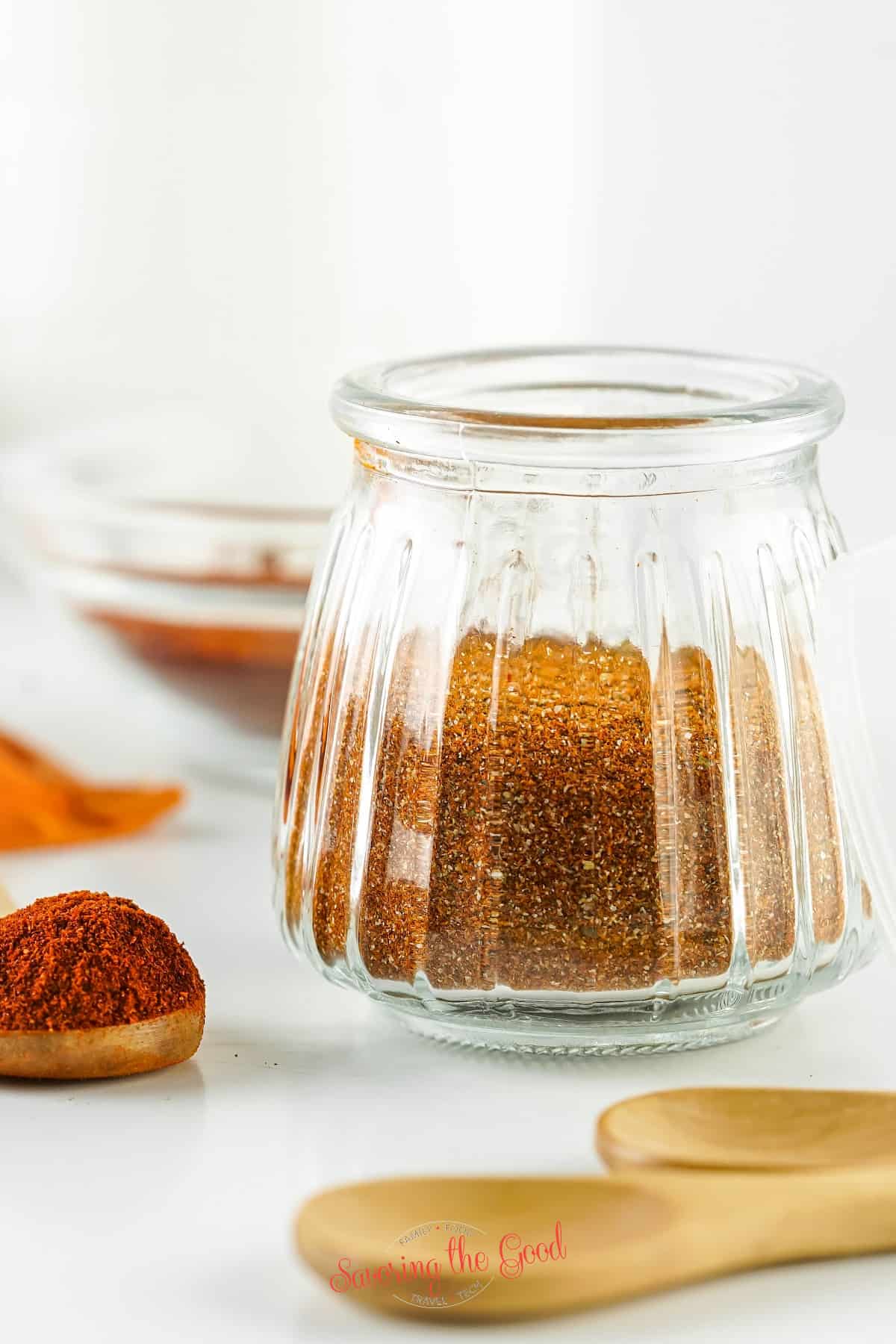
- Store your blackening seasoning in an airtight container for up to 6 months.

Pro Tip
If your blend looks uneven, it will cook unevenly. Mix thoroughly-this matters more than you think.
Did you make this recipe?
Do you have feedback that would be helpful to others? If so can help this small business owner by leaving a rating and a review in the comments section? Thank you for being part of the Savoring The Good Community. ~ Sarah
What is blackening seasoning used for?
Blackening seasoning is used to coat proteins or vegetables before cooking at high heat. It creates a dark, flavorful crust while keeping the inside tender.
Use blackening seasoning on:
- Chicken breasts or thighs
- Fish like tilapia, salmon, or catfish
- Shrimp
- Steak
- Roasted or grilled vegetables
What is the blackening technique?
Blackening is a high-heat cooking method where food coated in blackening seasoning is seared in a very hot cast iron skillet.
The goal isn't "burnt"-it's controlled charring:
- The outside develops a dark crust
- The inside stays moist and tender
This technique comes from Louisiana-style cooking and relies on heat + fat + seasoning balance to work correctly.
How much blackening seasoning to use:
- Chicken or fish: 1-2 tablespoons per pound
- Shrimp: 1 tablespoon per pound
- Vegetables: 1-2 teaspoons per sheet pan
You want a full, even coating but not so much that it piles on and burns.

Sarah's Culinary Insight
- If your pan isn't hot enough, the seasoning won't blacken it will just taste flat and dusty.
- Every time I've used too much seasoning, it forms a thick layer that burns instead of creating a crust. A thin, even coating works better.
- Butter gives the best flavor, but oil handles higher heat without scorching. I use both depending on what I'm cooking.
- This seasoning will smoke when it hits a hot pan, that's normal. Open a window or turn on your vent hood.
Ways to use blackening seasoning in everyday cooking
Spice up your meals with a touch of blackening seasoning! From crispy blackened chicken to delicious seafood and veggies, there's no shortage of ways to enjoy this flavorful technique.
- Blackened chicken: Coat chicken breasts in blackening seasoning, then cook them in a cast iron pan until they are charred on the outside and cooked through on the inside.
- Blackened shrimp: Toss raw shrimp in blackening seasoning, then grill or sauté them until they're pink and slightly crispy.
- Blackened fish tacos: Rub blackening seasoning onto white fish fillets, such as tilapia, then sear them in a hot pan until they're crispy. Serve the fish on tortillas with salsa, guacamole, and shredded cabbage.
- Blackened vegetables: Toss sliced vegetables (like bell peppers, onions, and zucchini) with blackening seasoning and olive oil, then roast them in the oven until they're tender and slightly charred.
- Blackened tofu: Cut firm tofu into thick slices or cubes, then toss them with blackening seasoning before frying or baking them until crispy on the outside. Serve as a vegetarian protein source with rice or veggies.
- Blackened salmon: Rub a mixture of blackening seasoning and olive oil onto salmon fillets, then cook them in a skillet or on a grill until the outside is crispy and the inside is cooked to your liking. You can also serve the salmon over a bed of rice or quinoa with some roasted vegetables.
Frequently asked questions, answers and tips:
Cajun seasoning and blackening seasoning are similar in that they both originate from Louisiana and contain some of the same spices, such as paprika, cayenne pepper, garlic powder, and onion powder. However, they are not exactly the same thing.
Cajun seasoning tends to have a milder flavor profile compared to blackening seasoning and is used more as an all-purpose seasoning for various recipes such as gumbo or jambalaya.
Blackening seasoning, on the other hand, is specifically used for blackening meat or fish by coating it with the seasoning mixture before cooking at high heat. This results in a charred exterior while keeping the inside moist and flavorful.
While there are similarities between Cajun seasoning and blackening seasoning, they are not interchangeable due to their differences in flavor profiles and intended uses.
Blackened seasoning can be keto-friendly depending on the specific ingredients used in the blend. Traditional blackened seasoning typically includes spices like paprika, garlic powder, onion powder, cayenne pepper, and black pepper, which are all keto-friendly.
However, some brands of blackened seasoning may include added sugars or other non-keto ingredients, so it's important to check the label before purchasing. As always, it's best to read the ingredient list carefully and in case of doubt consult with a nutritionist or dietitian.
If you want to use this spice mix as it is written, I have done my best to make it keto friendly.
Blackening seasoning is typically made from paprika, cayenne pepper, garlic powder, onion powder, black pepper, salt, and dried herbs. The exact ratios matter. This blend is designed to hold up to high heat without burning.
Chef Tip
- Be careful not to overcrowd the pan - if there isn't enough room between each piece of protein then they won't cook evenly.
- If you're cooking something thicker like chicken breasts then you may want to finish cooking them in the oven after searing them on both sides.
- Open windows and turn on fans as this technique can produce smoke depending on the seasoning used.


Ingredients
- 3 Tablespoon (3 Tablespoon) Paprika
- 1 Tablespoon (1 Tablespoon) cayenne pepper
- 1 Teaspoon (1 Teaspoon) Onion Powder
- 1 Teaspoon (1 Teaspoon) Garlic Powder
- 1 Teaspoon (1 Teaspoon) Italian Seasoning
- 1 Teaspoon (1 Teaspoon) Salt
- 1 Teaspoon (1 Teaspoon) Black Pepper
Instructions
- Combine all ingredients in a small dish and whisk or stir until fully mixed.3 Tablespoon Paprika, 1 Tablespoon cayenne pepper, 1 Teaspoon Onion Powder, 1 Teaspoon Garlic Powder, 1 Teaspoon Italian Seasoning, 1 Teaspoon Salt, 1 Teaspoon Black Pepper
- Use immediately or store in an airtight jar or container in a dry pantry for up to 6 months.
Nutrition

I am Sarah Mock. Welcome!
Sarah Mock is a classically trained Chef and a graduate of Johnson & Wales University. A culinary blogger for 17 years, Sarah helps the home cook prepare her recipes with professional results.


Comments
No Comments