

Orange fruits include apricots, mangoes, persimmons, and more, any fruit with orange skin or flesh.
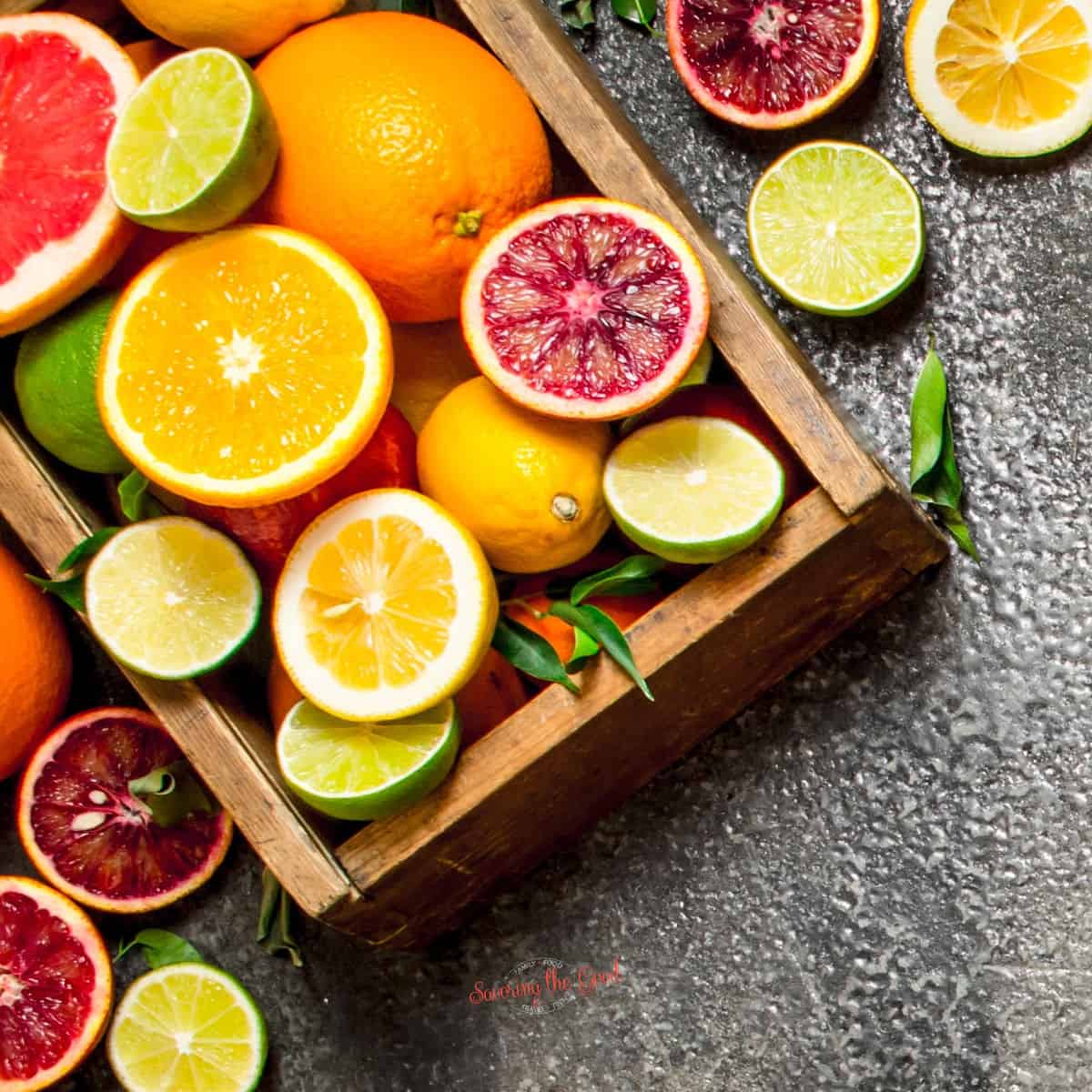
What are fruits that are orange?
With their captivating colors, enticing aromas, and mouthwatering flavors, these fruits are sure to tantalize your taste buds and add a burst of sunshine to your culinary adventures. Join us on a fruitful journey as we explore the diverse and irresistible range of orange fruits that await your enjoyment.
Apricot

Apricots are small fruits with smooth, velvety skin. They have a sweet and slightly tangy flavor, similar to a peach, and a soft flesh that is orange in color.
Blood orange

Blood oranges are unique with their deep red or crimson flesh. They have a sweet and slightly tart flavor, reminiscent of regular oranges but with berry-like undertones. I will use this variety of orange to make my orange marmalade.
Buddha's hand (citrus fruit)

Buddha's hand is a peculiar-looking fruit that resembles a cluster of elongated fingers. It has a vibrant orange color and a strong citrusy aroma. It is known for its fragrant zest and is often used for its aromatic properties rather than its flesh.
Cantaloupe (also known as muskmelon)
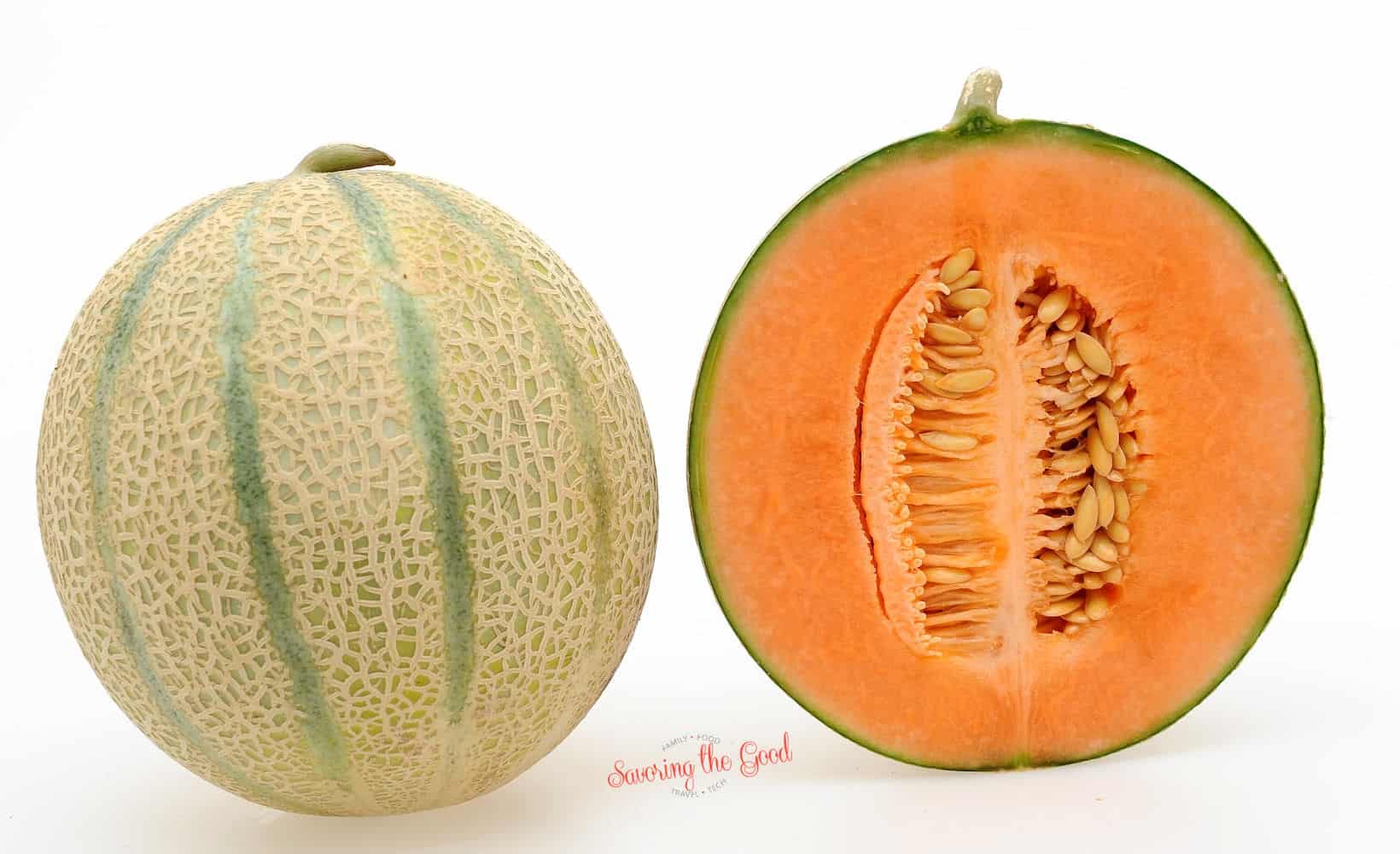
Cantaloupes are large melons with a rough, netted skin. When ripe, their flesh is sweet, juicy, and pale orange in color. They have a refreshing flavor and are commonly enjoyed fresh or in fruit salads.
Curious what else is out there by color? My guide to blue fruit covers 32 varieties.
Clementine
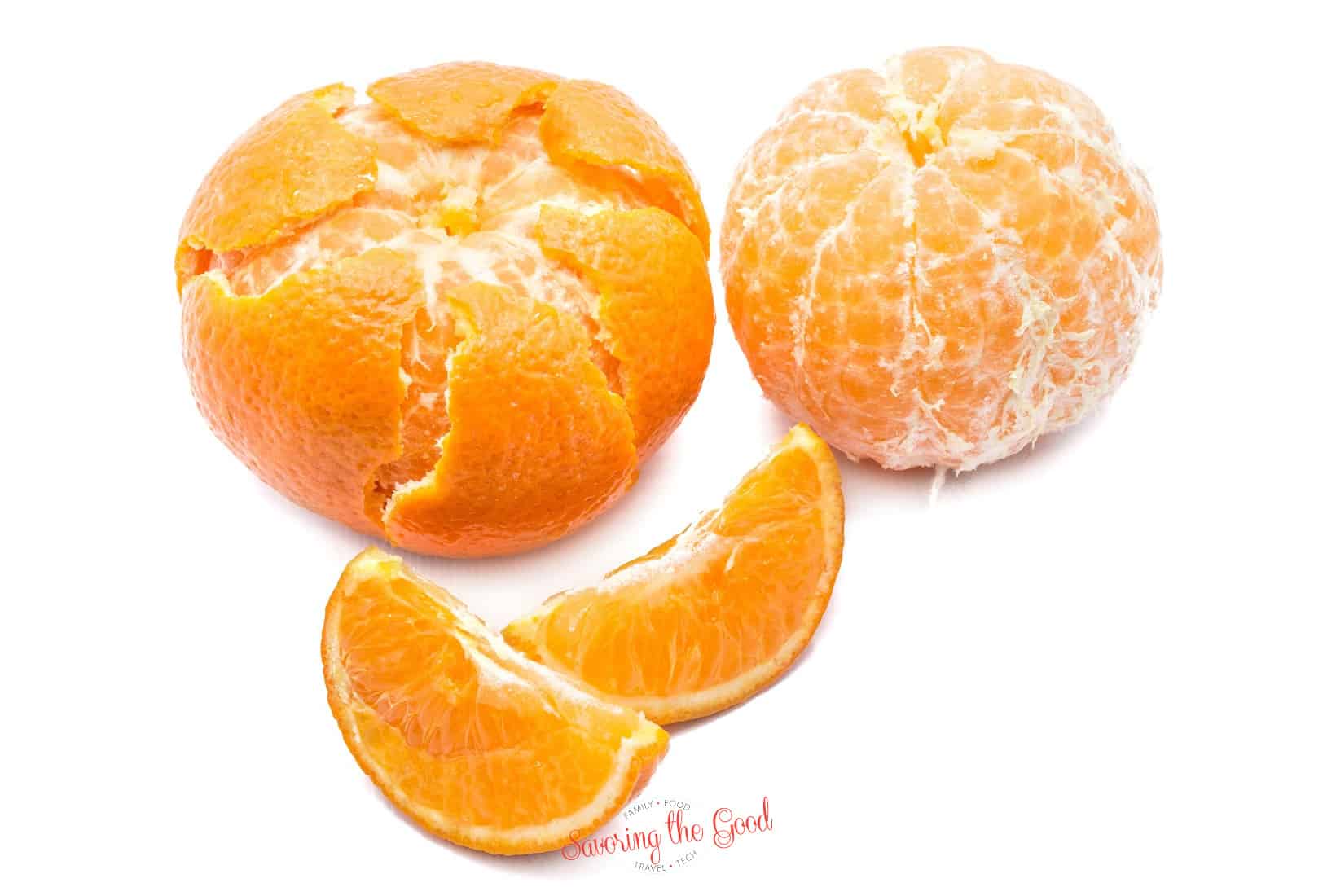
Clementines are small, seedless citrus that are easy to peel. They have a vibrant orange color, a juicy texture, and a sweet, tangy flavor. Clementines are often enjoyed as a snack or added to salads and desserts.
Feijoa (pineapple guava)
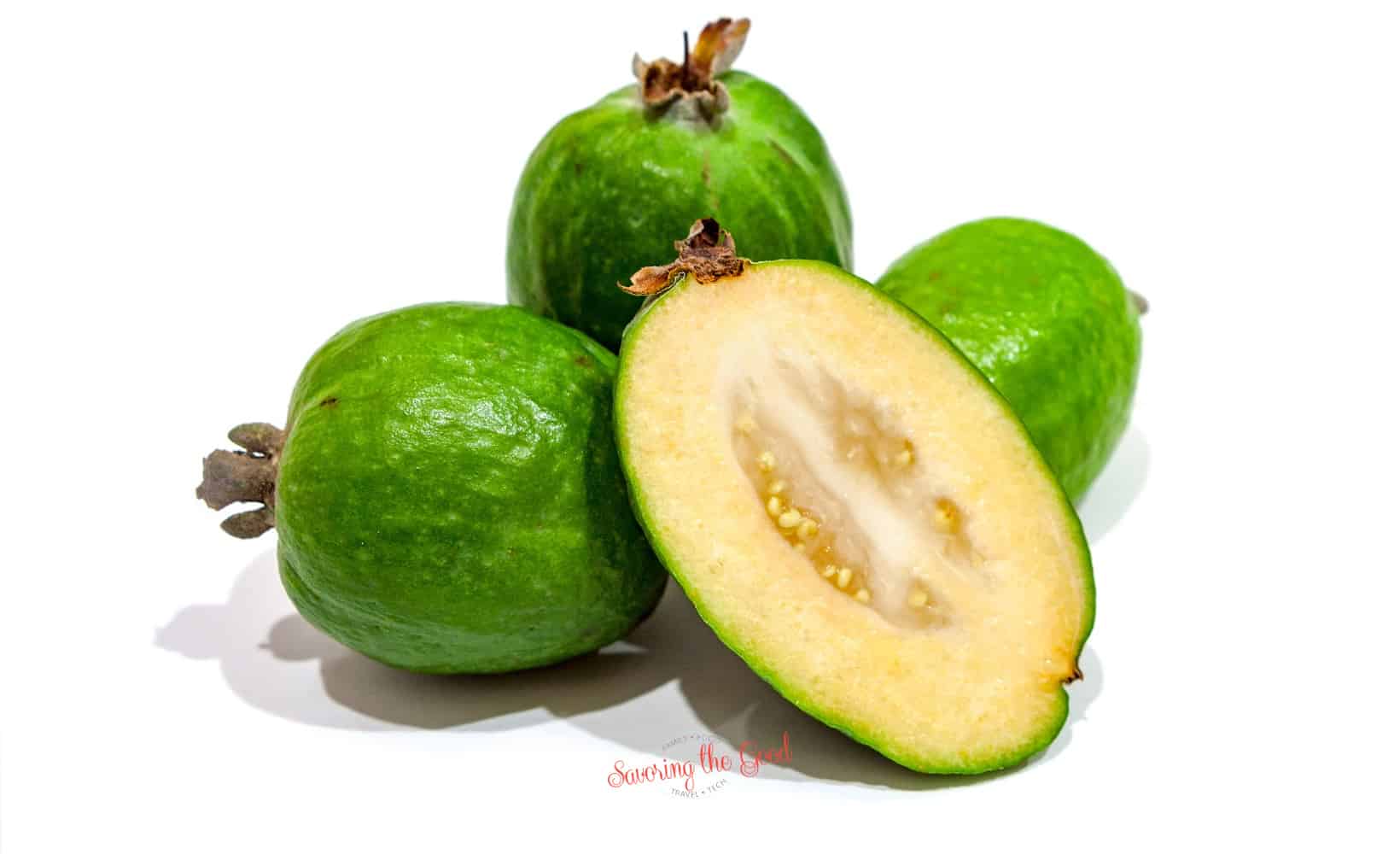
Feijoa is a fruit with a green, slightly grainy skin and a orange flesh. It has a unique flavor profile, combining tropical notes with hints of guava, pineapple, and mint. Feijoa is often eaten fresh or used in desserts, jams, and beverages.
Golden kiwi
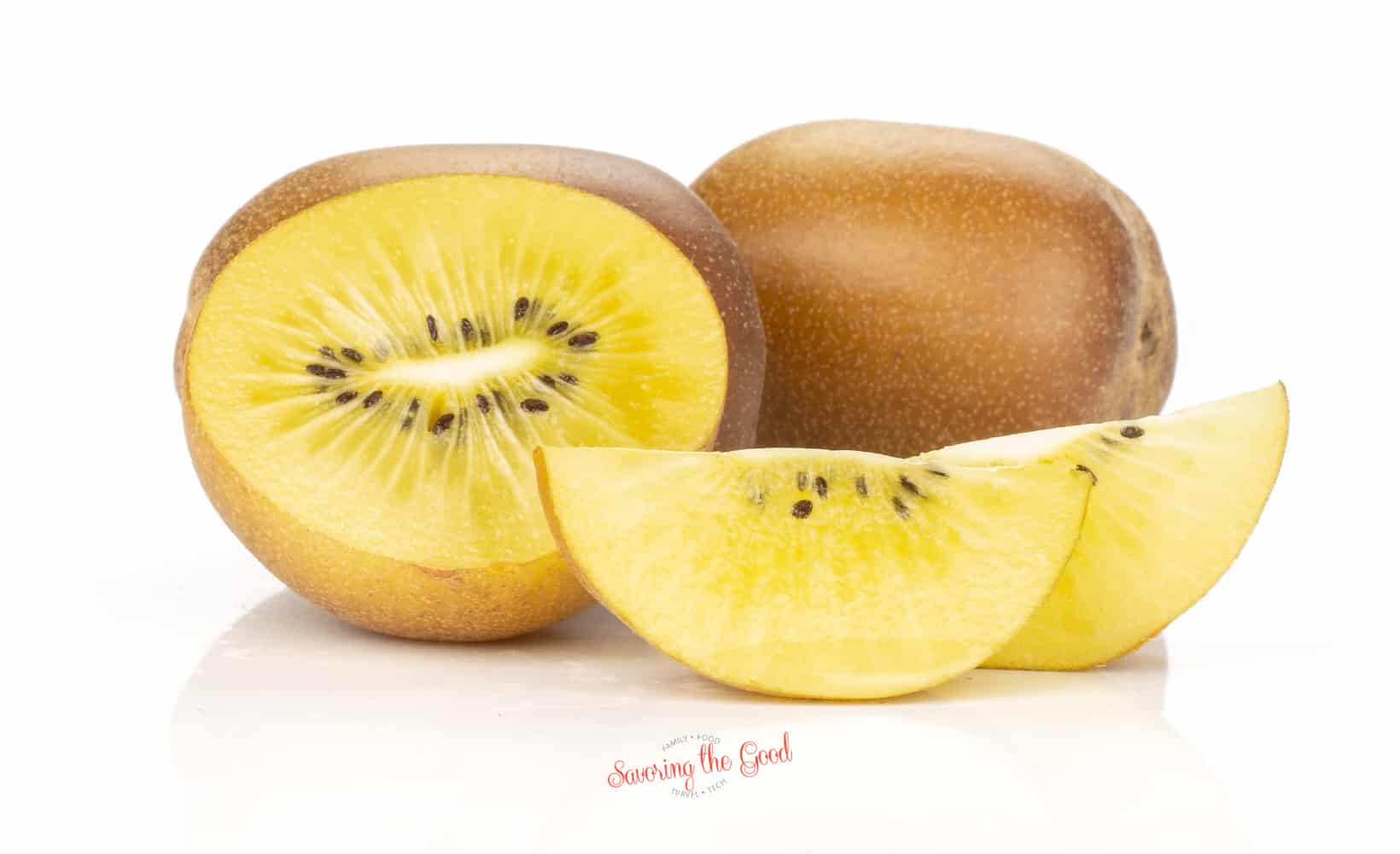
Golden kiwis are a variety of kiwifruit with a smooth, golden-brown skin. Their flesh is orange, sweeter than green kiwis, and has a tropical flavor with hints of mango and melon. They are typically eaten by cutting them in half and scooping out the flesh.
Jackfruit
Jackfruit is a large tropical fruit with a spiky greenish-yellow exterior. When ripe, its flesh turns orange and has a unique, sweet flavor similar to a blend of pineapple, mango, and banana. It is often used as a meat substitute in vegetarian dishes due to its fibrous texture.
Kumquat

Kumquats are small, oval-shaped citrus that can be eaten whole, including the peel. They have a tangy and slightly sweet flavor, with the peel offering a contrasting bitter taste. Kumquats are typically enjoyed raw or used in marmalades and preserves.
Mandarin Orange
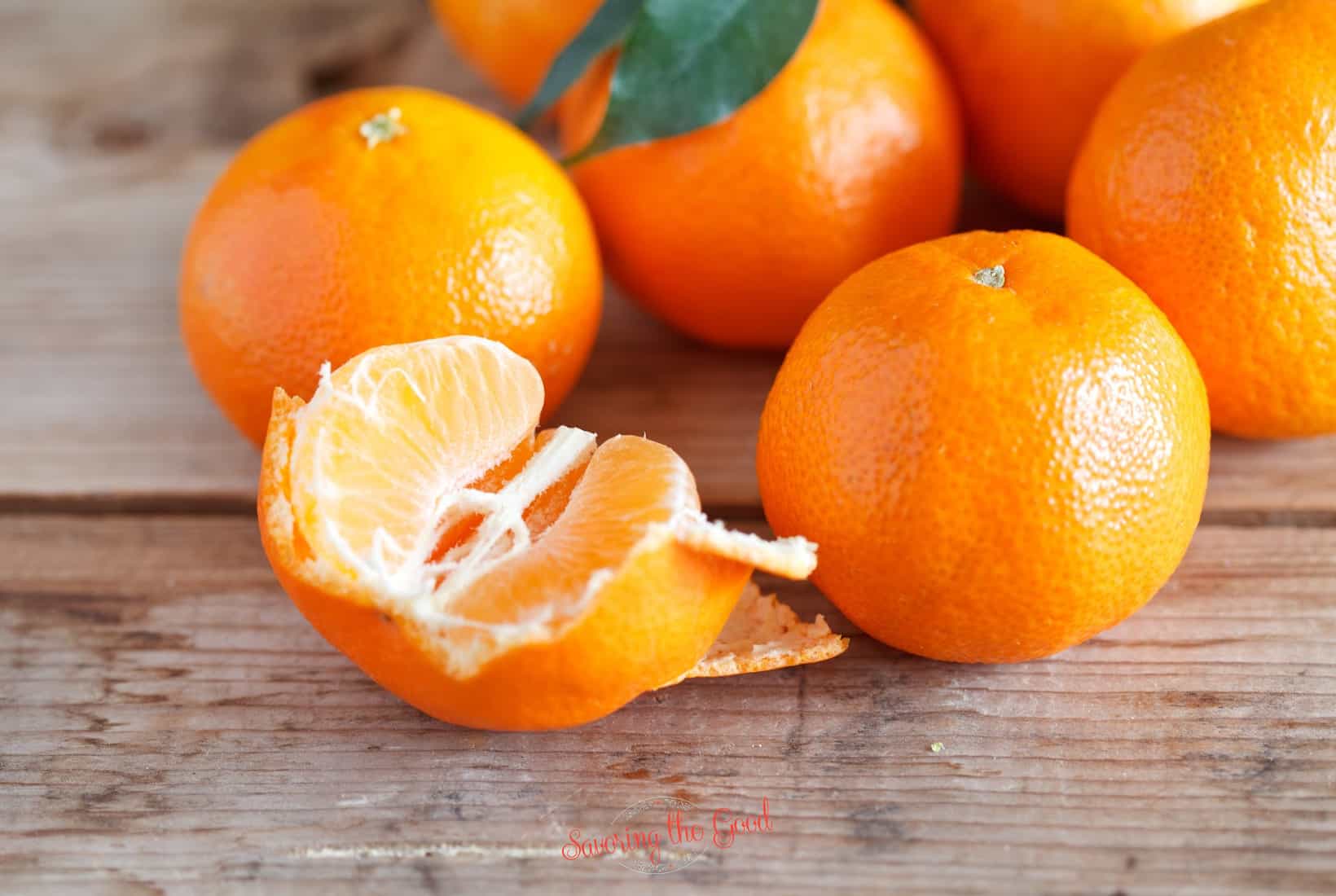
Mandarin oranges are small citrus with a vibrant orange color and a thin, easy-to-peel skin. They are known for their sweet flesh and refreshing flavor. Mandarin oranges are typically smaller and sweeter than regular oranges. They have a bright citrus aroma and are often enjoyed as a snack or used in salads, desserts, and citrus-based recipes. The segments of Mandarins are easily separated, making them convenient for consumption. They are popular during the winter season and are associated with celebrations such as Chinese New Year. Mandarin oranges are a delightful burst of sweet orange citrus flavor.
Mango

Mangos are tropical fruits known for their juicy, fibrous flesh and sweet taste. They have a vibrant orange color and a rich, aromatic flavor with hints of tropical and citrus notes. Mangos are often eaten fresh, blended into smoothies, or used in various culinary preparations.
Nectarine
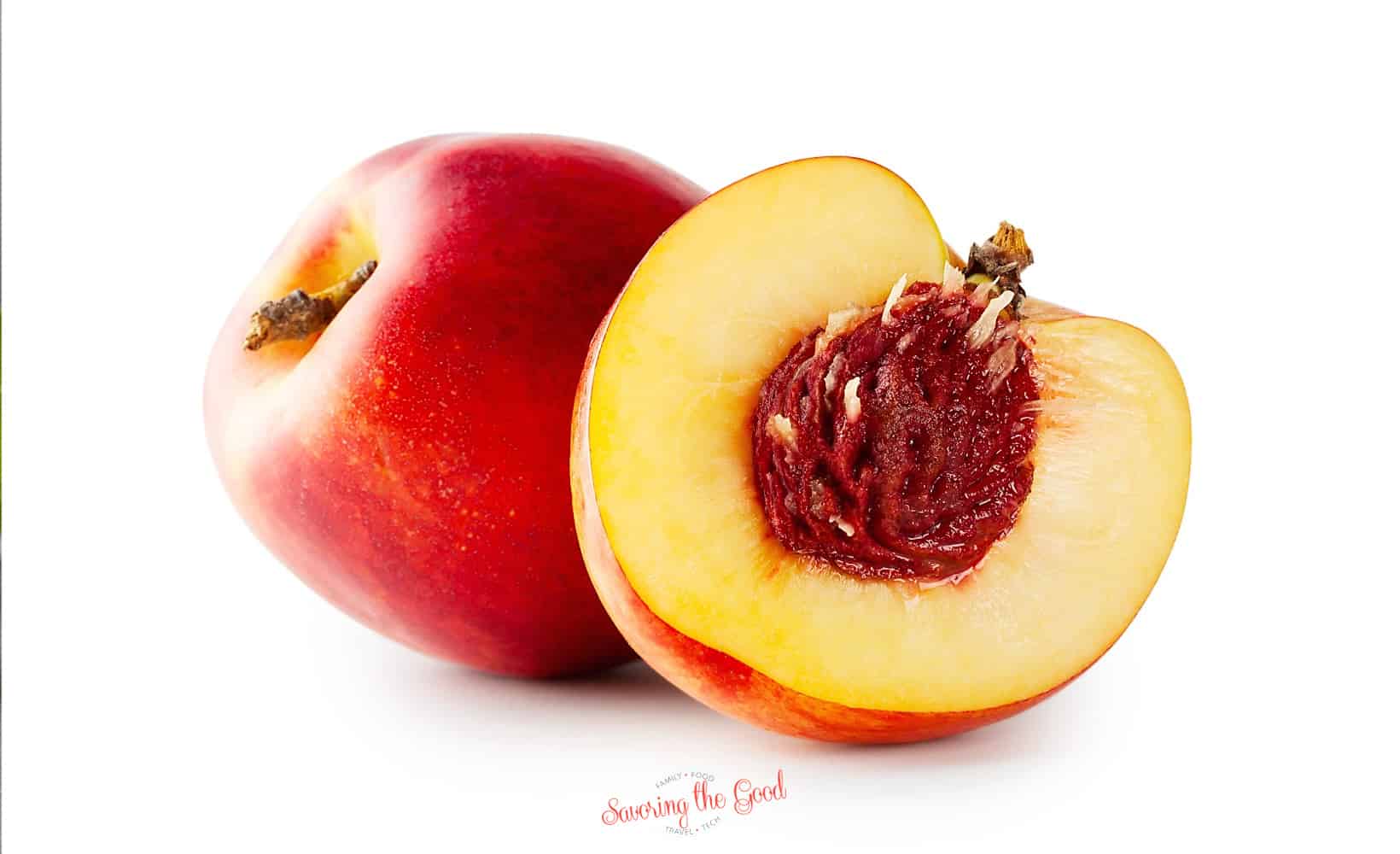
Nectarines are similar to peaches but have smooth skin instead of fuzz. They have an aromatic flesh that is sweet and slightly tart. Nectarines come in different varieties, but most have an orange or yellow hue and are enjoyed as a fresh fruit or used in desserts.
Orange
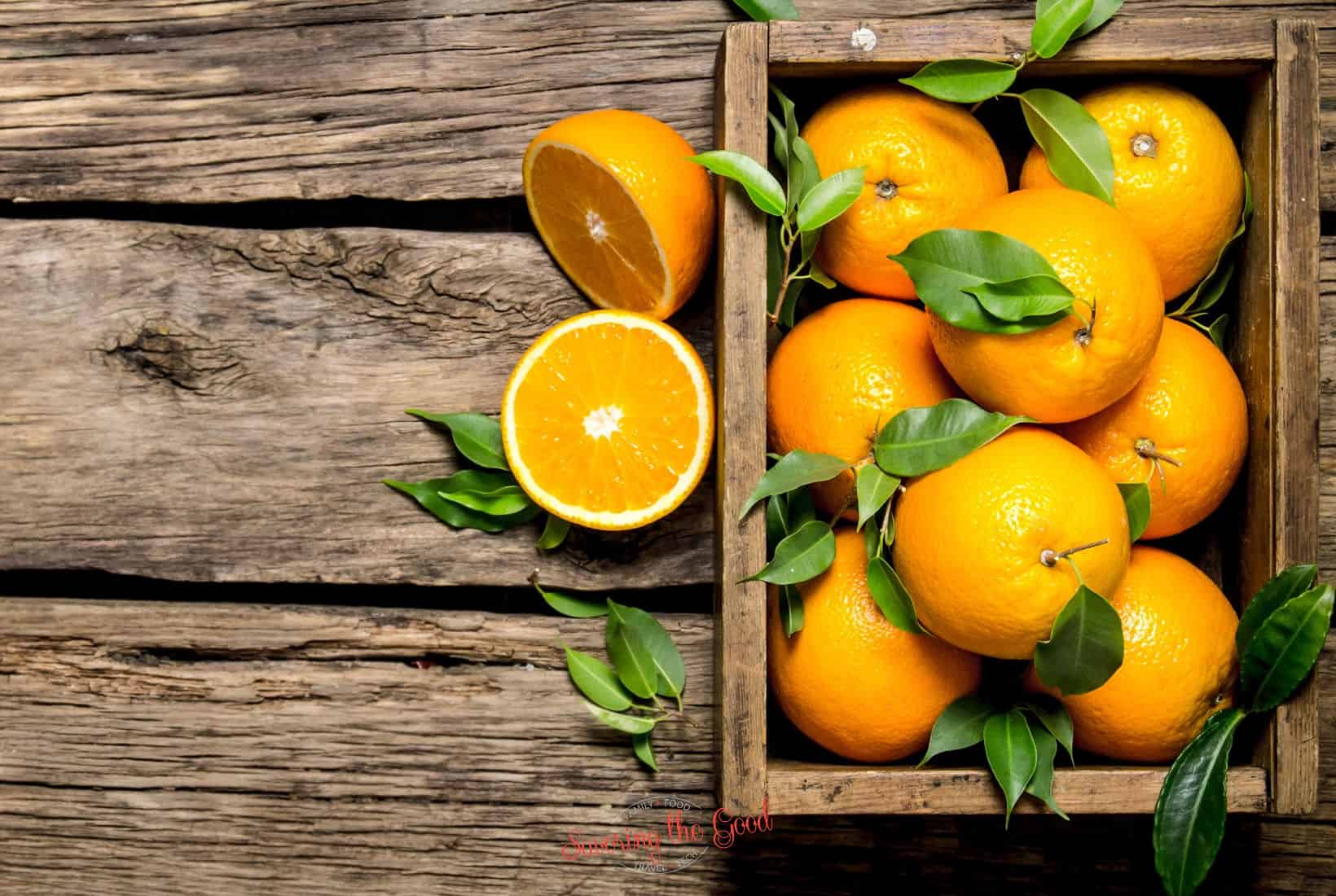
Oranges are citrus fruit with an orange skin and a refreshing, tangy flavor.
Orangelo (cross between grapefruit and orange)
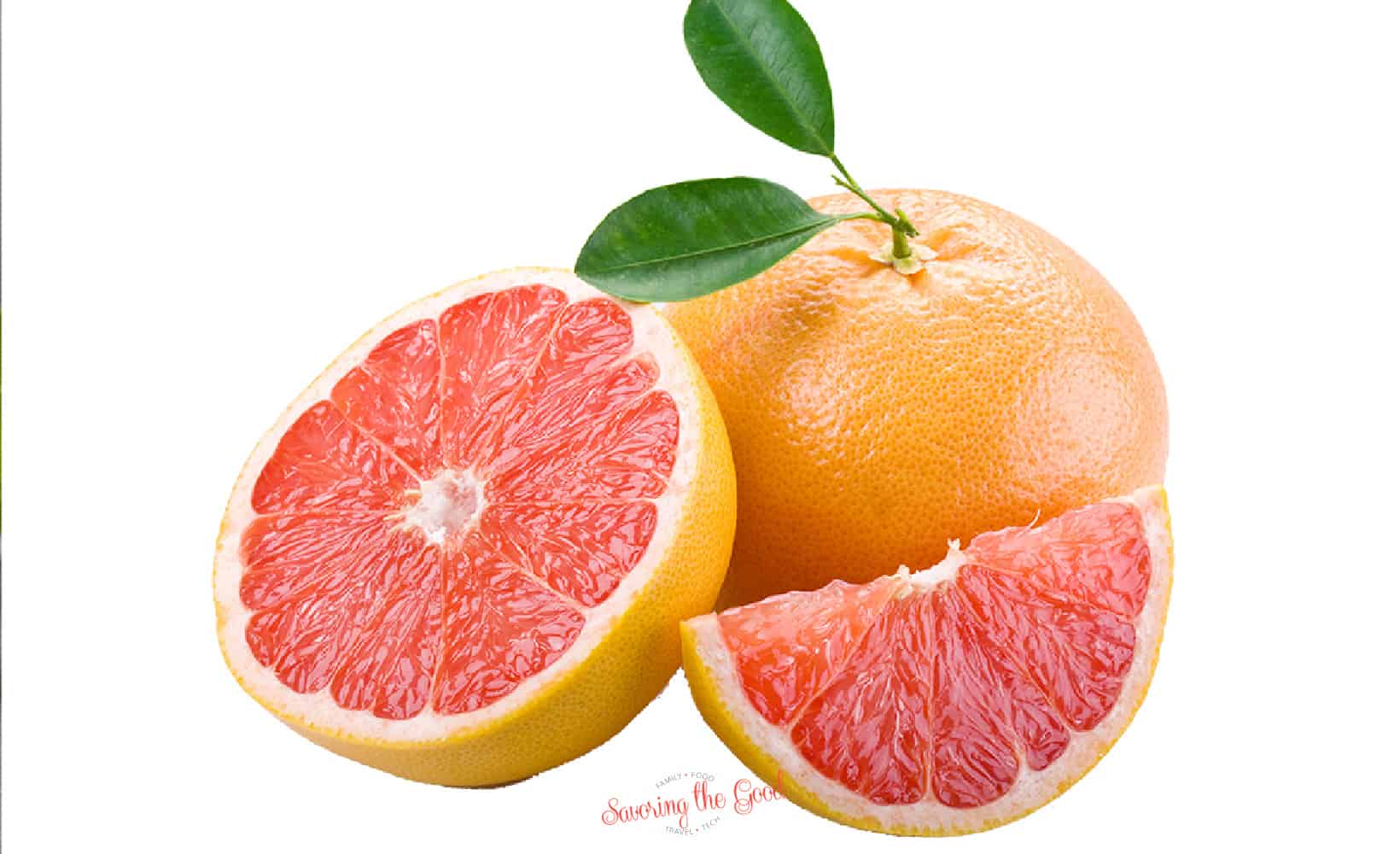
Orangelos are hybrids resulting from a cross between grapefruits and oranges. They have a bright orange color and a sweet, tangy flavor with a hint of bitterness. Orangelos are often enjoyed as a snack or used in salads and citrus-based dishes.
Papaya
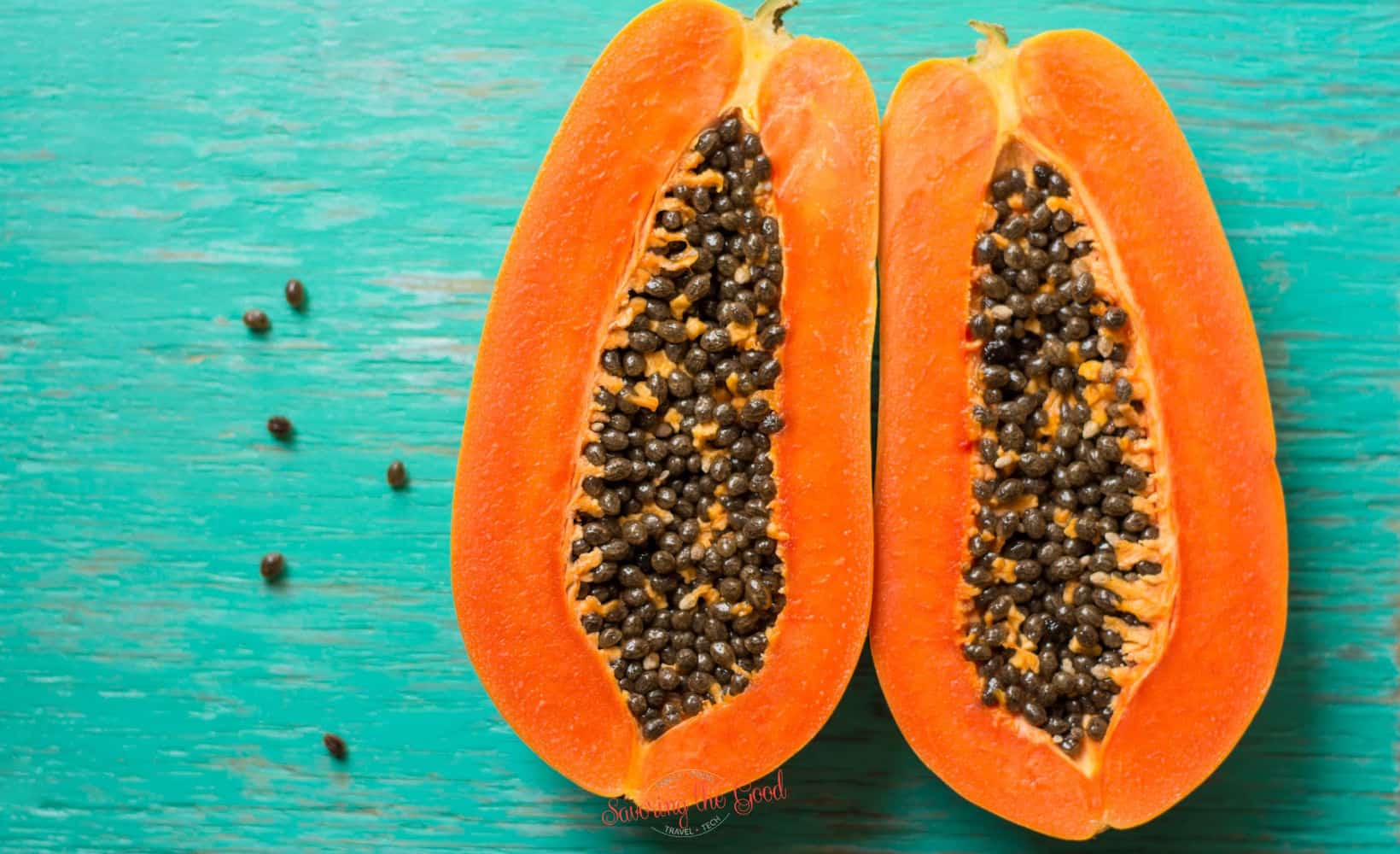
Papayas are tropical fruits with a greenish-yellow skin that turns orange when ripe. They have a soft, buttery texture and a sweet, tropical flavor with hints of melon and citrus. Papayas are often eaten fresh or used in smoothies, salads, and salsas.
Peach
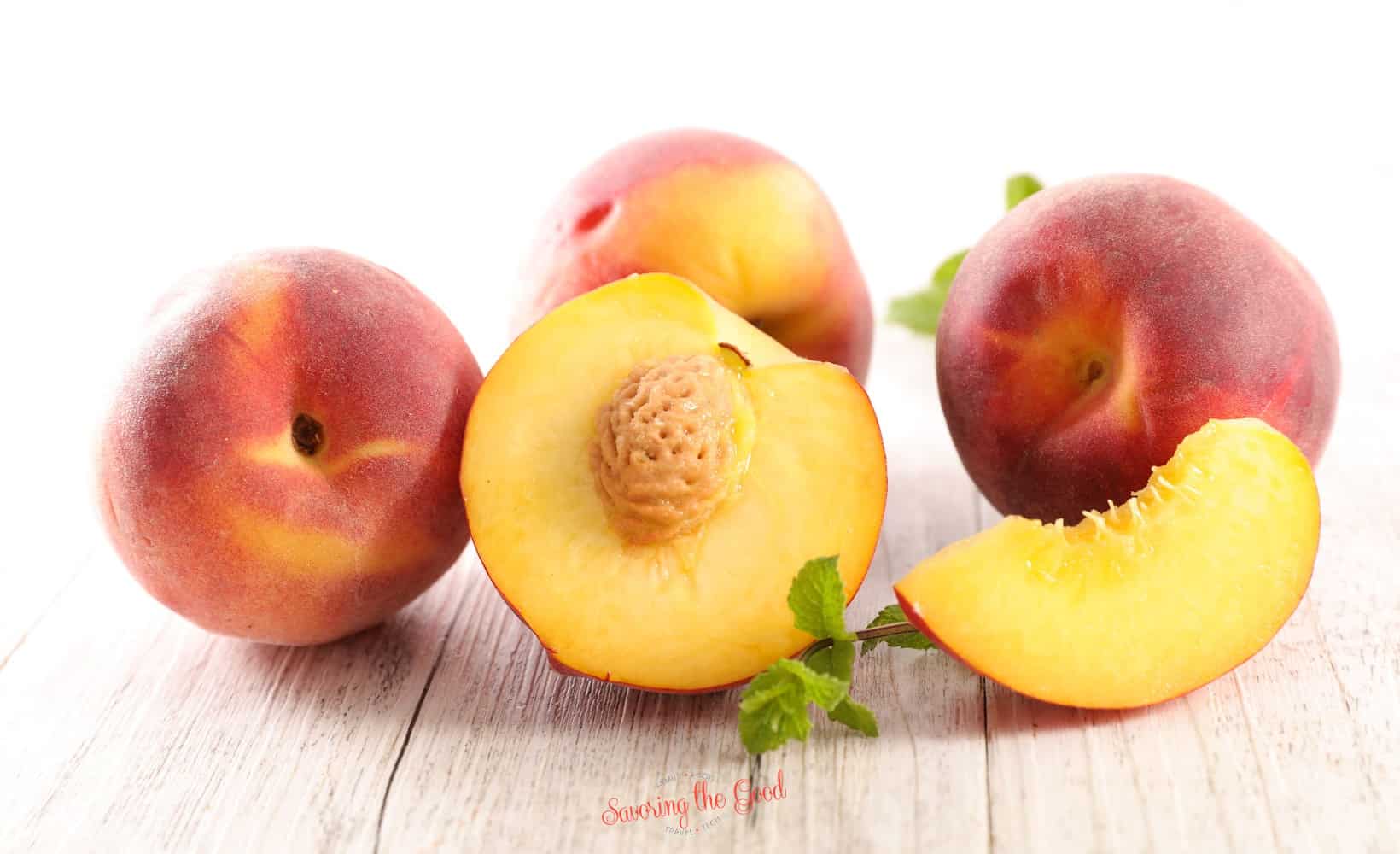
Peaches are fuzzy fruits with a soft flesh and a sweet, fragrant flavor. They have a pale orange or yellow color and are renowned for their delicate taste. Peaches are commonly eaten fresh, baked in desserts, or used in jams and preserves.
Persimmon
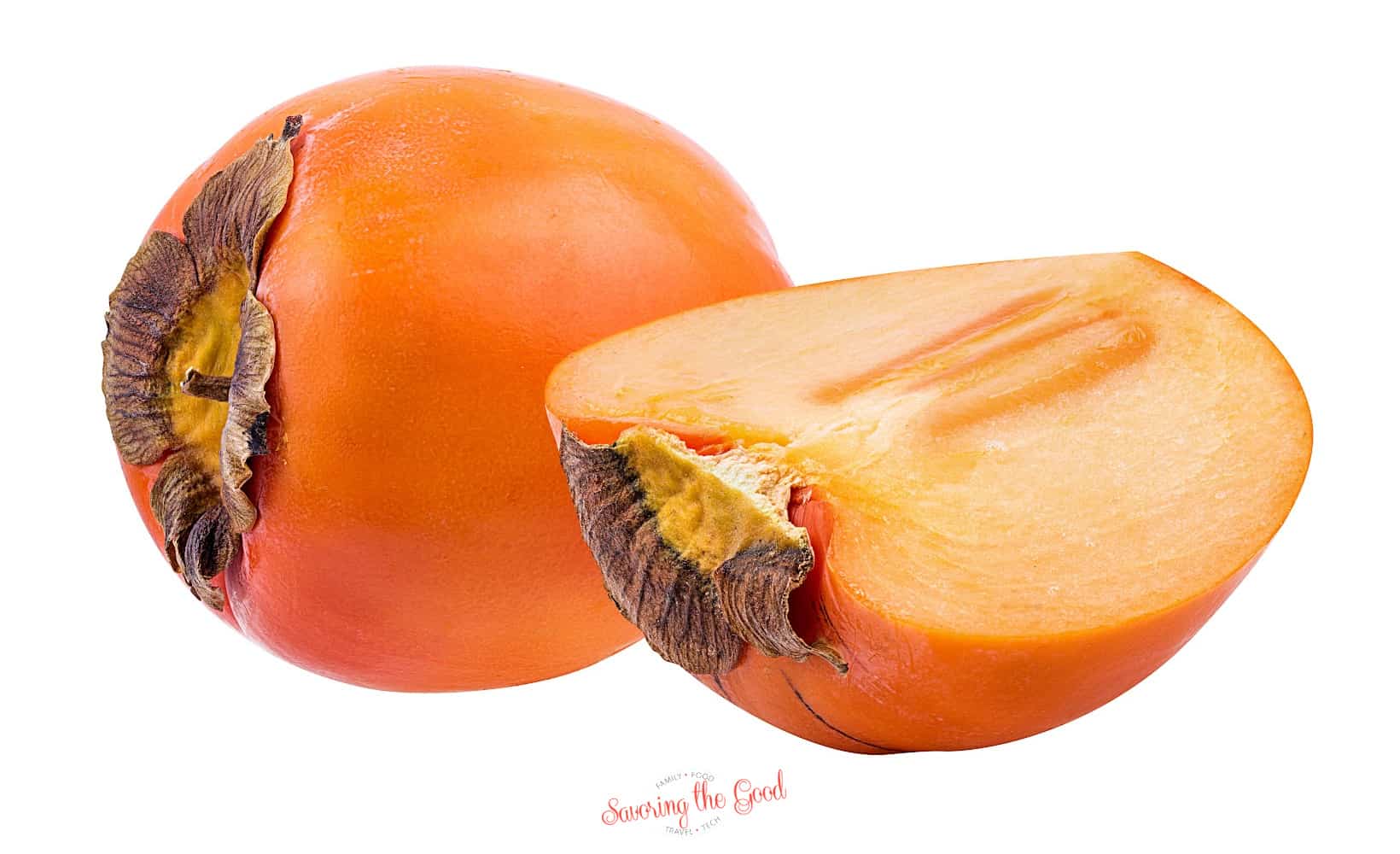
Persimmons are fruits with a vibrant orange color and a sweet, honey-like flavor. They can be divided into two types: astringent (Hachiya) and non-astringent (Fuyu). Astringent persimmons are enjoyed when fully ripe and have a custard-like texture, while non-astringent persimmons are firm and crisp like an apple.
Pumpkin
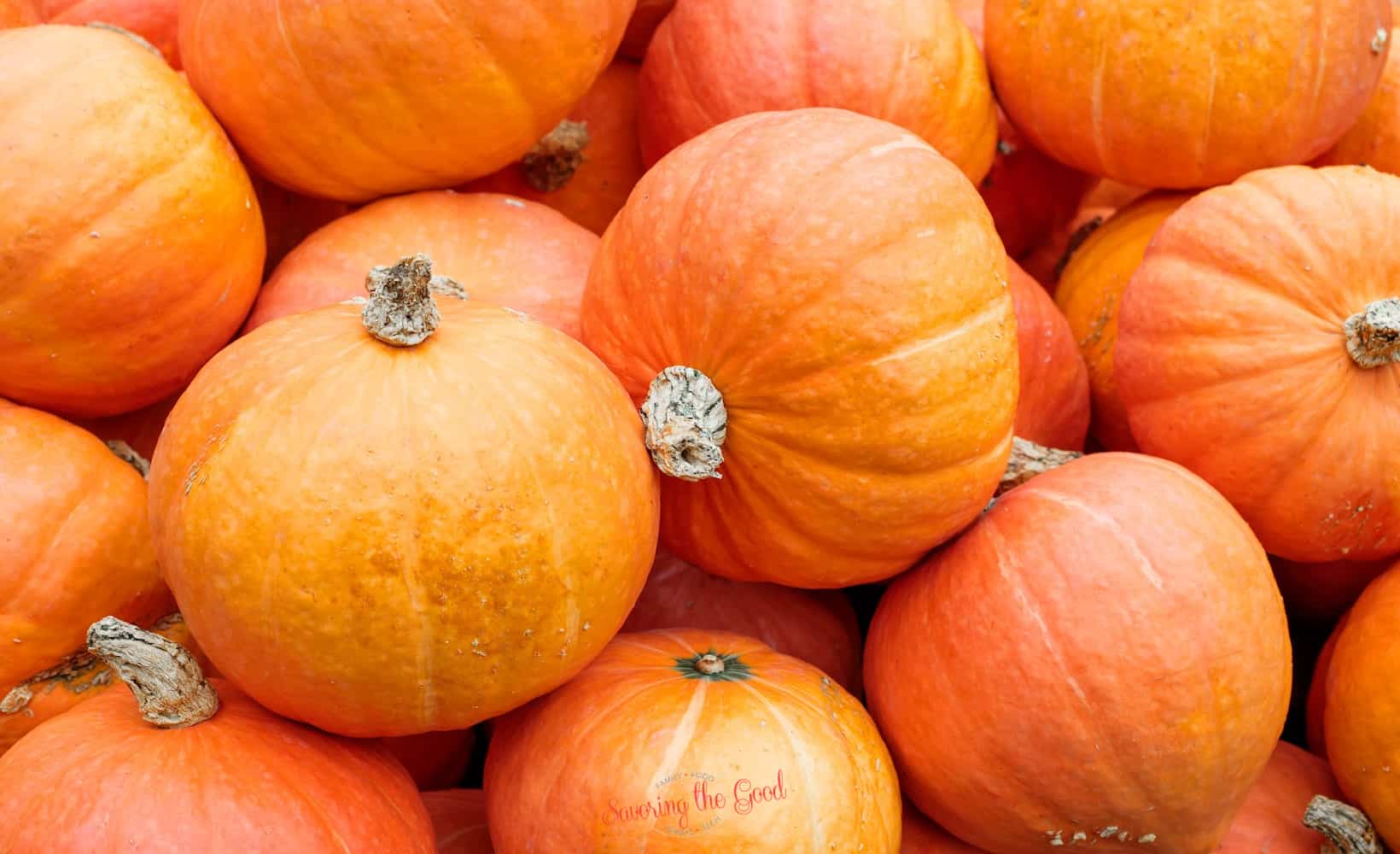
Pumpkins are large, round, and typically associated with autumn. They have a thick, orange rind and a sweet, mild taste. Pumpkins are commonly used for making pies, soups, and other savory dishes, as well as festive decorations.
Satsuma
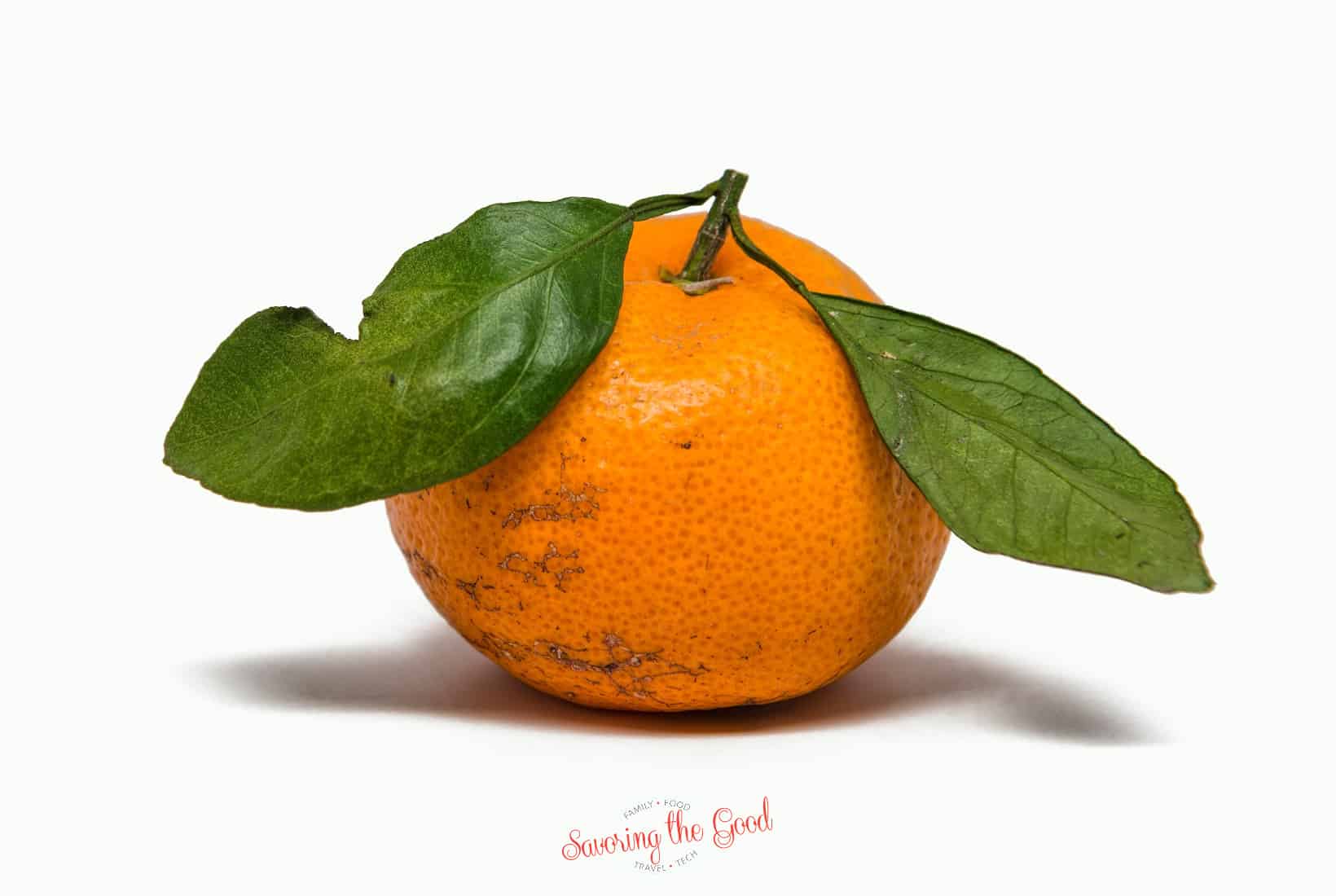
Satsumas are small, seedless citrus with a loose, easy-to-peel skin. They have a sweet and juicy flesh that is rich in flavor with hints of tangerine. Satsumas are typically enjoyed as a snack or used in salads and desserts.
Sharon fruit (persimmon variety)

Sharon fruit, also known as a persimmon, is a sweet and slightly tangy fruit with a smooth, orange-colored skin. It has a firm texture and can be eaten when firm or allowed to soften to a custard-like consistency. Sharon fruit is often enjoyed fresh or used in desserts.
Sumo citrus

Sumo citrus, also known as Sumo mandarins, are large and seedless citrus. They have a bumpy, easy-to-peel skin with a rich, bold flavor. Sumo citrus is often described as having a balance of sweetness and acidity.
Tangerine
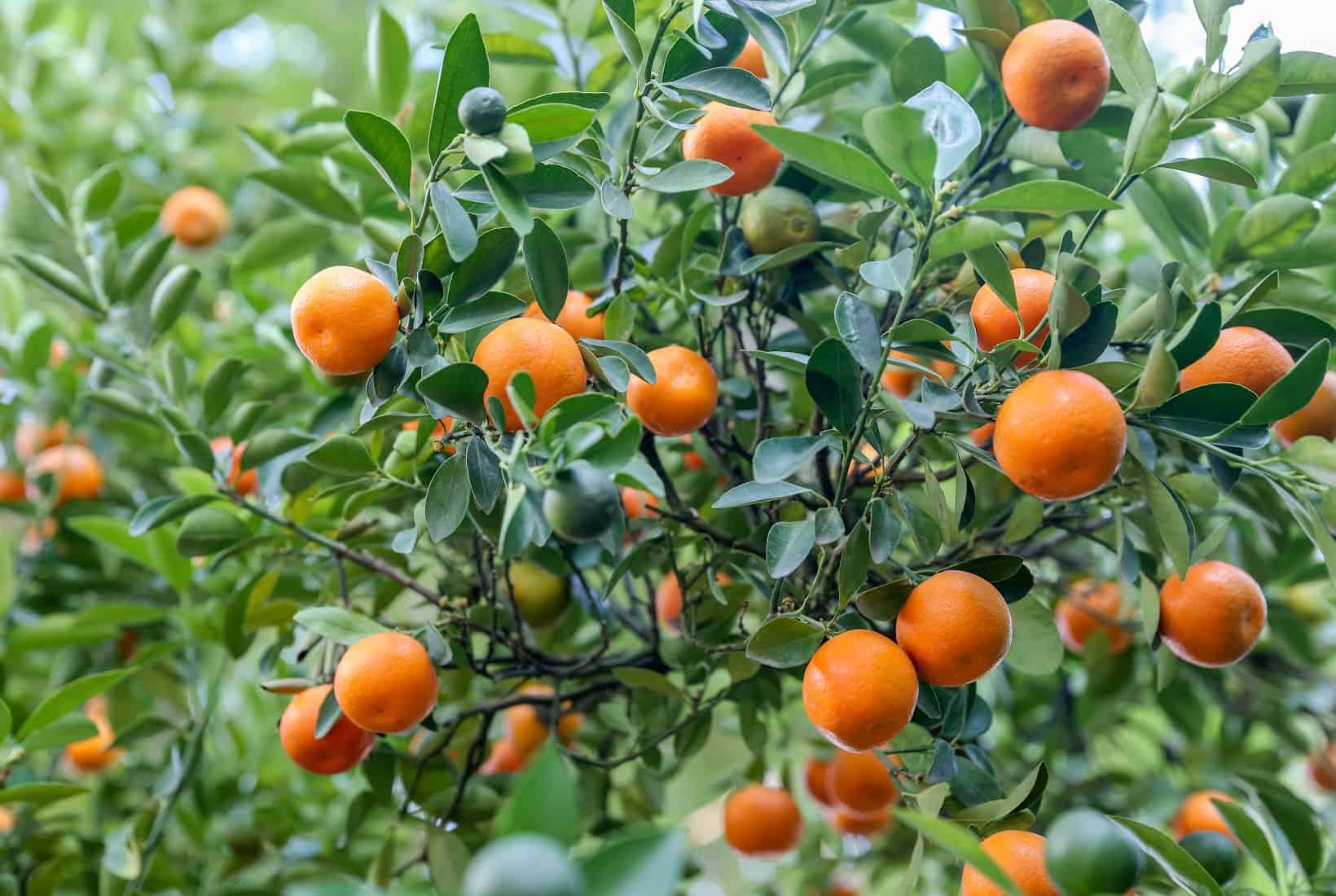
Tangerines are small citrus with a bright orange, easy-to-peel skin. They have a sweet and tangy flavor, similar to oranges but with a slightly more delicate taste. Tangerines are commonly eaten fresh and are popular during the winter months.
Ugli fruit

Ugli fruit is a citrus fruit with a thick, wrinkled, and rough skin that is mottled greenish-yellow or orange. Its flesh is sweet, and tangy, resembling a combination of grapefruit, orange, and tangerine flavors. Ugli fruit is often used for its juice or eaten as a fresh fruit.
FAQ's and Tips
One of the rarest orange fruits is the Buddha's hand, also known as Buddha's Hand Citron. It is an unusual citrus fruit with a distinctive appearance resembling a cluster of elongated fingers. The fruit is pale to vibrant yellow in color and emits a strong, pleasant fragrance. While it is technically more yellow than orange, some variations of Buddha's hand can have orange hues.
The fruit is considered rare because it is not as widely cultivated as other citrus fruits and is often grown for its ornamental value or as an aromatic ingredient rather than for consumption. Buddha's hand is primarily used for its zest and aromatic oils in culinary preparations, such as flavoring desserts, infusing spirits, or as a fragrant decoration. Its unique shape and rarity make it a prized and sought-after citrus fruit.
The fruit that is commonly orange both inside and out is the persimmon. Persimmons are known for their vibrant orange color, which extends to both the skin and the flesh. They have a smooth, glossy skin that ranges in shades of orange and red. When you cut open a persimmon, you'll find that the flesh is also a rich, deep orange color.
Depending on the variety, persimmons can have a soft, custard-like texture or a firmer, crisp texture. They are sweet and have a unique flavor, often described as a combination of apricot, honey, and pumpkin. Persimmons are delightful fruits to enjoy when they are ripe and make a tasty addition to various dishes and desserts.
The color of food, including orange, can have psychological effects that may influence appetite and hunger in some individuals. The color orange is often associated with warmth, energy, and vibrancy. When people see orange-colored food, it can stimulate their senses and evoke feelings of excitement and anticipation.
However, the impact of color on hunger and appetite can vary from person to person. Factors such as individual preferences, cultural influences, and personal experiences can also play a significant role in determining the psychological response to food colors.
It's worth noting that the effect of color on appetite is a complex and multifaceted aspect of human perception. While some individuals might find that orange food enhances their appetite, others may not experience the same effect. Additionally, factors such as food aroma, taste, and presentation also contribute to appetite stimulation.
Ultimately, the impact of orange-colored fruit on hunger and appetite is subjective and can differ from person to person.

I am Sarah Mock. Welcome!
Sarah Mock is a classically trained Chef and a graduate of Johnson & Wales University. A culinary blogger for 17 years, Sarah helps the home cook prepare her recipes with professional results.




Comments
No Comments