

Packed with plant compounds, these vibrant blue-colored fruits offer a multitude of benefits.

Blue Fruit
Explore the colorful world of these blue fruits and experience the goodness they bring to your plate.
1. Bilberry (Vaccinium myrtillus)
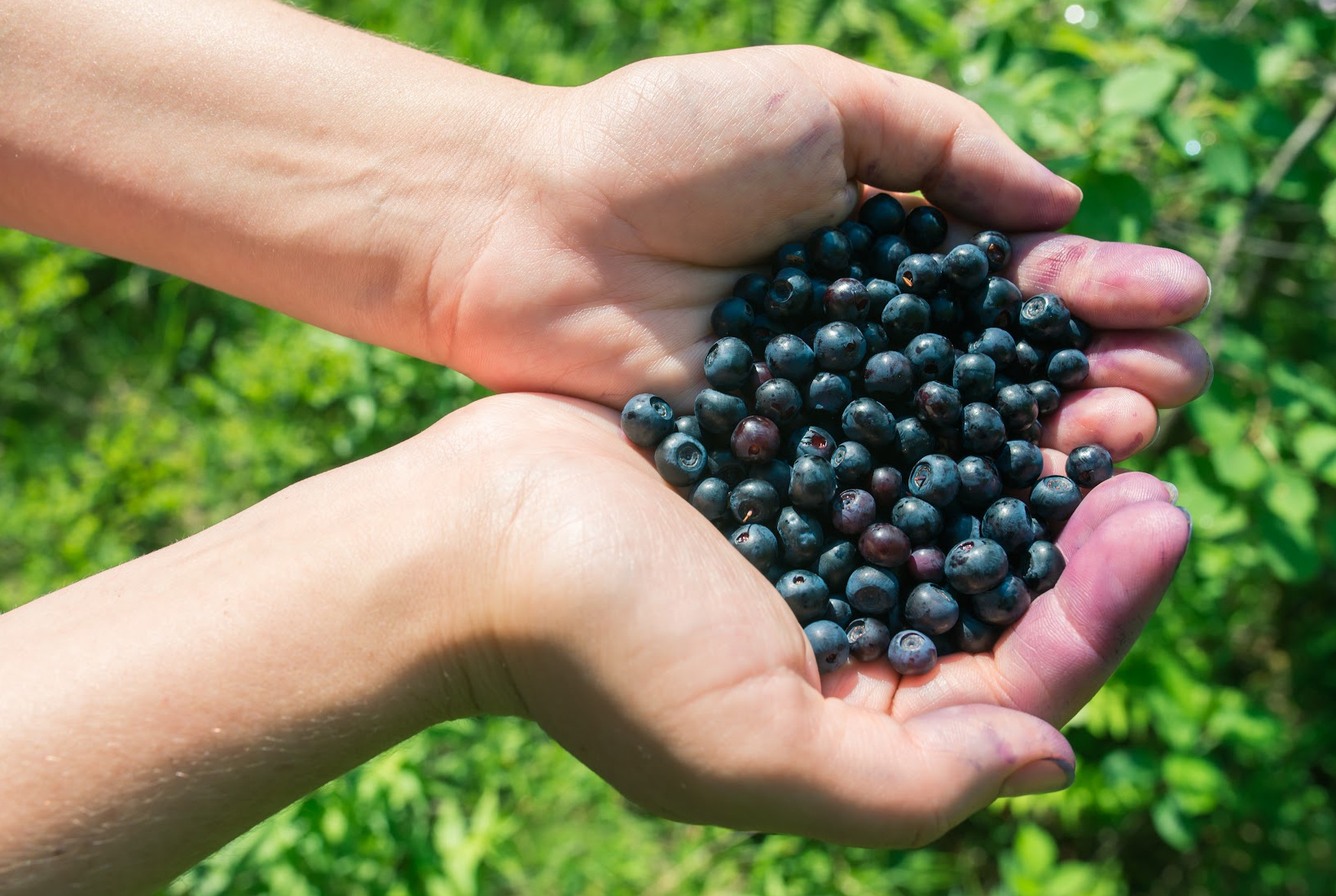
Also known as European blueberry or whortleberry, bilberries are small, dark blue berries that grow in the wild across Europe. They are similar in appearance to blueberries but have a more intense flavor.
2. Blueberries
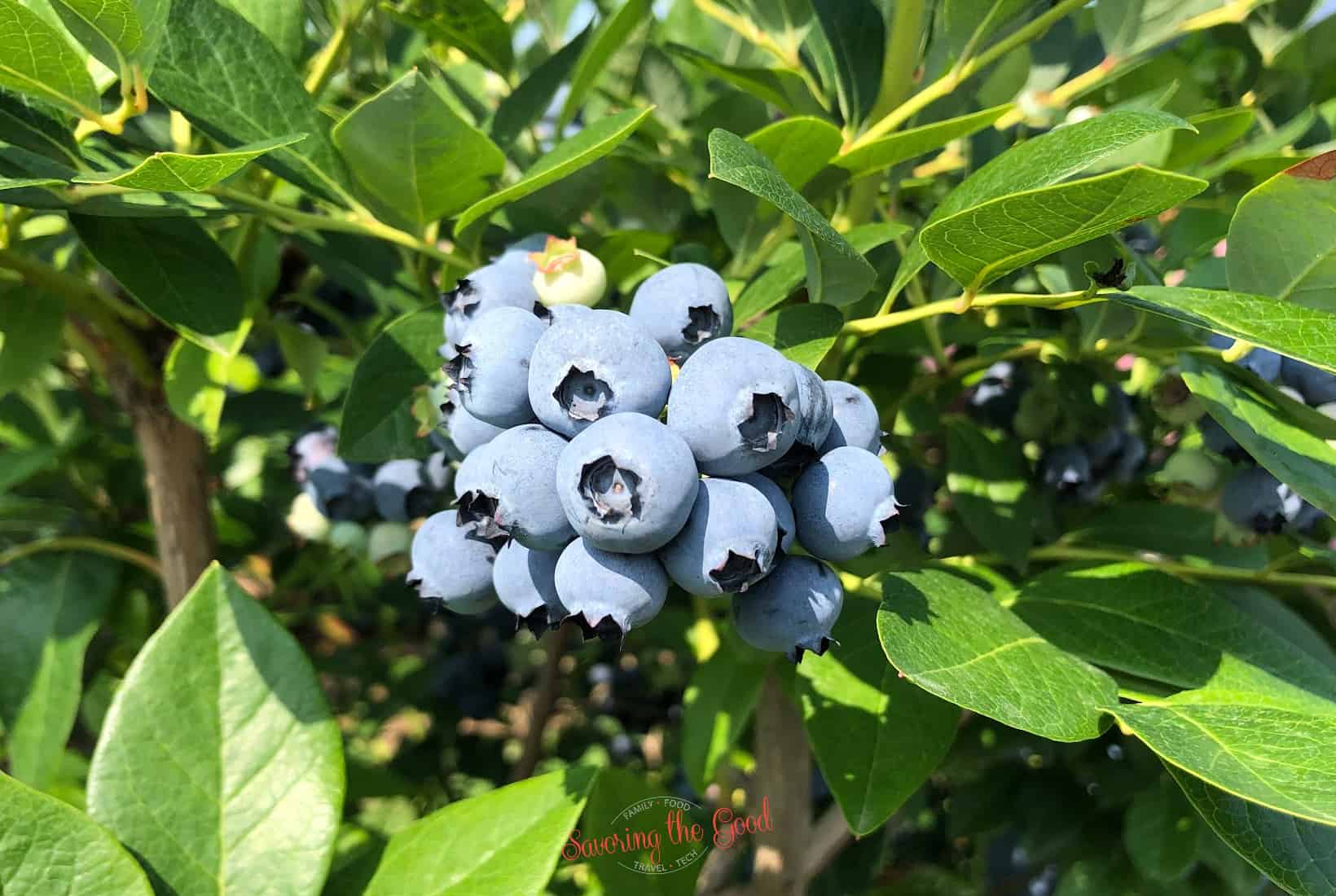
Blueberries are small, round fruits that are known for their vibrant blue color. They have a smooth, deep blue, sometimes purple skin, almost resembling tiny gems. These little berries are not only delicious but also packed with beneficial nutrients and powerful antioxidants.
3. Blue apples (Blue Java bananas)
Blue apples, also known as Blue Java bananas, are unique fruits with a bluish hue when ripe. They have a creamy and soft texture, similar to regular bananas, but with a hint of vanilla flavor. Their mild sweetness and distinctive color make them an interesting variation of the traditional banana.
4. Blue velvet apricots (Blenheim apricots)

Blue apricots, specifically the Blenheim variety, have a stunning blue exterior when fully ripe. Inside, they reveal a vibrant orange flesh that is juicy and slightly tart. These fruits offer a delightful balance of sweet and tangy flavors, making them a delicious treat.
5. Blue blackberries (Obsidian blackberries)
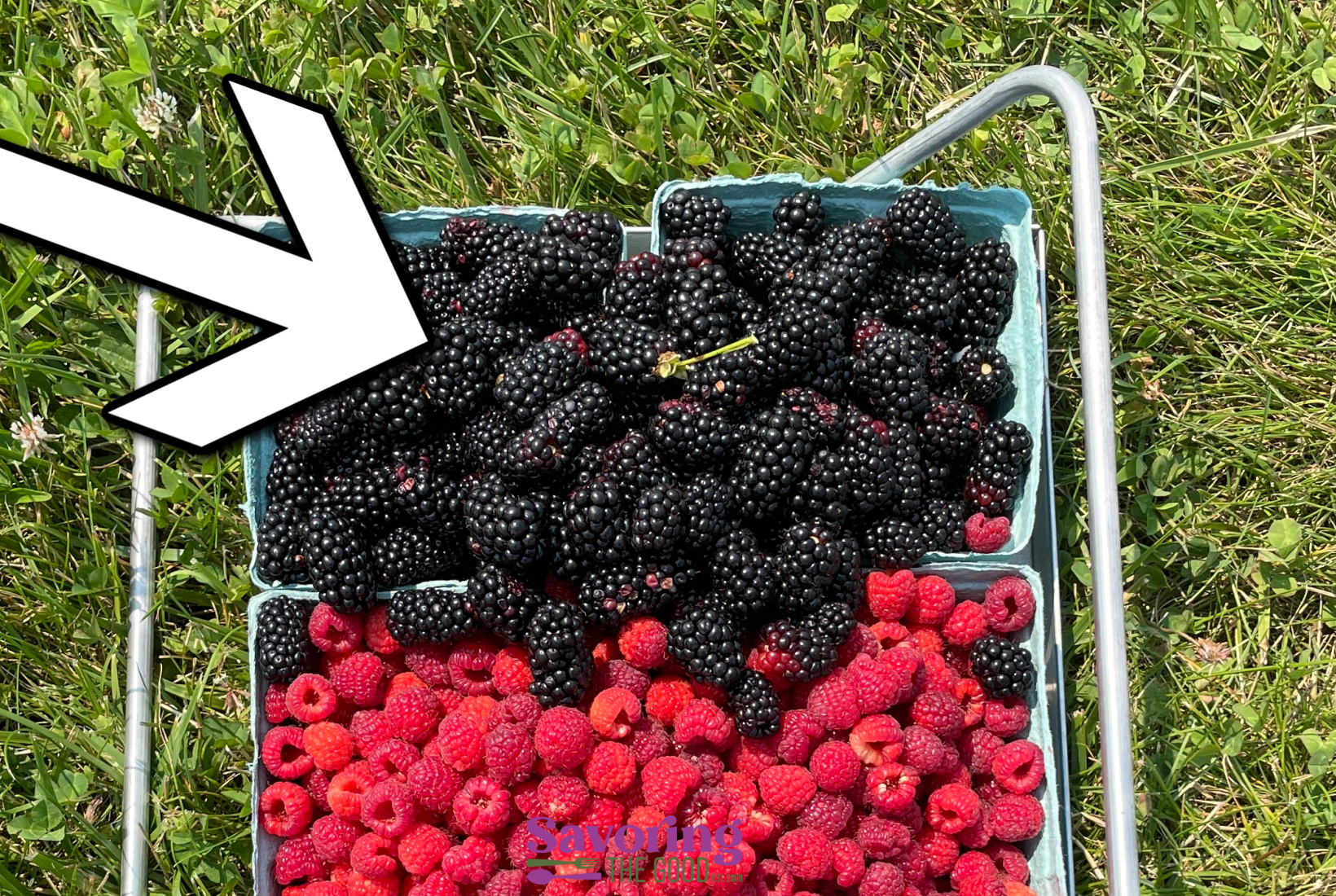
Blue blackberries, known as Obsidian blackberries, are a variation of the classic blackberry with a striking, deep blue, indigo color. They boast a rich, sweet-tart flavor that bursts with juiciness. These berries are often used in desserts, jams, or enjoyed fresh as a delightful snack.
7. Blue chokeberries
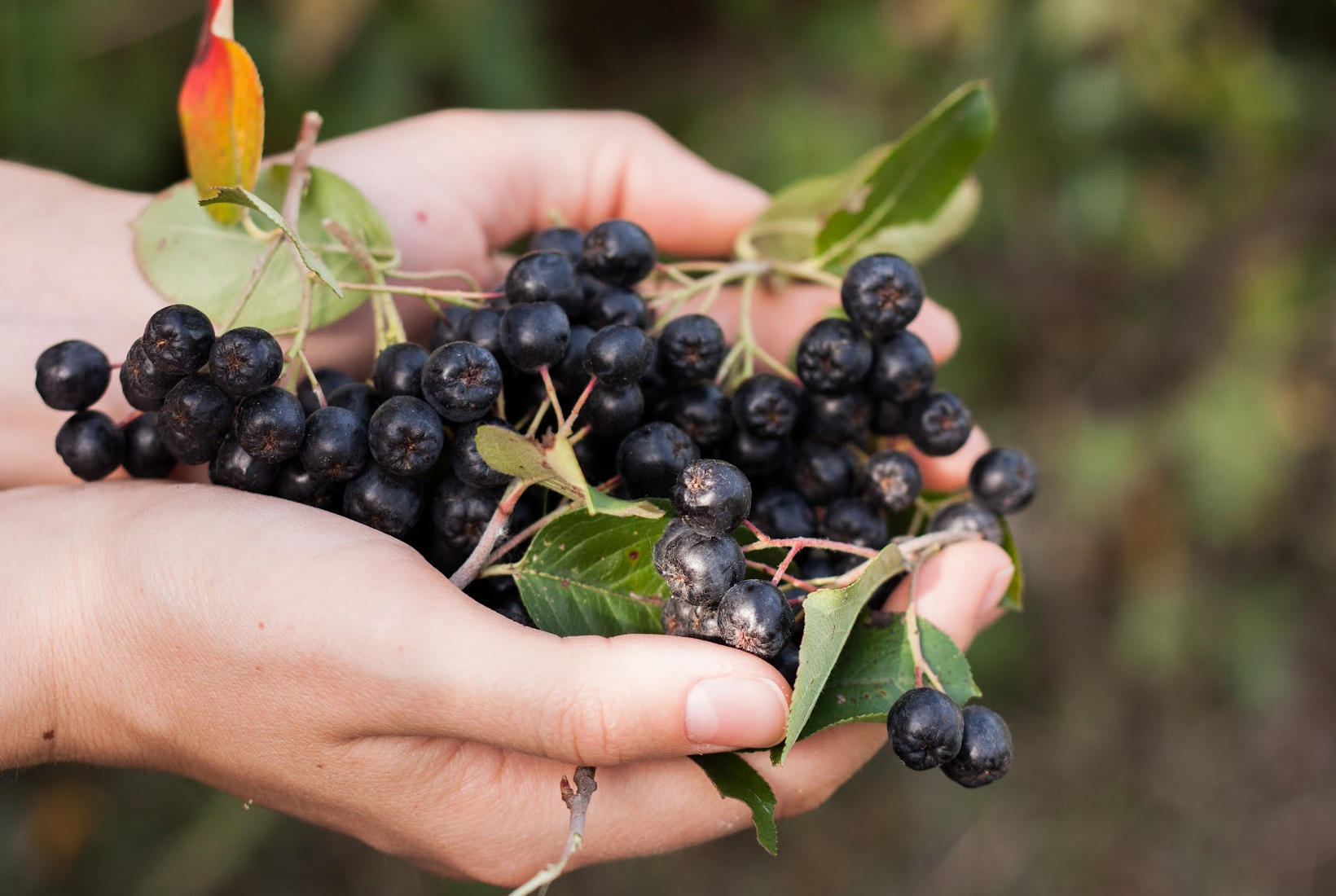
Blue chokeberries are small, dark blue berries with a slightly tart berries taste. They are often used in jams, jellies, or baked goods due to their intense flavor. These berries are also rich in antioxidants and can be enjoyed as a healthy addition to your diet.
8. Blue cloudberry
Blue cloudberry, also known as the Nordic gold, is a rare and prized fruit. It has a distinctive blue color and a unique flavor that combines sweetness and tartness. These berries are delicate and often enjoyed in jams, preserves, or desserts, and they are highly regarded for their exquisite taste.
9. Blue cornelian cherries
Blue cornelian cherries, also called dogwood cherries, are small blue fruits with a tart and tangy flavor. They are often used in making jams, syrups, or sauces. These berries have a vibrant bluish hue and offer a refreshing taste that adds a delightful twist to various culinary preparations.
10. Blue Corn
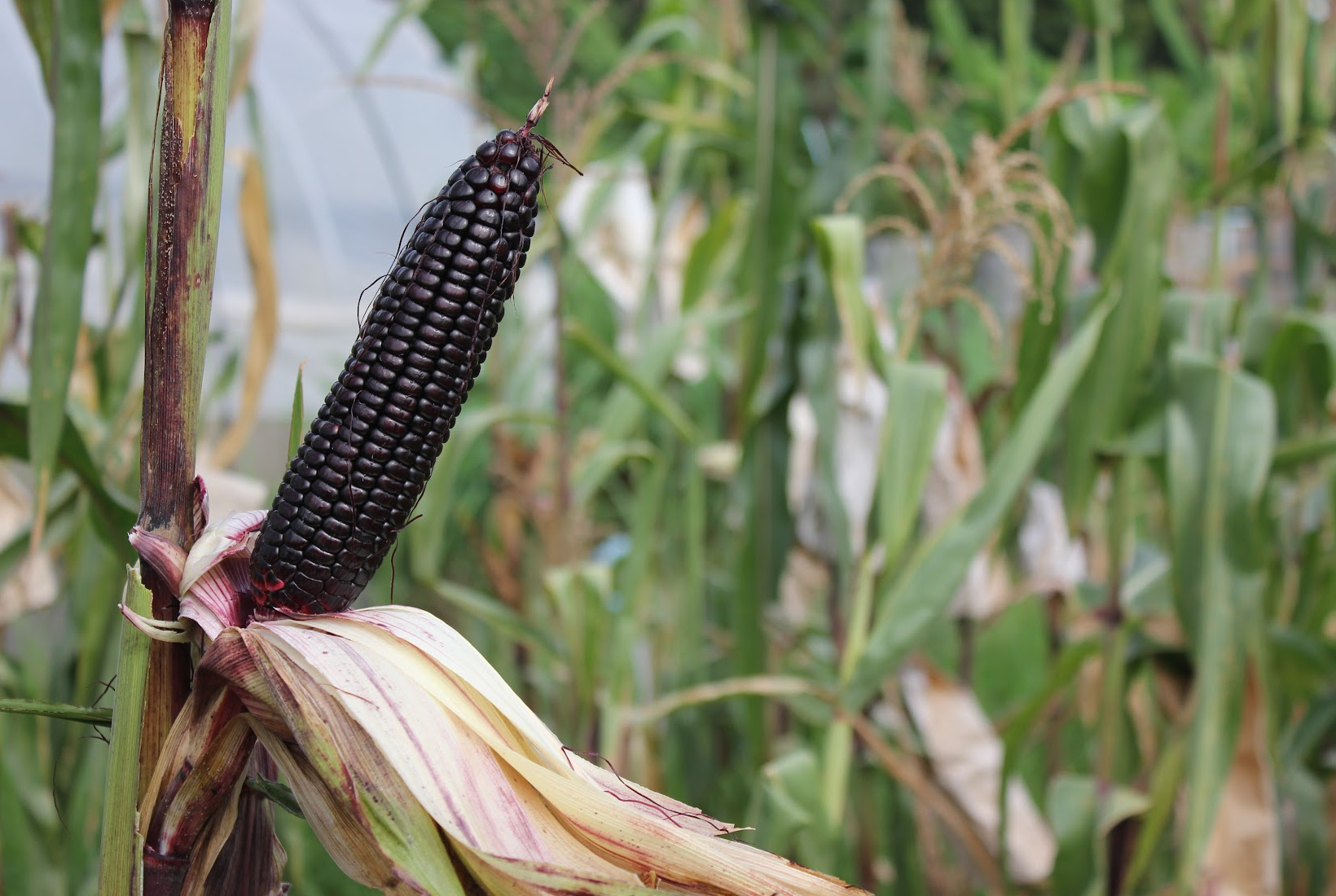
Blue corn is a unique type of corn that stands out with its striking blue color. Blue corn is commonly used in various culinary applications, particularly in regions where it is grown. So, while corn kernels are technically a fruit botanically, they are not typically referred to as such in everyday language or culinary contexts.It has a slightly nutty and earthy flavor, distinct from traditional yellow or white corn
11. Blue currants

Blue currants, specifically the Blackdown blue currants, are small berries with a deep indigo color. They have a slightly tart flavor and are commonly used in jams, jellies, or desserts. Blue currants, very similar to black currants, are versatile fruits that can be enjoyed in both sweet and savory dishes.
12. Blue figs
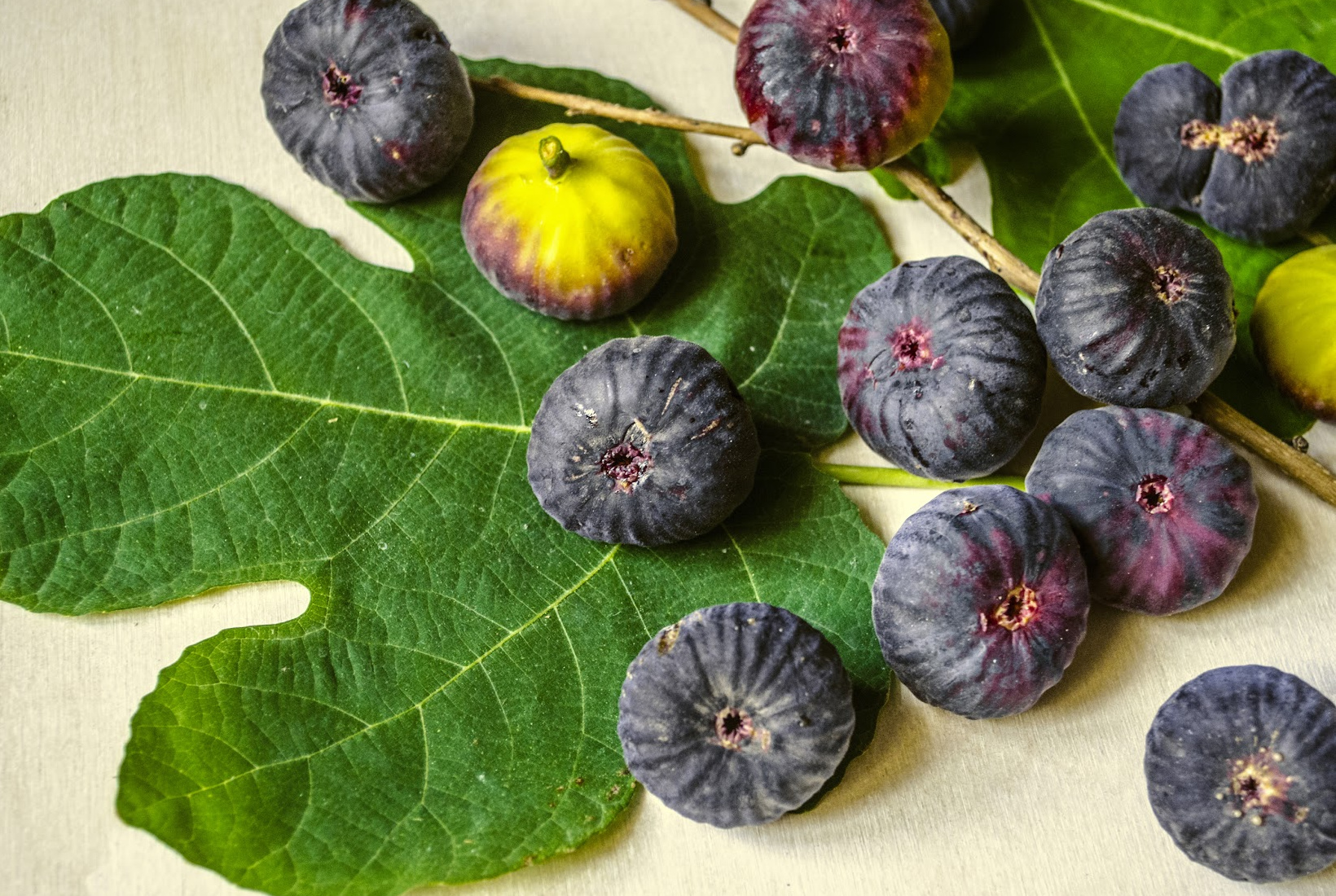
Blue figs are a unique variety of figs with a blueish-purple skin when fully ripe. They have a lusciously sweet and honey-like flavor, complemented by a soft and smooth texture. Blue figs are often eaten raw, dried, or incorporated into salads, desserts, or cheese platters.
Seasonal Favorite
This is my award-winning Crisco pie crust recipe; flaky, tender, and made with simple ingredients you already have.
13. Blue grapes (Lakemont Seedless grapes)
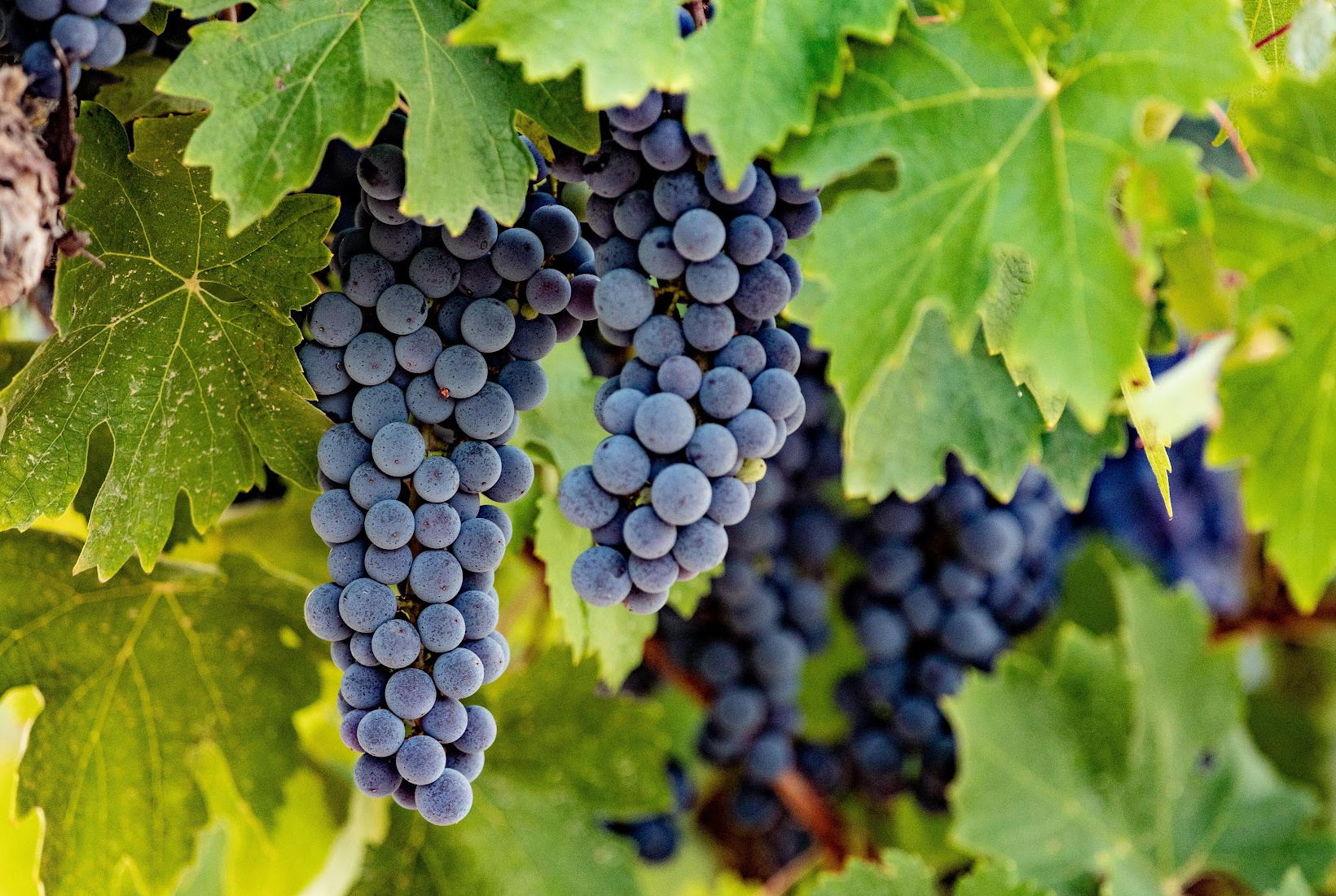
Blue grapes, specifically the Lakemont Seedless variety, are plump and juicy fruits with a deep purple or blue skin. This fruit has a similar shape to concord grapes or an olive. They have a sweet and refreshing taste, and their seedless nature makes them convenient for snacking. Blue grapes are commonly enjoyed fresh, used in desserts, or pressed into refreshing grape juice.
14. Blue jabuticaba
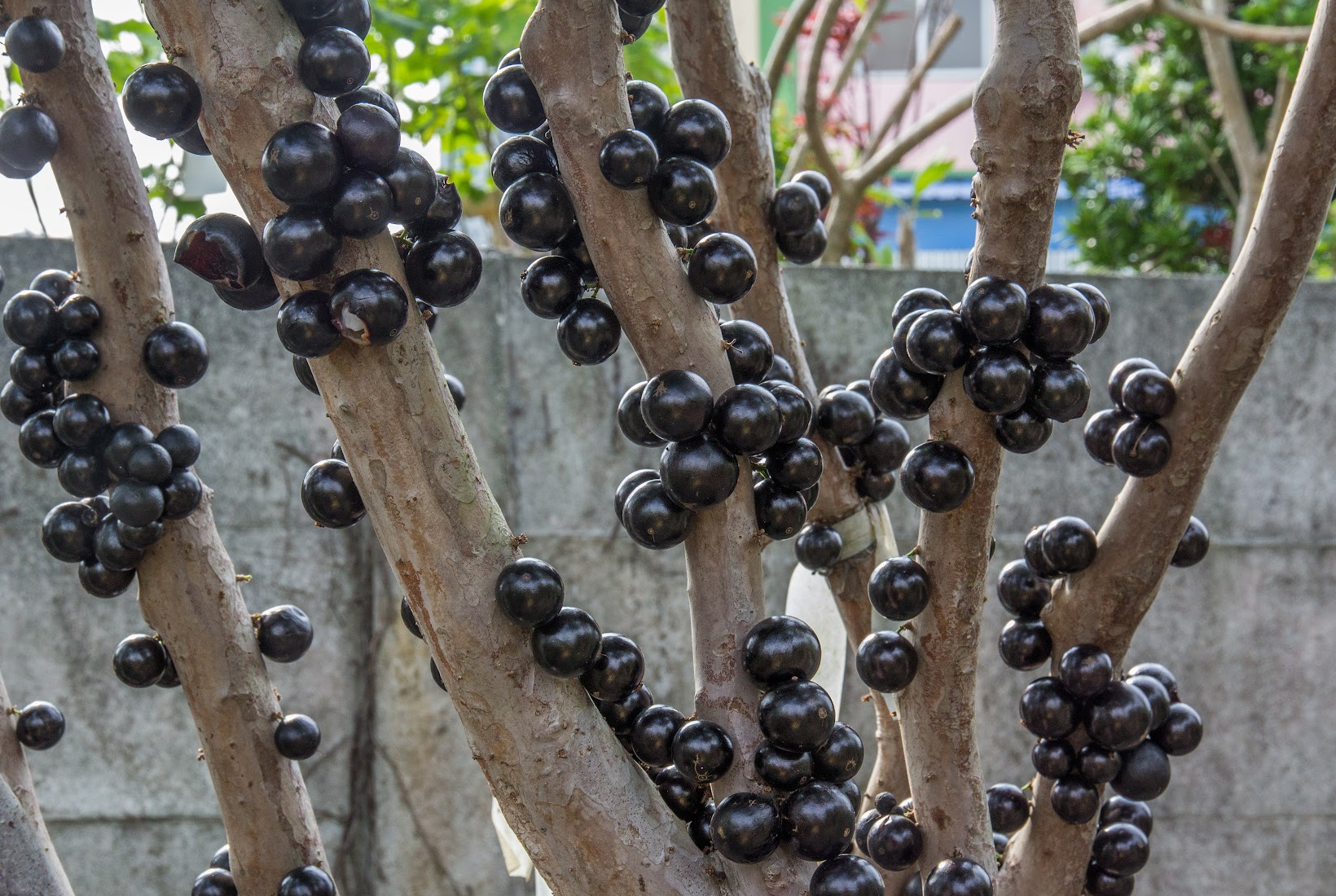
Blue jabuticaba is a lesser-known fruit with a blueish hue. It grows directly on the trunk of the tree and has a sweet, grape-like flavor. The fruit's skin is smooth and thin, enclosing a juicy and translucent pulp. Blue jabuticaba is often eaten fresh or used in making juices, wines, or liqueurs.
15. Blue lingonberries
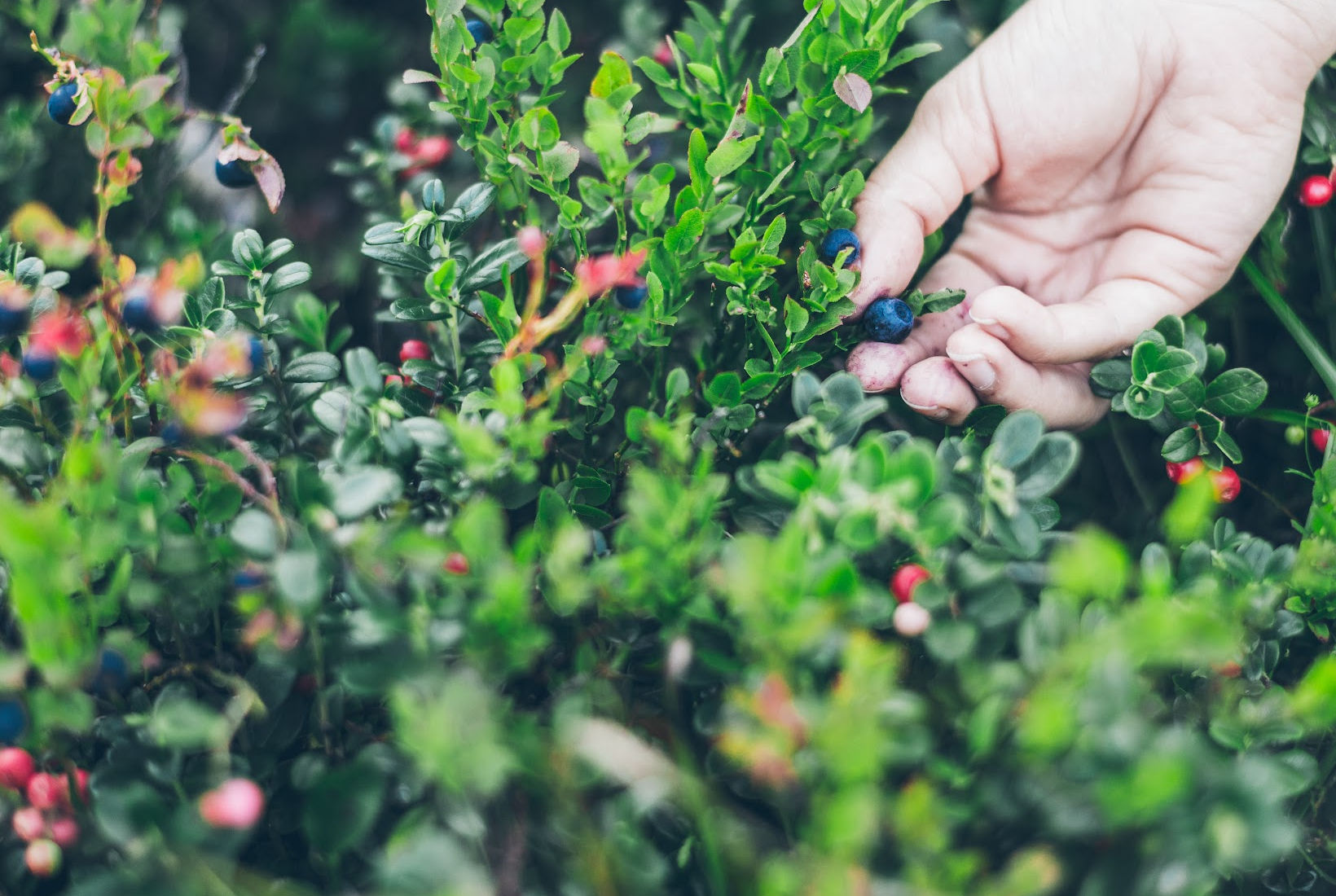
Blue lingonberries are small berries with a deep blue color and a tart taste. They are often associated with their use in traditional Scandinavian cuisine. These berries are used in jams, sauces, or desserts and are known for their high antioxidant content.
16. Blue mulberries
Blue mulberries are a unique variety of mulberries with a blue hue. They have a sweet, slightly tangy flavor and a juicy texture. Blue mulberries are enjoyed fresh or used in jams, pies, or smoothies. They are often praised for their nutritional value and delightful taste.
17. Blue myrtle berries
Blue myrtle berries are small blue fruits that grow on the Myrtus plant. They have a mildly sweet and aromatic flavor, with a touch of tartness. These berries are used in various culinary applications, such as desserts, jams, or flavoring agents in liqueurs.
18. Blue passionfruit
Blue passionfruit, with its vibrant blue-purple skin, is an exotic fruit that offers a tropical and tangy taste. It has a sweet and slightly sour flavor, along with a pleasantly fragrant aroma. Blue passionfruit is commonly used in juices, desserts, or as a unique addition to fruit salads.
19. Blue pears (Ussurian pear)
Blue pears, specifically the Ussurian pear variety, have blue skin. These pears are crisp and juicy, with a sweet and refreshing flavor. Blue pears are often enjoyed fresh, used in salads, or transformed into delicious preserves and chutneys.
20. Blue pitaya (Dragon fruit)
Blue pitaya, commonly known as Dragon fruit, is a tropical fruit with a vibrant blue or purple exterior. It has a mild and subtly sweet flavor, reminiscent of kiwi or melon. Blue pitaya is visually striking and can be eaten fresh, used in smoothies, or added to fruit salads for an exotic touch.
21. Blue pluots (Dapple Dandy pluots)
Blue pluots, specifically the Dapple Dandy variety, are a cross between plums and apricots. They have a blue-purple skin with a sweet and juicy flesh. This type of fruit makes a delicious summer fruit. Blue pluots offer a delightful combination of flavors, combining the best qualities of plums and apricots.
23. Blue quinces (Van Deman's quince)
Blue quinces, specifically the Van Deman's quince variety, have a bluish hue on their skin. They are firm and fragrant fruits with a tart flavor that transforms into sweetness when cooked. Blue quinces are often used in jams, jellies, or baked into desserts, adding a unique twist to culinary creations.
24. Blue raspberries
Blue raspberries are a variation of raspberries with a blueish-purple color. They have a sweet and tangy taste, similar to red raspberries, and are often used in jams, desserts, or enjoyed fresh. Blue raspberries add visual appeal and a burst of flavor to various culinary dishes as well as being known for their antioxidant benefits.
25. Blue Sausage fruit (Decaisnea fargesi, also known as the Blue Bean)
Decaisnea fargesi is a fascinating and exotic fruit that may capture your curiosity. It is a slender, elongated fruit with a distinct appearance. The fruit has a smooth, pale green skin that encloses a unique treasure within. When fully ripe, the fruit turns a stunning shade of blue and becomes soft to the touch.
26. Blue sea buckthorn berries
Blue sea buckthorn berries are small fruits with a vibrant blue color. They have a tart and tangy, almost sour taste, with hints of citrus flavors. These berries are highly nutritious and are commonly used in juices, jams, or as a natural ingredient in skincare products.
27. Blue strawberries (Hokowase blue strawberries)
Blue strawberries, specifically the Hokowase blue variety, have a stunning blue color when fully ripe. They maintain the familiar sweet and juicy characteristics of regular strawberries, with a unique visual appeal. Blue strawberries can be enjoyed fresh, used in desserts, or as an intriguing addition to fruit arrangements.
28. Blue tomatoes
Blue tomatoes are a distinct variety with a bluish-purple skin. They have a sweet and tangy flavor, similar to traditional red tomatoes, but with a hint of fruity undertones. Blue tomatoes can be used in salads, sauces, or enjoyed fresh as a colorful addition to your culinary creations.
29. Concord Grapes
Concord grapes are a unique variety of grapes that are known for their rich, dark blue/purple color. They are medium-sized grapes with a round shape and a slightly thick skin. When you first see them, you'll notice their deep purple blue hue, almost resembling a dark grape jelly. The skin of Concord grapes has a slight powdery coating, giving them a distinctive appearance. Concord grapes are often used for making grape juice, jellies, jams, and even wines. Their bold flavor makes them an excellent choice for adding a pop of grape goodness to recipes or enjoying as a healthy and delicious snack.
30. Elderberries
Elderberries are small, dark blue berries that grow in clusters on the elder tree. They have a tart and slightly bitter taste when raw, but are often cooked or processed into jams, jellies, or syrups. Their shape resembles edible dark blue marbles. Elderberries are known for their antioxidant properties and are commonly used for immune support.
31. Huckleberries
Huckleberries are small blue-black berries like blueberries. They have a sweet and slightly tart flavor with a hint of earthiness. Huckleberries can be eaten fresh, used in pies, jams, or incorporated into various desserts. They are highly regarded for their rich taste and are often foraged in certain regions.
32. Juniper Berries
Juniper berries are small, dark blue-black cones that grow on the juniper shrub, which is native to Europe and other parts of the world. These berries have a unique appearance, resembling tiny, round blue-black beads. Juniper berries are known for their distinct aroma, which can be described as piney and slightly resinous.
33. Plums (damson)
Plums are luscious fruits that are known for their smooth skin and vibrant colors, ranging from deep blue purple to reddish or golden hues. Their shape is round or slightly oval, with a small pit in the center. When ripe, plums offer a juicy and succulent flesh that is pleasantly sweet with a subtle tartness, providing a delightful balance of flavors.
The blue color in fruits is primarily due to the presence of certain pigments called anthocyanins. Anthocyanins are water-soluble pigments responsible for the range of red, purple, and blue colors found in many fruits, flowers, and vegetables. They belong to a larger group of pigments called flavonoids.
Anthocyanins are synthesized in plant cells and accumulate in the vacuoles, which are specialized compartments within plant cells. The specific composition and arrangement of anthocyanins in the vacuoles determine the color that is visible to our eyes.

I am Sarah Mock. Welcome!
Sarah Mock is a classically trained Chef and graduate of Johnson & Wales University. A culinary blogger for 15 years Sarah helps the home cook prepare her recipes with professional results.




Comments
No Comments