

Discover the fascinating world of orange varieties, including popular types like Valencia and Navel. From the refreshing Navel orange to the tangy Valencia orange, explore the diverse flavors and characteristics each type brings.

Whether you're craving a juicy mandarin or looking for the perfect orange juice, this article explores the various options available. Learn about the origins and unique culinary applications of different orange varieties, and uncover the secrets behind their delectable taste. Delve into the citrus family's rich tapestry, as we delve into the different types of oranges and their distinct qualities. Savor the zesty wonders and elevate your citrus experience with this comprehensive exploration of orange diversity.
Different Types of Orange Varieties
The vibrant and refreshing flavor of oranges has enchanted palates around the world for centuries, earning this citrus fruit a cherished place in both culinary traditions and daily diets. While many are familiar with the classic Navel or Valencia oranges found in grocery stores, the world of orange varieties is far more diverse and captivating.
From the exotic blood oranges with their deep crimson hues to the tangy and aromatic Seville oranges used for marmalades, each type offers a unique taste experience. In this article, we embark on an exploration of the vast assortment of orange varieties, delving into their distinct characteristics, origins, and culinary applications.
Prepare to be tantalized as we uncover the hidden treasures within the citrus family, revealing the diversity and splendor of nature's zesty creations.
Amanatsu Orange
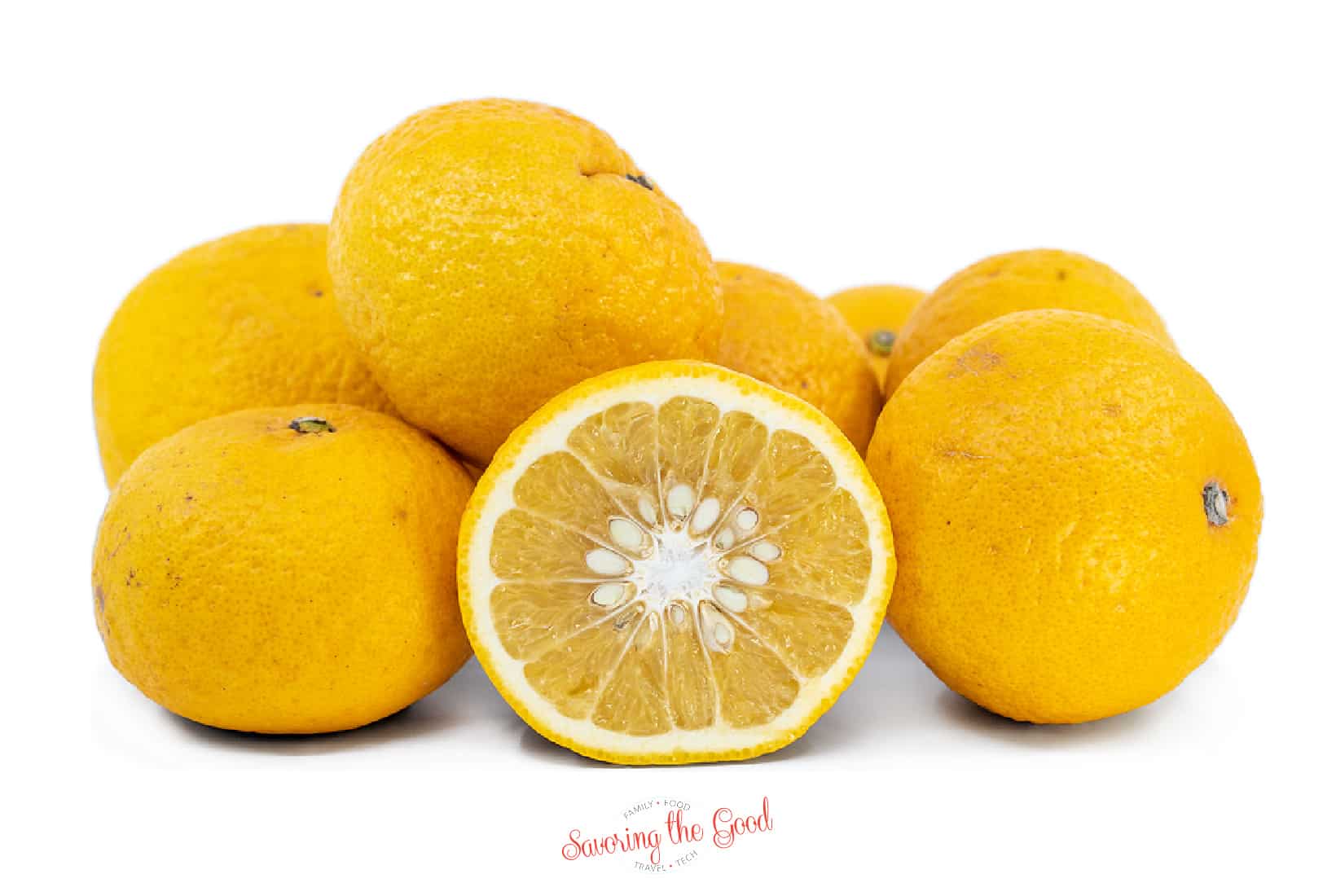
The Amanatsu Orange stands out due to its distinctive flavor and appearance, making it a sought-after citrus fruit in Japan and among citrus enthusiasts who appreciate its unique qualities.
- Appearance: medium to large in size and have a slightly flattened shape. They have a thick, rough, and bumpy skin that is bright orange in color.
- Origin: native to Japan and is primarily grown in the Kumamoto prefecture. It is also known as the "Japanese Summer Orange" due to its peak season during the summer months.
- Flavor: renowned for its distinct sweet and tangy flavor. They have a refreshing taste with a balanced acidity level, making them enjoyable to eat.
- Seedlessness: typically seedless or have very few seeds, which makes them convenient for eating and juicing.
- Usage: commonly consumed fresh as a snack or used in various culinary applications. They can be juiced, added to salads, used in desserts, or even utilized for making marmalades and jams.
- Harvest Season: harvested during the summer months, typically from July to September, when they reach their peak ripeness and flavor.
- Regional Availability: primarily found in Japan, particularly in the Kumamoto region. They are less commonly available in other parts of the world, but you might find them in specialty stores or markets that import unique citrus varieties.
Ambersweet Orange
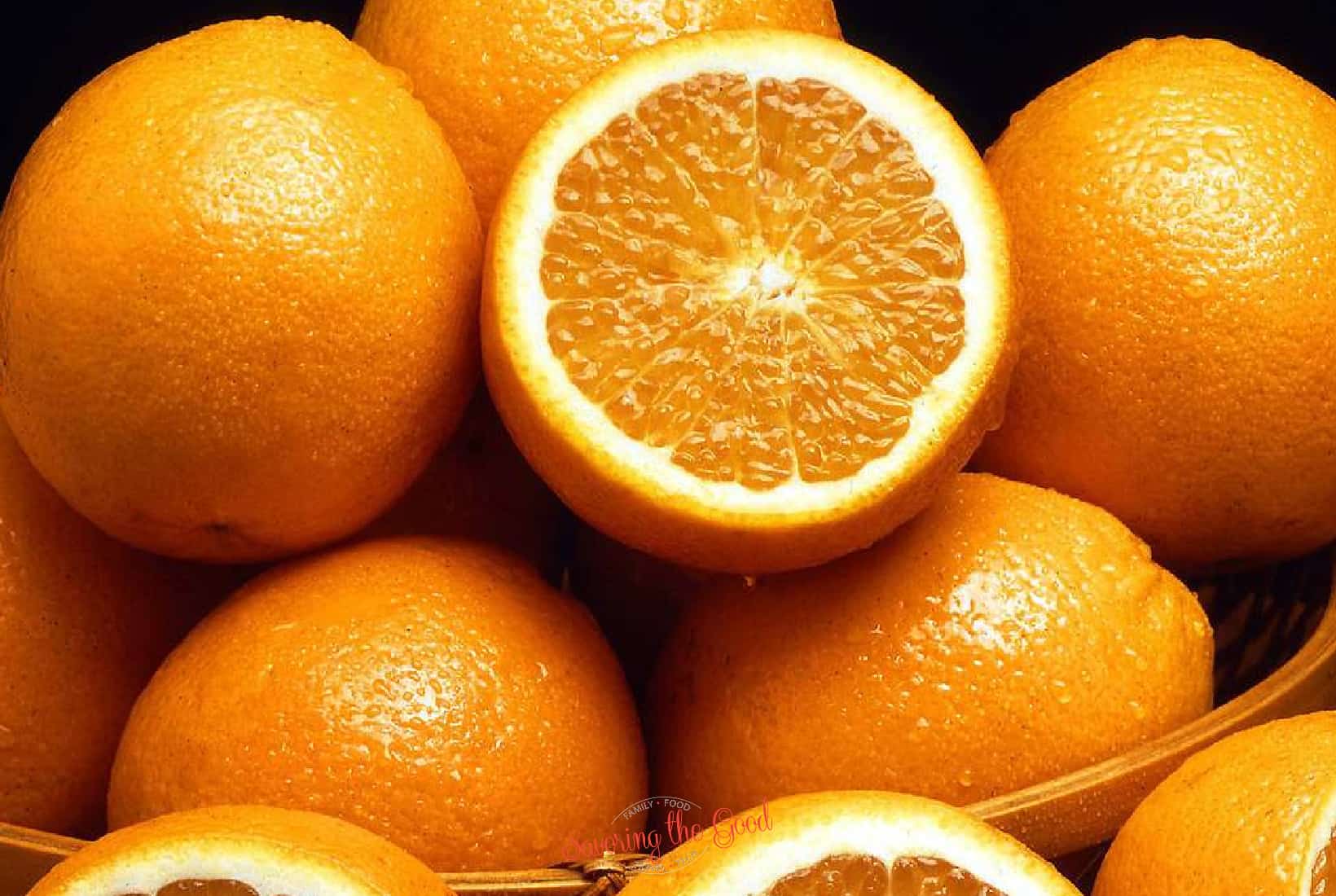
The Ambersweet Orange offers a delightful combination of sweetness and tang, making it a popular choice among citrus enthusiasts and those who enjoy the flavors of both oranges and tangerines. It's versatility and appealing taste make it a favored option for various culinary purposes.
- Appearance: medium to large in size and have a round to slightly oval shape. They have a smooth, bright orange peel that is relatively easy to remove.
- Origin: a hybrid citrus fruit that was developed in the United States. It is a cross between a sweet orange and a tangerine, combining the best qualities of both parent fruits.
- Flavor: known for its exceptionally sweet and flavorful taste. It has a rich, sugary flavor with hints of citrusy tang, reminiscent of both oranges and tangerines.
- Seedlessness: typically seedless or contain very few seeds, which adds to their overall appeal and convenience.
- Usage: highly versatile and can be enjoyed fresh, juiced, or used in various culinary applications. They are often consumed as a snack, squeezed for their juice, or incorporated into recipes for desserts, salads, sauces, and marinades.
- Harvest Season: typically harvested in the late fall to early winter months, making it available during that time. However, specific harvest periods may vary depending on the region.
- Regional Availability: primarily grown and available in the United States, particularly in states like Florida and Texas, where they are cultivated for commercial production. They may be more readily found in local markets and grocery stores within those regions.
Bergamot Orange
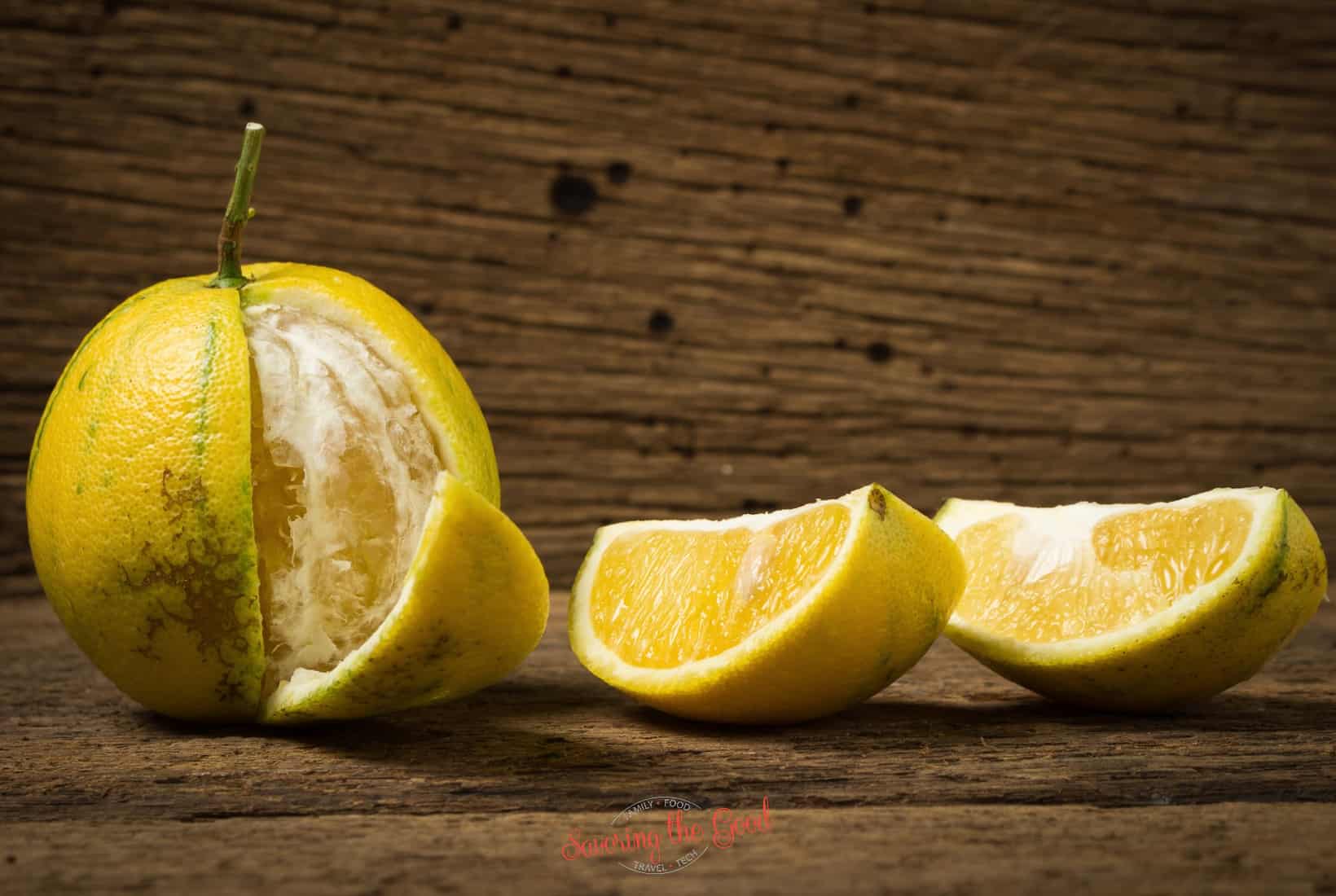
The Bergamot Orange's unique flavor and aromatic qualities make it highly sought after for its peel and essential oil. While it may not be commonly consumed as fresh fruit, it plays a significant role in the culinary and fragrance industries, particularly as a key ingredient in Earl Grey tea.
- Appearance: small citrus fruit, roughly the size of an orange. It has a round shape with a slightly flattened top and bottom. The skin is smooth, thin, and yellow or pale green in color.
- Origin: native to the Mediterranean region, particularly southern Italy. It is primarily cultivated in the coastal areas of Calabria and Sicily.
- Flavor: highly aromatic and citrusy, with a pronounced, slightly bitter and sour undertone. The flavor is often described as floral, fragrant, and tangy.
- Aromatic Peel: The peel of the Bergamot Orange is highly prized and extensively used for its strong, aromatic properties. It contains essential oils that are widely used in perfumes, aromatherapy, and the production of Earl Grey tea.
- Usage: zest and juice are used as flavorings in culinary applications. The peel is commonly employed to add fragrance and flavor to various recipes, including desserts, beverages, sauces, and confectionery.
- Earl Grey Tea: famous for their association with Earl Grey tea. The essential oil extracted from the peel is used to infuse the distinctive flavor into the tea, giving it a citrusy and floral note.
- Limited Availability: relatively limited availability compared to other citrus fruits. They are primarily grown in specific regions of Italy and are not as widely cultivated for commercial purposes as other varieties.
Bitter Orange
Bitter oranges, with their characteristic bitterness, play a significant role in culinary creations and the production of various products. While they may not be eaten fresh, their unique flavor and aromatic properties make them a valuable ingredient in both sweet and savory dishes.
- Appearance: also known as Seville oranges are medium-sized citrus fruits. They have a round shape with a slightly rough and dimpled skin. The color of the peel is bright orange when fully ripe.
- Flavor: As the name suggests, bitter oranges have a distinctly bitter taste. The flavor is sour and tart, with a sharp citrusy bite. The bitterness comes from compounds called limonoids and flavonoids present in the fruit.
- Usage: Bitter oranges are not typically consumed as fresh fruit due to their intense bitterness. However, they are widely used as the key ingredient in making marmalades, preserves, and traditional liqueurs such as Curaçao and Triple Sec.
- Cooking and Flavoring: valued for their high pectin content, which makes them ideal for setting jams and jellies. The juice and zest are often used to add a tangy and bitter flavor to savory dishes, sauces, marinades, and dressings.
- Essential Oil: derived from the peel, is used in perfumery and as a flavoring agent. It has a strong, citrusy aroma and is employed in creating colognes, fragrances, and aromatherapy blends.
- Medicinal Uses: The peel and juice have been employed for digestive issues, as well as in herbal remedies and traditional practices.
- Seville Orange Festival: The bitterness of Seville oranges is celebrated in the annual Seville Orange Festival in Spain, where they are used to make marmalades and other citrus products.
- Citrus Aurantium: belonging to the species Citrus aurantium, which also includes other varieties like sweet oranges and bergamot oranges. The different varieties within this species have distinct flavor profiles and culinary uses.
Blood Orange

Blood oranges are prized for their unique appearance, flavor, and versatility in the culinary world. Their rich red flesh and distinct taste make them a sought-after citrus fruit, particularly during the winter season.
- Appearance: medium-sized citrus fruits similar in size to regular oranges. What sets them apart is their distinctive deep crimson or reddish-orange flesh, which can range from streaks of red to almost entirely red. The skin of blood oranges is usually orange but may have reddish blushes.
- Origin: believed to have originated in the Mediterranean region, specifically in Sicily, Italy. They are also grown in other citrus-growing regions around the world, including the United States, Spain, and Morocco.
- PUMPKIN PIE DIP: have a unique flavor profile that is often described as sweet and tart with hints of berry-like undertones. Some varieties may exhibit a slightly bitter or citrusy flavor. The characteristic red pigmentation can also contribute to a subtly floral or raspberry-like aroma.
- Anthocyanins: The vibrant red color of blood oranges comes from the presence of anthocyanin pigments, which are natural antioxidants found in certain fruits and vegetables. The intensity of the red color can vary depending on the variety and ripeness of the fruit.
- Culinary Uses: often eaten fresh, juiced, or used in a variety of recipes ranging from salads, desserts, cocktails, and even savory dishes. The visually appealing color of blood oranges adds an extra dimension to culinary presentations.
- Season: limited seasonal availability during the winter months, usually from December to April. The peak harvest time may vary depending on the region and specific variety.
- Varieties: There are several popular varieties of blood oranges, including the Tarocco, Moro, and Sanguinello. Each variety may have slightly different characteristics in terms of flavor, sweetness, and intensity of red pigmentation.
Calamondin Orange

Calamondin oranges offer a unique flavor profile and have cultural significance in Southeast Asian cuisine. Their small size, tangy taste, and ornamental value make them a distinctive citrus fruit enjoyed both for culinary purposes and as decorative plants.
- Appearance: roughly the size of a golf ball. They have a round shape and a thin, smooth, glossy orange skin. The skin is edible and adds a burst of citrus flavor.
- Origin: also known as Calamansi, are believed to have originated in Southeast Asia, particularly in the Philippines. They are widely cultivated in the region and have spread to other tropical areas around the world.
- Flavor: unique flavor that combines sourness, tartness, and sweetness. The taste is often described as a cross between a lime and a tangerine. The juice has a refreshing tanginess with a hint of floral notes.
- Usage: juice is commonly used as a souring agent in Filipino cuisine and as a flavoring ingredient in sauces, marinades, dressings, and beverages. The fruit can be eaten whole or used as a garnish in dishes.
- Ornamental Plant: grown as ornamental plants due to their attractive appearance. They have dense foliage and small, fragrant white flowers, which make them popular as potted plants or for landscaping purposes.
- High Acid Content: have a relatively high acid content, which makes them suitable for making marmalades, preserves, and jams. The tartness of the fruit adds a pleasant tangy flavor to these preparations.
- Medicinal and Folklore Uses: In traditional medicine, they have been used for their potential benefits. They are believed to have digestive and antimicrobial properties. Additionally, the fruit has been used in folklore and traditional practices for various purposes.
- Versatility: valued for their versatility and adaptability. They can be grown in containers or in the ground, making them suitable for home gardens and urban environments.
Cara Cara Orange
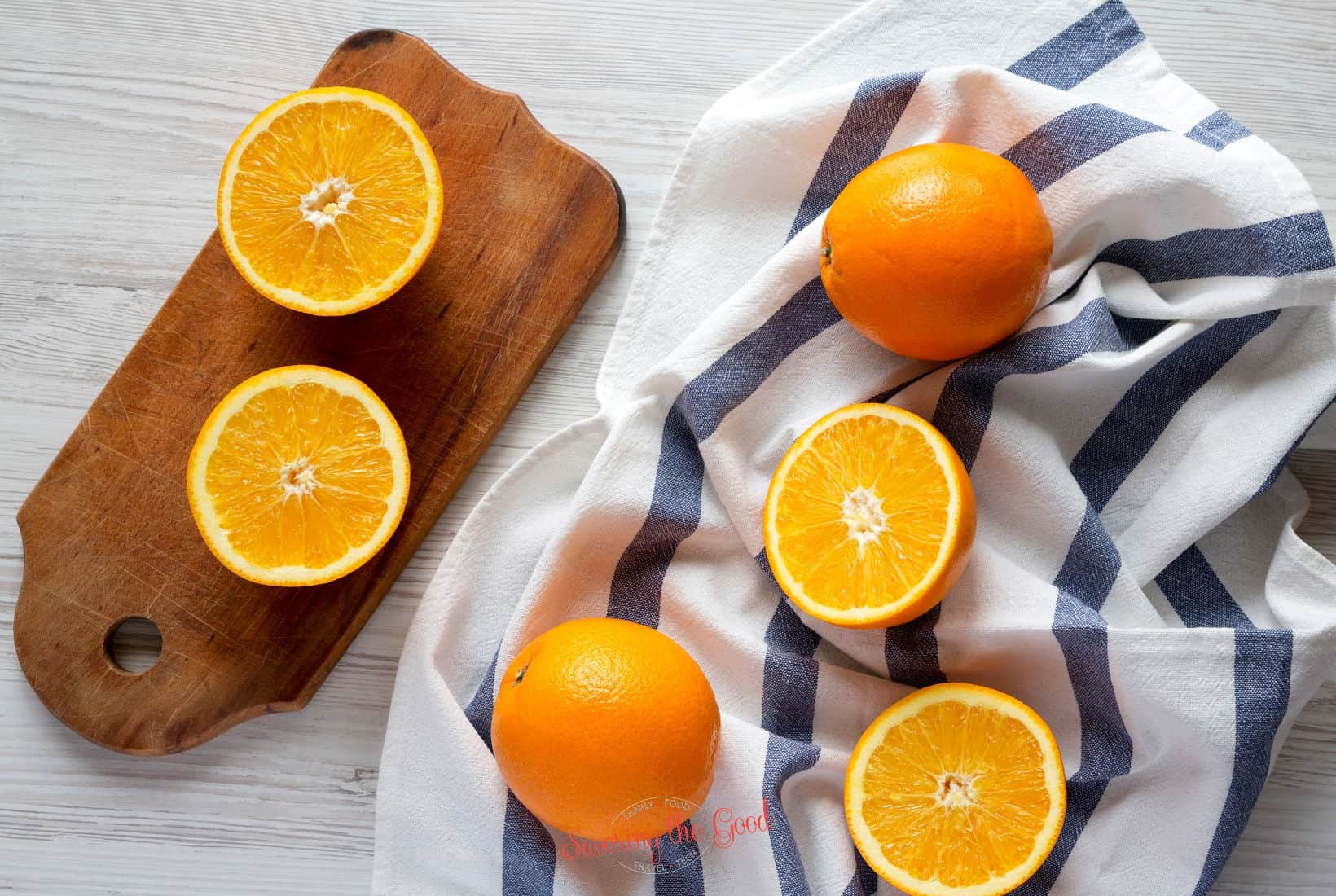
Cara Cara oranges have gained popularity for their unique flavor and appealing appearance. The combination of their sweet taste, low acidity, and vibrant pink flesh makes them a favorite choice for both culinary and visual appeal.
- Appearance: medium-sized citrus fruits similar in size to regular oranges. They have a round shape and a smooth, bright orange peel that is easy to remove. The flesh is distinctively pink or reddish, often described as salmon-colored.
- Origin: Cara Cara oranges are a natural mutation of the Washington navel orange. They were discovered in Venezuela in the 1970s and have since gained popularity in various citrus-growing regions, including California and Florida in the United States.
- Flavor: Cara Cara oranges have a sweet, mildly acidic taste with subtle hints of cherry, cranberry, and raspberry flavors. They are generally sweeter and less acidic than traditional navel oranges, making them a favorite among citrus enthusiasts.
- Versatility: They can be enjoyed fresh as a snack or used in a variety of culinary applications. The sweet and tangy flavor of the fruit makes it suitable for salads, desserts, fruit compotes, smoothies, and even savory dishes.
- Juice and Garnish: The bright pink juice of Cara Cara oranges adds vibrant color and a refreshing taste to beverages. It is often used in cocktails, mocktails, and fruit juices. The attractive pink hue also makes them a visually appealing garnish for various dishes.
- Season: typically available during the winter months, from December to April. The peak harvest time may vary depending on the region and specific growing conditions.
- Other Names: Cara Cara oranges are also known by other names, including "Red Navel" or "Pink Navel" oranges, due to their distinctive color and resemblance to traditional navel oranges.
Caracara Pink Orange
See Cara Cara Orange. The correct name for Caracar Pink Orange is Cara Cara.
Clementina de Nules
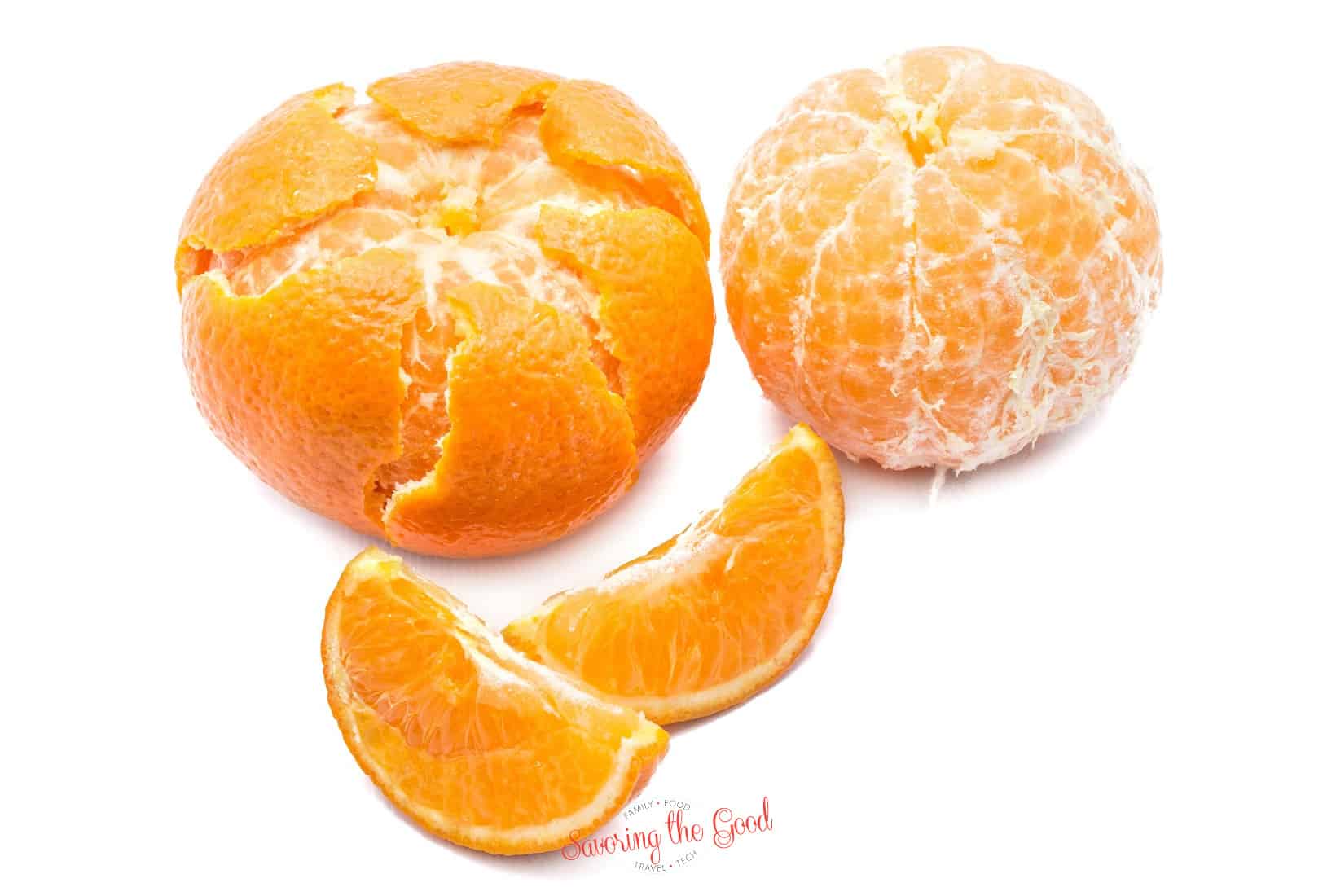
Clementina de Nules oranges are valued for their sweet flavor, aromatic qualities, and ease of consumption. They are a popular choice for enjoying fresh as a snack or incorporating into various culinary preparations.
- Origin: Clementina de Nules is a variety of Clementine orange that is named after the town of Nules in the province of Castellón, Spain. It was first cultivated in the mid-20th century in the region.
- Appearance: small to medium-sized citrus fruits. They have a round shape with a smooth, bright orange peel that is easy to peel or segment. The segments are juicy and seedless.
- Flavor: sweet and tangy flavor with a balanced acidity. They are known for their aromatic qualities and have a pleasant fragrance. The flesh is tender and juicy.
- Season: typically harvested in the winter months, from December to February. This is when they are at their peak in terms of flavor and juiciness.
- Culinary Uses: popular for fresh consumption due to their sweet and juicy characteristics. They can be eaten as a snack, used in salads, desserts, or squeezed for juice. The easy-to-peel nature of the fruit makes it convenient for on-the-go snacking.
- Seedless: One of the advantages of Clementina de Nules oranges is that they are typically seedless or have very few seeds. This makes them easy to eat and enjoy without the need for removing seeds.
- Storage: Clementina de Nules oranges should be stored in a cool, dry place away from direct sunlight. They can also be refrigerated to prolong their freshness.
Clementina Fina
Clementina Fina oranges are appreciated for their small size, sweet flavor, and easy peeling. They are a delightful citrus fruit option, particularly during the winter season, and can be enjoyed fresh or used in various culinary preparations.
- Origin: Clementina Fina is a variety of Clementine orange that originated in Spain. It is known for its small size and sweet flavor.
- Appearance: small to medium-sized citrus fruits. They have a round shape with a smooth, bright orange peel that is easy to peel. The flesh is typically juicy and seedless.
- Flavor: known for its exceptionally sweet flavor. They have a delicate and refreshing taste with a good balance of sweetness and acidity. The flesh is tender and often described as juicy.
- Season: typically harvested in the winter months, from November to January. This is when they are at their peak in terms of flavor and sweetness.
- Culinary Uses: popular for fresh consumption due to their small size, easy-to-peel nature, and sweet taste. They can be eaten as a snack, added to fruit salads, or used in desserts and baked goods. The juice of Clementina Fina oranges can also be used in beverages or as a flavoring in recipes.
- Seedless: One of the desirable qualities of Clementina Fina oranges is that they are typically seedless or have very few seeds. This makes them convenient to eat and enjoy without the need for removing seeds.
- Storage: Clementina Fina oranges should be stored in a cool, dry place away from direct sunlight. They can also be refrigerated to prolong their freshness.
Clementines
Clementines are beloved for their small size, easy peelability, and sweet flavor. They are a popular citrus fruit choice during the winter season and are enjoyed by people of all ages.
- Origin: a hybrid citrus fruit that is believed to be a cross between a mandarin orange and a sweet orange. They are believed to have originated in Algeria in the early 20th century. The name "Clementine" is derived from the French missionary, Father Clement Rodier, who is credited with discovering the fruit.
- Appearance: Clementines are small, round citrus fruits. They have a smooth, thin, and glossy orange peel that is easy to peel by hand. The flesh of Clementines is typically deep orange, juicy, and segmented.
- Flavor: known for their sweet and tangy flavor. They have a refreshing taste with a good balance of sweetness and acidity. The flesh is tender and aromatic, often described as juicy and bursting with flavor.
- Season: typically in season during the winter months, from November to January. However, they can sometimes be found in stores as early as October and as late as February, depending on the region.
- Culinary Uses: popular for their convenient size, easy-to-peel nature, and sweet flavor. They are often enjoyed as a snack on their own or added to fruit salads. Clementines can also be used in various culinary preparations, including desserts, smoothies, juices, and baked goods.
- Seedless Varieties: Many commercially available Clementines are seedless or have very few seeds, which adds to their appeal and convenience.
- Storage: store in a cool, dry place away from direct sunlight. They can also be refrigerated to prolong their freshness.
Dancy Tangerine
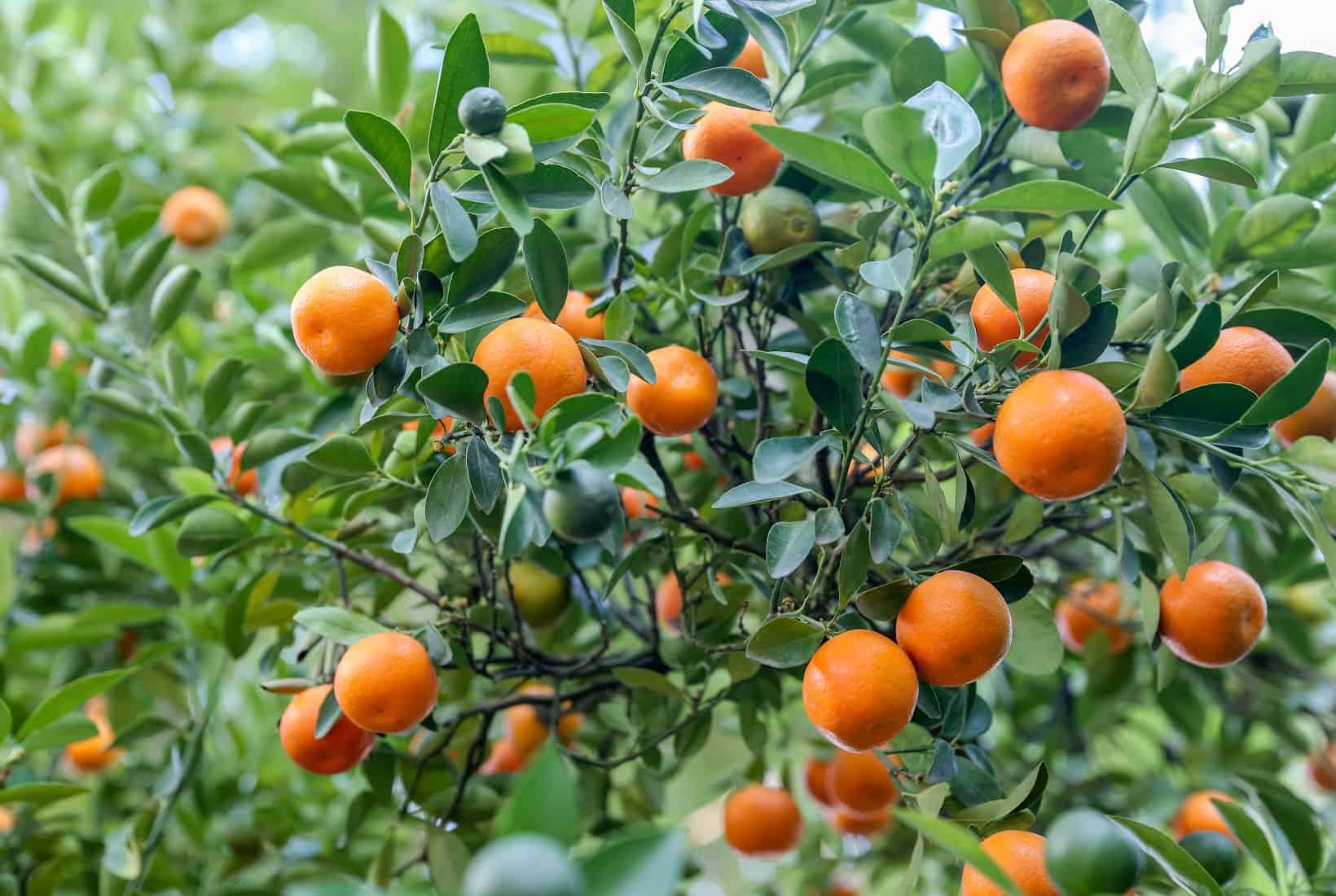
Dancy Tangerines are appreciated for their delicious flavor, ease of peeling, and aromatic qualities. They offer a delightful citrus experience and are a seasonal treat during the winter months.
- Origin: also known as the Dancy Mandarín or Dancy Mandarin, is a variety of mandarin orange that originated in Tangier, Morocco. It was introduced to the United States in the mid-19th century.
- Appearance: small to medium-sized citrus fruits. They have a slightly flattened shape and a thin, smooth, and easily peelable skin. The skin is deep orange in color.
- Flavor: known for their rich, sweet, and tangy flavor. They have a strong citrus aroma and a juicy, tender flesh. The segments are easy to separate and are typically seedless or have very few seeds.
- Season: typically harvested in the winter months, from December to January. This is when they are at their peak in terms of flavor and sweetness.
- Culinary Uses: often enjoyed fresh as a snack due to their sweet and tangy flavor. They can also be used in salads, desserts, and as a flavoring in beverages. The juice of Dancy Tangerines is refreshing and can be used in various culinary applications.
- Ornamental Value: Dancy Tangerine trees are valued not only for their fruit but also for their ornamental value. The trees have glossy green leaves, fragrant white flowers, and can be grown as potted plants or used for landscaping purposes.
- Limited Availability: Dancy Tangerines are less commonly found in commercial markets compared to other citrus varieties. They are more commonly grown in home gardens or small-scale orchards.
Hamlin Orange

Hamlin oranges are valued for their sweet flavor, juiciness, and versatility. They are a popular choice for both fresh consumption and juice production, particularly in Florida.
- Origin: also known as Hamlin sweet orange, is a variety of citrus fruit that originated in Florida, United States. It was named after H.H. Hamlin, who played a significant role in its development and promotion.
- Appearance: medium-sized citrus fruits with a round to slightly oblate shape. They have a thin, bright orange peel that is relatively easy to peel or segment. The flesh is typically juicy and segmented.
- Flavor: known for their sweet and mildly acidic flavor. They have a well-balanced taste with a refreshing citrus aroma. The flesh is tender and juicy, making them enjoyable to eat.
- Season: typically harvested in Florida from October to January. They are one of the early-season orange varieties, and their availability may vary depending on the region.
- Culinary Uses: They can be enjoyed fresh as a snack or used in a variety of dishes. The sweet and tangy flavor of the fruit makes it suitable for salads, desserts, fruit juices, and even savory dishes.
- Juice: Hamlin oranges are commonly used for juice production due to their high juice content and pleasing flavor. Their juice is often used for orange juice blends or enjoyed on its own.
- Cold Tolerance: One of the notable characteristics of Hamlin oranges is their tolerance to colder temperatures compared to other orange varieties. This makes them suitable for cultivation in regions with cooler climates.
- Commercial Importance: Hamlin oranges are commercially important in Florida, particularly for the juice industry. They are widely grown in the state and contribute to the citrus industry's economic value.
Honey Mandarin

Honey Mandarins are cherished for their exceptionally sweet flavor, juicy flesh, and aromatic qualities. They offer a delightful citrus experience and are a seasonal treat during the late winter and early spring months.
- Origin: The Honey Mandarin, also known as the Honey Tangerine or Murcott, is a citrus fruit that is believed to be a cross between a tangerine and a sweet orange. It is thought to have originated in Tangier, Morocco.
- Appearance: medium-sized citrus fruits. They have a slightly flattened shape and a thin, smooth, and easily peelable skin. The skin is deep orange in color and may have a pebbled texture.
- Flavor: known for its exceptionally sweet and honey-like flavor, which gives them its name. They have a rich, fragrant taste with a good balance of sweetness and acidity. The flesh is tender, juicy, and typically seedless.
- Season: typically harvested in the late winter and early spring months, from January to April. This is when they are at their peak in terms of flavor and sweetness.
- Culinary Uses: enjoyed fresh as a snack due to their delightful flavor and easy-to-peel nature. They can also be used in salads, desserts, smoothies, and as a flavoring in beverages. The juice of Honey Mandarins is sweet and can be enjoyed on its own or used in various recipes.
- Availability: popular in many citrus-growing regions, including the United States, Spain, and Morocco. They can often be found in supermarkets and specialty fruit markets during their harvest season.
- Fragrance: known for their aromatic qualities. They have a pleasing, sweet fragrance that adds to the overall sensory experience when enjoying the fruit.
Jaffa Orange

Jaffa Oranges are appreciated for their sweet flavor, juicy flesh, and historical significance. They offer a delicious taste and are a recognized symbol of high-quality citrus.
- Origin: also known as the Shamouti Orange, is a variety of sweet orange that originated in the city of Jaffa (now part of Tel Aviv), Israel. It gained international recognition and became synonymous with Israeli citrus.
- Appearance: medium to large-sized citrus fruits. They have a round shape with a slightly rough, thick, and bright orange peel. The peel is often easy to remove, revealing the juicy segments inside.
- Flavor: known for their deliciously sweet and tangy flavor. They have a refreshing taste with a good balance of sweetness and acidity. The flesh is tender, juicy, and typically seedless.
- Season: typically harvested from November to March. They are associated with the winter season and are known for their availability during this time.
- Historical Significance: Jaffa Oranges have a rich history and were historically one of the main citrus exports from the region. They gained popularity in Europe and other parts of the world due to their superior taste and quality.
- Culinary Uses: commonly enjoyed fresh as a snack due to their sweet and juicy characteristics. They can also be used in salads, desserts, fruit juices, and various culinary applications. The juice of Jaffa Oranges is flavorful and can be used as a refreshing beverage.
- Global Reputation: Jaffa Oranges have become a symbol of high-quality citrus fruits. The term "Jaffa" is often used to refer to oranges of superior taste and origin.
- Cultural Significance: Jaffa Oranges have cultural significance in the region, representing a part of the heritage and agricultural history of Israel. They have also been associated with the development of the Israeli citrus industry.
Kishu Mandarin
Kishu Mandarins are cherished for their small size, intense sweetness, and delightful flavor. They offer a unique citrus experience and are sought after for their gourmet quality.
- Origin: also known as Kishu Mikan or Kishu Orange, is a small citrus fruit that originated in Kishu, a region in Wakayama Prefecture, Japan.
- Appearance: small-sized citrus fruits, usually smaller than a golf ball. They have a round shape with a smooth, thin, and bright orange peel. The skin is tightly adhered to the flesh, making it easy to peel by hand.
- Flavor: known for their intense sweetness and well-balanced flavor. They have a rich citrus aroma and a juicy, tender flesh. The flavor is often described as exceptionally sweet with hints of tartness.
- Seedless: typically seedless or contain very few seeds, which adds to their appeal and ease of consumption.
- Season: typically harvested from November to January. They are associated with the winter season and are a popular fruit during that time.
- Culinary Uses: often enjoyed fresh as a snack due to their small size and sweet flavor. They are also used in culinary applications such as salads, and desserts, and as a garnish for various dishes. The juice of Kishu Mandarins is flavorful and can be used in beverages or as a flavoring in recipes.
- Popularity: highly regarded for their exceptional taste and are considered a gourmet fruit. They have gained popularity not only in Japan but also in other countries where they are available.
- Regional Speciality: a specialty fruit from the Kishu region in Japan. The region's favorable climate and growing conditions contribute to the fruit's exceptional quality and flavor.
Kiyomi Orange
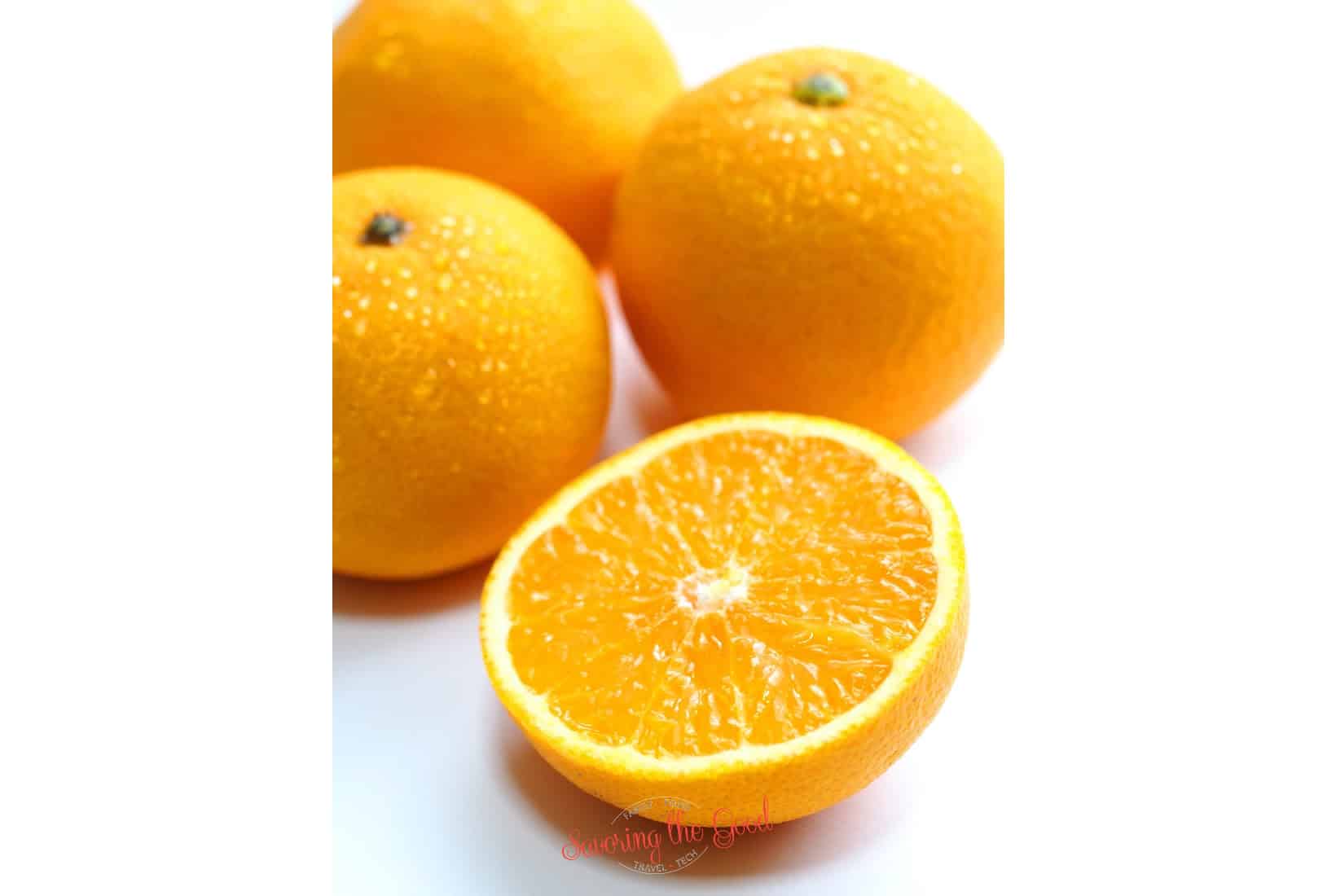
Kiyomi Oranges are appreciated for their sweet flavor, juicy flesh, and attractive appearance. They offer a delightful citrus experience and are a sought-after fruit during the winter months in Japan.
- Origin: a citrus fruit that is a hybrid between a Kishu Mandarin and a Sweet Orange. It was developed in Japan and is named after the city of Kiyomi in the Ehime Prefecture.
- Appearance: medium-sized citrus fruits. They have a round to slightly oblate shape with a smooth, thin, and bright orange peel. The peel is relatively easy to remove, revealing the juicy segments inside.
- Flavor: known for their sweet and tangy flavor. They have a refreshing taste with a good balance of sweetness and acidity. The flesh is tender, juicy, and typically seedless.
- Season: typically harvested from January to March. They are associated with the winter season and are known for their availability during this time.
- Culinary Uses: commonly enjoyed fresh as a snack due to their sweet and juicy characteristics. They can also be used in salads, desserts, fruit juices, and various culinary applications. The juice of Kiyomi Oranges is flavorful and can be used as a refreshing beverage.
- Popularity: popular in Japan and have gained recognition for their pleasant taste and attractive appearance. They are valued for their quality and are often given as gifts during the winter season.
- Regional Specialty: closely associated with the Ehime Prefecture in Japan, where they are grown. The region's climate and growing conditions contribute to the fruit's flavor and quality.
Kumquat Orange

Kumquats are unique citrus fruits that offer a delightful combination of sweet and sour flavors. Their small size, edible peel, and tangy taste make them a popular choice for various culinary uses.
- Appearance: small, oval-shaped citrus fruits that resemble miniature oranges. They have a thin, edible peel that is bright orange in color. The peel is sweet, and the fruit is typically consumed whole, including the peel.
- Flavor: Kumquats have a distinctive flavor profile. The peel is sweet and provides a burst of flavor, while the flesh has a tangy and tart taste. The combination of sweet and sour flavors makes kumquats quite refreshing.
- Varieties: There are several different varieties of kumquats, including the Nagami Kumquat, Marumi Kumquat, and Meiwa Kumquat. Nagami Kumquats are the most common variety, known for their oblong shape, while Marumi Kumquats are rounder and slightly sweeter. Meiwa Kumquats are larger and sweeter than the other varieties.
- Edible Peel: One unique aspect of kumquats is that the peel is sweet and can be eaten along with the flesh. The peel provides a burst of flavor and is often the sweetest part of the fruit.
- Culinary Uses: Kumquats can be enjoyed fresh as a snack or used in various culinary applications. They can be sliced and added to salads, used as a garnish, or used to make marmalades, jams, and chutneys. Kumquats are also popular as a candied fruit or used in baked goods and desserts.
- Season: Kumquats are typically harvested in the winter months, from December to March. They are often associated with the holiday season.
Lue Gim Gong Orange
While the Lue Gim Gong Orange may not be as widely available today as it was in the past, its historical significance and reputation for taste and cold hardiness make it an intriguing citrus variety in the context of citrus cultivation in Florida.
- Origin: The Lue Gim Gong Orange is named after Lue Gim Gong, a Chinese-American horticulturist and plant breeder. Lue Gim Gong worked in Florida during the late 19th and early 20th centuries and is known for developing citrus varieties adapted to the region's climate.
- Appearance: a type of Satsuma Mandarin, which is a smaller, seedless citrus fruit. It has a thin, easily removable, orange-colored peel. The fruit is typically round and may have a slightly flattened shape.
- Flavor: Lue Gim Gong Oranges are known for their sweet, juicy, and tangy flavor. They have a rich citrus aroma and are often considered one of the tastiest varieties of mandarins.
- Season: Satsuma Mandarins, including the Lue Gim Gong Orange, are typically harvested during the late fall and early winter months, usually from November to January.
- Cold Tolerance: Satsuma Mandarins, including the Lue Gim Gong Orange, are valued for their cold hardiness. They can withstand colder temperatures compared to many other citrus varieties, making them suitable for cultivation in regions with milder winters.
- Popularity: The Lue Gim Gong Orange gained popularity during its time and was highly regarded for its flavor and cold tolerance. It played a significant role in the development of the citrus industry in Florida.
- Historical Significance: The Lue Gim Gong Orange is notable for its connection to Lue Gim Gong, who contributed to the improvement of citrus varieties in Florida. His work helped establish the reputation of Florida citrus and its importance in the state's economy.
Maltese Blood Orange
Maltese Blood Oranges offer a delightful combination of sweet, tangy flavor and a visually stunning appearance. Their unique characteristics make them a prized citrus variety, both for their taste and their ability to add a pop of color to culinary creations.
- Origin: also known as Tarocco or Sanguinello, is a variety of blood orange that is believed to have originated in Sicily, Italy. It is highly regarded for its unique flavor and vibrant red flesh.
- Appearance: Maltese Blood Oranges are medium-sized citrus fruits. They have a round to slightly oval shape with a slightly rough, thick, and orange peel. However, what sets them apart is their striking deep red to burgundy-colored flesh, which is a result of the presence of anthocyanins.
- Flavor: known for their sweet and tangy flavor with berry-like undertones. They have a distinctive citrus taste, with a hint of raspberry or strawberry notes. The flesh is juicy and succulent.
- Season: typically harvested from December to March, although the exact timing can vary depending on the region. They are associated with the winter season and are known for their availability during this time.
- Culinary Uses: prized for their unique flavor and vibrant appearance. They are often enjoyed fresh as a snack or used in various culinary applications. Their juice is popular in cocktails, fruit salads, desserts, and as a colorful garnish. The deep red juice can also be used to add striking color to sauces and dressings.
- Popularity: highly regarded for their exceptional flavor and visual appeal. They are sought after by citrus enthusiasts and chefs for their unique characteristics and culinary versatility.
- Regional Specialty: Sicily, Italy, is known for producing high-quality Maltese Blood Oranges. The island's favorable climate, volcanic soil, and expertise in citrus cultivation contribute to the fruit's superior taste and quality.
Mandarin Orange
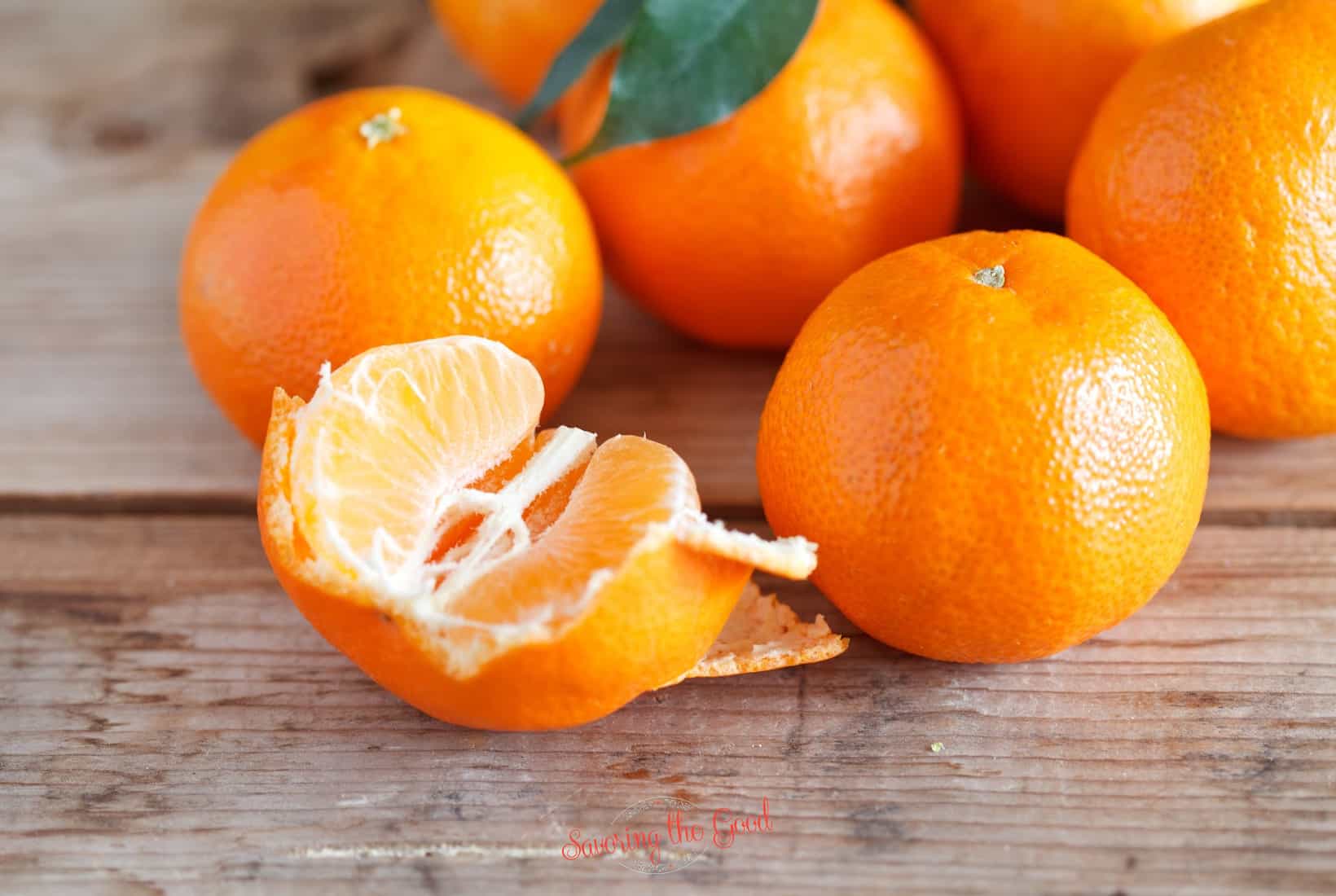
Mandarin oranges are loved for their sweet flavor, easy-to-peel segments, and bright citrus aroma. They are a refreshing and nutritious fruit that is widely appreciated around the world.
- Origin: Mandarin oranges are believed to have originated in China and Southeast Asia. They have a long history of cultivation and are widely grown in various parts of the world today.
- Appearance: typically small to medium-sized citrus fruits. They have a round shape with a slightly flattened top and bottom. The peel is thin, smooth, and relatively easy to remove. The color of the peel can vary, ranging from bright orange to deep orange-red.
- Flavor: known for their sweet and juicy flavor. They have a delightful balance of sweetness and acidity. The segments are easy to separate and eat individually, making them a convenient and refreshing snack.
- Varieties: There are several different varieties of mandarin oranges, including Clementines, Satsumas, Dancy, Honey Mandarin, and Kishu Mandarin, among others. Each variety has its own unique characteristics in terms of taste, size, and peel texture.
- Season: Mandarin oranges are typically in season during the winter months, from November to January. They are often associated with the holiday season and are a common fruit gift during that time.
- Culinary Uses: Mandarin oranges are not only enjoyed as a fresh snack but also used in various culinary applications. They can be used in salads, desserts, smoothies, fruit compotes, and as a flavoring in sauces and marinades. Mandarin orange juice is also popular and can be found in many commercial fruit juice blends.
Minneola Tangelo

Minneola tangelos offer a delightful combination of sweetness, tartness, and juiciness. Their distinct bell shape and vibrant flavor make them a popular choice among citrus lovers.
- Appearance: The Minneola tangelo is larger than a tangerine and has a distinctive bell-shaped form. It has a bright orange rind that is relatively easy to peel. The fruit has a prominent, knob-like neck at the stem end.
- Flavor: Minneola tangelos have a unique flavor that combines the sweetness of a tangerine with a tart and tangy undertone reminiscent of a grapefruit. The flavor is often described as refreshing and balanced, with a pleasant citrus aroma.
- Seed Content: Most Minneola tangelos are seedless or have very few seeds, making them easy to eat and enjoy.
- Juice Content: Minneola tangelos are known for their high juice content, which is sweet and flavorful. The juice can be used in various culinary applications or enjoyed on its own.
- Season: Minneola tangelos are typically harvested from December to February, although the exact timing can vary depending on the region. They are often associated with the winter season and are enjoyed as a fresh citrus treat during that time.
- Culinary Uses: Minneola tangelos can be eaten fresh as a snack or used in various culinary creations. They can be segmented and added to salads, used in desserts, juiced for beverages, or incorporated into marinades and sauces.
Moro Orange
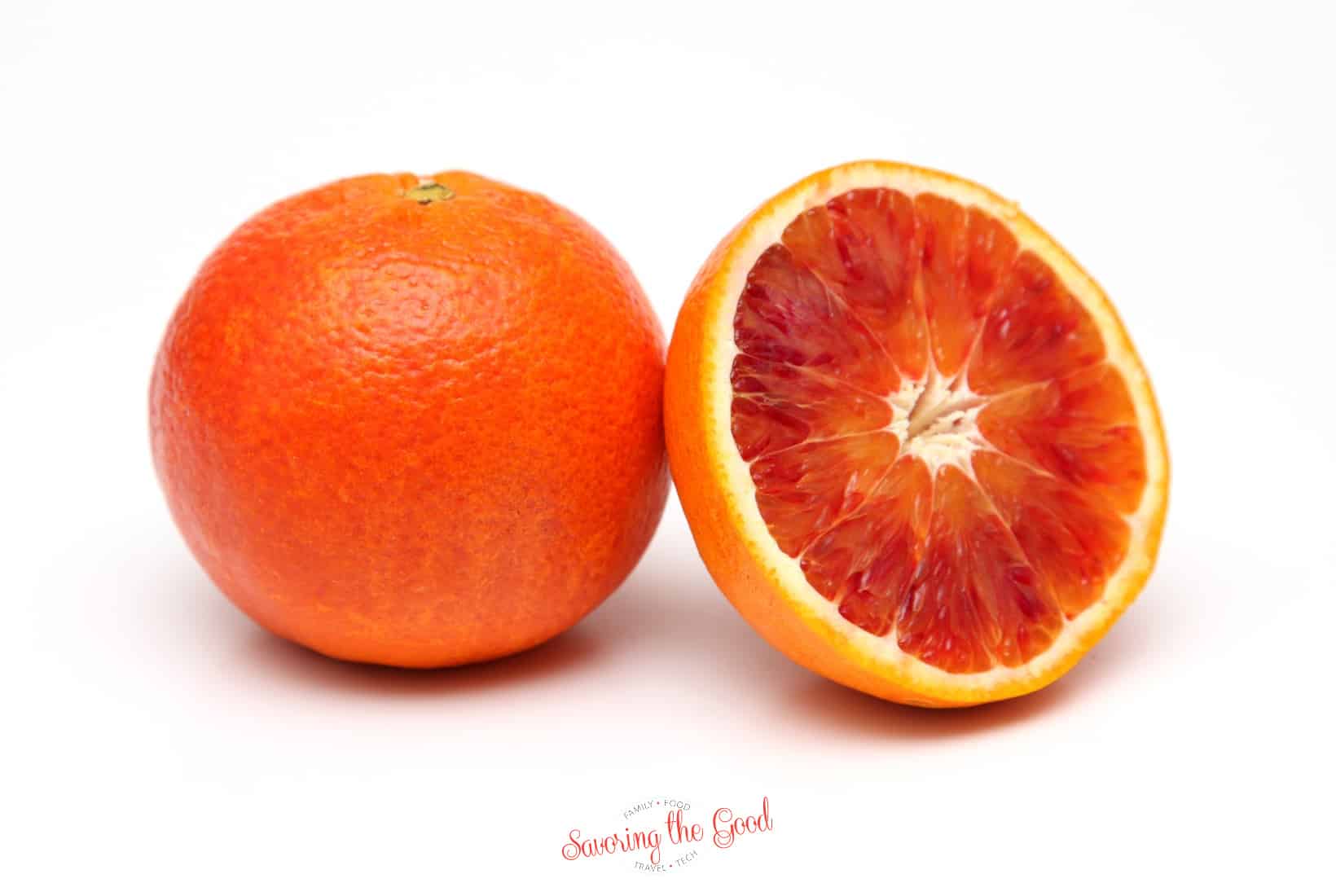
The Moro orange stands out for its deep red flesh, unique flavor, and potential benefits associated with its anthocyanin content. It is a favorite among citrus enthusiasts and is prized for its culinary versatility and striking appearance.
- Appearance: The Moro orange is medium-sized and has a round to slightly oval shape. The peel is typically orange, but what sets the Moro orange apart is its vibrant and deep red to burgundy-colored flesh. The intensity of the red color can vary depending on factors such as climate and growing conditions.
- Flavor: Moro oranges have a distinct flavor that is both sweet and tart. They have a rich, berry-like taste with a hint of raspberry or pomegranate. The flavor profile is often described as complex and slightly more intense compared to other orange varieties.
- Anthocyanins: The striking red color of the Moro orange's flesh is due to the presence of anthocyanins, a type of pigment that is also found in various berries. Anthocyanins are antioxidants that contribute to the fruit's unique appearance and potential benefits.
- Season: Moro oranges are typically harvested during the winter months, from December to February. They are known as a seasonal specialty and are often associated with the colder months.
- Culinary Uses: The Moro orange is not only enjoyed as a fresh and flavorful snack but also used in various culinary applications. Its deep red juice is highly sought after and is used in cocktails, fruit salads, desserts, and sauces. The vibrant color of the Moro orange flesh also makes it visually appealing as a garnish or ingredient in culinary creations.
- Regional Specialty: The Moro orange is primarily grown in regions with the right climate and conditions, including areas in Italy, Spain, and the United States (such as California and Florida). Sicily, Italy, is particularly known for producing high-quality Moro oranges.
Navel Orange

Navel oranges are a classic and widely recognized orange variety known for their sweetness, juiciness, and distinctive navel formation. They are a delightful choice for enjoying as a snack or incorporating into various culinary creations.
- Appearance: Navel oranges are medium to large-sized citrus fruits with a round to slightly oblate shape. The most distinctive feature of Navel oranges is the small, partially formed secondary fruit that protrudes from the blossom end, resembling a human navel. This formation gives the fruit its name.
- Flavor: Navel oranges have a sweet and slightly tangy flavor with a hint of acidity. They are known for their juicy and refreshing taste. The flesh is typically seedless, making them easy to enjoy.
- Peel and Color: The peel of Navel oranges is relatively thick and easy to remove. It is typically bright orange in color, though the shade can vary depending on factors such as climate and maturity.
- Season: Navel oranges are primarily harvested during the winter months, from December to April, depending on the region. They are a common sight in grocery stores and farmers' markets during the winter season.
- Culinary Uses: Navel oranges are delicious when eaten fresh as a snack. They can also be used in various culinary applications, including salads, desserts, juices, smoothies, and as a flavoring in sauces and marinades. The segments can be easily separated and used in recipes.
- Popularity: Navel oranges are widely loved for their sweet flavor, easy-to-peel nature, and seedless flesh. They are one of the most popular orange varieties worldwide.
Ortanique Orange
The Ortanique orange offers a delightful combination of sweetness, tanginess, and juiciness. It is a unique hybrid citrus fruit that is highly appreciated for its flavor and versatility in culinary applications.
- Origin: The Ortanique orange was developed in Jamaica in the early 20th century. It was created by crossing a tangerine (specifically, a Clementine variety) with a sweet orange (either a Valencia or a Parson Brown orange).
- Appearance: Ortanique oranges are medium-sized citrus fruits with a round to slightly oblate shape. They have a smooth and relatively thin orange rind that is easy to peel.
- Flavor: Ortanique oranges have a sweet and tangy flavor that combines the sweetness of an orange with the slight tartness of a tangerine. They are known for their balanced and refreshing taste.
- Seed Content: Most Ortanique oranges are seedless or have very few seeds, making them easy to eat and enjoy.
- Juice Content: Ortanique oranges have a high juice content, which is both sweet and flavorful. The juice is commonly used in beverages, including juices, cocktails, and smoothies.
- Season: Ortanique oranges are typically harvested from late winter to early spring, depending on the specific region. They are associated with the peak citrus season and are often available from January to April.
- Culinary Uses: Ortanique oranges can be enjoyed fresh by segmenting the fruit and eating it as a snack. They can also be used in various culinary applications, such as salads, desserts, marmalade, and as a flavoring in sauces and marinades.
Orlando Tangelo
The Orlando tangelo offers a delightful combination of sweetness, tanginess, and juiciness. It is a versatile citrus fruit that inherits desirable traits from both grapefruit and tangerine parents.
- Appearance: Orlando tangelos are medium to large-sized citrus fruits with a round to slightly oblate shape. They have a smooth and relatively thin orange rind that is easy to peel. The fruit may have a slightly bumpy texture on the skin.
- Flavor: Orlando tangelos have a sweet and tangy flavor with a pleasant balance of sweetness and acidity. They inherit some of the grapefruit's characteristic tanginess but are typically milder and sweeter. The taste is refreshing and citrusy.
- Seed Content: Orlando tangelos are often seedless or have very few seeds, making them convenient to eat and enjoy.
- Juice Content: Orlando tangelos have a good amount of juice, which is sweet and flavorful. The juice is commonly used in beverages, including fresh juices, smoothies, and citrus-based cocktails.
- Season: Orlando tangelos are typically harvested during the winter months, from December to February, depending on the region. They are associated with the peak citrus season and are often available during that time.
- Culinary Uses: Orlando tangelos can be enjoyed fresh by peeling and eating the segments as a snack. They can also be used in various culinary applications, such as adding them to salads, desserts, fruit bowls, and marmalades. The juice can be squeezed and used in cooking or as a refreshing beverage.
Page Mandarin
Page mandarins offer a delightful combination of sweetness, tanginess, and juiciness. They are a popular choice for those who enjoy the flavors of tangerines and grapefruits combined into one fruit.
- Appearance: Page mandarins are small to medium-sized citrus fruits with a round shape. They have a smooth and thin orange rind that is relatively easy to peel. The fruit may have a slightly bumpy texture on the skin.
- Flavor: Page mandarins have a sweet and tangy flavor that is similar to a tangerine but with a hint of grapefruit-like tartness. The taste is often described as refreshing and balanced.
- Seed Content: Most Page mandarins are seedless or have very few seeds, making them easy to eat and enjoy.
- Juice Content: Page mandarins have a moderate juice content, which is sweet and flavorful. The juice can be used in various culinary applications or enjoyed on its own.
- Season: Page mandarins are typically harvested during the winter months, from December to February, depending on the region. They are associated with the peak citrus season and are often available during that time.
- Culinary Uses: Page mandarins can be enjoyed fresh as a snack by peeling and eating the segments. They can also be used in various culinary creations, including salads, desserts, marmalade, and as a flavoring in sauces and marinades.
Parson Brown Oranges
Parson Brown oranges are a well-known and widely enjoyed variety of sweet orange. They are cherished for their sweet flavor, juiciness, and versatility in culinary uses.
- Origin: Parson Brown oranges were first discovered in Florida, United States, in the 19th century. The exact origin and parentage of the variety are unclear, but it is believed to be a chance seedling.
- Appearance: Parson Brown oranges are medium-sized citrus fruits with a round to slightly oval shape. They have a smooth and relatively thick orange rind that is easy to peel. The color of the rind can vary from light to deep orange.
- Flavor: Parson Brown oranges have a sweet and juicy flavor with a balanced level of acidity. They are known for their classic, rich orange flavor.
- Seed Content: Parson Brown oranges can contain a varying number of seeds, ranging from few to many, depending on the specific fruit and growing conditions.
- Juice Content: Parson Brown oranges have a good amount of juice, which is sweet and flavorful. The juice is commonly used for fresh consumption, as well as in beverages, cooking, and baking.
- Season: Parson Brown oranges are typically harvested during the winter months, from December to February, depending on the region. They are associated with the peak citrus season and are often available during that time.
- Culinary Uses: Parson Brown oranges are versatile fruits that can be enjoyed fresh by peeling and eating the segments. They can also be used in various culinary applications, including salads, desserts, juices, and as a flavoring in sauces and marinades.
Pineapple Orange
Pineapple oranges are a delightful variety of sweet orange that offers a unique flavor experience. Their tropical and tangy taste reminiscent of pineapples makes them a favorite for those seeking a distinct citrus experience.
- Appearance: Pineapple oranges are medium-sized citrus fruits with a round to slightly oblate shape. They have a smooth and relatively thin orange rind that is easy to peel. The color of the rind can vary from light to deep orange.
- Flavor: Pineapple oranges are named for their distinct flavor that resembles the taste of pineapple. They have a sweet and tangy flavor with tropical notes. The combination of sweetness and pineapple-like tanginess sets them apart from other orange varieties.
- Seed Content: Pineapple oranges can be seedless or have a few seeds, depending on the specific fruit and growing conditions.
- Juice Content: Pineapple oranges have a good amount of juice, which is sweet and flavorful. The juice can be enjoyed on its own or used in various culinary applications, such as in beverages, dressings, and marinades.
- Season: Pineapple oranges are typically harvested during the winter months, from December to February, depending on the region. They are associated with the peak citrus season and are often available during that time.
- Culinary Uses: Pineapple oranges are delicious when eaten fresh by peeling and enjoying the segments. They can also be used in salads, desserts, and as a flavoring in various recipes that call for the unique pineapple-like taste.
Pixie Mandarin
Pixie mandarins are prized for their sweet and vibrant flavor, small size, and easy-to-peel nature. They are a delightful citrus fruit that brings a burst of sweetness to your taste buds.
- Size and Appearance: Pixie mandarins are relatively small compared to other citrus fruits, typically about the size of a golf ball. They have a flattened shape and a smooth, thin, and bright orange rind. The rind is easy to peel, making them convenient to eat.
- Flavor: Pixie mandarins are known for their exceptionally sweet flavor. They have a rich, aromatic, and slightly tart taste that is characteristic of mandarin oranges. The flesh is juicy and often seedless.
- Season: Pixie mandarins are primarily harvested in the late fall and winter months, usually from November to February. They are associated with the peak citrus season and are often available during that time.
- Origin: The Pixie mandarin was developed in California, United States. It is a result of a cross between the Kincy mandarin and the Dancy tangerine, created by the University of California, Riverside.
- Culinary Uses: Pixie mandarins are delicious when eaten fresh as a snack or added to salads and fruit bowls. Their small size makes them great for lunch boxes or on-the-go snacks. They can also be used in various recipes, such as desserts, smoothies, and baked goods.
Sanguinello Orange
Sanguinello oranges are highly regarded for their distinctive red flesh, sweet-tart flavor, and culinary versatility. They add a touch of visual appeal and a unique taste to various dishes and beverages.
- Appearance: Sanguinello oranges are medium-sized citrus fruits with a round to slightly oval shape. They have a distinctive deep red to burgundy-colored flesh, which sets them apart from other orange varieties. The peel is usually orange with some reddish blush.
- Flavor: Sanguinello oranges are known for their rich and complex flavor. They have a sweet and tart taste with hints of raspberry or berry-like undertones. The flavor profile is often more intense and sweeter than regular oranges.
- Juice Content: Sanguinello oranges have a good juice content, and their deep red color gives the juice a vibrant appearance. The juice is often used in culinary applications and is popular in various beverages, including cocktails and freshly squeezed juices.
- Season: Sanguinello oranges are typically harvested in the winter months, starting from late December through February, depending on the region. They are part of the blood orange season and are associated with that period.
- Culinary Uses: Sanguinello oranges are versatile fruits that can be enjoyed fresh by peeling and eating the segments. Their striking appearance and unique flavor make them a popular choice for garnishing salads, desserts, and savory dishes. The juice can be used in dressings, sauces, and desserts, or simply enjoyed on its own.
Satsuma Orange
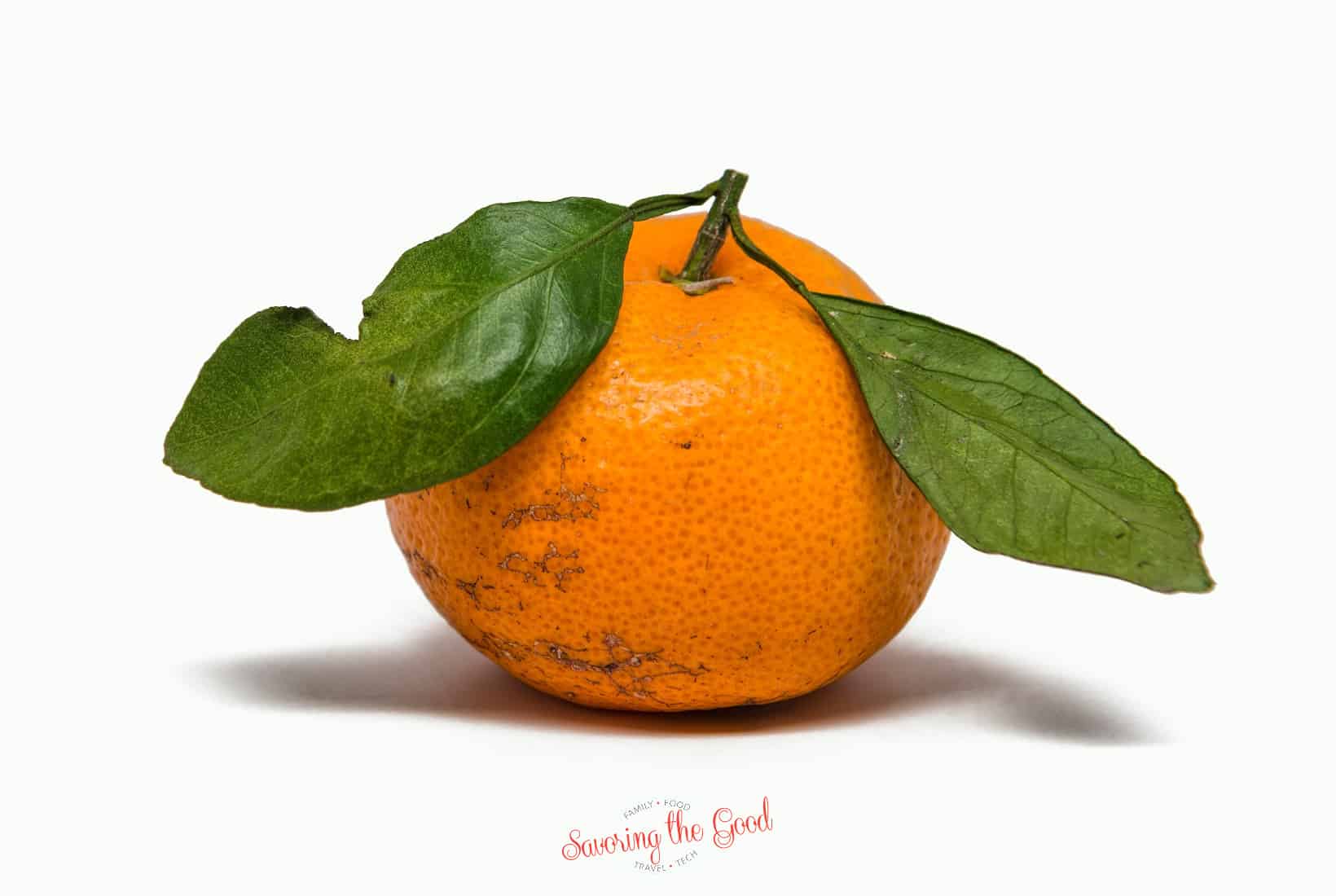
Satsuma oranges are cherished for their sweet flavor, easy peeling, and seedless nature. They are often enjoyed as a snack and are a popular choice during the winter months when they are in season.
- Origin: Satsuma oranges are believed to have originated in Japan and are named after the Satsuma province (now Kagoshima prefecture) where they were first cultivated. However, they are now grown in various parts of the world, including the United States.
- Appearance: Satsuma oranges are small to medium-sized citrus fruits with a slightly flattened shape. They have a thin, loose, and easily peelable rind. The rind is bright orange and may have a slightly rough texture.
- Flavor: Satsuma oranges have a sweet and delicate flavor with a balanced level of acidity. They are known for their intense sweetness and lack of tartness, making them popular among those who prefer a milder citrus taste.
- Seed Content: Satsuma oranges are typically seedless or have few seeds, making them convenient to eat and enjoy.
- Peelability: One of the distinguishing features of Satsuma oranges is their loose and easy-to-peel rind. The segments separate easily, making them a convenient and portable snack.
- Season: Satsuma oranges are typically harvested in the late fall and winter months, usually from November to January or February, depending on the region. They are associated with the peak citrus season and are often available during that time.
- Culinary Uses: Satsuma oranges are delicious when eaten fresh by peeling and enjoying the segments. They can also be used in various culinary applications, such as salads, desserts, juices, and as a flavoring in sauces and marinades.
Seville Orange
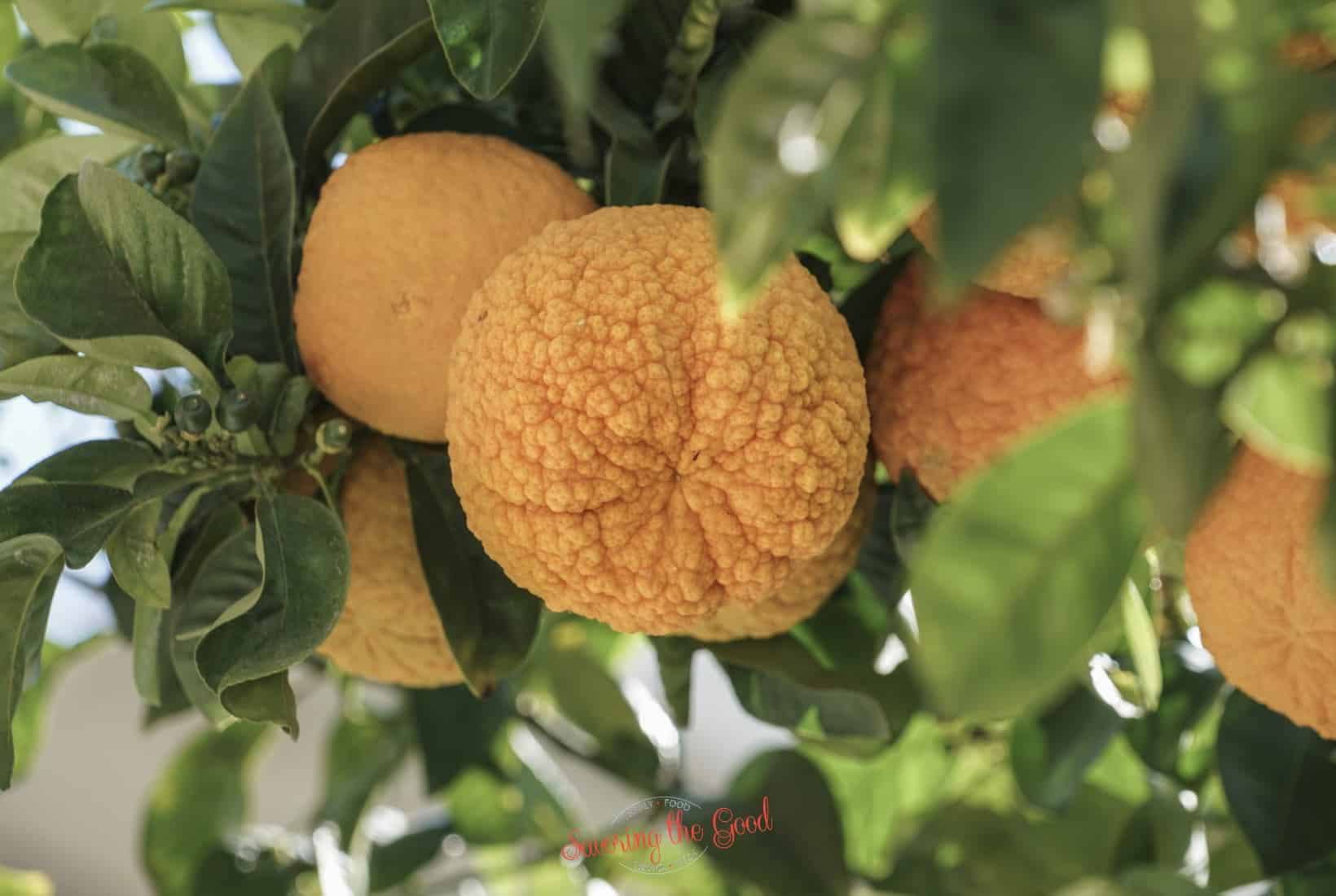
Seville oranges are distinctive for their bitter taste and are primarily used in culinary applications such as marmalade and liqueurs. Their unique flavor profile adds complexity to dishes and preserves, making them a sought-after ingredient for those who appreciate the bitterness in their culinary creations.
- Appearance: Seville oranges are medium-sized citrus fruits with a round shape and a thick, rough, and bumpy orange rind. The rind is fragrant and contains essential oils used for various purposes.
- Flavor: As the name suggests, Seville oranges have a distinctly bitter taste. The flesh is tart and acidic, making it unsuitable for fresh consumption. However, the bitterness of the fruit is highly valued in culinary applications and gives a unique flavor to certain dishes.
- Culinary Uses: Seville oranges are most commonly used in the production of marmalade due to their high pectin content, which helps the marmalade set. The bitter flavor also adds depth and complexity to the preserves. The peel of Seville oranges is also used in flavoring liqueurs such as Triple Sec and Curaçao.
- Season: Seville oranges are typically in season during the winter months, from January to March, depending on the region. They are harvested when they reach a certain level of bitterness required for their culinary applications.
- Other Uses: Apart from culinary uses, the essential oil extracted from the peel of Seville oranges is used in perfumes, aromatherapy, and as a flavoring in certain cosmetics and cleaning products.
- Traditional Medicine: In traditional medicine practices, Seville oranges have been used for their potential benefits. The fruit is believed to possess properties that aid digestion and provide relief from certain gastrointestinal conditions.
Sunki Orange
Sunki oranges are favored for their sweet and tangy flavor, ease of peeling, and juiciness. They are enjoyed as a refreshing snack and utilized in various culinary preparations.
- Origin: The Sunki orange is believed to have originated in the Guangdong province of China. It is now cultivated in various other countries, including Brazil, where it is commonly grown.
- Appearance: Sunki oranges are small to medium-sized citrus fruits with a round shape. They have a smooth and thin rind that is bright orange in color. The rind is relatively easy to peel.
- Flavor: Sunki oranges have a sweet and tangy flavor with a pleasant citrus aroma. They are known for their refreshing taste and juiciness. The flavor is often described as a balance between sweetness and acidity.
- Seed Content: Sunki oranges are typically seedless or contain few seeds, making them convenient for eating or juicing.
- Season: Sunki oranges are usually harvested during the late fall and winter months, depending on the region. They are associated with the citrus season and are often available during that time.
- Culinary Uses: Sunki oranges are commonly consumed fresh as a snack or used in salads, desserts, and juices. Their sweet and tangy flavor adds a burst of citrusy goodness to various recipes. They can also be used to make marmalades and preserves.
Sweet Orange
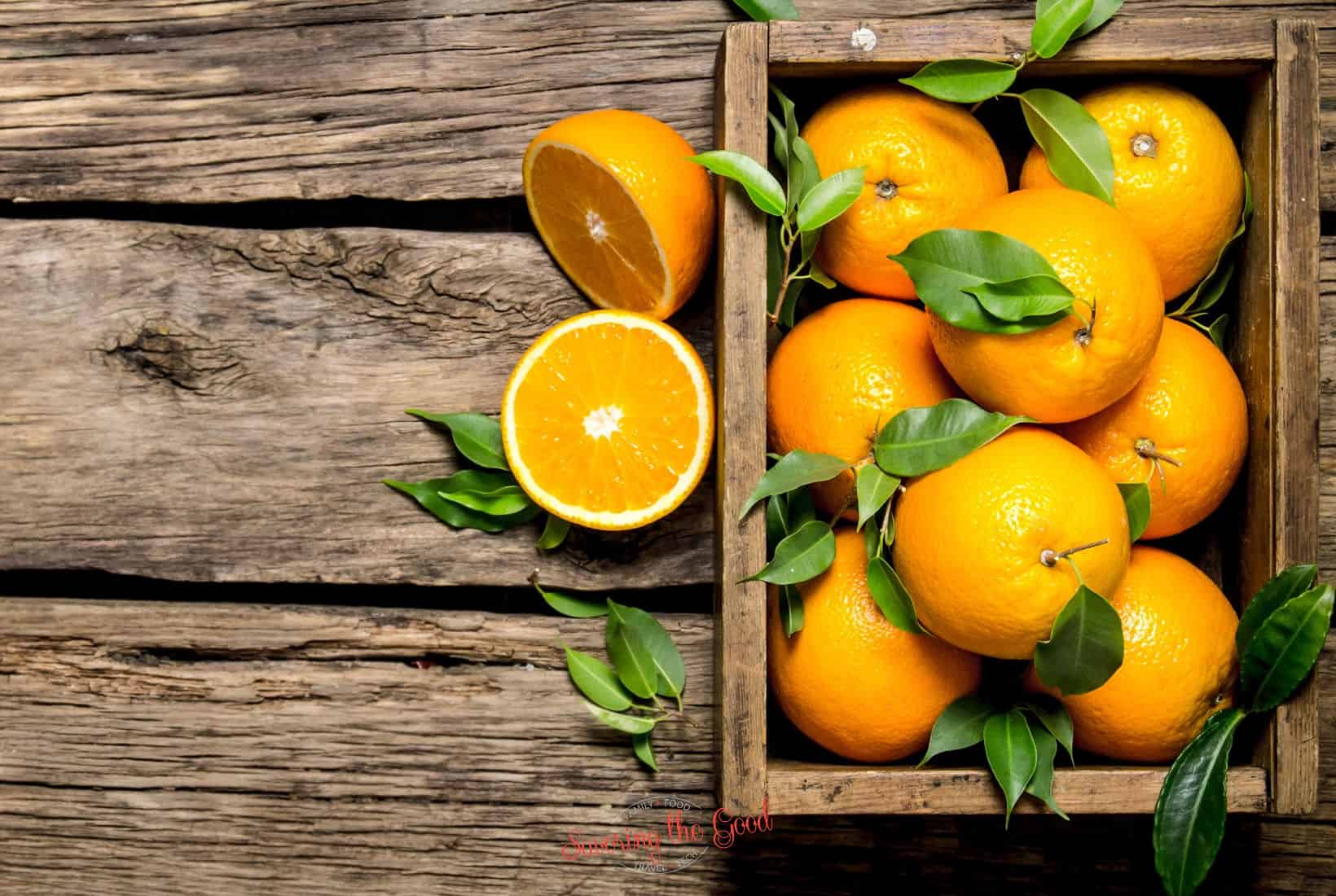
Sweet oranges are one of the most popular citrus fruits globally, valued for their delicious taste, juiciness, and versatility in the kitchen. They are enjoyed by themselves as a snack or incorporated into various culinary creations.
- Varieties: There are numerous varieties of sweet oranges, including popular ones like Valencia, Navel, Hamlin, and Cara Cara, among others. Each variety may have slight variations in taste, appearance, and ripening season.
- Appearance: Sweet oranges have a round to slightly oval shape with a smooth and firm orange-colored rind. The rind is typically easy to peel, revealing the segments inside.
- Flavor: As the name suggests, sweet oranges are known for their sweet and tangy flavor. They have a refreshing taste with a good balance of sweetness and acidity. The flavor can vary slightly between different varieties.
- Seed Content: Many modern sweet orange varieties are seedless or have few seeds, making them more convenient for eating. However, some traditional or heirloom varieties may still contain seeds.
- Culinary Uses: Sweet oranges are versatile fruits used in various culinary applications. They are commonly enjoyed fresh, juiced, or used in salads, desserts, smoothies, and baked goods. They can also be used in savory dishes or to make marmalades and preserves.
- Season: The season for sweet oranges can vary depending on the variety and the region in which they are grown. Some varieties ripen in winter, while others may be available in late fall or early spring.
Tangelos

Tangelos are beloved for their unique flavor, juiciness, and easy-to-peel nature. They provide a delightful citrus experience that combines the best of tangerines and grapefruits, making them a popular choice among citrus fruit enthusiasts.
- Varieties: The most common types of tangelos include Minneola, Orlando, and Seminole. Each variety has its own distinct characteristics in terms of flavor, appearance, and availability.
- Appearance: Tangelos are typically larger than tangerines but smaller than grapefruits. They have a round to slightly oblong shape with a smooth and thin, easy-to-peel rind. The rind is typically orange in color, similar to tangerines.
- Flavor: Tangelos have a flavor profile that combines the sweetness and juiciness of tangerines with a slightly tart and tangy undertone reminiscent of grapefruit. The overall taste is often described as rich, sweet, and aromatic.
- Seed Content: Most commercially available tangelos are seedless or have very few seeds, making them convenient to eat and enjoy.
- Culinary Uses: Tangelos are primarily consumed fresh as a snack or used in salads, desserts, smoothies, and juices. They can be segmented and added to fruit salads or used as a refreshing topping for yogurt or ice cream. Tangelo juice is also popular and can be enjoyed on its own or as part of various beverage recipes.
- Season: Tangelos are typically in season during the late fall and winter months, depending on the specific variety and the region in which they are grown.
Tarocco Orange

Tarocco oranges are celebrated for their distinctive red flesh, sweet flavor, and aromatic qualities. Their unique attributes make them a sought-after variety among citrus enthusiasts and those looking to experience a visually striking and delicious orange variety.
- Appearance: Tarocco oranges are medium-sized citrus fruits with a slightly oblong shape. The outer rind is typically bright orange in color and may have a pebbled texture. However, what distinguishes Tarocco oranges is their deep red or crimson-colored flesh, which is visually striking.
- Flavor: Tarocco oranges have a sweet and complex flavor profile. They are known for their low acidity and high sugar content, which gives them a delightful sweetness. The taste is often described as a harmonious balance between sweetness and tanginess.
- Seed Content: Tarocco oranges are typically seedless or have very few seeds, making them easy to enjoy without interruptions.
- Culinary Uses: Tarocco oranges are highly prized for their superior flavor and are often enjoyed fresh. Their distinct color and flavor make them an excellent addition to fruit salads, desserts, and other culinary creations. They are also commonly used in making fresh juices and as a base for citrus-based sauces and marinades.
- Availability: Tarocco oranges are primarily grown in Italy, particularly in the regions of Sicily and Calabria. However, they have gained popularity and can sometimes be found in specialty markets or gourmet stores in other countries during their peak season.
- Season: Tarocco oranges are typically in season from late winter to early spring, usually from January to April, depending on the region. This is when the fruit reaches its peak flavor and ripeness.
Tangor
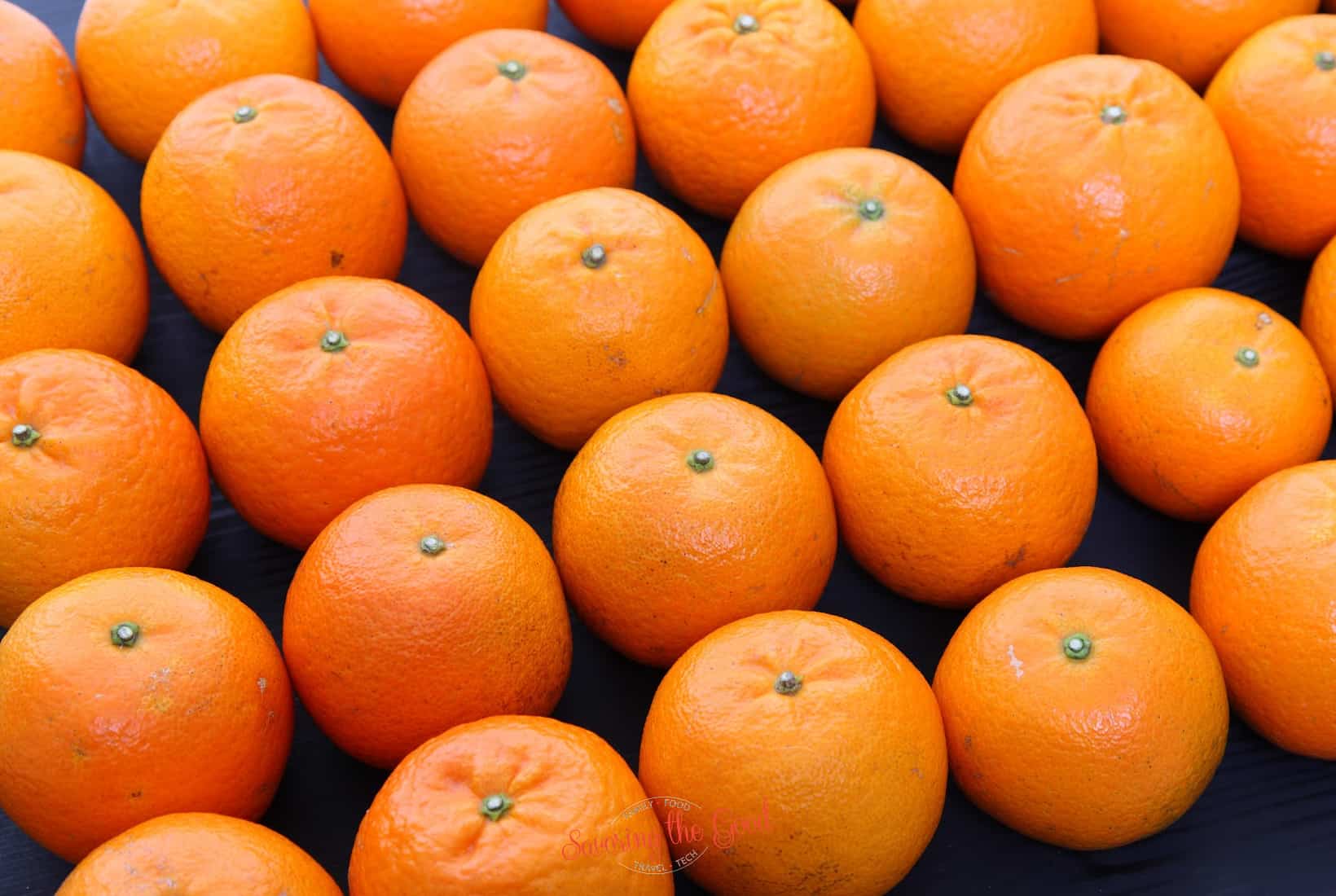
Tangors offer a unique citrus experience, combining the best qualities of tangerines and sweet oranges. They provide a refreshing and flavorful option for citrus lovers and can be enjoyed in a variety of ways, both fresh and in culinary preparations.
- Varieties: There are several varieties of tangors, including Temple, Murcott, and Ortanique, among others. Each variety has its own distinct characteristics in terms of flavor, appearance, and availability.
- Appearance: Tangors generally resemble tangerines in terms of their size and shape. They have a round to slightly oblong shape with a smooth and thin rind. The rind is usually orange in color, similar to tangerines or sweet oranges.
- Flavor: Tangors have a flavor profile that is a combination of the sweetness and juiciness of tangerines with the mild acidity of sweet oranges. The overall taste can vary depending on the specific variety, but it is often described as a balance between sweetness and tanginess.
- Seed Content: Most tangors are seedless or have very few seeds, making them convenient to eat and enjoy.
- Culinary Uses: Tangors are primarily consumed fresh as a snack or used in salads, desserts, smoothies, and juices. They can be segmented and added to fruit salads or used as a flavorful addition to various dishes. Tangor juice is also popular and can be enjoyed on its own or as part of mixed citrus juices.
- Season: The specific season for tangors can vary depending on the variety and the region in which they are grown. Some varieties may be available during the late fall and winter months, while others may be more readily available in early spring.
Temple Orange
Temple oranges are highly regarded for their exceptional flavor, combining the best qualities of tangerines and sweet oranges. They are a popular choice for those seeking a citrus fruit with a unique taste that is both sweet and tangy.
- Origin: The Temple orange was developed by Dr. Walter T. Swingle in Florida, USA, in the early 1900s. It is named after the Temple family, who provided the land for the first commercial plantings.
- Appearance: Temple oranges are medium-sized citrus fruits with a round to slightly oval shape. They have a thin, smooth, and easy-to-peel rind that is bright orange in color. The flesh inside is typically deep orange and juicy.
- Flavor: Temple oranges have a delightful balance of sweetness and tartness. They are known for their rich, aromatic flavor with hints of both tangerine and sweet orange. The taste is often described as tangy, sweet, and highly flavorful.
- Seed Content: Most Temple oranges are seedless or have very few seeds, making them convenient to eat and enjoy.
- Culinary Uses: Temple oranges are primarily consumed fresh as a snack or used in salads, desserts, and juices. They are also favored for their juicing properties and can be used to make refreshing and flavorful citrus juices.
- Season: Temple oranges are typically in season during the late fall and winter months, depending on the region. This is when they are at their peak flavor and availability.
Trifoliate Orange
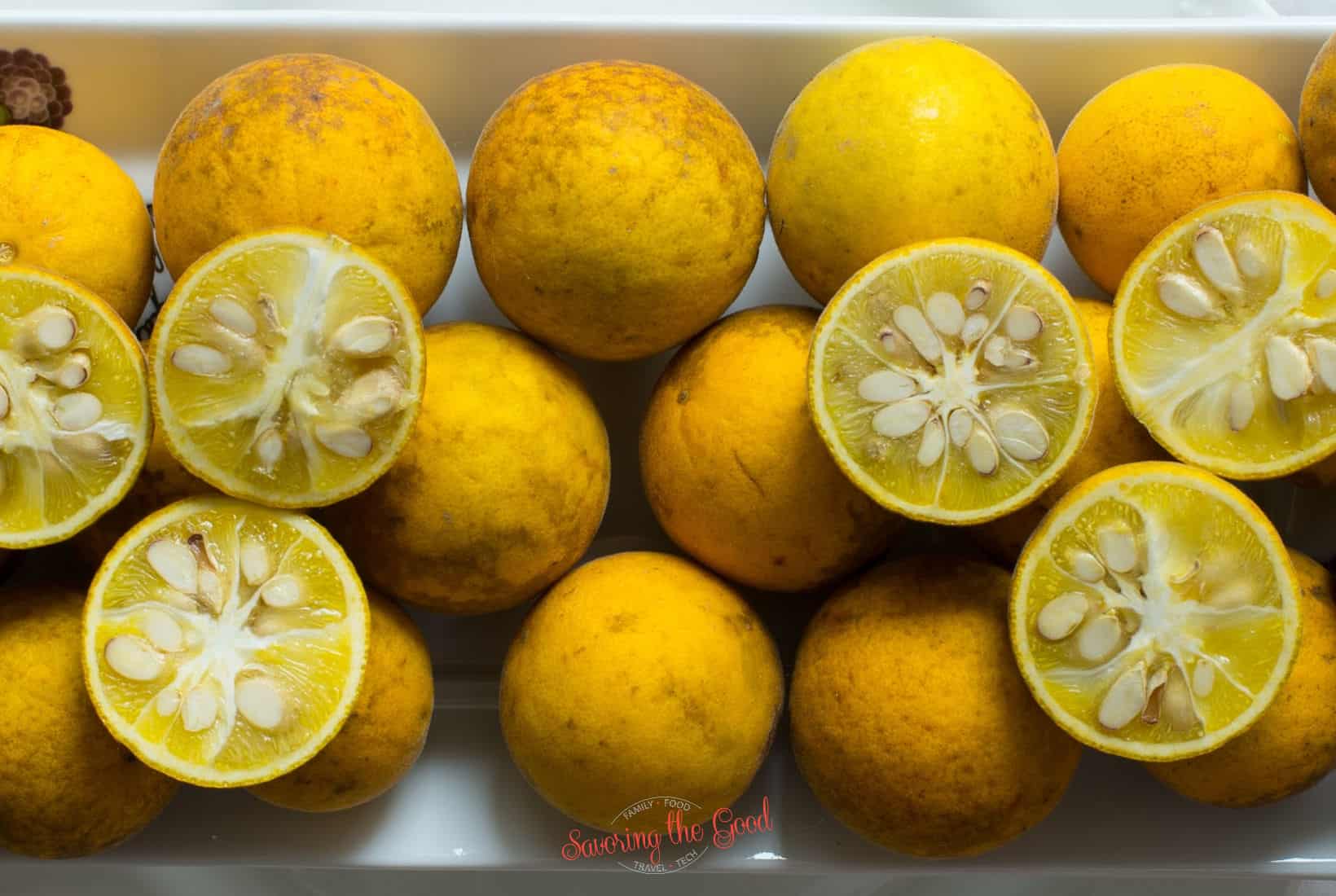
While Trifoliate oranges are not typically consumed as fresh fruit due to their sour taste, they hold value as ornamental plants, rootstock for grafting, and for their potential medicinal properties. Their unique characteristics make them a fascinating member of the citrus family.
- Appearance: Trifoliate oranges are small to medium-sized citrus trees or shrubs with thorny branches. The leaves are deciduous and consist of three leaflets arranged in a fan-like pattern. The plant's flowers are white and emit a pleasant fragrance.
- Fruit: The Trifoliate orange produces small, round fruits that resemble oranges in shape but are smaller in size, typically around 3-5 centimeters in diameter. The fruit has a rough and bumpy texture on its skin, which ranges from yellow-green when immature to bright orange when fully ripe.
- Edibility: Unlike sweet oranges, Trifoliate oranges are extremely sour and bitter. The flesh is highly acidic and contains numerous seeds. As a result, the fruits are not typically consumed fresh, but they can be used for culinary and ornamental purposes.
- Uses: Trifoliate oranges are primarily grown as ornamental plants due to their attractive appearance, hardiness, and tolerance to cold climates. The fruits can be used to make marmalades, preserves, or as a flavoring agent in certain recipes. The plant is also utilized as a rootstock for grafting other citrus varieties, as it imparts cold tolerance and disease resistance to the grafted plant.
- Cold Hardiness: Trifoliate orange is known for its exceptional cold hardiness compared to other citrus species. It can withstand freezing temperatures and is often used as a rootstock for citrus trees in regions with colder climates.
- Medicinal Uses: In traditional Chinese medicine, various parts of the Trifoliate orange plant, including the fruit, leaves, and roots, are used for their potential medicinal properties. They are believed to have antimicrobial, anti-inflammatory, and digestive benefits.
Trovita Orange
Trovita oranges are appreciated for their sweet flavor, juiciness, and versatility. Whether enjoyed fresh or used in various culinary preparations, Trovita oranges provide a delightful citrus experience.
- Origin: Trovita orange was developed by the United States Department of Agriculture (USDA) and the University of California's Citrus Research Center. It was introduced in 1935 and is a result of a cross between a Washington navel orange and a Dancy tangerine.
- Appearance: Trovita oranges are medium-sized citrus fruits with a slightly oblong to round shape. They have a smooth, thin, and easy-to-peel rind. The rind's color ranges from bright orange to deep orange when fully ripe.
- Flavor: Trovita oranges are known for their deliciously sweet and juicy flavor. They have a balanced and rich taste with a hint of tartness. The flavor is often described as refreshing and aromatic.
- Seed Content: Most Trovita oranges are seedless or contain very few seeds, making them convenient for consumption.
- Culinary Uses: Trovita oranges are primarily consumed fresh as a snack or used in salads, desserts, and juices. Their sweet flavor makes them suitable for making fresh orange juice, and they can be added to various recipes that call for oranges.
- Availability: Trovita oranges are primarily grown in California, Arizona, and Texas in the United States. They are available during the winter months, typically from December to February.
Valencia Orange
Valencia oranges are highly regarded for their juiciness and sweet flavor, making them a popular choice for both eating and juicing. They are a staple in the citrus industry and beloved by orange enthusiasts around the world.
- Origin: Valencia oranges are believed to have originated in the Mediterranean region, particularly in Spain. They are named after the city of Valencia in Spain, which is known for its citrus production.
- Appearance: Valencia oranges are medium-sized citrus fruits with a round to slightly oval shape. They have a thin, smooth, and bright orange-colored rind. The flesh inside is typically juicy and segmented.
- Flavor: Valencia oranges are prized for their sweet and tangy flavor. They have a refreshing taste with a good balance of sweetness and acidity. The juice of Valencia oranges is particularly flavorful and commonly used for drinking and cooking.
- Seed Content: Valencia oranges typically have seeds, although seedless varieties have been developed and are available in some markets.
- Culinary Uses: Valencia oranges are versatile and can be enjoyed fresh as a snack, squeezed for juice, or used in various culinary applications. Their sweet and tangy flavor makes them suitable for making fresh orange juice, fruit salads, desserts, marinades, and salad dressings.
- Availability: Valencia oranges are known as the "summer orange" because they have a longer harvesting season compared to other orange varieties. They are typically available from spring to early summer, although they can be found in some regions year-round due to global trade and cultivation.
FAQ's and Tips
There are a few signs to look for to determine if an orange is ripe and ready to be picked:
Color: Oranges typically develop a bright orange hue when fully ripe. Depending on the variety, the shade of orange may vary, but avoid picking oranges that are predominantly green or have a greenish tint. A deep, vibrant orange color is usually a good indication of ripeness.
Texture: Gently squeeze the orange in your hand. Ripe oranges should feel firm but yield slightly to pressure. Avoid oranges that are overly soft, as they may be overripe or spoiled.
Weight: Ripe oranges tend to be heavier compared to unripe ones. When you hold an orange, it should feel relatively dense and have a satisfying weight for its size.
Skin texture: The skin of a ripe orange should be smooth and glossy. Avoid oranges with blemishes, mold, or signs of damage on the skin.
Aroma: Take a sniff near the stem end of the orange. Ripe oranges emit a fragrant citrusy aroma. If the orange has a pleasant, sweet scent, it is likely ripe and ready to be enjoyed.
It's important to note that oranges can continue to ripen after being picked, so if an orange is slightly underripe but meets the other criteria, you can allow it to ripen further at room temperature. However, if an orange is unripe and shows no signs of progressing, it may be best to leave it on the tree for more time before harvesting.
Remember, these guidelines may vary slightly depending on the specific variety of orange, so it can be helpful to familiarize yourself with the characteristics of the particular orange tree you are harvesting from.

I am Sarah Mock. Welcome!
Sarah Mock is a classically trained Chef and graduate of Johnson & Wales University. A culinary blogger for 15 years Sarah helps the home cook prepare her recipes with professional results.




Comments
No Comments