

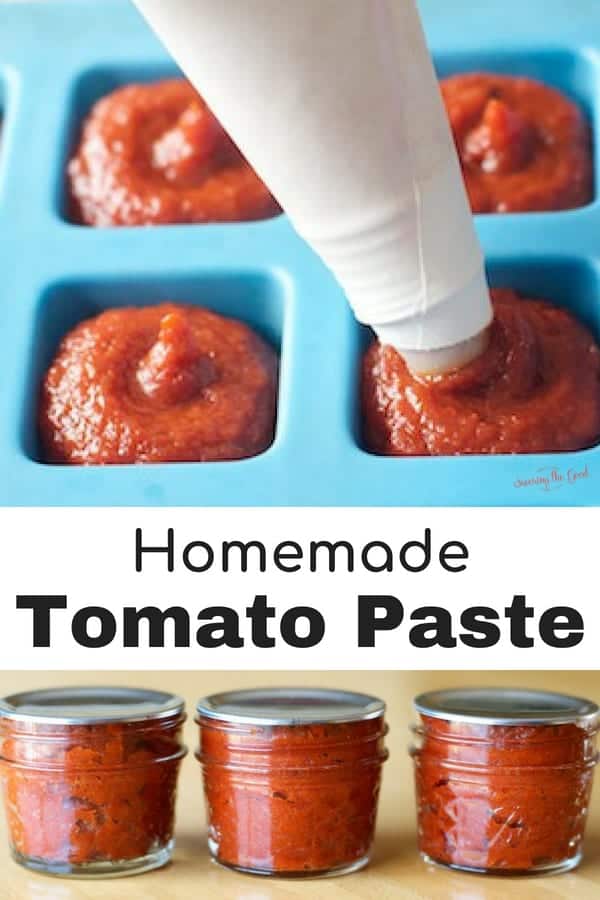
Homemade tomato paste is a rich, deeply concentrated paste made from just three ingredients: ripe tomatoes, olive oil, and bay leaf.
Once you know how to make your own, the tube from the grocery store stops being an option. Plan on about 20 minutes of hands-on prep and roughly 2.5 hours of mostly hands-off simmering.
Growing up, my grandmother always made tomato paste from her garden tomatoes. The rich, concentrated flavor was unlike anything store-bought. Now, I love carrying on that tradition with my own family.
I love this idea
Especially the freezing. A long time ago when my children were very young, I used to puree foods I cooked from scratch that we ate for dinner and freeze them in ice cube trays for meals for the littles.
- Tammy R ~ Pinterest

Sarah's Culinary Insight
- The last thirty minutes are when this scorches. As the paste thickens and there is less moisture to protect it, it goes from a calm simmer to catching on the bottom of the pot fast; stay close, stir often, and pull the heat back as it tightens up.
- No food mill? A fine-mesh sieve does the same job of separating skins and seeds, but plan on more time and more arm strength; pressing that much cooked tomato through a sieve by hand is real work compared to cranking it through a mill.
- Fifteen pounds of fresh tomatoes reduce down to just a scant few cups of finished paste. That drop in volume is normal, not a sign that something went wrong; tomato paste is concentrated on purpose.
- Freezing and canning are not interchangeable here. This recipe, with olive oil and no added acid, is built for the freezer. If you want a shelf-stable, canned version, use the tested method further down the post instead of adding acid to this one.
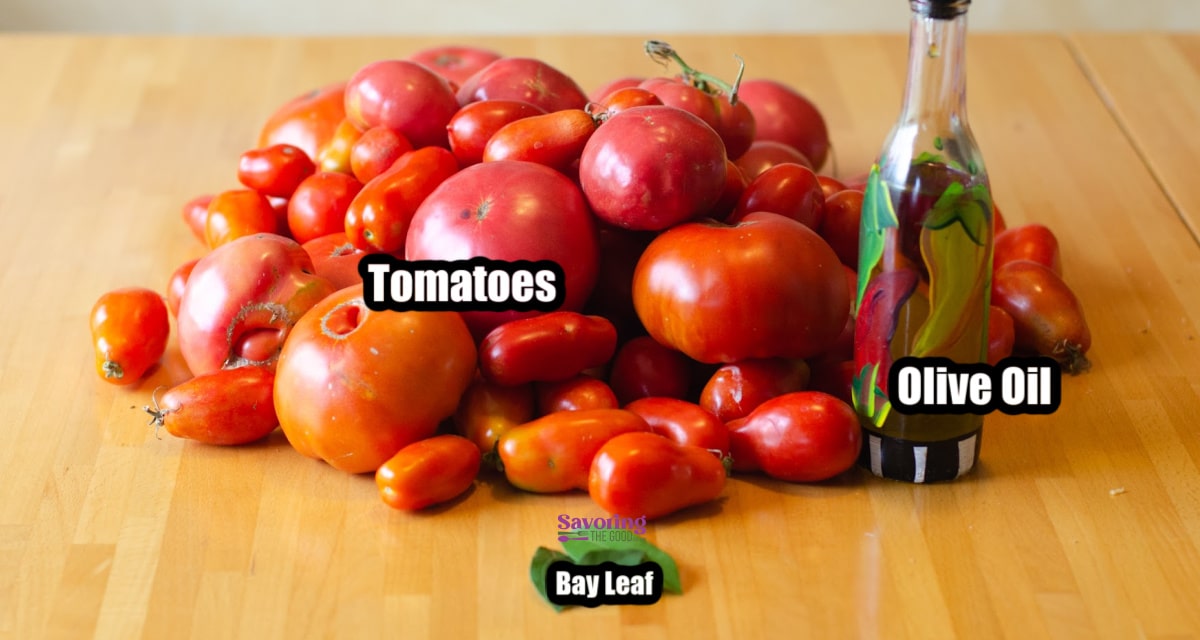
Tomato Paste Ingredients:
Preserve your garden tomatoes with this easy, 3-ingredient tomato paste recipe. Perfect for sauces, soups, and more!
- Ripe Tomatoes - Use fully ripe, in-season tomatoes for this; underripe fruit brings more acidity and less natural sweetness, and you will taste it in the finished paste. Paste-type tomatoes such as Roma have less water and more flesh, so they cook down a little faster than a juicier slicing tomato, though any ripe tomato works.
- Olive Oil - Cooking the tomatoes down in a little olive oil helps them start breaking down without sticking to the pot before they release their own juices. It is a flavor and texture ingredient here, not a preservative, which is part of why this version belongs in the freezer rather than on the pantry shelf.
- Bay Leaf - One leaf simmers along with the tomatoes for a quiet, savory background note. Pull it out before you jar or freeze the finished paste; it is there to flavor the pot, not to stay in what you eat.
Recipe Card?
To find the full printable recipe with specific measurements and directions CLICK HERE to go to the recipe card.
Substitutions
Here is what you can swap if you need to adjust this recipe.
Fine-Mesh Sieve Instead of a Food Mill
A food mill makes quick work of separating the skins and seeds from the cooked tomatoes, but a fine-mesh sieve gets you to the same place if that is what you have. What changes: you lose the speed of the mill's crank, and pressing that much cooked tomato through a sieve by hand takes real time and effort.
My recommendation: it works fine for a single batch, but if you make tomato paste every summer, the food mill earns its keep. One note if you are canning instead of freezing: skip the blender for that path entirely. The tested method for canning tomato paste specifically warns against a blender or food processor, since they whip air into the tomatoes in a way the tested processing time does not account for.
Once you get the hang of making your own pantry basics, my homemade garlic powder is just as simple to whip up.
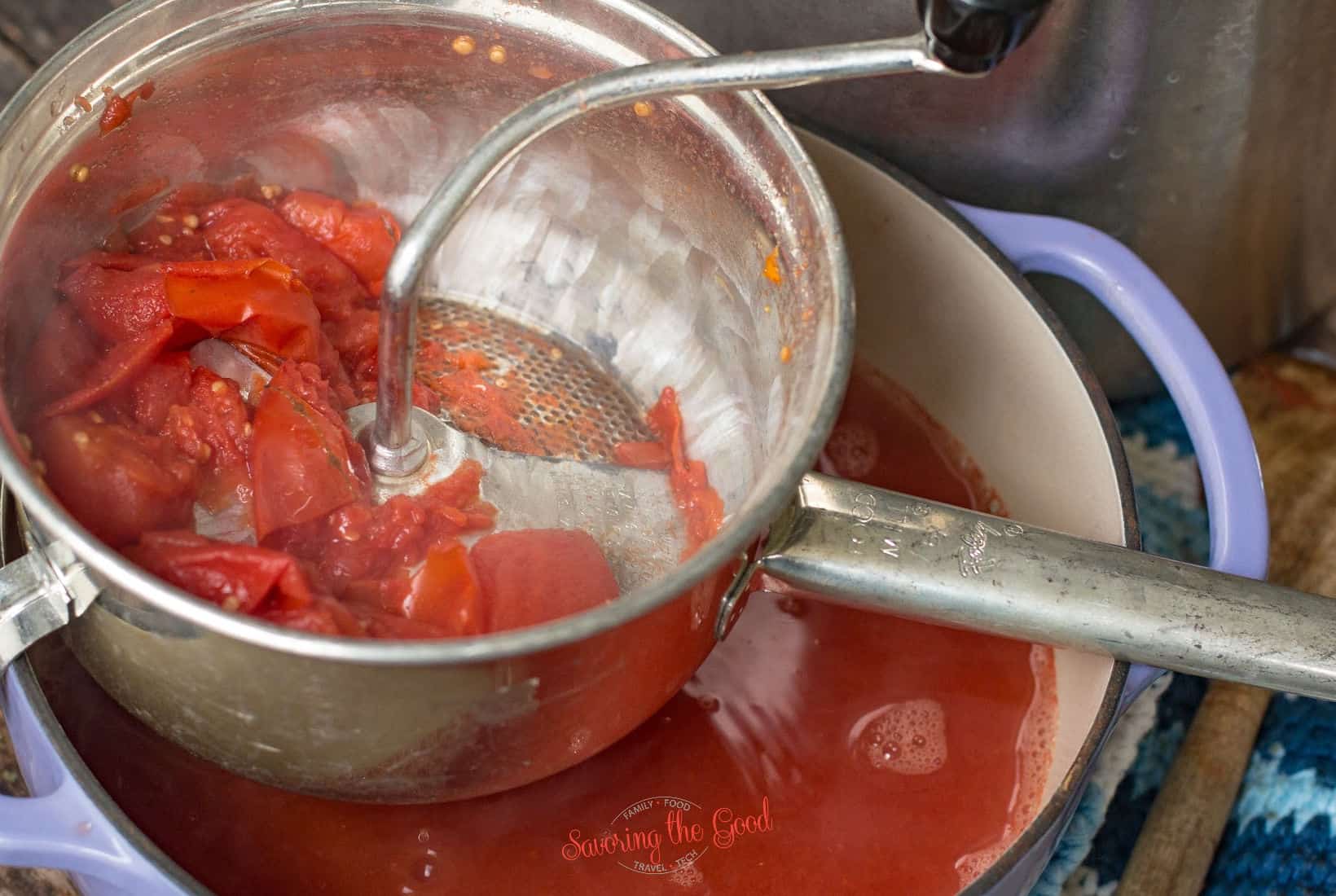
How To Make Homemade Tomato Paste From Scratch: Freezer Method

This method, with olive oil and bay leaf, is the one I make most often, and it is built for the freezer. If you want to can this for pantry storage instead, skip down to the tested canning method further in this post; the ingredients and process change enough that you cannot just add acid to this version and call it shelf-stable.
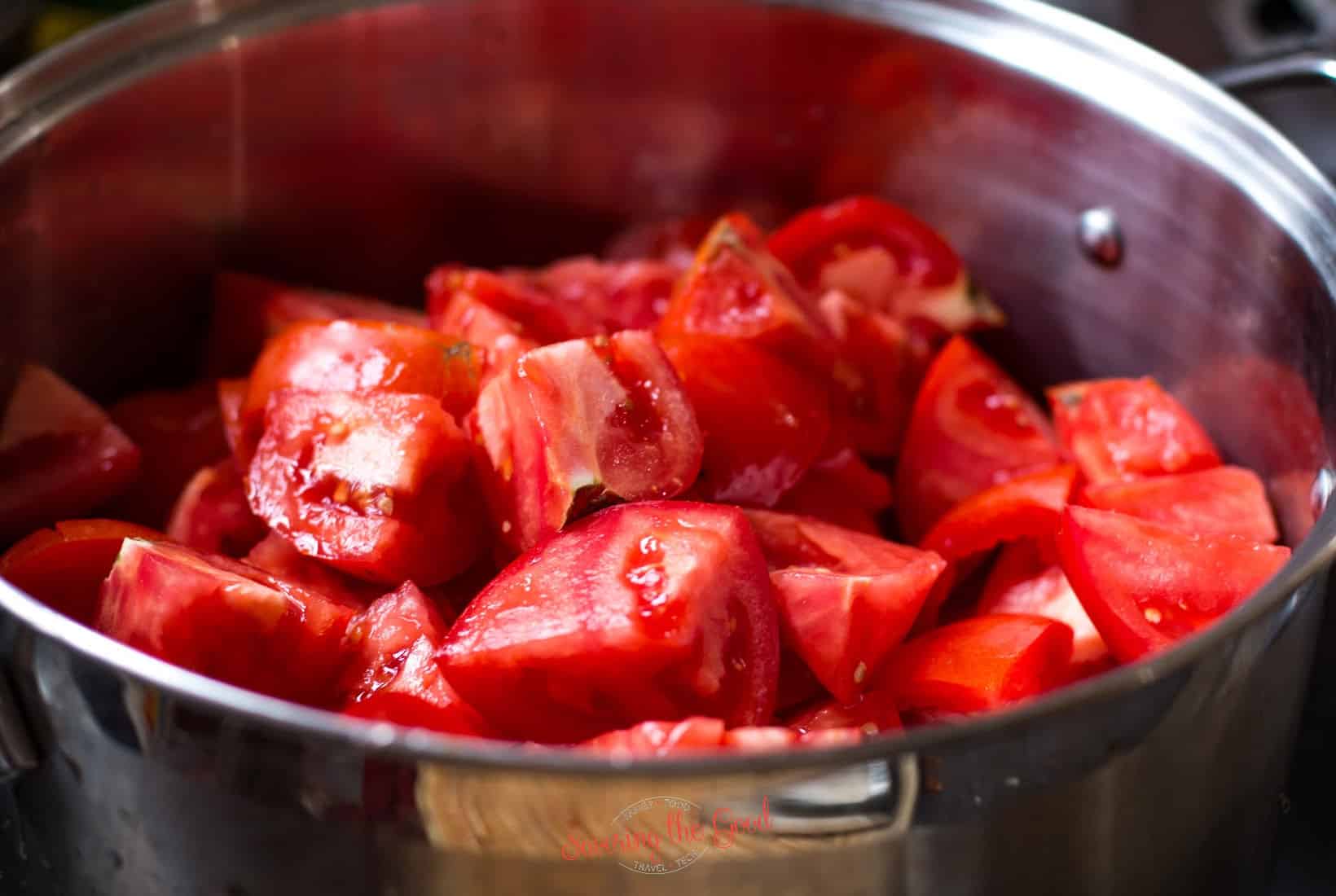
Prepare the Tomatoes
Wash and roughly chop the tomatoes into large chunks. There is no need to peel or seed them now; the food mill or sieve takes care of that later.

Cook the Tomatoes
In a large, heavy-bottomed pot, heat the olive oil over medium heat. Add the tomatoes and simmer for 20 to 30 minutes, stirring occasionally, until they have broken down and are swimming in their own juice; you are looking for soft, collapsing pieces of tomato, not a dry pan.

Remove Skins and Seeds
Pass the cooked tomatoes through a food mill to separate out the skins and seeds. Discard the skins and seeds; you will be left with a smooth, seedless tomato pulp.
Can I use a blender instead of a food mill?
For this freezer method, yes: blend the cooked tomatoes and strain through a fine-mesh sieve. If you plan to can this instead, skip the blender; the tested canning method below calls for a food mill or sieve only.
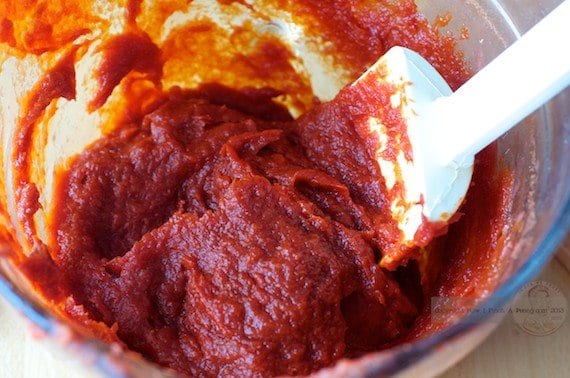
Reduce to Paste
Return the tomato puree to the pot. Add the bay leaf and simmer on low heat for 1.5 to 2 hours, stirring frequently, until the mixture has reduced to a thick, scoopable paste. The last thirty minutes are when this scorches fastest: as the paste thickens, it goes from a gentle simmer to catching on the bottom of the pot in a hurry, so stay close, stir often, and drop the heat as it tightens up. Pull out the bay leaf before you move on to storing.
How do I prevent burning?
The closer the paste gets to being done, the higher the chance it scorches. Stir frequently, reduce the heat as the mixture thickens, and watch it closely in the last thirty minutes or so.
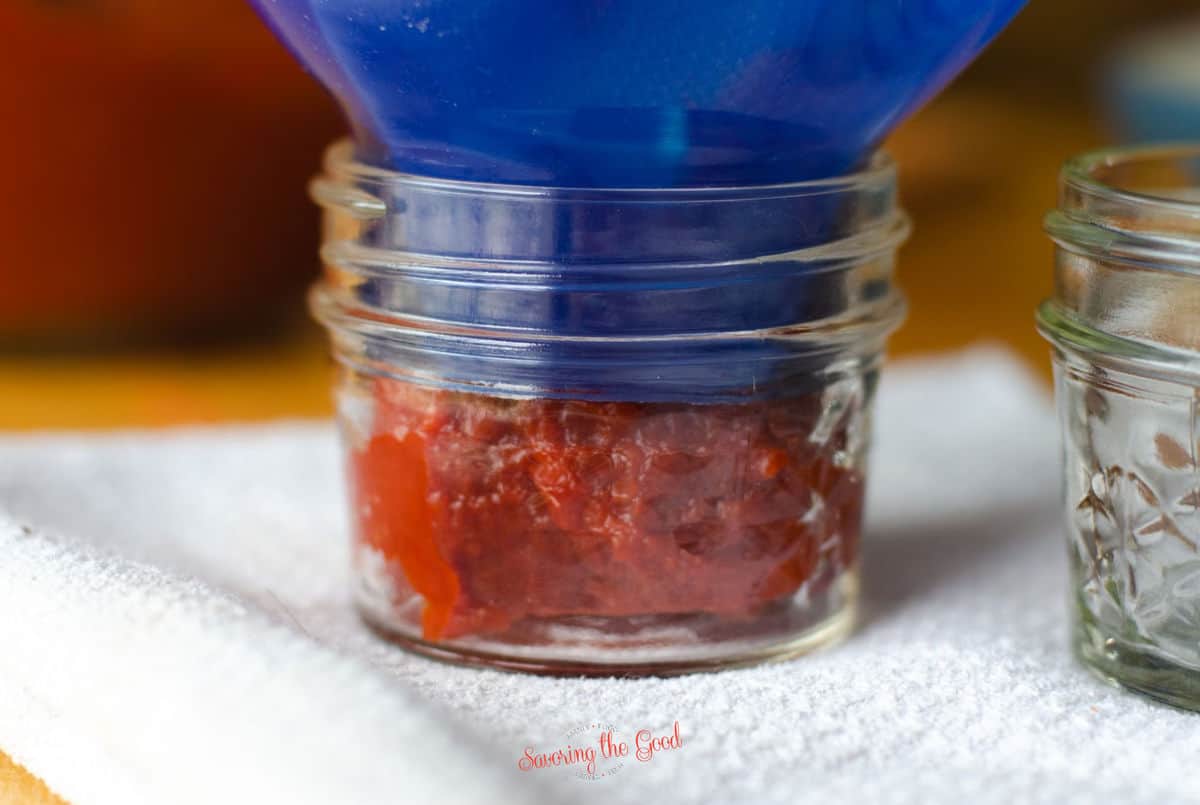
Store
You have two good options for this version: portion and freeze it (see the freezing methods below), or refrigerate it in an airtight container for up to a week for near-term use.
Food Safety Note
Because this recipe includes olive oil and no added acid, it is not tested for shelf-stable canning; do not process it in a water bath. If you want a canned, pantry-stable tomato paste, use the tested method further down this post instead; it uses a different ingredient list built for that purpose.
Did you make this recipe?
Do you have feedback that would be helpful to others? If so can help this small business owner by leaving a rating and a review in the comments section? Thank you for being part of the Savoring The Good Community. ~ Sarah
Seasonal Favorite
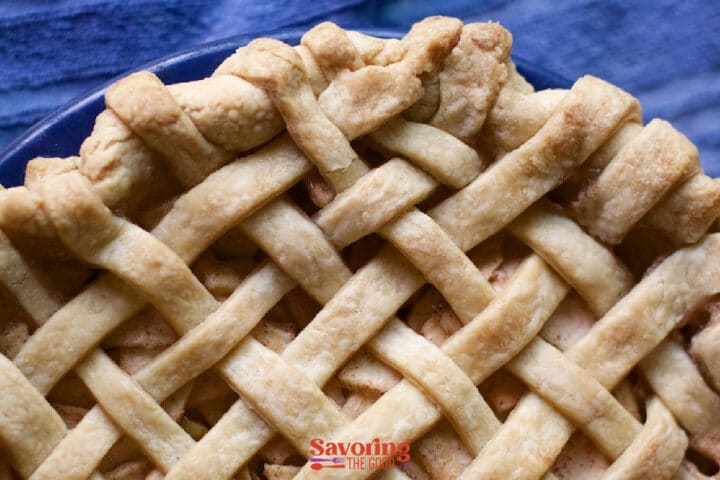
This is my award-winning Crisco pie crust recipe; flaky, tender, and made with simple ingredients you already have.
Why Make This?
Homemade tomato paste has a deeper, richer flavor than store-bought versions, and you can control the ingredients.
What is the purpose of tomato paste?
Tomato paste is a workhorse in the kitchen. It thickens, deepens the color, and rounds out the flavor of sauces, soups, and stews without adding extra liquid, which is why it shows up in Italian staples like bolognese and pizza sauce. Keep a batch in the freezer, and you always have a shortcut to that long-simmered flavor on a weeknight.
How to freeze tomato paste in portions
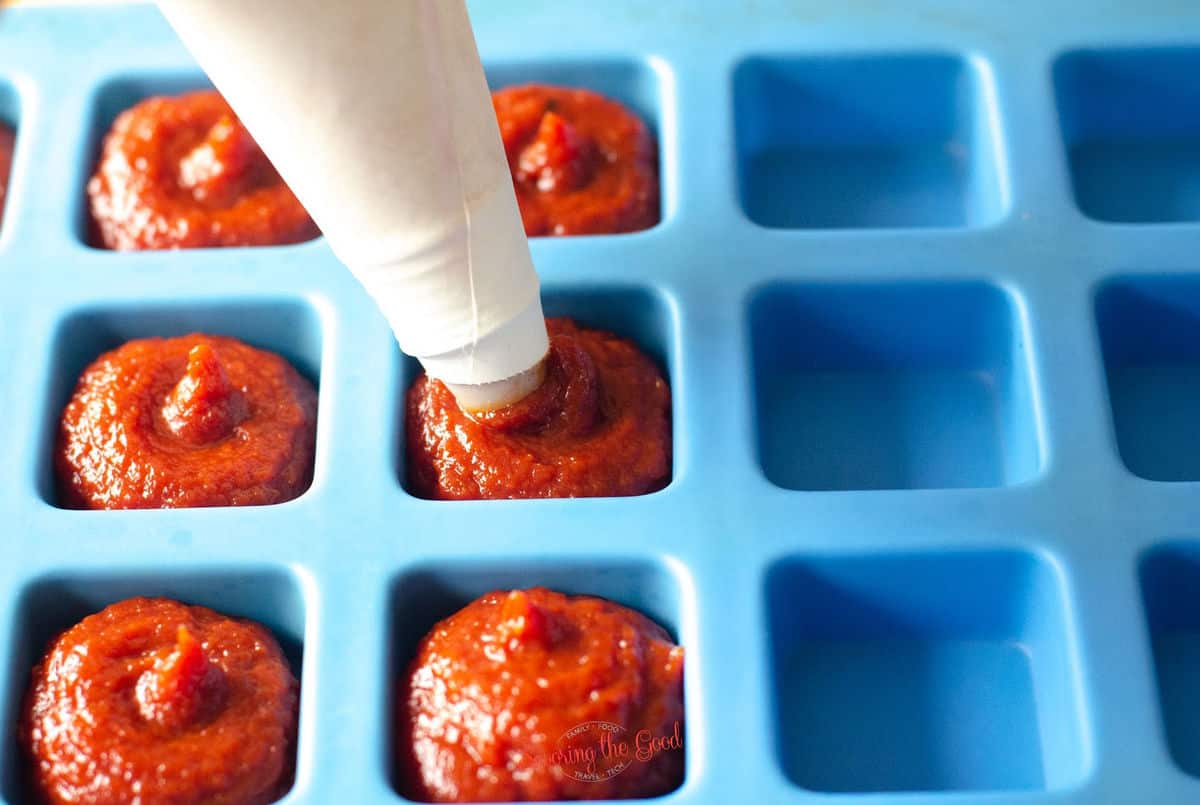
Fill the Mold
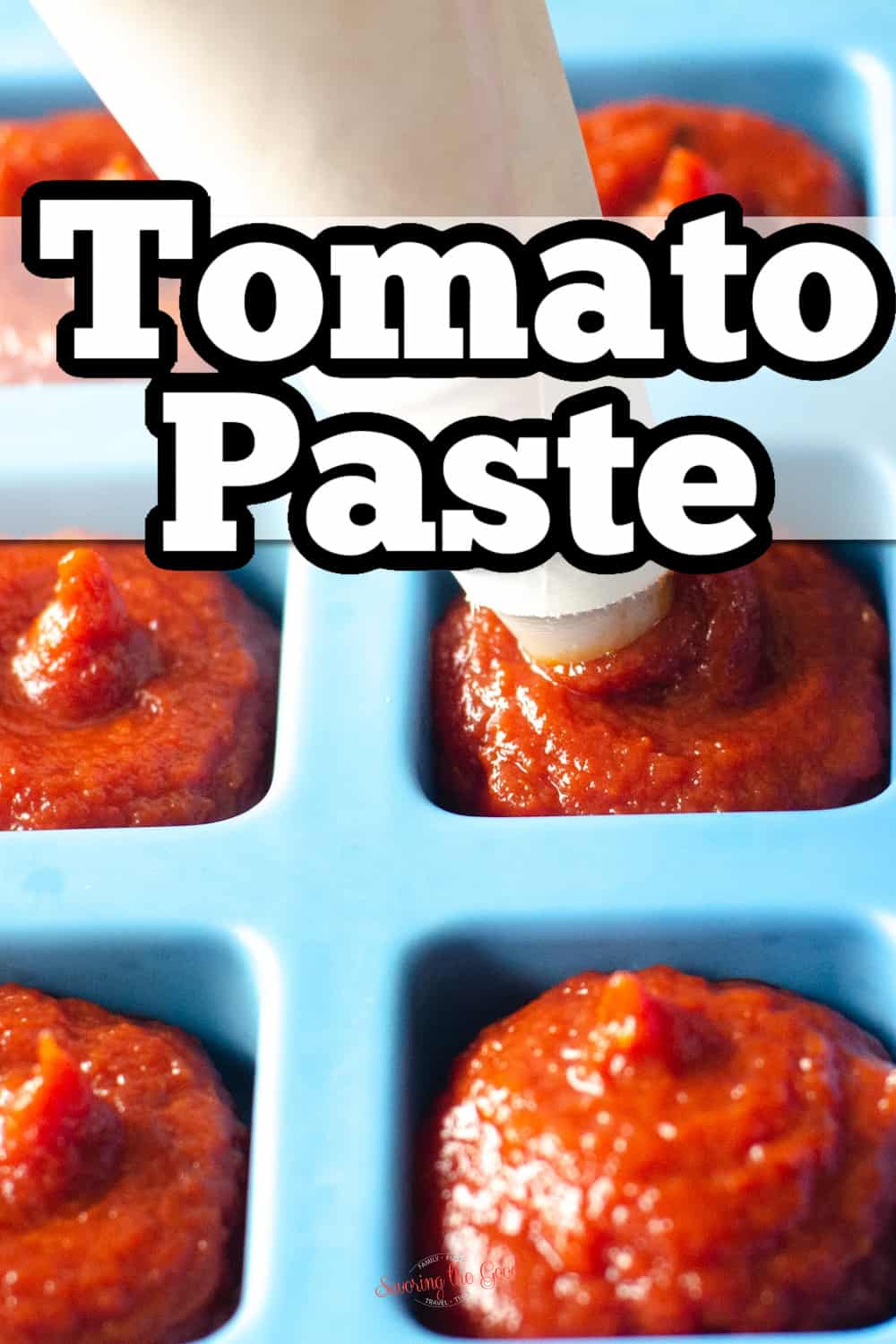
- Pipe or spoon the tomato paste into each cavity of a silicone mold, filling each one level with the top. If you do not have a pastry bag, snip the corner off a resealable plastic bag for easy piping.

Freeze
- Place the mold in the freezer until the tomato paste is completely frozen, usually several hours or overnight.

Remove
- Flip the mold over, and the frozen portions will pop out easily. If any stick, run the bottom of the mold under warm water for a few seconds first.
Store
Transfer the portions to an airtight, freezer-safe container and press out as much air as possible. Each square is roughly 1 tablespoon. Use within 3 months for the best flavor; they stay safe well beyond that as long as they remain frozen, but the flavor is at its best early on.

Souper Cubes
2 Tablespoon portions! (As seen on Shark Tank.)
How to portion out tomato paste without a mold.
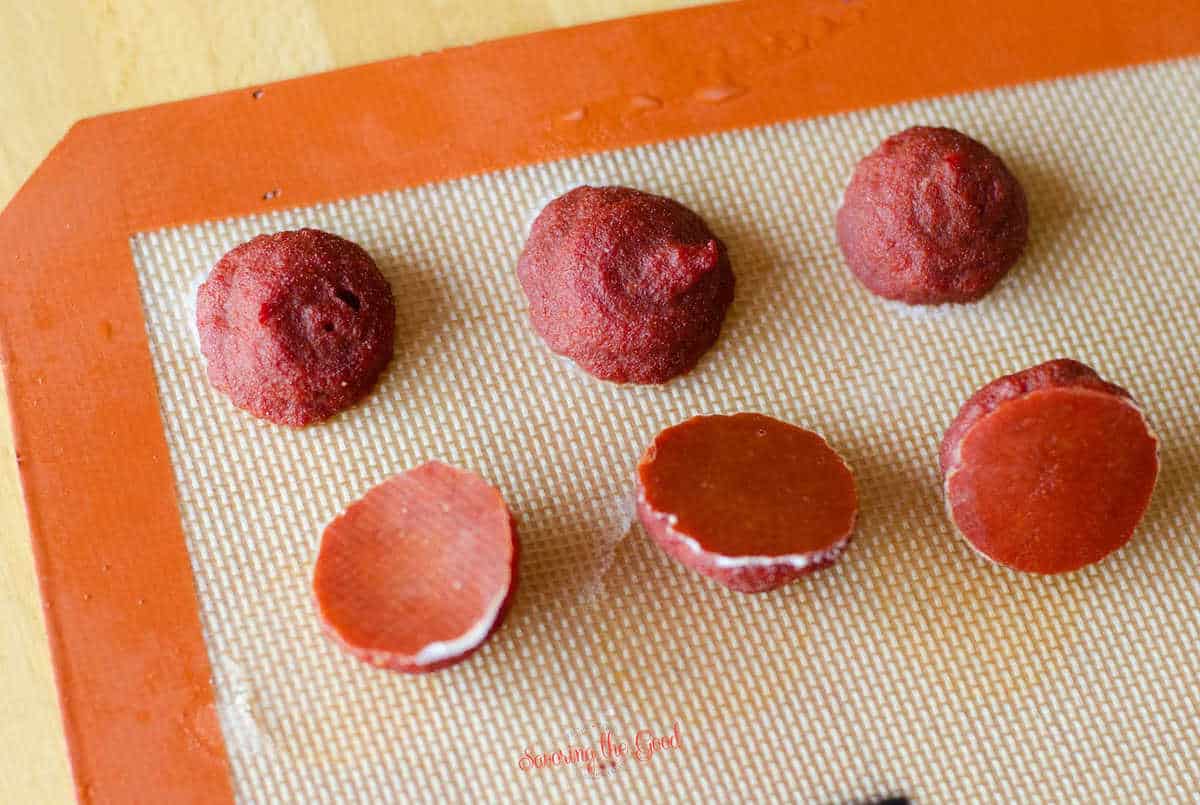

Scoop or Pipe
Drop level 1-tablespoon portions of tomato paste onto a silicone baking sheet or parchment paper, spacing them so they do not touch. Use a spoon, or snip the corner of a resealable plastic bag for neat, even portions.
Freeze
Place the sheet in the freezer until the portions are solid all the way through, for several hours or overnight.
Store
Once solid, transfer the frozen portions to an airtight, freezer-safe container so they do not stick back together. Use within 3 months for the best flavor and texture.
How to Can This Tomato Paste Safely
The freezer method above uses olive oil and has no added acid, which makes it wonderful for the freezer but not a safe candidate for shelf-stable canning. If you want jars of tomato paste for the pantry, use this method instead. It follows the tested procedure published by the National Center for Home Food Preservation, and it is worth following exactly rather than adjusting on the fly.
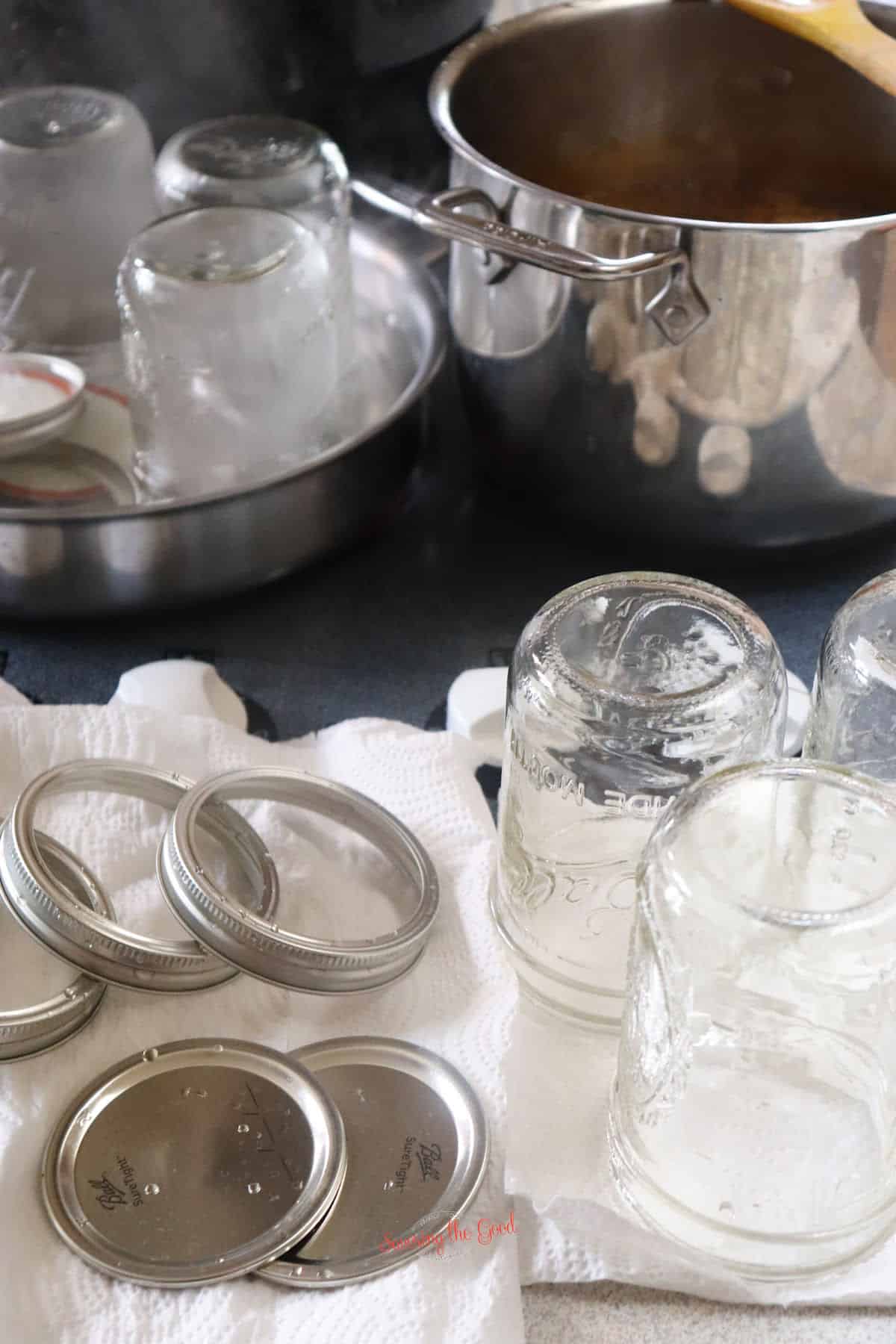
Prep the Jars
Wash and rinse half-pint canning jars, and keep them hot until you are ready to fill them. Prepare your lids according to the manufacturer's directions.
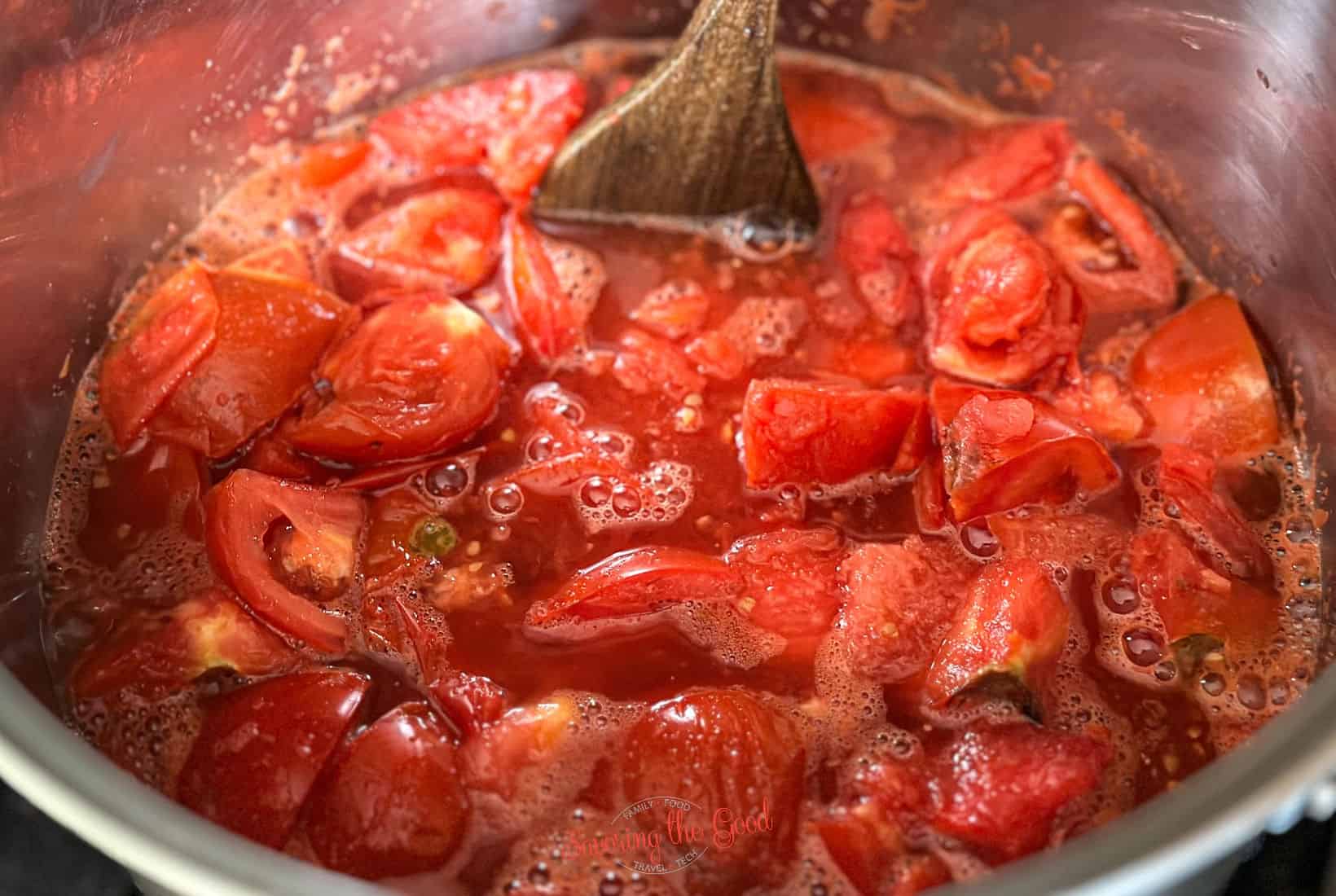
Cook Down the Tomatoes
- Rinse the tomatoes, remove the cores, and chop them into ½ to ¾-inch pieces; there is no need to peel them yet.
- Place them in a large stockpot, cover, and bring to a boil, stirring as needed to prevent burning.
- Reduce the heat, remove the lid, and simmer uncovered for about 1 hour, until the volume is reduced by half, stirring frequently to prevent sticking and burning.
Sieve Out Skins and Seeds
Press the cooked tomatoes through a fine-mesh sieve or a food mill fitted with a fine blade. Do not use a blender or food processor here; they whip air into the tomatoes in a way the tested processing time does not account for.
Add the Acid and Reduce Again
Return the sieved tomatoes to the pot and stir the citric acid in thoroughly; this matters, since the acid needs to be distributed evenly through the tomatoes rather than dropped into the jar later. Stir in the bay leaves, if using. Continue cooking uncovered on medium heat, stirring frequently, until the paste rounds up on a spoon and the volume has reduced by half again, about 2.5 hours more. Watch closely near the end; this is exactly the stage where it scorches fastest.
Jar and Process
Remove the bay leaves. Fill the hot paste into your hot, clean half-pint jars, leaving ½-inch headspace. Remove air bubbles, wipe the jar rims clean, and apply your lids. Process in a boiling water canner.
Process in a boiling water canner.
45 minutes at elevations up to 1,000 feet, 50 minutes from 1,001 to 3,000 feet, 55 minutes from 3,001 to 6,000 feet, or 60 minutes above 6,000 feet. Let the jars cool undisturbed for 12 to 24 hours, then check that every lid has sealed.
Why does the acid matter?
Modern tomatoes are not as acidic as they once were, and a sealed jar is exactly the low-acid, low-oxygen environment where botulism can grow. The citric acid brings the pH down to a safe range for boiling-water canning. This is not a step to skip or eyeball.
This method is adapted from the National Center for Home Food Preservation's tested Tomato Paste recipe; if you are new to canning, their guide to boiling water canners is worth a read before you start.
Frequently asked questions, answers and tips:
Homemade tomato paste lets you choose the tomatoes and flavors, resulting in a richer, deeper taste compared to store-bought versions. Slow-cooking enhances its flavor, making it a pantry staple worth the effort.
While both are tomato-based, they are not interchangeable. Ketchup is sweetened and seasoned, while tomato paste is pure, concentrated tomato flavor. In a pinch, substitute 1 tablespoon of ketchup for 1 tablespoon of tomato paste, but adjust seasonings to balance the sweetness.
Tomato purée is thicker than juice but still has moisture, while tomato paste is cooked down to remove almost all water, creating a thick, concentrated paste.
This happens near the end of the simmer, once most of the water has cooked off. Stir more frequently as the paste thickens, and drop your heat down a notch or two; a bare simmer is all you need in the last thirty minutes.
For the freezer version, yes: blend the cooked tomatoes and strain through a fine-mesh sieve. If you are canning this recipe, skip the blender; the tested canning method calls for a food mill or sieve only, since blending incorporates air that the tested process does not account for.
No. Tomatoes alone do not reliably have enough acidity for safe boiling-water canning, and tomato paste concentrates whatever acid level they start with. Use the tested canning method above, which includes citric acid in the correct ratio, rather than canning the freezer version as written.
Frozen portions are best used within 3 months for flavor, though they stay safe well past that as long as they remain frozen. Properly processed canned jars are typically best within 12 to 18 months in a cool, dark spot, as long as the seal holds and there are no signs of spoilage.

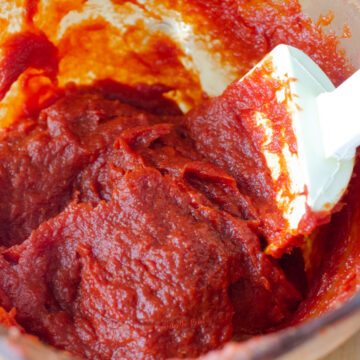
Ingredients
- 8 Pounds roma tomatoes
- 2 Tablespoon Olive oil
- 1 each Bay leaf
acid for canning
- 1 Teaspoon citric acid bottled lemon juice can be used instead per NCHFP's tomato acidification guidance
Instructions
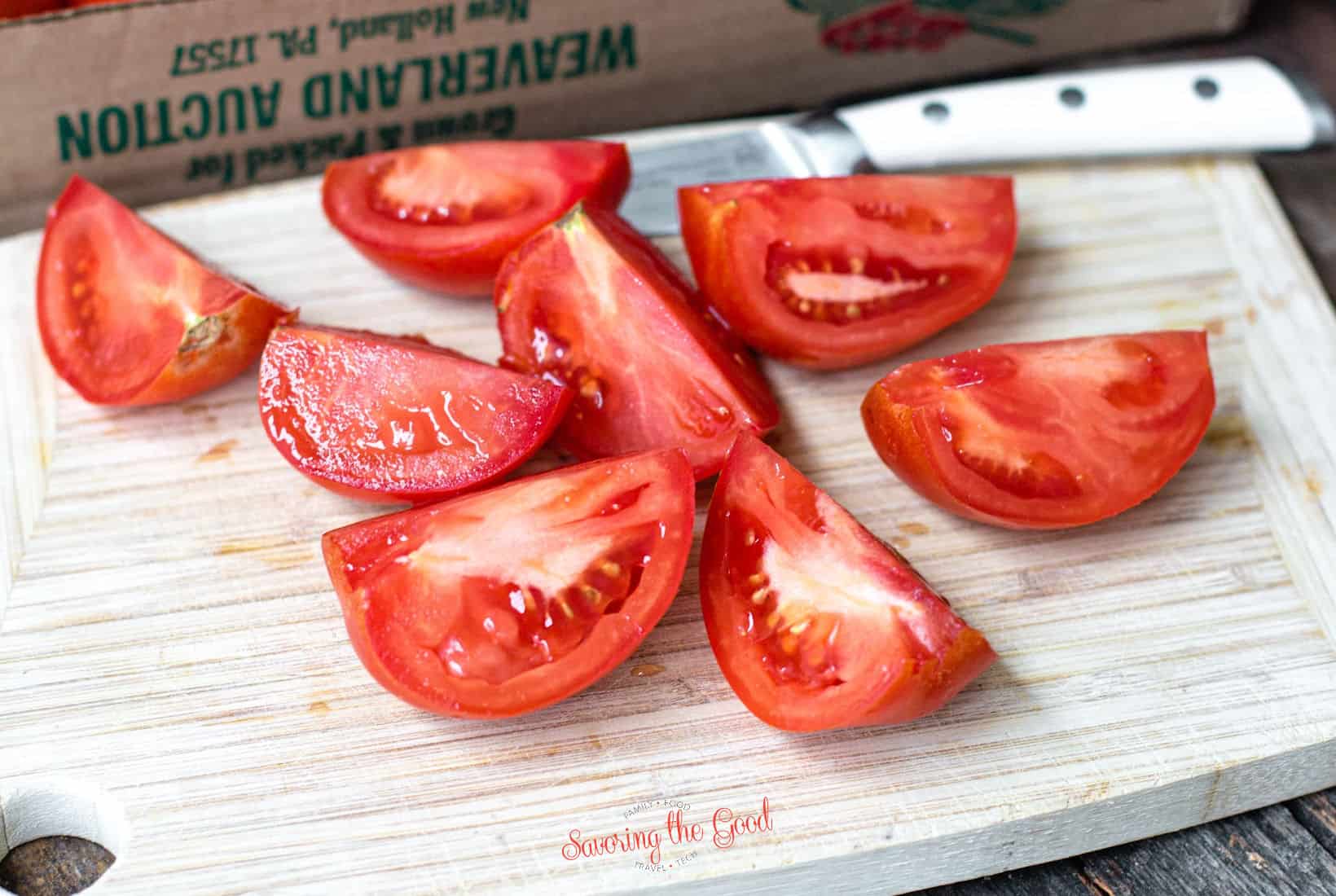
- Wash and roughly chop the tomatoes into large chunks. There is no need to peel or seed them now; the food mill or sieve takes care of that later.8 Pounds roma tomatoes

- In a large, heavy-bottomed pot, heat the olive oil over medium heat. Add the tomatoes and simmer for 20 to 30 minutes, stirring occasionally, until they have broken down and are swimming in their own juice; you are looking for soft, collapsing pieces of tomato, not a dry pan.2 Tablespoon Olive oil
- Pass the cooked tomatoes through a food mill to separate out the skins and seeds. Discard the skins and seeds; you will be left with a smooth, seedless tomato pulp.
- Return the tomato puree to the pot. Add the bay leaf and simmer on low heat for 1.5 to 2 hours, stirring frequently, until the mixture has reduced to a thick, scoopable paste. The last thirty minutes are when this scorches fastest: as the paste thickens, it goes from a gentle simmer to catching on the bottom of the pot in a hurry, so stay close, stir often, and drop the heat as it tightens up. Pull out the bay leaf before you move on to storing.
- You have two good options for this version: portion and freeze it (see the freezing methods below), or refrigerate it in an airtight container for up to a week for near-term use. Because this recipe includes olive oil and no added acid, it is not tested for shelf-stable canning; do not process it in a water bath. If you want a canned, pantry-stable tomato paste, use the tested method further down this post instead; it uses a different ingredient list built for that purpose.1 each Bay leaf


How to freeze tomato paste in portions
- Pipe or spoon the tomato paste into each cavity of a silicone mold, filling each one level with the top. If you do not have a pastry bag, snip the corner off a resealable plastic bag for easy piping.
- Place the mold in the freezer until the tomato paste is completely frozen, usually several hours or overnight.

- Flip the mold over, and the frozen portions will pop out easily. If any stick, run the bottom of the mold under warm water for a few seconds first.
- Transfer the portions to an airtight, freezer-safe container and press out as much air as possible.
How to Can This Tomato Paste Safely
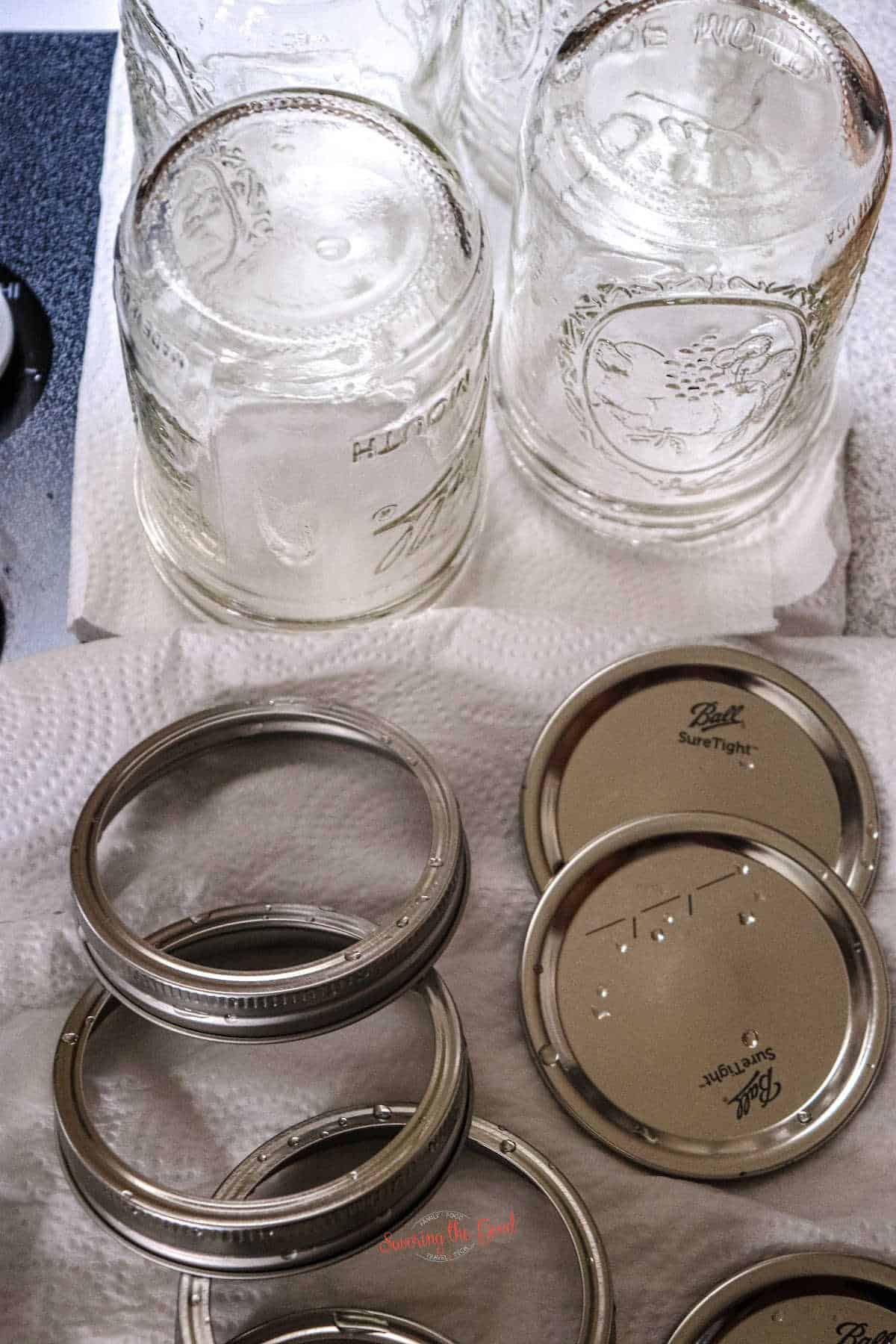
- Wash and rinse half-pint canning jars, and keep them hot until you are ready to fill them. Prepare your lids according to the manufacturer's directions.

- Rinse the tomatoes, remove the cores, and chop them into ½ to ¾-inch pieces; there is no need to peel them yet. Place them in a large stockpot, cover, and bring to a boil, stirring as needed to prevent burning. Reduce the heat, remove the lid, and simmer uncovered for about 1 hour, until the volume is reduced by half, stirring frequently to prevent sticking and burning.
- Press the cooked tomatoes through a fine-mesh sieve or a food mill fitted with a fine blade. Do not use a blender or food processor here; they whip air into the tomatoes in a way the tested processing time does not account for.

- Return the sieved tomatoes to the pot and stir the citric acid in thoroughly; this matters, since the acid needs to be distributed evenly through the tomatoes rather than dropped into the jar later. Stir in the salt, bay leaves, and garlic if using. Continue cooking uncovered on medium heat, stirring frequently, until the paste rounds up on a spoon and the volume has reduced by half again, about 2.5 hours more. Watch closely near the end; this is exactly the stage where it scorches fastest.
- Remove the bay leaves and garlic clove. Fill the hot paste into your hot, clean half-pint jars, leaving ½-inch headspace. Remove air bubbles, wipe the jar rims clean, and apply your lids.

Nutrition
Notes
*This recipe was originally posted on Sept. 23, 2013

I am Sarah Mock. Welcome!
Sarah Mock is a classically trained Chef and a graduate of Johnson & Wales University. A culinary blogger for 17 years, Sarah helps the home cook prepare her recipes with professional results.


Kristin Marten says
Would it be ok to process in pint or half pint jars? For the same time?
Kristin Marten says
You don’t have to add citric acid or lemon juice?
Sarah Mock says
You don't.
Janelle says
I have 33 jars of home-canned tomato sauce from last summer. Can I use those and simmer them down to paste and re-can them in water bath? The sauce is still good just wondering about quality and safety? And I used all Roma tomatoes for my sauce last year. Also, I’ve heard you can use your crock pot to make sauce and are less likely to burn toward the end… any advice is welcome!
Brittney says
How long will this last in the freezer?
Sarah Mock says
Birittney,
I keep tomato paste in the freezer for up to a year.
HouTom says
Sorry, I just have to comment on this. Romas are classified as a paste tomato not just because they have less water content but also because they are a meatier variety of tomato that therefore produces more sauce or more paste when processed.
Kathy says
The recipe calls for 2 pounds of Roma tomatoes but in your Notes, you mention that it took only 3 hours and 8 pounds of tomatoes to get to the finished product. So am I the one confused or did you mean to say one needs 8 pounds of Roma tomatoes to end up with 2 pounds of tomato paste?
Sarah Mock says
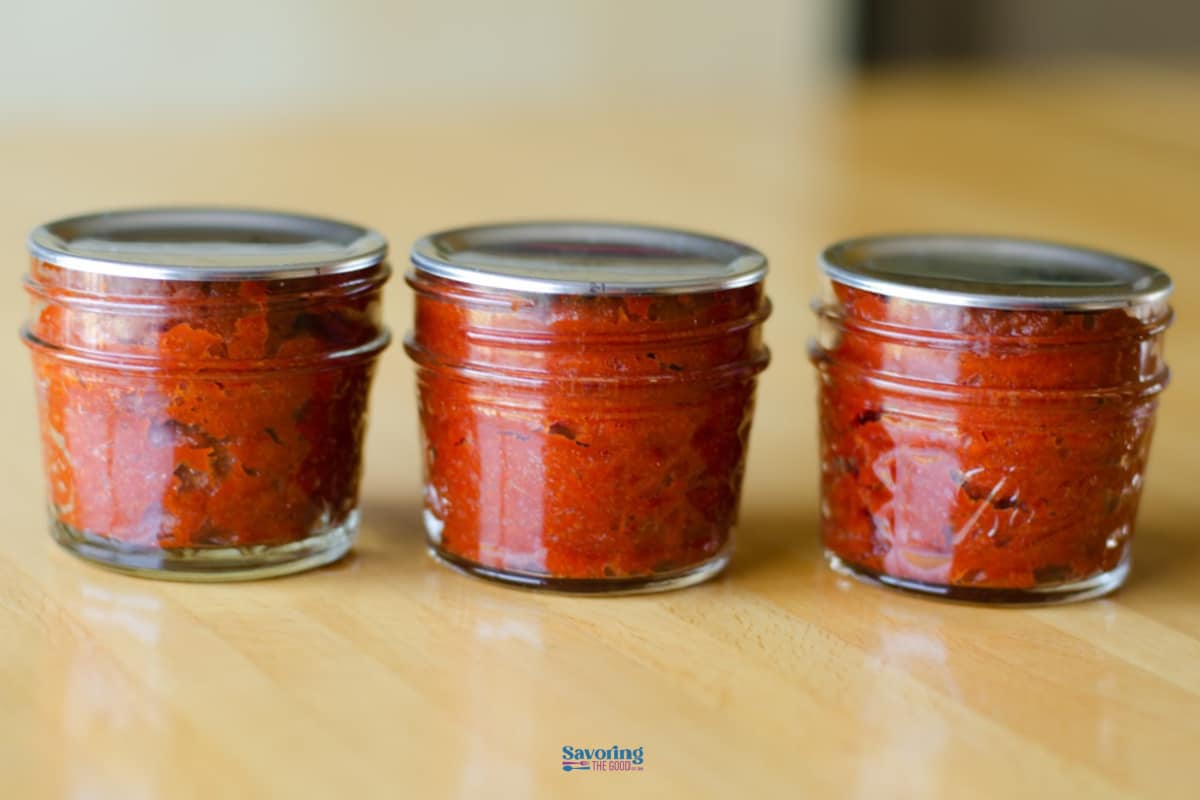
Great catch Kathy! I wrote this post way back in 2013 and there have been so many format changes over the years. That detail somehow got over looked! I corrected the recipe card. I use 8 lbs of aroma tomatoes, with 1 bay leaf per 2 lbs of tomatoes.(this way if you want to make a HUGE batch you know how many bay leaves you know how many to use. This recipe will make about 4 (4 Oz. jars) of paste. It is NOT a lot considering what you start with but the flavors are INTENSE.
Judi says
In the narrative, you say any tomato BUT Roma is preferred. However, the recipe says to use Roma’s. I’m confused. Would you mind clarifying?
Sarah Mock says
Use Roma's if you have them available to you. If you don't, use another type of tomato. Romas have a lower moisture content and that is why I love them. Another variety may have more moisture, taking longer to reduce. I hope that helps.
Nicole says
What method can be substituted for a food mill if you don't have one? ✋ Maybe a blender? Or just mash it...?
Sarah Mock says
you are welcome to use a blender but I would run it for a few minutes. The idea of the food mill is it is going to remove all the skins and seeds. Alternatively, you can de-seed and remove the skins of the tomatoes before starting to cook them down.
Gretta says
Thanks this will help me so much
Sue says
~I made this today....it tastes amazing!! Thank you so much for the recipe! :)
Sarah says
You are more than welcome!I am glad you loved it. Tomato paste is am amazing addition to so many recipes.