



Create a homemade turkey rub that'll make your family swoon. Say goodbye to doubts and hello to a Thanksgiving feast that leaves everyone begging for seconds!

Introducing the ultimate Turkey Rub Recipe, tailor-made for first-time cooks like you! Our foolproof blend of savory spices, including paprika, rosemary, and sage, will elevate your turkey to culinary perfection.
Loved this rub with melted butter on our turkey. Added the smoked paprika. BIG hit at Thanksgiving this year! (2025)
★★★★★~ Kelly M
Turkey Rub Ingredients:
Are you a first-time home cook feeling overwhelmed about preparing a Thanksgiving feast for your family? Worried about making a turkey that's flavorful and unforgettable? Don't let inexperience dampen your Thanksgiving spirit!
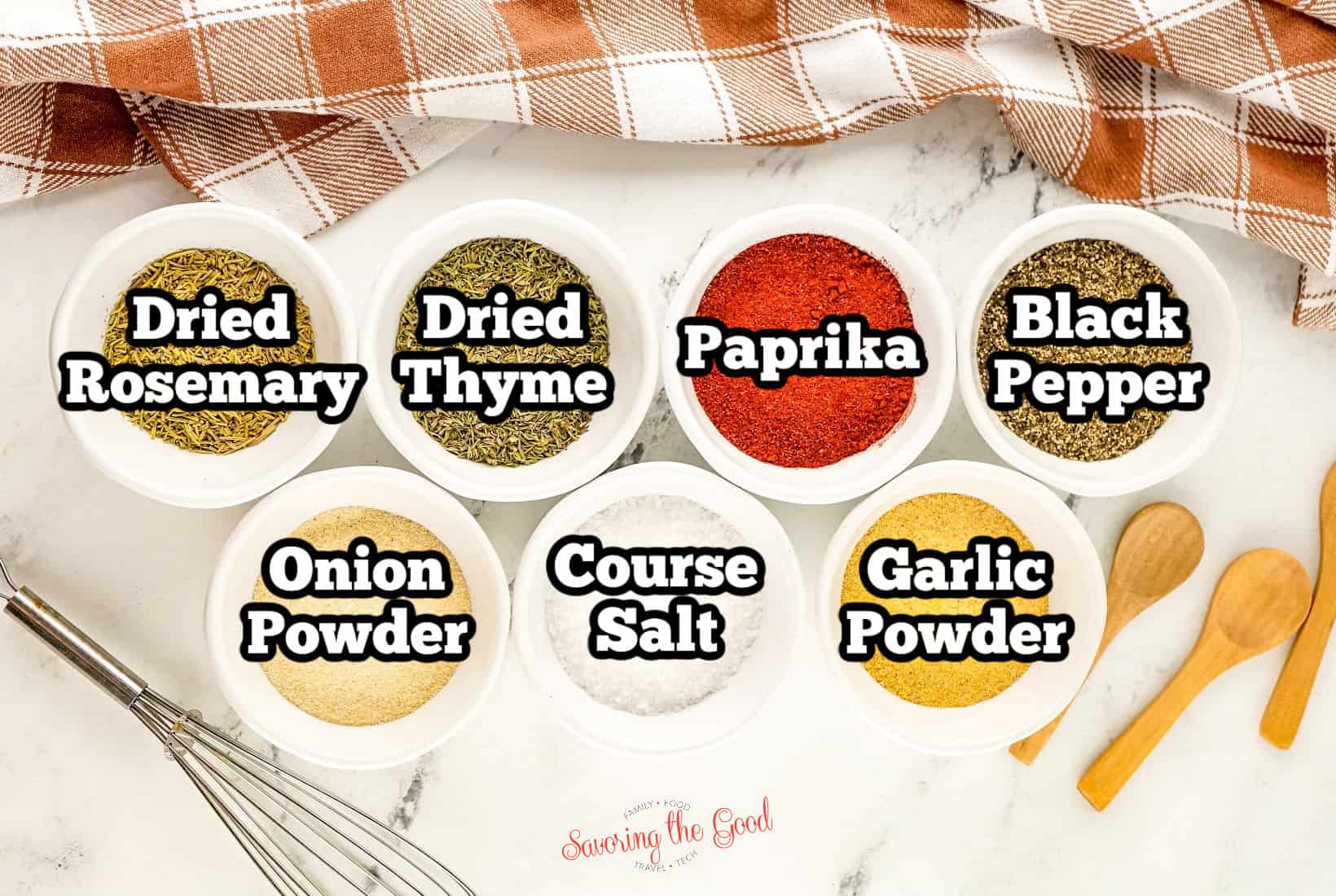
From the warm, inviting color of paprika to the aromatic notes of thyme and rosemary, each element plays a vital role in making this turkey rub the best blend for a truly memorable meal!
Recipe Card?
To find the full printable recipe with specific measurements and directions CLICK HERE to go to the recipe card.
How to make homemade turkey rub recipe
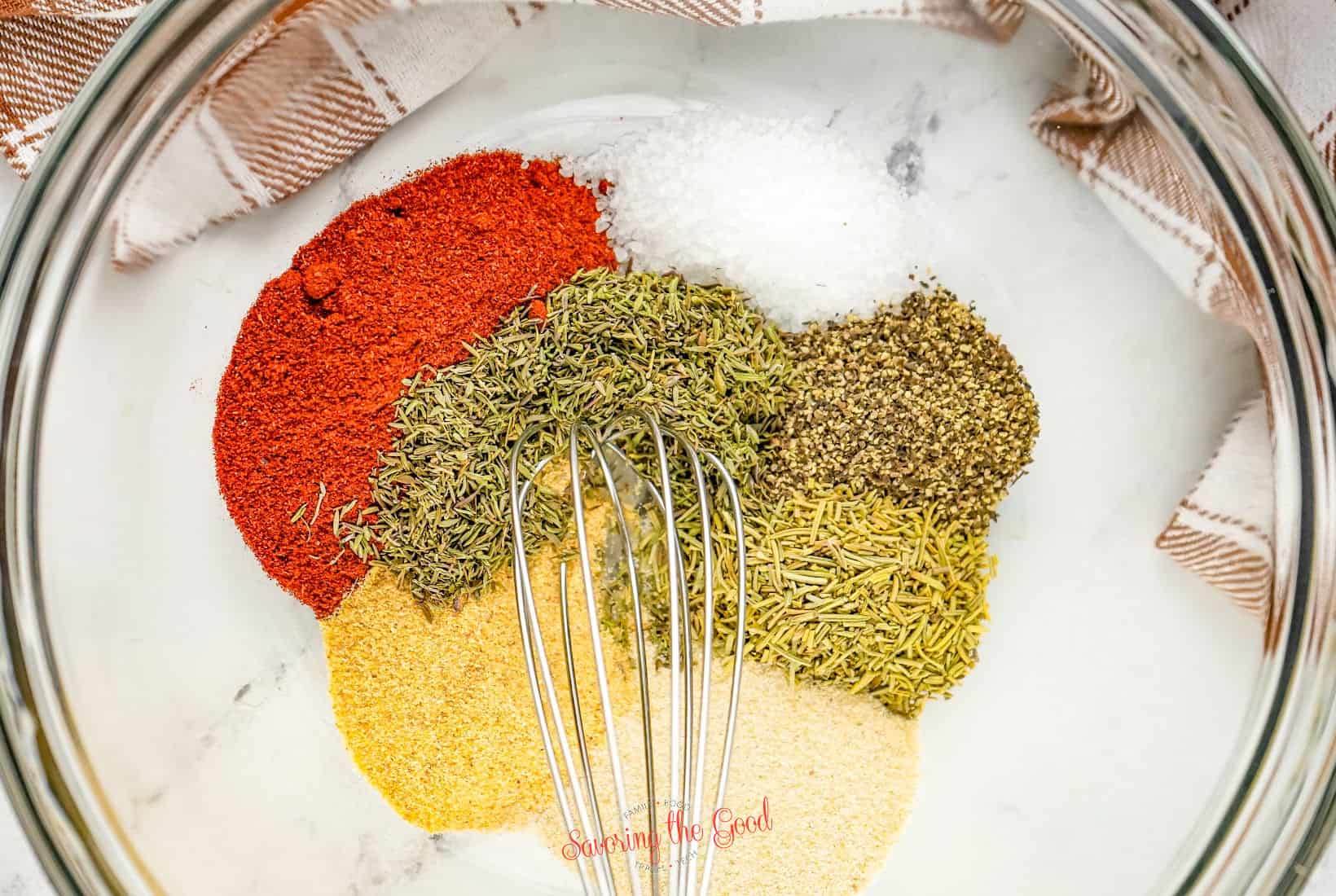
- In a small bowl, combine all the ingredients.
- Whisk the mixture until everything is fully combined and blended.

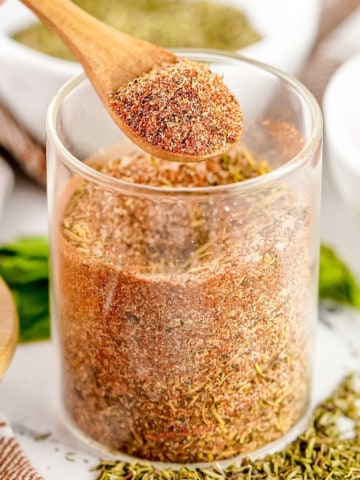
- Transfer the homemade rub to a sealed jar or container.

Did you make this recipe?
Do you have feedback that would be helpful to others? If so can help this small business owner by leaving a rating and a review in the comments section? Thank you for being part of the Savoring The Good Community. ~ Sarah
Variations Of This Spice Blend
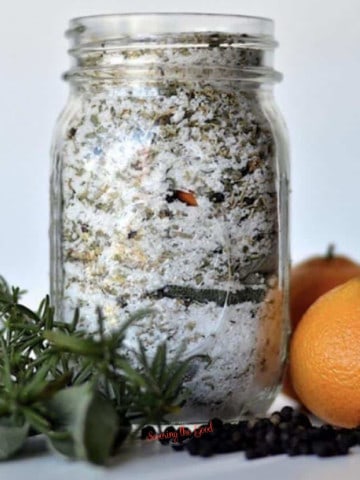
Combine 2 tablespoons of the first ingredient in the list with 1 tablespoon of the other ingredients to make a variation of this homemade seasoning for your holiday turkey.
Mild and Smoky Variation:
- Smoked Paprika (for a smoky flavor instead of regular)
- Kosher Salt (instead of coarse salt, for a milder taste)
- Ground White Pepper (for a milder and less spicy option)
- Dried Sage (in place of dried thyme, for a different herbaceous flavor)
- Dried Marjoram (instead of dried rosemary, for a gentle citrusy aroma)
- Granulated Garlic (a coarser texture than garlic powder, for a subtle garlicky kick)
- Granulated Onion (similar to onion powder but with a coarser texture)
Citrus and Spice Variation:
- Sweet Paprika (for a slightly sweeter taste)
- Sea Salt (instead of coarse salt, for a finer texture)
- Ground Cayenne Pepper (for a spicier kick)
- Dried Thyme (unchanged, as it pairs well with citrus flavors)
- Dried Orange Zest (to add a citrusy twist)
- Granulated Garlic (unchanged, as it provides a strong garlic flavor)
- Ground Ginger (for a warm and aromatic note)
Herbs and Heat Variation:
- Hot Paprika (for a spicier heat)
- Himalayan Pink Salt (a slightly different flavor profile than coarse salt)
- Crushed Red Pepper Flakes (for added heat and texture)
- Dried Oregano (in place of dried thyme, for a more intense herbaceous flavor)
- Dried Basil (instead of dried rosemary, for a sweeter and milder taste)
- Granulated Garlic (unchanged, as it provides a robust taste)
- Ground Turmeric (for a warm, earthy flavor and vibrant color)
Sweet and Savory Variation:
- Smoked Paprika (for a hint of smoky flavor)
- Brown Sugar (for a sweet and caramelized taste)
- Kosher Salt (a milder alternative to coarse salt)
- Ground Black Pepper (unchanged, as it complements the sweet and savory blend)
- Dried Thyme (unchanged,)
- Dried Rosemary (unchanged, for an aromatic touch)
- Onion Flakes (for a different texture and subtle onion flavor)
Turkey Preparation Essentials



The Science Behind a Perfect Turkey Rub
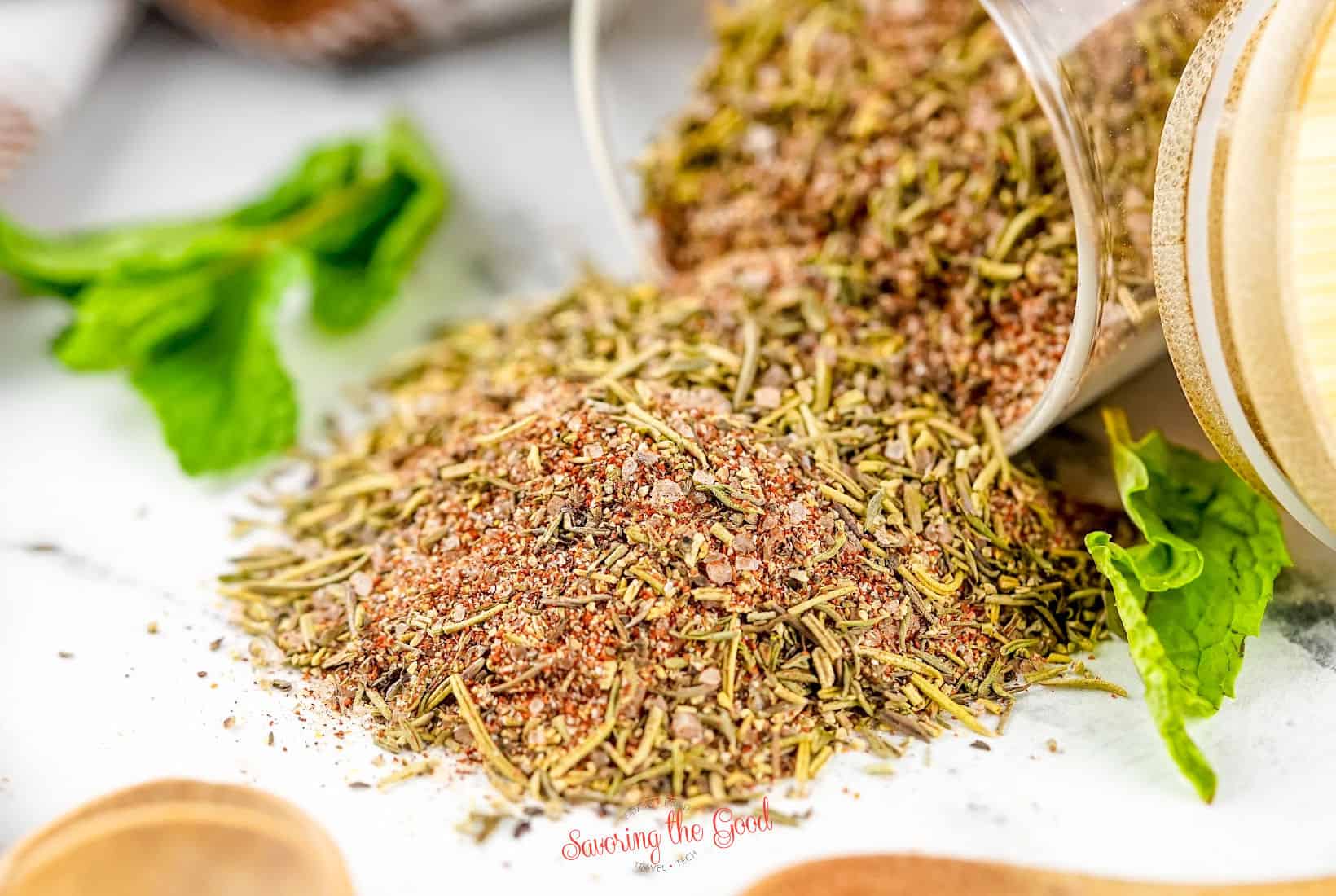
- Herbs: Herbs like rosemary, thyme, sage, and oregano add a fresh, earthy taste and aroma to the turkey. Their natural oils infuse the meat with delicious flavors.
- Spices: Spices such as pepper, paprika, cumin, and coriander add warmth and zing to the rub, forming a tempting crust when the turkey cooks.
- Flavor Enhancers: Ingredients like brown sugar, garlic powder, and citrus zest enhance the overall taste, adding sweetness, tanginess, or savory goodness.
- Interaction with Turkey: When you apply the rub, it draws out some moisture from the skin, helping the herbs and spices stick better. The natural juices of the turkey combine with the rub, forming a flavorful barrier that locks in moisture and keeps the meat tender and juicy.
How to store turkey seasoning

- Transfer the homemade turkey dry rub to a sealed jar or container.
- Store it in a cool, dry area.
- Enjoy your delicious rub for up to 3 months!

Food Grade And Safe
Silica Gel Packet
Contains orange indicator beads that will become dark green when it needs to be replaced.
How to season a turkey with dry rub
The key to a perfectly seasoned turkey lies in the art of applying the turkey rub like a seasoned pro. Let's walk you through a step-by-step guide to achieve an even coating and maximize that tantalizing flavor. Once the bird is seasoned and in the oven, take a look at my best sides to serve with turkey so the rest of the table is ready when it comes out.
- Clean and Pat Dry- Before you start, make sure your whole turkey is clean and dry. Pat it gently with paper towels to remove any excess moisture, as a dry surface will help the rub stick better.
- Season the Inside - Don't forget the inside of your turkey! Sprinkle a little of the spice rub into the cavity to impart flavor from within.
- Apply Olive Oil or Butter - To help the dry rub recipe adhere, brush the entire turkey with a thin layer of olive oil or melted butter. This creates a nice base for the rub to cling to.
- Rubbing Ritual - Now comes the fun part! Sprinkle the turkey rub generously all over the bird starting with the turkey breast. Use your hands to massage the rub into every nook and cranny of the turkey skin, ensuring an even coating. Be gentle, and don't be afraid to get your hands dirty!
- Time to Rest - Once your turkey is all beautifully seasoned, let it rest for a bit. Cover it with plastic wrap or aluminum foil and refrigerate for at least 1 to 24 hours. This resting time allows the flavors to penetrate the turkey, making a flavorful turkey taste even more amazing when cooked.
- Bring it to Room Temperature - About an hour before cooking, take the seasoned turkey out of the fridge and let it come to room temperature. This helps the turkey cook more evenly and ensures a juicier result.
- Cook to Perfection - Now, it's time to cook your perfectly seasoned turkey as per your chosen method to make turkey. Get ready for your kitchen to be filled with the most delightful aromas!
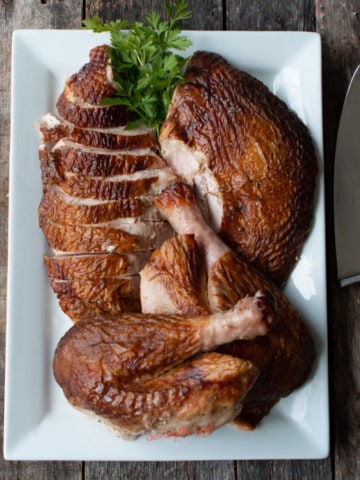
- The Grand Reveal - Once the turkey is cooked to perfection, it's time for the grand reveal! Carve into your masterpiece, and watch everyone savor the explosion of flavors you've created.
Ways To Use This Recipe On Your Thanksgiving Turkey
Once your turkey is perfectly seasoned with that amazing turkey rub, it's time to work some cooking magic! Depending on your preference and equipment, you have three fantastic cooking methods to choose from: roasting, grilling, and smoking. Each method brings its own unique flavors and textures to complement your rub.
Roast Turkey

Roasting is a classic and popular way to cook a turkey. It results in a beautifully browned and tender bird with a mouthwatering aroma that fills your kitchen. To roast your turkey to perfection, follow these general guidelines:
- Cooking Time: As a rule of thumb, roast your turkey at 325°F (165°C). The cooking time will vary depending on the turkey's size, but a good estimate is about 15 minutes per pound (30 minutes per kg). Use a meat thermometer to check the internal temperature, which should reach 165°F (74°C) in the thickest part of the thigh.
Grilled Turkey
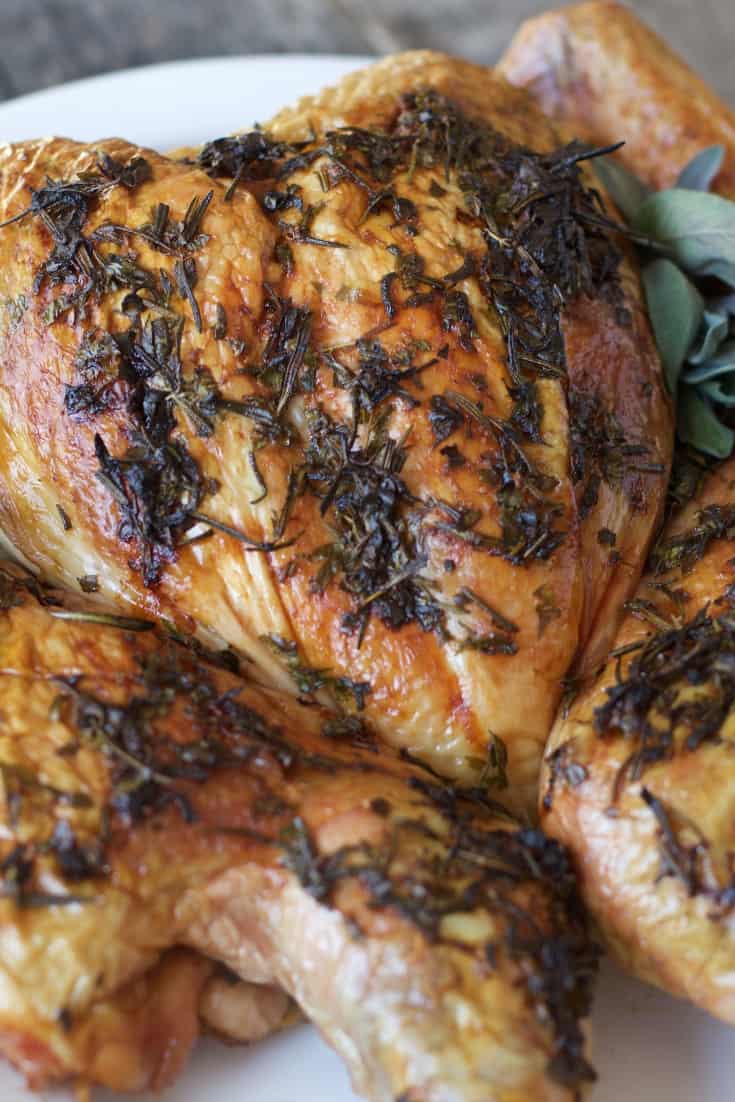
Adds a delightful smoky flavor and a crispy, charred skin. It's perfect for those who love that outdoor cooking experience. Here's what you need to know:
- Indirect Heat: Set up your grill for indirect heat cooking. Place a drip pan under the turkey to catch the juices and prevent flare-ups.
- Cooking Time: Cook your turkey at a steady temperature of around 325°F (165°C). The cooking time will be similar to roasting, but it can be a bit faster due to the direct heat on the outer skin. Again, use a meat thermometer to ensure the internal temperature reaches 165°F (74°C).
Smoked Turkey

Smoking your turkey recipe takes it to the next level, infusing it with rich, smoky goodness. This method requires a bit more time and attention, but the results are worth it. Here are some pointers:
- Low and Slow: Smoke your turkey at a lower temperature of around 225°F (107°C) for a longer time. This slow cooking process allows the flavors to penetrate deep into the meat.
- Wood Chips: Use hardwood chips like hickory, applewood, or cherry to achieve that delicious smokiness. Soak the chips in water for about 30 minutes before adding them to your smoker box or directly on the coals.
How Long To Cook A Whole Turkey
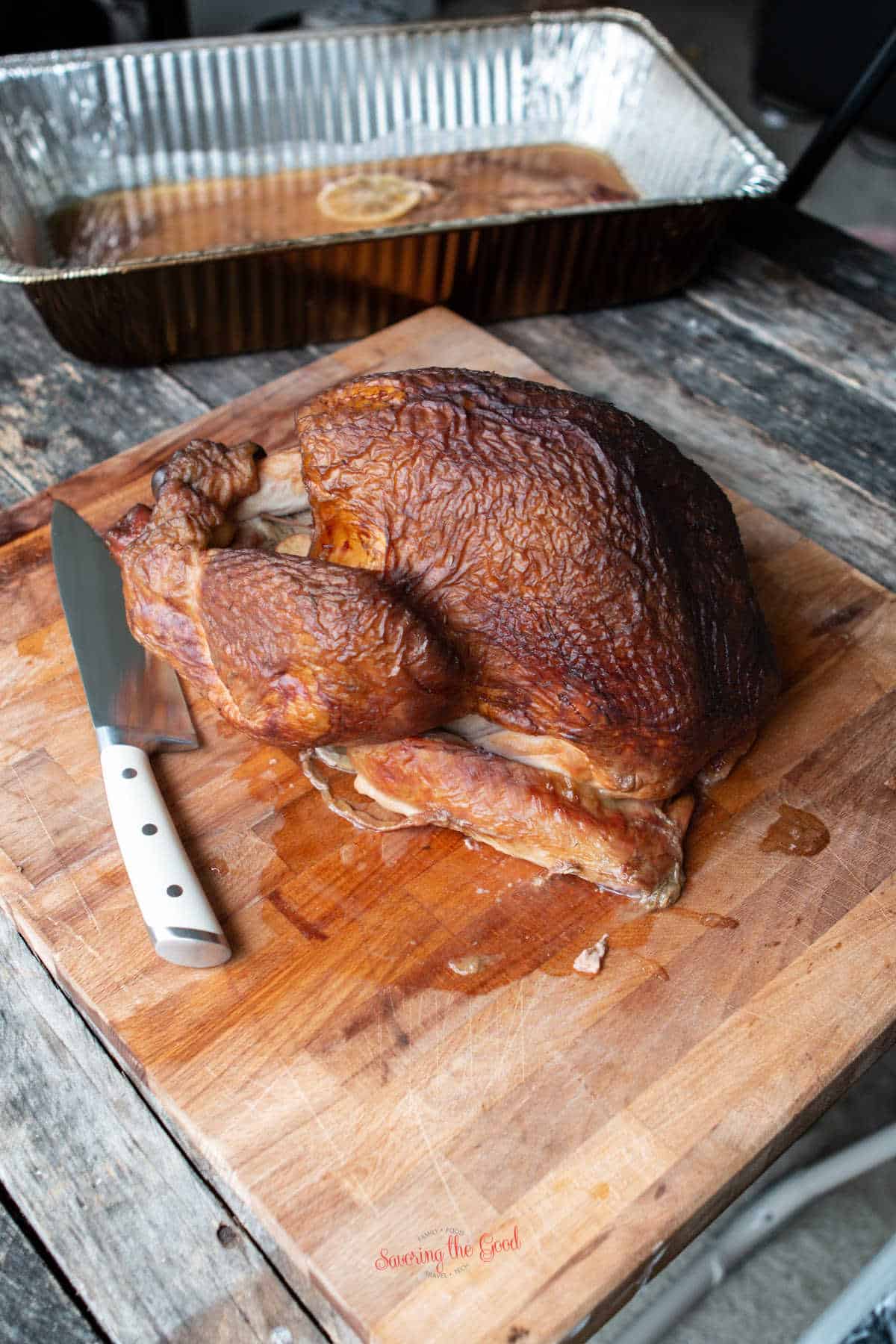
Cooking Time Guidelines: Here's a rough estimate for cooking times based on turkey size:
- 8-12 pounds (3.6-5.4 kg): 2.5 to 3.5 hours
- 12-16 pounds (5.4-7.3 kg): 3.5 to 4.5 hours
- 16-20 pounds (7.3-9.1 kg): 4.5 to 5.5 hours
- 20-24 pounds (9.1-10.9 kg): 5.5 to 6.5 hours
Remember, these times are approximate, so always use a meat thermometer to confirm the turkey's doneness.
Deep Fried Turkey
Deep-frying your turkey is a fantastic way to get a juicy, tender interior and crispy skin. Follow these simple guidelines for a delicious result:
- Prep Turkey: Make sure your turkey is completely thawed and dry. Choose a safe outdoor spot for frying.
- Measure Oil and Heat: Measure the oil level by placing the turkey in the empty fryer and filling it with water until the turkey is submerged. Remove the turkey and note the water level; this is how much oil you'll need. Heat the oil to 350°F (175°C).
- Lower Turkey: Gently put the turkey into the hot oil using a fryer basket or a sturdy utensil.
- Cook and Check: Fry the turkey for about 3-4 minutes per pound (7-9 minutes per kg). Ensure the internal temperature reaches 165°F (74°C).
- Let it Rest: After frying, let the turkey rest for 20-30 minutes before carving.
Safety First: Always use a fryer designed for turkeys. Don't fry frozen or partially thawed turkeys. Keep a fire extinguisher nearby and have a helper with you.


Seasonal Favorite
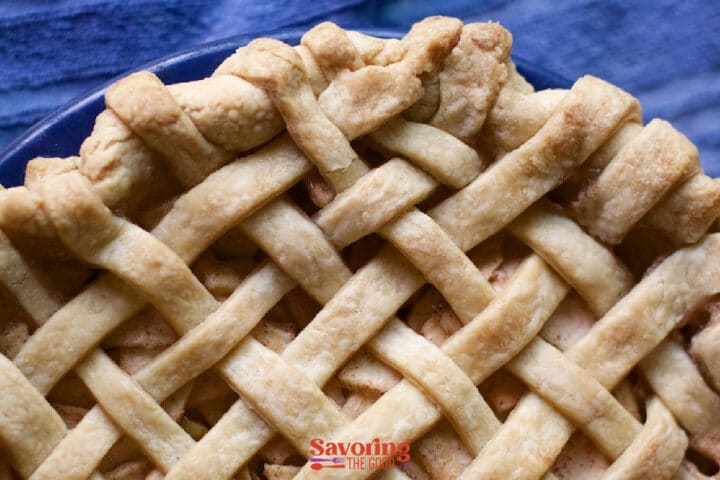
This is my award-winning Crisco pie crust recipe; flaky, tender, and made with simple ingredients you already have.
Frequently asked questions, answers and tips:
A turkey rub is a blend of herbs, spices, and seasonings that is rubbed on the surface of your turkey. It's different from marinades or brines, as marinades and brines soak into the meat. Instead, the dry rub creates a flavorful crust on the outside of the bird.
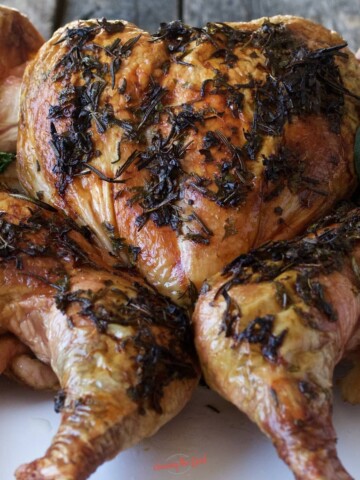
The great thing about using a turkey rub is that it adds an amazing taste to your turkey. Plus, it makes your turkey look gorgeous with a crispy, golden skin.


Ingredients
- 2 Tablespoon (2 Tablespoon) Paprika
- 1 Tablespoon (1 Tablespoon) Coarse Salt
- 1 Tablespoon (1 Tablespoon) Black Pepper
- 1 Tablespoon (1 Tablespoon) Dried Thyme
- 1 Tablespoon (1 Tablespoon) Dried Rosemary
- 1 Tablespoon (1 Tablespoon) Garlic Powder
- 1 Tablespoon (1 Tablespoon) Onion Powder
Instructions
- Combine all ingredients in a small-medium mixing bowl and whisk until fully combined.2 Tablespoon Paprika, 1 Tablespoon Coarse Salt, 1 Tablespoon Black Pepper, 1 Tablespoon Dried Thyme, 1 Tablespoon Dried Rosemary, 1 Tablespoon Garlic Powder, 1 Tablespoon Onion Powder
- Store in a sealed jar or container in a cool, dry area for up to 3 months.
Nutrition
Notes

I am Sarah Mock. Welcome!
Sarah Mock is a classically trained Chef and graduate of Johnson & Wales University. A culinary blogger for 16 years Sarah helps the home cook prepare her recipes with professional results.


Kelly M says
Loved this rub with melted butter on our turkey. Added the smoked paprika. BIG hit at Thanksgiving this year!
Sarah Mock says
Kelly I am so happy to hear how much you loved this recipe! Paprika is a great addition and a delicious way to personalize this rub to your liking.
~ Sarah
Matt says
My family loved this! Added a table spoon of sage as well.
Sarah Mock says
OOh! That is a great addition Matt. I am glad that this recipe was part of your Thanksgiving festivities.
~ Sarah