

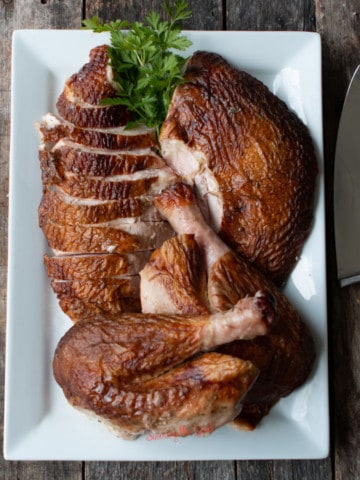
Whole smoked turkey is a juicy, smoky, golden-skinned holiday centerpiece made on a pellet grill with a simple overnight dry brine and fruitwood pellets. I smoke our Thanksgiving turkey on my RecTeq so the oven stays free for every side dish on the table. Plan on 30 minutes of hands-on prep, an overnight brine, and about 6 hours on the smoker for a 12 pound turkey.

Start by making sure you safely thaw your turkey; a partly frozen bird is the number one reason a smoked turkey cooks unevenly. If you do not have a smoker, my juicy oven roasted turkey or a spatchcock turkey gets dinner on the table faster.
Why I Smoke Our Thanksgiving Turkey
The biggest reason is oven space. With the turkey outside on the grill, the stuffing, the casseroles, and the pies all get the oven to themselves.
The second reason is flavor. A few hours of apple or cherry smoke gives the meat a gentle, sweet smokiness all the way to the bone, and the pan drippings make a deeply savory gravy.
Ingredients for a Whole Smoked Turkey
The ingredient list is short on purpose; the smoke, the salt, and the timing do the heavy lifting. Here is what each one is doing for you. The full measurements are in the recipe card below.
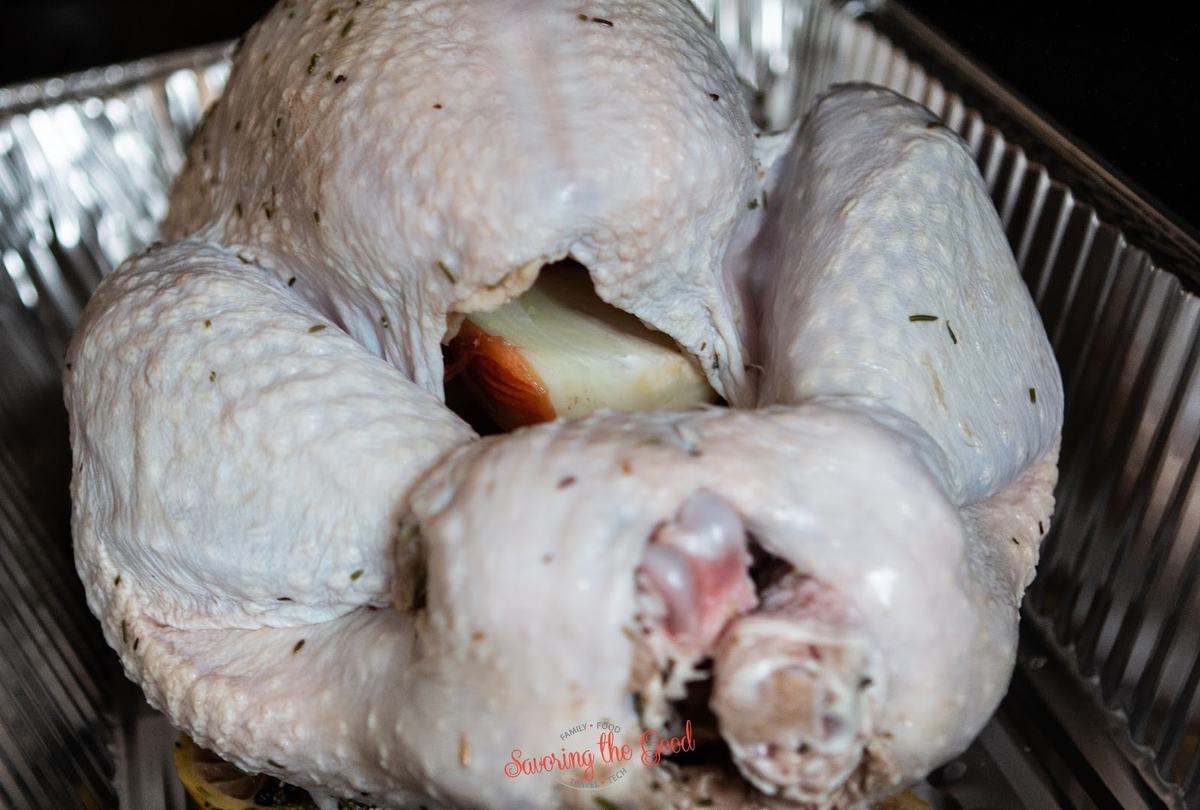
- Whole turkey, 12 pounds or smaller: Size matters more for smoking than for roasting. The USDA recommends smoking a turkey no bigger than about 12 pounds because a large bird spends too long warming through at smoker temperatures. I smoke at 225F the whole time, so I stay at 12 pounds or under; if you are feeding a crowd, smoke two smaller turkeys side by side instead of one giant one.
- Dry brine or turkey rub: My turkey brine dry mix seasons the meat all the way through and dries out the skin overnight, which is the first step to skin that browns instead of turning rubbery. If your turkey is labeled "enhanced," "basted," or "contains up to __% solution," it is already salted; skip the brine and use my turkey rub instead so the meat does not end up too salty.
- Butter or oil: A thin coat of fat on the skin helps it brown and crisp over the long cook. I am a butter girl but if you love olive oil, go for it!
- Onion, apple, orange, herbs, and juice: These go in the roasting pan around the turkey, not inside it. The orange slices make a bed for the bird, everything else flavors the drippings for gravy, and the empty cavity lets heat move through the bird faster.
- Wood pellets: Apple and cherry give poultry a mild, sweet smoke and a deep mahogany color. Hickory is stronger; I would mix it half and half with a fruitwood for turkey.
Recipe Card?
To find the full printable recipe with specific measurements and directions CLICK HERE to go to the recipe card.
Substitutions
These are the swaps I get asked about most every November. If your question is not here, ask it in the comments and I will answer it there.
Turkey breast instead of a whole turkey: A bone-in turkey breast smokes in a fraction of the time and is a good choice for a small gathering. Use the same dry brine and the same 225F smoke, and pull it at 165F in the thickest part.
A different smoker or grill: The method works on any smoker that can hold a steady 225F, including a kettle grill set up for indirect heat. The times change with the equipment, so trust your thermometer over the clock.
A wet brine instead of a dry brine: A wet brine works for juiciness, but it leaves the skin waterlogged, and waterlogged skin will not crisp at smoker temperatures. If you wet brine, pat the bird very dry and let it sit uncovered in the refrigerator for a few hours before it goes on the grill.

On sale for you today!
Sarah's Favorite Thermometer
Never question the temperature of your food again!
Seasonal Favorite
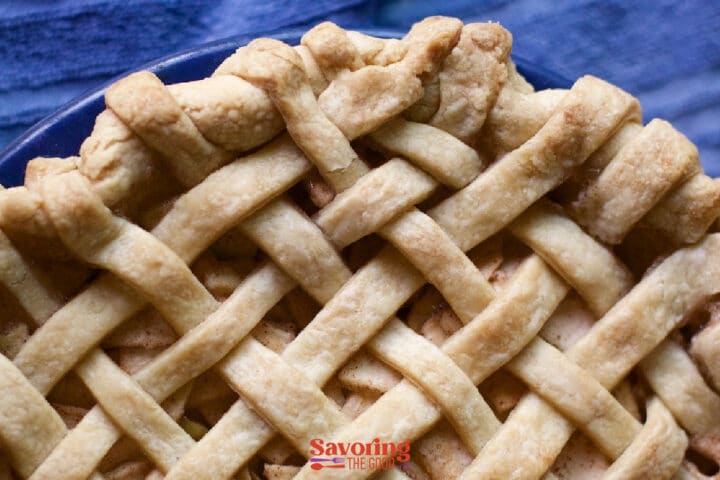
This is my award-winning Crisco pie crust recipe; flaky, tender, and made with simple ingredients you already have.
How to Smoke a Whole Turkey
I will walk you through this the same way I would if I were standing next to you at the grill. Keep a leave-in thermometer handy; it is the most important tool in this recipe.
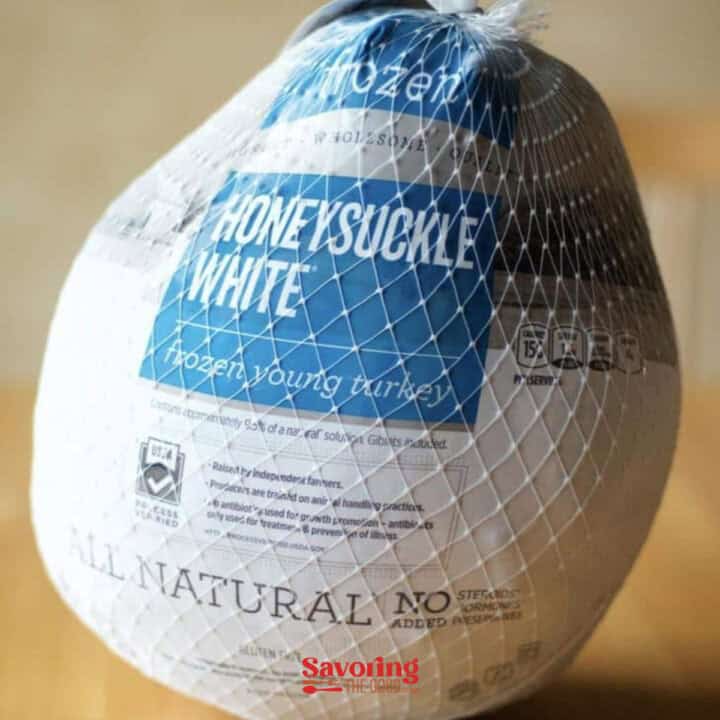
Thaw and unwrap the turkey
Make sure the turkey is completely thawed; reach into the cavity and feel for ice crystals. Pull out the neck and the giblet bag, and save the neck for the roasting pan. Do not rinse the turkey; rinsing splashes raw poultry juices around your sink and counters without making the bird any cleaner.

Dry brine overnight.
Pat the turkey dry with paper towels, season it all over and under the breast skin with the dry brine, and refrigerate it uncovered on a rack set in a sheet pan for 12 to 24 hours. The next morning, the skin should look dry, tight, and slightly translucent. That dry skin is what browns and crisps on the smoker; if you skip this step, you could expect pale, chewy skin.
Preheat the pellet grill.
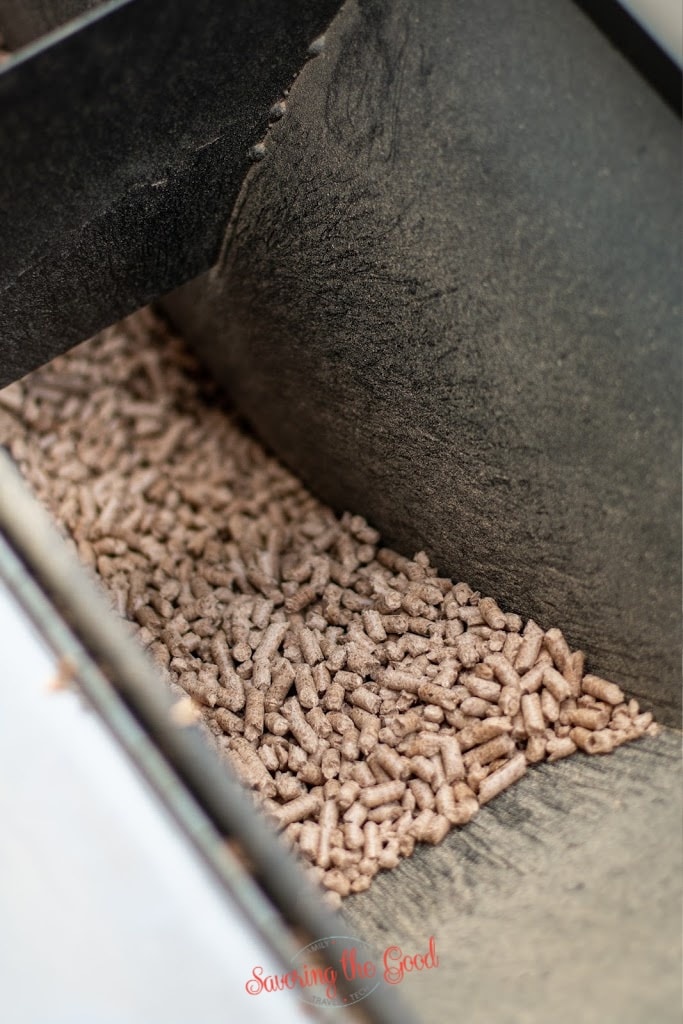
Fill the hopper and preheat the grill to 225F with the lid closed. Give it 15 minutes to settle; you want steady temperature and thin, wispy smoke, not thick white billows.
Set up the roasting pan.
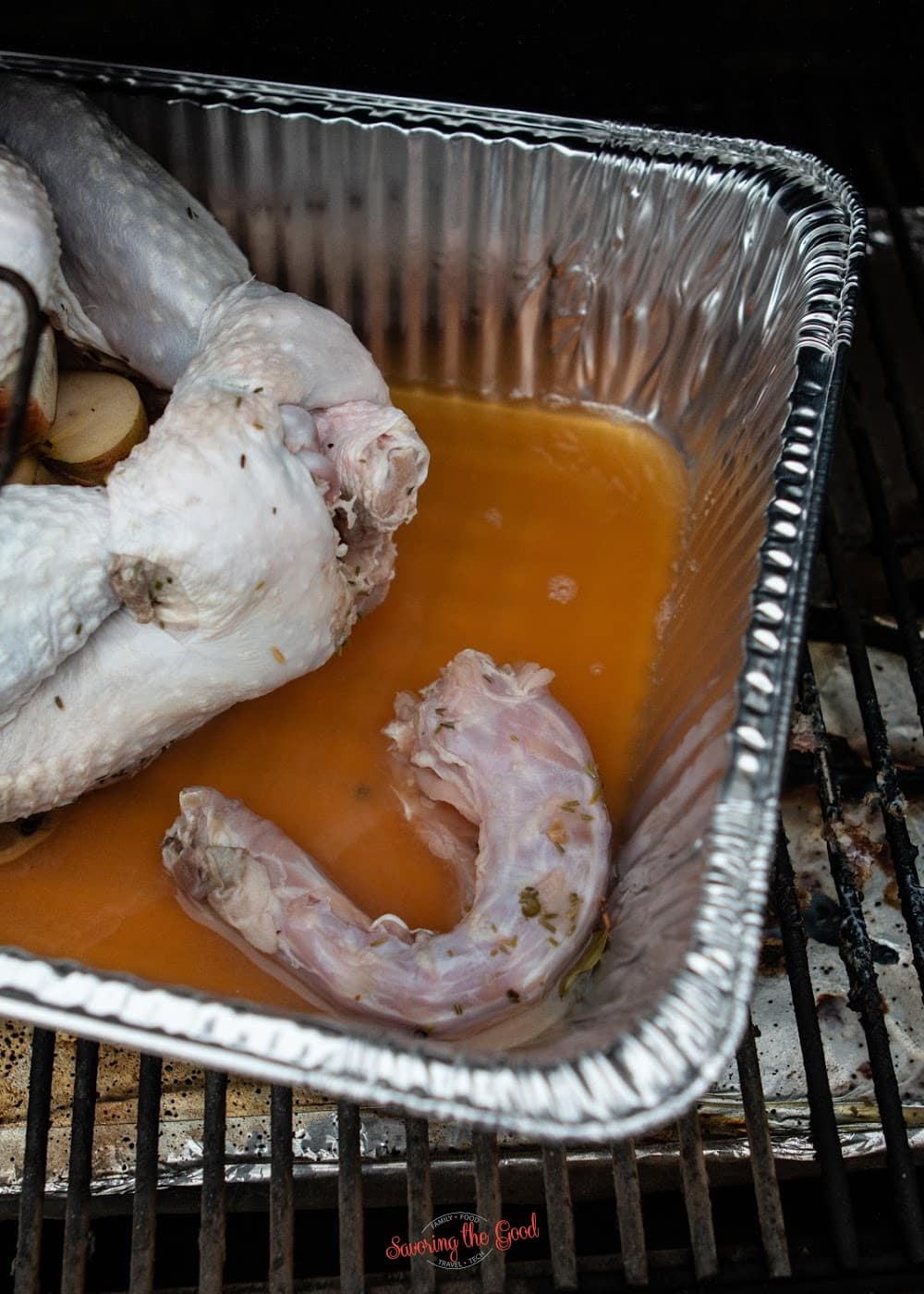
Line the bottom of a disposable aluminum roasting pan with the orange slices; this is the bed the turkey sits on. The pan stays under the bird the whole time and catches every drop of drippings for gravy.

Tuck the wings and coat the skin.
Fold the wingtips back and tuck them behind the breast; this steadies the bird and keeps the tips from scorching. Brush the skin all over with a thin layer of butter or oil and set the turkey on the orange slices, breast side up.
Add the aromatics and juice.
Tuck the onion, apple, and herbs into the pan around the turkey, add the neck, and pour the juice into the pan, not over the bird. Pouring it over the top washes off the seasoning and wets the skin you dried overnight.
Insert the thermometer probes.
Put one leave-in probe into the thickest part of the breast and a second into the innermost part of the thigh, without touching bone. Bone reads hotter than the meat around it and will tell you the turkey is done before it is.
Smoke low and steady.
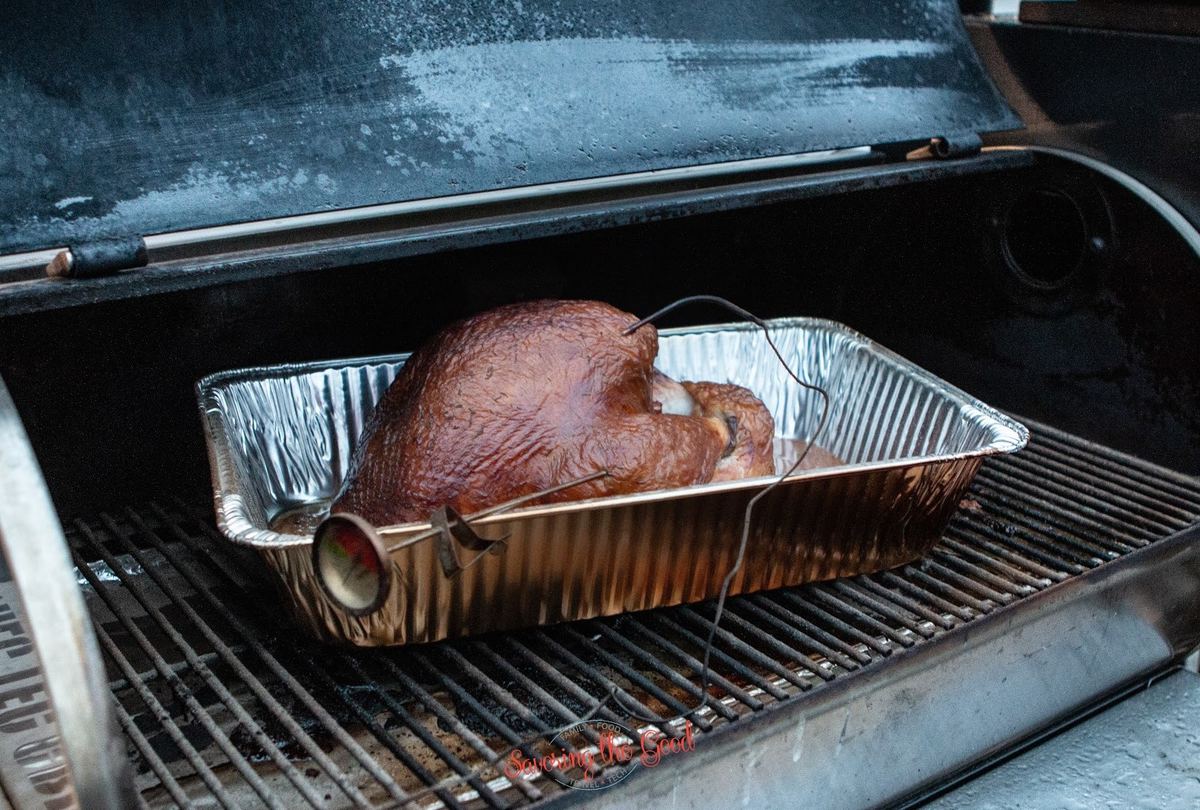
Set the pan on the grill, close the lid, and smoke at 225F the whole way; every peek costs you heat. The turkey is done when the breast reads 165F and the thigh reads 175F, plan on about 30 minutes per pound, so about 6 hours for a 12 pound bird. You do not need a blast of high heat for crisp skin; the long, slow cook renders the fat under the skin and leaves it deep mahogany and crisp. Your thermometer should show the temperature climbing steadily the whole time; if the thigh has not passed 140F within the first 4 hours, raise the grill to 250F. If the breast is racing ahead of the thigh, lay a piece of foil loosely over the breast only.
Lift it out of the pan (optional)
The part of the turkey sitting in the pan will not crisp. If you want crisp skin on the bottom too, put on heat-resistant gloves and lift the turkey out of the pan onto the grill grate for the last 30 minutes. Leave the pan of drippings on the grill so it stays warm for gravy.
Rest the turkey.
Move the turkey to a cutting board, tent it loosely with foil, and let it rest for 30 to 45 minutes. The temperature will climb a few more degrees and the juices settle back into the meat. Tent loosely; wrapping it tight traps steam and softens the skin you worked for.
Hot food stays at 140F or above and cold food at 40F or below; that's the rule I teach every holiday. Shop the warmers, chillers, and thermometers that keep a buffet safe from the first plate to the last.

Carve and make the gravy.
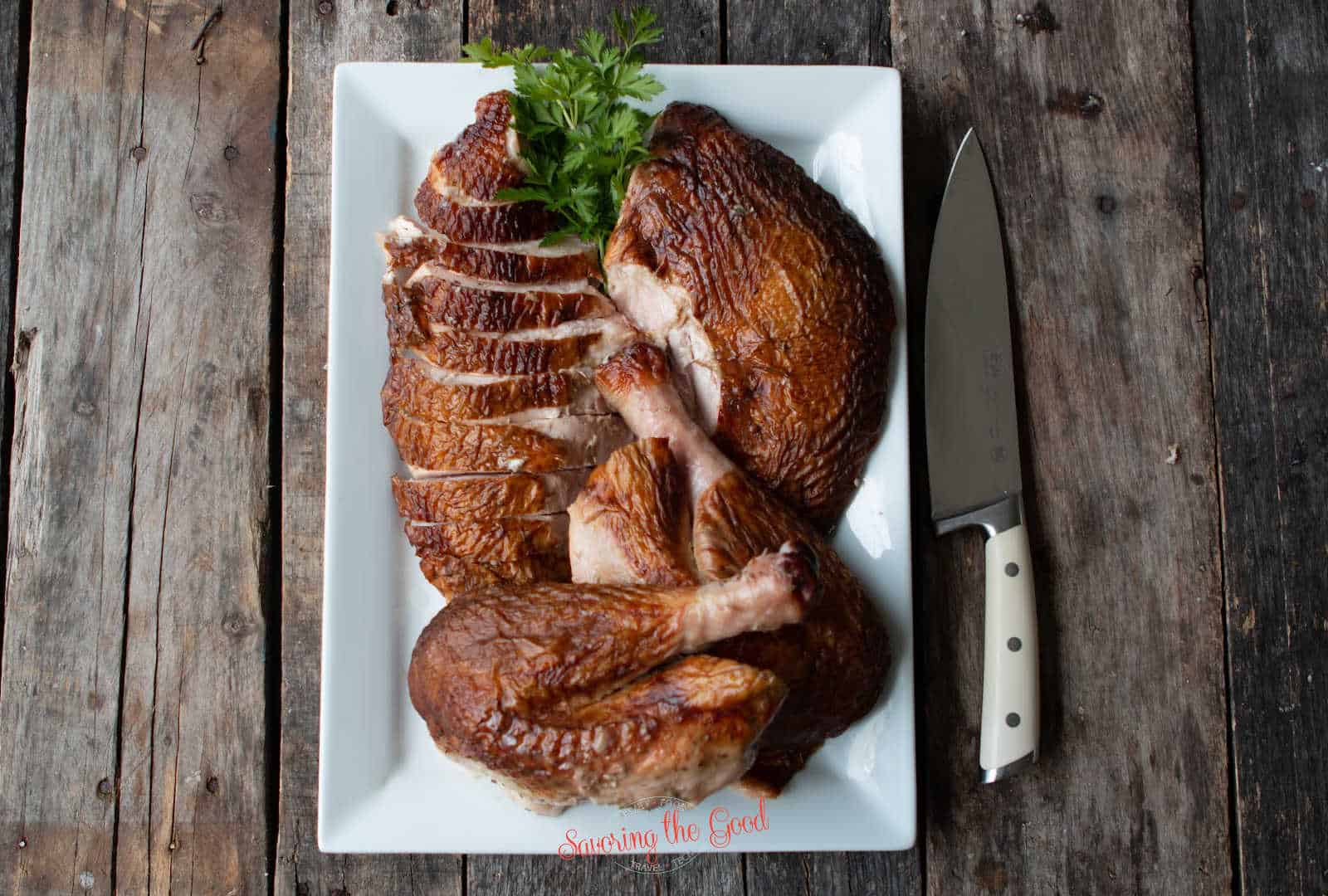
While the turkey rests, pour the drippings from the pan through a strainer, skim the fat, and use them for my turkey gravy from drippings. Then follow my steps for how to carve a turkey. Save the carcass for homemade turkey stock; a smoked carcass makes a rich, smoky stock for soup.

Add more flavor!
Turkey Rub
My foolproof blend of savory spices.
Did you make this recipe?
Do you have feedback that would be helpful to others? If so can help this small business owner by leaving a rating and a review in the comments section? Thank you for being part of the Savoring The Good Community. ~ Sarah
Learn a kitchen skill
How To Carve A Turkey
Grab a sharp knife, a large cutting board and your confidence. We are going to do this together.
Frequently asked questions, answers and tips:
While I try to share all the information you need to make this recipe in your home with restaurant-quality results, there still may be a question or two. Or these are questions I have received from the community about this recipe. I do my best to answer them as clearly as I can. I hope this helps.
How long does it take to smoke a whole turkey?
At 225F, plan on about 30 minutes per pound; a 12 pound turkey takes about 6 hours. Add 30 to 45 minutes for resting. Wind, cold weather, and opening the lid all add time, so start early and let the thermometer decide.
What temperature should smoked turkey be when it is done?
The USDA safe temperature for turkey is 165F in the thickest part of the breast and the innermost part of the thigh and wing. I take the thigh to 175F because dark meat is more tender at that temperature.
Why is my smoked turkey pink inside?
A pink layer just under the skin is the smoke ring, a normal reaction between wood smoke and the meat. It does not mean the turkey is undercooked. Color is never a safe test for poultry; your thermometer is.
Can I smoke a 20 pound turkey?
I do not recommend it. A large turkey takes too long to warm through at smoker temperatures, which is why the USDA recommends smoking smaller birds. For a big crowd, smoke two 12 pound turkeys side by side, or roast the big one in the oven.
Can I stuff a smoked turkey?
No. At smoker temperatures, stuffing inside the bird takes too long to reach a safe 165F. Bake your stuffing in a dish and keep the turkey cavity empty; the aromatics go in the roasting pan around the bird instead.
Can I smoke the turkey the day before Thanksgiving?
Yes. Let it rest, carve it, and refrigerate the meat in shallow containers within 2 hours. On the day, reheat it covered with a splash of broth in a 325F oven until it reaches 165F.
Chef Tip
1 ½ pounds per person will allow everyone to get enough turkey at the Thanksgiving meal and you may even have leftovers the next day.

Sarah's Culinary Insight
These are the things I have learned from smoking turkeys on my RecTeq year after year.
- Time crisps the skin, not high heat. Holding the grill at a steady 225F for the full 6 hours gives the fat under the skin time to render, and the skin comes off crisp and deep mahogany. The part that sits in the pan stays soft; if that bothers you, lift the bird onto the grate for the last 30 minutes.
- Do not skip the uncovered night in the refrigerator. The one year I brined and went straight to the grill, the skin never dried out enough to brown.
- The breast finishes first. On my grill the breast hits 165F before the thigh hits 175F almost every time. A loose piece of foil over the breast for the last stretch keeps it from drying out.
- Keep the bird in the pan. The pan catches every drop of drippings, and that is where your gravy comes from. Check it once an hour; if the juice is cooking dry, add a splash of water or juice so the drippings do not scorch.


Ingredients
- 1 12 pound (1 12 pound) Turkey or smaller, fully thawed, neck and giblets removed
- 1 recipe (1 recipe) Dry Turkey Brine Recipe Turkey Rub for pre-brined or self-basting turkeys
- 4 Tablespoons (4 Tablespoons) Butter
Aromatics
- 4 sprigs (4 sprigs) Rosemary
- 4 sprigs (4 sprigs) sage
- 1 bunch (1 bunch) Parsley
- 1 (1) Onion sliced in half
- 1 (1) Apple sliced in half
- 1 (1) Orange sliced
- 1 Cup (236 ⅗ ml) Apple Juice apple cider or orange juice, for the roasting pan
Instructions
The day before
- Pat the thawed turkey dry. Season all over and under the breast skin with the dry brine.
- Refrigerate uncovered on a rack set in a sheet pan for 12 to 24 hours.
How to smoke a turkey
- Preheat the pellet grill to 225F.
- Line a disposable roasting pan with the orange slices.
- Tuck the wingtips behind the breast. Brush the skin with melted butter. Set the turkey breast side up on the orange slices. Leave the cavity empty.1 Onion, 1 Apple, 1 Orange
- Place the onion, apple, herbs, and turkey neck in the pan around the turkey. Pour the juice into the pan.1 Cup (236 ⅗ ml) Apple Juice
- Insert leave-in probes into the thickest part of the breast and the innermost thigh, not touching bone.
- Smoke at 225F until the breast reads 165F and the thigh reads 175F, about 30 minutes per pound (about 6 hours for 12 pounds). Tent the breast loosely with foil if it finishes ahead of the thigh.
- Rest, loosely tented with foil, for 30 to 45 minutes.
- Strain the pan drippings and make Turkey Gravy from Drippings. Carve and serve.
Nutrition
Notes
- Turkey size: the USDA recommends smoking turkeys of 8 to 12 pounds. At 225F, do not go bigger. For a crowd, smoke two smaller birds.
- Watch the climb: the thigh should pass 140F within the first 4 hours. If it has not, raise the grill to 250F.
- Do not stuff the turkey. Stuffing inside the bird won't reach 165F in time at smoker temperatures.
- Pre-brined or self-basting turkeys are already salted. Use the turkey rub instead of the brine.
- Storage: refrigerate leftovers in shallow containers within 2 hours for up to 3 to 4 days, or freeze for 2 to 6 months.
- Reheating: cover with a splash of broth and warm in a 325F oven until it reaches 165F.
- Make ahead: smoke the turkey the day before, carve, refrigerate within 2 hours, and reheat as above.

I am Sarah Mock. Welcome!
Sarah Mock is a classically trained Chef and a graduate of Johnson & Wales University. A culinary blogger for 18 years, Sarah helps the home cook prepare her recipes with professional results.



Comments
No Comments