


To make homemade buttermilk it is a simple process that requires only two ingredients: regular milk and an acid. The acid can be in the form of vinegar, lemon juice, or cream of tartar. The acid reacts with the milk, causing it to curdle and thicken, resulting in homemade buttermilk.
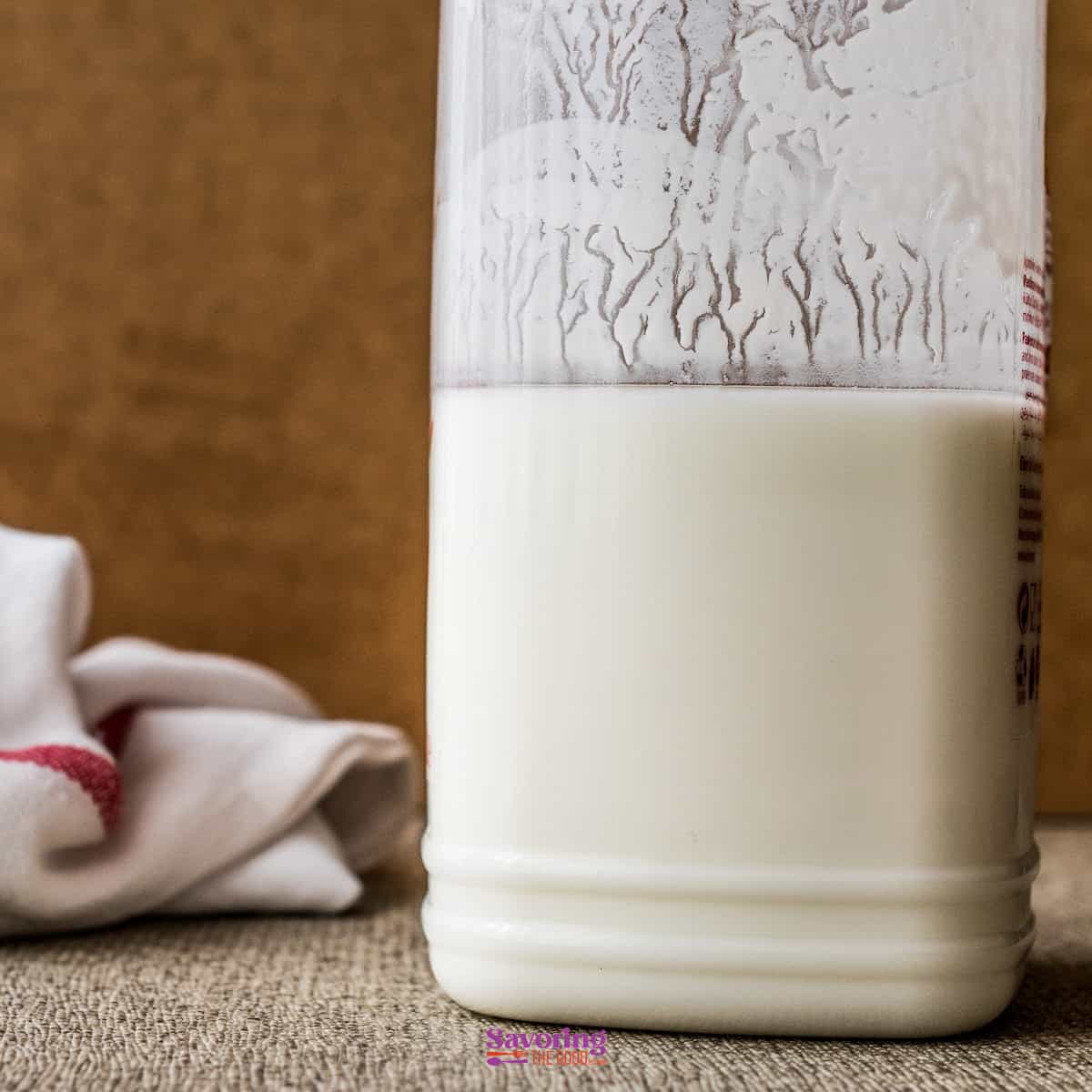
What Is Buttermilk?
As someone who loves to cook, I find that buttermilk is one of the most versatile ingredients in my kitchen. Buttermilk is a tangy, acidic dairy product that is commonly used in baking, marinades, and dressings.
Traditionally, buttermilk was the liquid left over after churning butter from cream. The leftover liquid was then fermented by naturally occurring lactic acid bacteria, which gave it its characteristic tangy flavor. Nowadays, most buttermilk is made by adding lactic acid bacteria to pasteurized milk. This process creates a similar environment to the traditional method but is safer and more consistent.
Recipe Card?
To find the full printable recipe with specific measurements and directions CLICK HERE to go to the recipe card.
How to Make Buttermilk from Milk
This is a simple process that requires only two ingredients: regular milk and an acid. The acid can be in the form of vinegar, lemon juice, or cream of tartar. The acid reacts with the milk, causing it to curdle and thicken, resulting in homemade buttermilk.
- Pour 1 cup of whole or 2% milk into a liquid measuring cup.
- Add 1 tablespoon of vinegar or lemon juice to the milk. Alternatively, you can use 1 ½ teaspoons of cream of tartar.
- Stir the mixture and let it sit for 5-10 minutes. You should see small curdled bits in the mixture, which means it's ready to use.
- Use the buttermilk immediately, or store it in an airtight container in the refrigerator for up to 1 week.
It's important to note that the type of milk you use will affect the flavor and consistency of the buttermilk. Whole milk will result in a richer and creamier buttermilk, while 2% milk will produce a lighter and tangier buttermilk.
Additionally, you can adjust the amount of acid you use to suit your taste preferences. Using more acid will result in a tangier buttermilk while using less acid will produce milder buttermilk.
How to Make Buttermilk with Vinegar
To make your own buttermilk from cows' milk you will need white vinegar and milk. This is the method that was passed down from my grandmother, to my mother, to me and now I share it with you.
- Measure out one tablespoon of white vinegar and add it to a measuring cup.
- Pour enough milk into the measuring cup to measure one cup.
- Stir the mixture and let it stand for about five minutes.
The acid in the vinegar will cause the milk to curdle and thicken. You can use this homemade buttermilk recipe in any recipe that calls for buttermilk.
- If you need more or less than one cup of buttermilk, simply use the same ratio of vinegar to milk. For example, if you need two cups of buttermilk, use two tablespoons of vinegar and enough milk to measure two cups.
- It's important to note that this method works best with whole milk. If you use skim or low-fat milk, the resulting buttermilk may be thinner and less flavorful.
How to Make Buttermilk from Cream
- Start by pouring 1 cup of heavy cream into a clean jar or container with a tight-fitting lid.
- Add 1 tablespoon of plain yogurt or store-bought buttermilk as a starter culture to the cream.
- Give the mixture a good stir, then cover the jar with a lid.
- Allow the cream mixture sit at room temperature for about 12 to 24 hours, depending on the desired thickness and tanginess of the buttermilk. The longer it sits, the thicker and tangier it will become.
- Check the mixture every few hours and give it a gentle stir to ensure that the culture is evenly distributed.
Once the buttermilk has reached the desired consistency and flavor, I give it a final stir and transfer it to the refrigerator to chill. The buttermilk can be stored in an airtight container in the refrigerator for up to 2 weeks.
How to Make Buttermilk with Lemon Juice
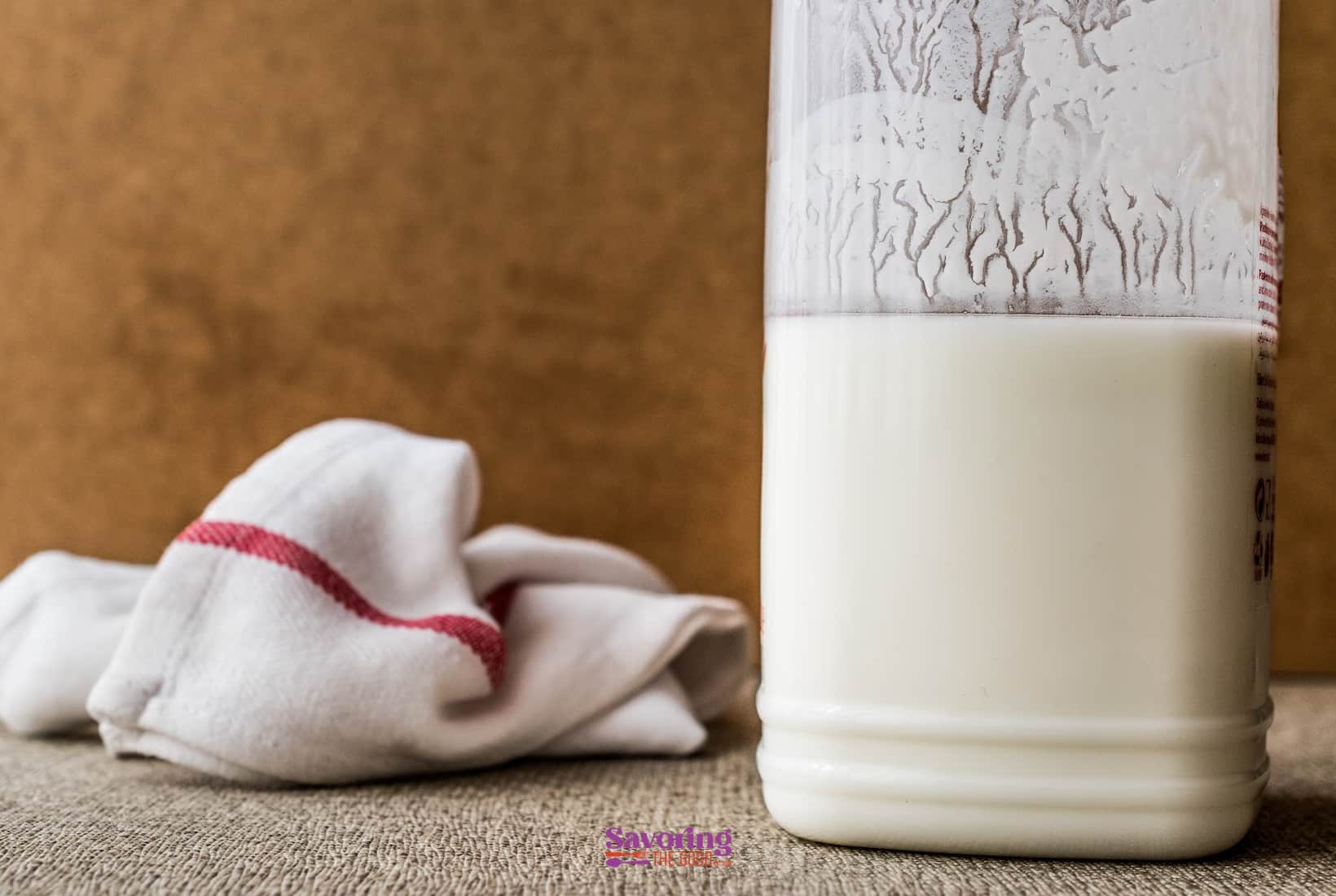
If you are looking for a quick and easy way to make buttermilk, using lemon juice is a great option. Here's how to do it:
- Start with one cup of milk. You can use any type of milk, including whole, skim, or almond milk.
- Add one tablespoon of freshly squeezed lemon juice to the milk.
- Stir the mixture thoroughly and let it sit for a few minutes. The acid in the juice will cause the milk to curdle and thicken, giving it the tangy flavor of buttermilk.
- After a few minutes, your homemade buttermilk is ready to use in your recipe.
It's important to note that the acidity of the lemon juice can vary, so you may need to adjust the amount of lemon juice you use depending on the type of milk you are using. If you find that your buttermilk is not sharp enough, you can add a bit more juice until you reach the desired flavor.
Using lemon juice to make buttermilk is a great option if you don't have any buttermilk on hand or if you want to avoid buying it at the store. It's also a good choice if you want to make a smaller amount of buttermilk, as you can easily adjust the recipe to make just the amount you need.
Seasonal Favorite
This is my award-winning Crisco pie crust recipe; flaky, tender, and made with simple ingredients you already have.
How to Make Buttermilk from Yogurt
Making buttermilk at home from yogurt is a quick and easy process way to get buttermilk without having to go to the store. Here's how to do it:
- Start with plain yogurt. You can use either Greek or regular yogurt, but make sure it's plain and unsweetened. Flavored yogurts won't work for this.
- Measure out the amount of yogurt you need. For every cup of buttermilk called for in your recipe, you'll need 1 cup of yogurt.
- Thin out the yogurt with milk. Add enough milk to the yogurt to thin it out to the consistency of buttermilk. For 1 cup of yogurt, you'll need about ¼ to ½ cup of milk. Whole milk will give you the closest consistency to real buttermilk, but you can use any type of milk you like.
- Stir the yogurt and milk together until they're well combined. Your homemade buttermilk is now ready to use in your recipe.
Using yogurt is a great option if you don't have any buttermilk on hand or if you're looking for a lower-fat alternative. It's also a good way to use up any leftover yogurt you have in the fridge. Just remember to adjust the amount of milk you add based on how thick or thin your yogurt is.
How to Make Buttermilk for Fried Chicken
Using Buttermilk for Fried Chicken
One of the secrets to making delicious fried chicken is to use buttermilk. Buttermilk helps to tenderize the chicken and infuse it with flavor.
- Pour one cup of milk into a measuring cup. Add one tablespoon of white vinegar or lemon juice to the milk.
- Stir the mixture together and let it sit for five to ten minutes. You will notice that the milk will begin to curdle and thicken slightly.
- After the mixture has thickened, give it a good stir and then use it in your fried chicken recipe.
Using for fried chicken
- Simply marinate your chicken in the buttermilk mixture for at least an hour before frying.
- When you're ready to fry the chicken, remove it from the buttermilk and shake off any excess liquid.
- Then, coat the chicken in seasoned flour and fry it in hot oil until it's crispy and golden brown.
How To Make Homemade Buttermilk with Coconut Milk
Looking for a dairy-free buttermilk substitute? Use coconut milk to make a vegan buttermilk alternative. Here is how you do it:
Ingredients:
- 1 cup coconut milk (canned, full-fat works best)
- 2 tablespoons freshly squeezed lemon juice or white vinegar
- 1 teaspoon sugar (optional)
Instructions:
- Pour the coconut milk into a 1 cup glass measuring cup or bowl. Ensure you are using full-fat coconut milk, not "light".
- Add the lemon juice or vinegar and sugar (if using). The acidity helps create the tangy taste and thickens the milk.
- Whisk together until fully blended. It should start to thicken slightly.
- Allow the mixture to sit at room temperature for about 10-15 minutes as it continues to thicken.
- Transfer to an airtight container and store in the refrigerator.
- Let chill for at least 2 hours (or up to 2 days) for best results and for flavors to meld before using in recipes.
- Shake or stir the chilled buttermilk before using, as it may separate a bit.
Easy Homemade Buttermilk Substitute
When you're in the middle of baking and realize you don't have buttermilk, don't worry! There are several substitutes you can use that will work just as well. Here are a few options:
Milk and Vinegar/Lemon Juice
One of the most popular buttermilk substitutes is made by combining milk with an acid like vinegar or fresh lemon juice. To make this substitute, simply add 1 tablespoon lemon juice or of vinegar to 1 cup of milk. Stir the mixture and let it sit for a few minutes until it thickens and curdles. This substitute works best in recipes that call for a small amount of buttermilk.
Yogurt
Another great substitute for buttermilk is plain yogurt. To use yogurt as a substitute, simply mix one cup of plain yogurt with one tablespoon of milk to thin it out. This substitute works well in recipes that require a thicker consistency, like pancakes or waffles.
Sour Cream
If you have sour cream on hand, you can use it as a substitute for buttermilk. Mix one cup of sour cream with one tablespoon of milk to thin it out. This substitute works best in recipes that require a tangy flavor, like biscuits or scones.
Cream of Tartar and Milk
One less common but effective substitute for buttermilk is made by combining cream of tartar with milk. To make this substitute, mix 1 ¾ teaspoons of cream of tartar with one cup of milk. This substitute works best in recipes that require a thick and creamy consistency, like cakes or muffins.
Overall, there are many substitutes for buttermilk that can be used in a pinch. Experiment with these options to find the one that works best for your recipe and taste preferences.
How to Freeze Buttermilk:
Properly frozen buttermilk should retain much of its flavor and performance for baking etc when thawed. Freezing gives it long term storage.
- Start with fresh buttermilk that hasn't been previously frozen. Freezing, thawing, and re-freezing buttermilk can cause some texture and flavor changes. Fresh is best.
- Pour the buttermilk into freezer-safe containers or bags, leaving about ½ inch of headspace at the top. You want to leave room for expansion as it freezes. Sturdy plastic containers or zipper freezer bags work well.
- Seal the containers tightly or squeeze out excess air and properly seal bags. This prevents freezer burn. Make sure any containers you use have leak-proof, airtight lids.
- Label the containers clearly with the quantity and date. This makes it easier when you go to use it.
- Freeze for up to 2-3 months. Place containers flat in the coldest part of your freezer, usually the back. Fats in buttermilk can go rancid after too long.
- Thaw frozen buttermilk in the fridge overnight before using, gently remixing once thawed. The texture may be slightly more thick or clumpy than fresh.
Frequently Asked Questions
If you don't have buttermilk, you can make a substitute using milk and an acid like lemon juice or vinegar. For every cup of milk, add 1 tablespoon of acid and let it sit for 5-10 minutes until it thickens. You can also use yogurt or sour cream as a substitute.
No, half and half is not a good substitute for buttermilk. Half and half is a mixture of milk and cream, whereas buttermilk is a cultured dairy product with a tangy flavor and thick texture. If you don't have buttermilk, it's best to use a substitute made with milk and an acid.


Ingredients
- 1 Cup Milk
- 1 Tablespoon vinegar
Instructions
- Pour 1 cup of whole or 2% milk into a liquid measuring cup.1 Cup Milk
- Add 1 tablespoon of vinegar or lemon juice to the milk. Alternatively, you can use 1 ½ teaspoons of cream of tartar.1 Tablespoon vinegar
- Stir the mixture and let it sit for 5-10 minutes. You should see small curdled bits in the mixture, which means it's ready to use.
- Use the buttermilk immediately, or store it in an airtight container in the refrigerator for up to 1 week.
Nutrition

I am Sarah Mock. Welcome!
Sarah Mock is a classically trained Chef and graduate of Johnson & Wales University. A culinary blogger for 16 years Sarah helps the home cook prepare her recipes with professional results.




Comments
No Comments