

Flour is the backbone of any baked good, and it can make or break your final product. Let's go over the basics of flour and the differences between all-purpose flour (AP flour) and cake flour.

Types of Flour
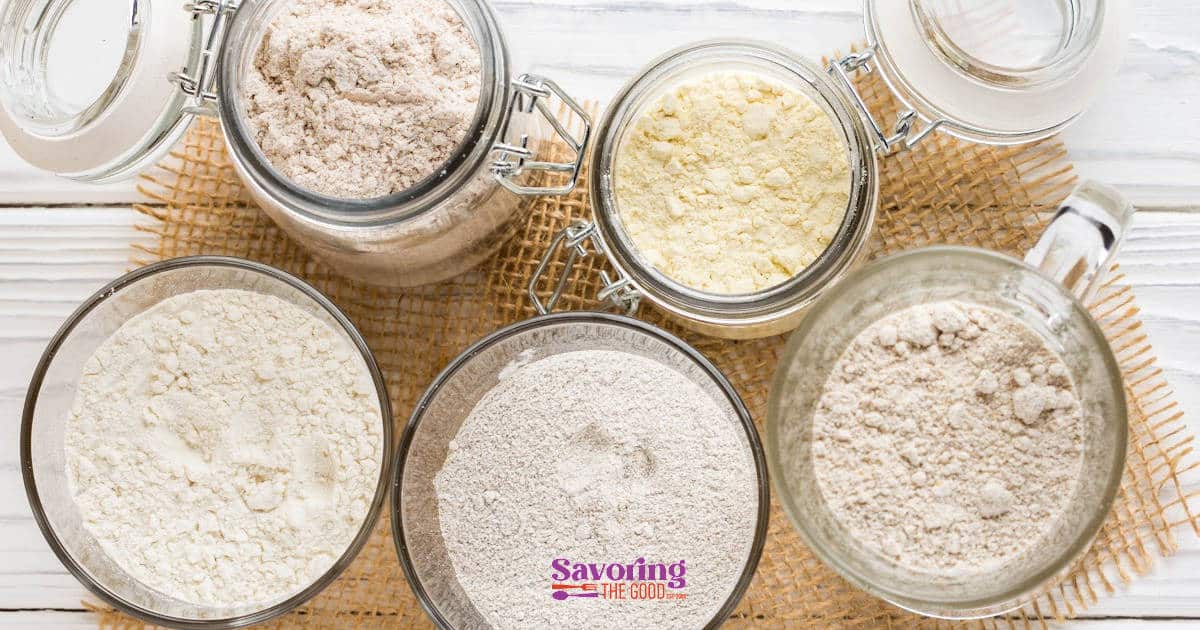
There are many flours available, each with its unique properties and uses. The two most commonly used flours in baking are all-purpose flour and cake flour. AP is a versatile flour that can be used in a wide variety of recipes, while cake flour is a finer flour that is specifically designed for cakes and other delicate baked goods.
Other types include bread flour, whole wheat flour, self-rising flour, and pastry flour.
- Bread flour has a higher protein content than all purpose flour, making it ideal for bread and other yeast-based recipes.
- Whole wheat flour is made from whole wheat grains and has a nutty flavor and a coarser texture than all-purpose flour.
- Self-rising flour is a combination of all purpose flour, baking powder, and salt, and is ideal for biscuits and other quick breads.
- Pastry flour is a low-protein flour that is perfect for delicate pastries and pie crusts.
Role of Protein in Flour
The protein content of flour is an essential factor in determining the texture and structure of your baked goods.
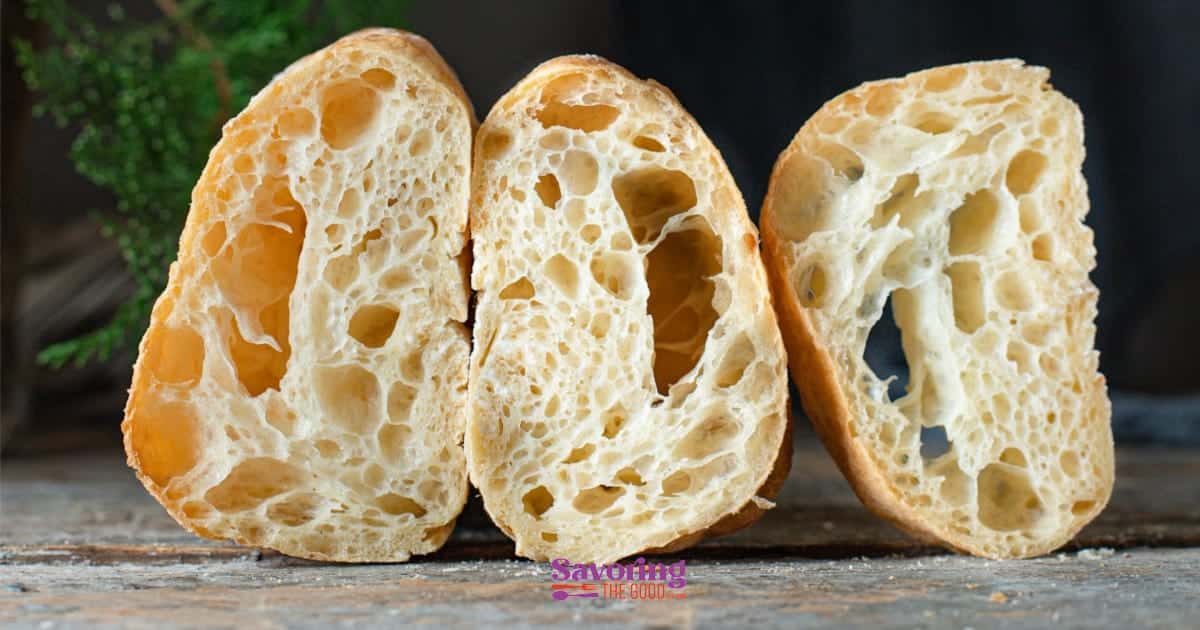
All-purpose flour has a protein content of around 10-12%, while cake flour has around 7-9%. The protein in flour is what creates gluten, which gives bread and other baked goods their structure and elasticity.
The higher protein content in AP flour makes it ideal for bread and other yeast-based recipes, as it creates a strong gluten structure that can withstand the pressure of rising dough.
In contrast, the lower protein content in cake flour makes it ideal for cakes and other delicate baked goods, as it creates a tender, crumbly texture.
All-Purpose Flour Explained
Composition and Uses
As a professional chef, I have worked with all-purpose flour (AP) extensively in my baking. AP is a versatile flour that can be used in many different recipes. It is a blend of both hard and soft wheat flours, which gives it a medium protein content.
This content ranges from 10 to 12 percent, depending on the manufacturer. All-purpose flour is a good choice for recipes that require a moderate amount of gluten, such as bread, cookies, muffins, and other baked goods.
AP is also a great option for recipes that require a neutral flavor. It does not have a distinct flavor, which makes it a perfect choice for recipes that call for other flavorful ingredients. Additionally, it is widely available and affordable, making it a staple in many kitchens.
All-Purpose Flour in Baking
All-purpose flour is a common ingredient in baking. It can be used in a variety of recipes, from simple cookies to complex breads. In recipes that call for AP flour, it is important to measure the flour accurately. Too much or too little flour can drastically affect the outcome of a recipe.
When baking with all-purpose flour, it is important to keep in mind that it has a medium protein content. This means that it will produce a moderate amount of gluten when mixed with a liquid. If a recipe requires a high amount of gluten, such as bread, a higher protein flour, like bread flour, may be a better choice.
Cake Flour Characteristics
What Makes Cake Flour Unique
Cake flour is made from soft wheat, which has a lower protein content than the hard wheat used to make all-purpose flour. The lower content of cake flour results in a lighter, fluffier texture in baked goods. Cake flour is also ground to a finer texture than AP flour, which contributes to its lightness.
Another characteristic of cake flour is its light color. Because it is made from soft wheat, cake flour has a lower amount of pigment than all-purpose flour. This makes it ideal for recipes where a light color is desired.
Optimal Uses for Cake Flour
Cake flour is best used in recipes where a light, delicate texture is desired. It is ideal for cakes, cupcakes, and pastries, as well as delicate cookies and biscuits. Because of its fine texture, cake flour is particularly well-suited for recipes that require a smooth, even crumb, such as angel food cake.
When substituting cake flour for all-purpose flour, it is important to keep in mind that cake flour absorbs more liquid than AP flour. This means that you may need to adjust the liquid content of your recipe when using cake flour. Additionally, because of its lower protein content, cake flour is not suitable for recipes that require a lot of gluten development, such as bread.
Cake flour is a light, delicate flour that is ideal for recipes where a tender crumb and light color are desired. Its fine texture and low protein content make it perfect for cakes, cupcakes, and pastries, as well as delicate cookies and biscuits.
Comparing Flour Types
When it comes to baking, choosing the right type of flour is crucial to achieving the desired texture and structure of the end product. Let's compare all-purpose flour and cake flour - and highlight the key differences between them.
Protein and Gluten Content
One of the main differences between all-purpose flour and cake flour is their protein and gluten content. All-purpose flour typically has a protein content of 10-12%, while cake flour has a content of 7-9%. This means that AP flour has a higher gluten content, which gives it a chewy texture and makes it ideal for bread and other baked goods that require structure and elasticity.
On the other hand, cake flour has a lower gluten content, which makes it perfect for delicate baked goods like cakes and pastries that require a tender crumb.
Texture and Structure Differences
The texture and structure of baked goods made with all-purpose flour and cake flour also differ. AP flour has a larger particle size, which means it absorbs less liquid and results in a denser, firmer texture. Cake flour, on the other hand, has a finer particle size, which allows it to absorb more liquid and results in a lighter, fluffier texture.
Baking Outcomes
The choice of flour can significantly impact the outcome of your baking. All-purpose flour is versatile, making it suitable for a wide range of baked goods, from bread to cookies. However, it may not be the best choice for delicate cakes and pastries that require a tender crumb. Cake flour, on the other hand, is perfect for these types of baked goods, as it produces a soft, tender crumb.
However, it may not be the best choice for bread and other baked goods that require structure and elasticity.
The choice of flour depends on the type of baked good you are making and the desired texture and structure. By understanding the differences between AP flour and cake flour, you can make an informed decision and achieve the perfect baked goods every time.
Cake Flour Substitutes
How to Substitute Flours
When it comes to substituting flour, it is essential to understand the difference between all-purpose flour and cake flour. All-purpose flour is a versatile flour commonly used in most recipes, while cake flour is a finely milled flour with a lower protein content, making it ideal for cakes and pastries.
In most cases, you can substitute all-purpose flour for cake flour by adding cornstarch to it. For every cup of AP flour, remove two tablespoons and replace them with cornstarch. Sift the mixture to ensure that the cornstarch is evenly distributed throughout the flour.
If you don't have cornstarch, you can also use pastry flour or bread flour as a substitute for cake flour. Pastry flour has a lower protein content than all-purpose flour but is still higher than cake flour. Bread flour, on the other hand, has a higher protein content, making it denser than cake flour.
Impact on Baking Results
While substituting flours is possible, it's important to note that it may have an impact on the baking results. All-purpose flour has a higher protein content than cake flour, which means that cakes made with AP flour may have a slightly coarser crumb than those made with cake flour.
On the other hand, cakes made with cake flour have a finer, more even crumb and enhanced tenderness. Therefore, it's best to use cake flour when the recipe specifically calls for it to achieve the desired texture and taste.
Substituting flours is possible, but it's important to understand the differences between the flours and the impact they may have on the baking results. By following the guidelines above, you can achieve the desired texture and taste in your baked goods.
Specialized Baking Considerations
Flour Treatments and Effects
One important factor to consider is the flour treatment. Flour treatment refers to the processes that flour undergoes to enhance its baking properties.
All-purpose flour is typically treated with chlorine dioxide, which helps to bleach the flour and improve its shelf life. Bleaching also strengthens the gluten, making it more elastic. Cake flour, on the other hand, is treated with a different type of bleaching agent, such as benzoyl peroxide or chlorine gas. This bleaching process breaks down the gluten, resulting in a flour that is low in protein and produces a tender, fluffy crumb.
Another treatment that can affect the texture of baked goods is the use of bromate. Bromate is a flour improver that strengthens the gluten and helps the dough to rise. However, it has been banned in some countries due to concerns over its potential risks. If you prefer to avoid bromate, look for flour that is labeled as unbromated.
Selecting Flour for Delicate Baked Goods
When baking delicate items such as cakes, pastries, and biscuits, it is important to choose the right flour to achieve the desired texture. Cake flour is a low-protein flour that is ideal for these types of baked goods. Its low gluten content produces a tender, fluffy crumb that is perfect for cakes and other delicate items.
All-purpose flour, on the other hand, has a higher protein content and produces a denser, chewier texture. While it can be used in place of cake flour in a pinch, it may not produce the same results. To achieve the best results, it is recommended to use the correct flour specified in the recipe.
Choosing the right flour for your baked goods is an important consideration. Understanding the effects of flour treatments and selecting the appropriate flour for delicate items can help you achieve the perfect texture and flavor in your baked goods.
Nutritional Content of Flours
I will often recommend using whole wheat flour instead of all-purpose or cake flour. Whole wheat flour is made from the entire wheat kernel, which means it contains all the essential nutrients such as fiber, vitamins, and minerals. In contrast, all-purpose and cake flour are made from the endosperm of the wheat kernel, which means they lack the nutrients found in the bran and germ.
However, if you prefer using all-purpose or cake flour, it's important to note that they do contain some nutrients. Both contain small amounts of iron, thiamin, and riboflavin. AP flour has slightly more protein than cake flour, which means it may provide a little more satiety.
Cake flour, on the other hand, has less protein and gluten, which makes it ideal for baking delicate cakes and pastries.
Gluten-Free Alternatives
If you have celiac disease or a gluten intolerance, you should avoid all-purpose and cake flour, as they both contain gluten. Fortunately, there are several gluten-free alternatives available, such as almond flour, coconut flour, and rice flour. These flours are made from non-wheat sources and are suitable for people with gluten sensitivities.
It's important to note that gluten-free flours have different nutritional profiles than wheat-based flours. For example, almond flour is high in beneficial fats and protein, while coconut flour is high in fiber. Rice flour is low in protein but is a good source of carbohydrates. When using gluten-free flours, it's important to follow recipes that are specifically designed for them, as they behave differently than wheat-based flours.
While all-purpose and cake flour do contain some nutrients, whole wheat flour is a better choice due to its higher nutrient content. If you have celiac disease or a gluten intolerance, there are several gluten-free alternatives available that can be used in baking.
Tips and Techniques To Use Cake Flour
Sifting Flours
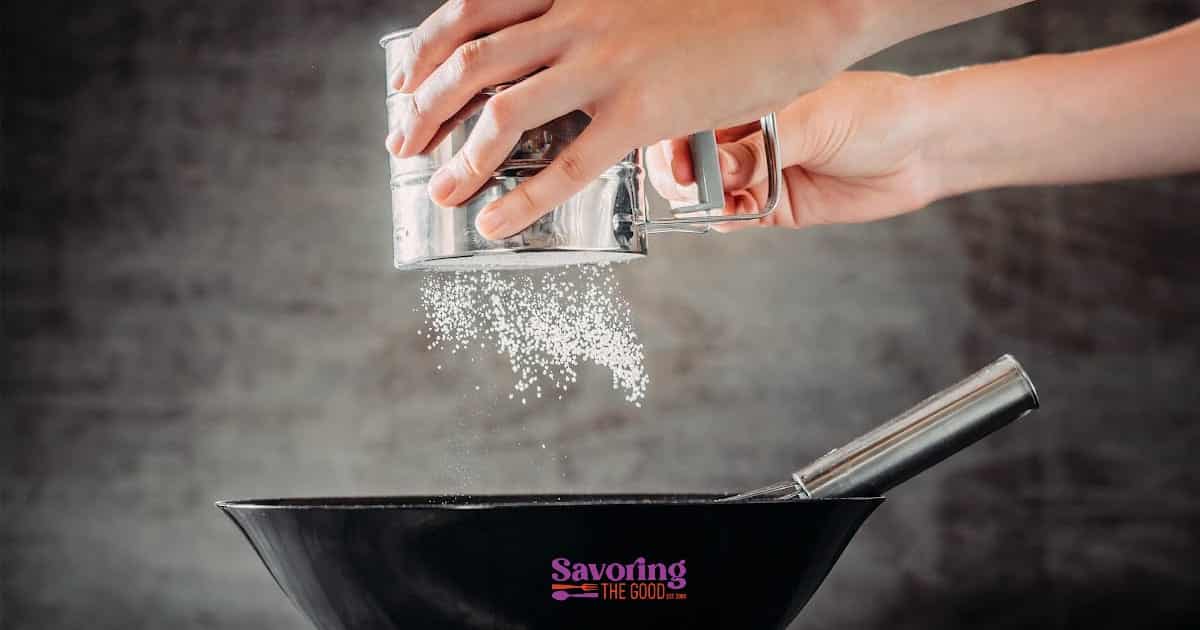
When baking with all-purpose flour or cake flour, it is important to sift the flour before measuring it. Sifting helps to aerate the flour and remove any lumps, resulting in a more even texture in your baked goods. I recommend using a fine mesh sieve or a flour sifter to sift the flour. Simply place the flour in the sieve or sifter and gently tap it over a bowl until all the flour has passed through.
Measuring Flour Correctly
Measuring flour correctly is essential when baking. Too much flour can result in a dry and dense cake, while too little flour can result in a cake that falls apart. To measure flour correctly, I recommend using a kitchen scale. However, if you don't have a scale, you can use the spoon and level method.
- To use the spoon and level method, simply spoon the flour into the measuring cup until it is overflowing.
- Then, use the back of a knife to level off the excess flour.
- Do not pack the flour into the measuring cup, as this can result in too much flour.
When baking with all-purpose flour, it is important to note that it has a higher protein content than cake flour. This means that it will develop more gluten when mixed, resulting in a chewier texture in baked goods. AP flour is great for making pancakes, waffles, and banana bread.
On the other hand, cake flour has a lower protein content and is perfect for making delicate and tender cakes, such as cupcakes. It is important to note that cake flour cannot be used as a substitute for all-purpose flour in recipes that require the development of gluten, such as bread.
In addition to measuring flour correctly, it is important to add the correct amount of salt to your recipe. Salt enhances the flavor of baked goods and helps to balance out the sweetness. I recommend using kosher salt or sea salt in your baking, as they have a milder flavor than table salt.
Using the correct flour and measuring it correctly are essential when baking.
Flour in Everyday Baking
When it comes to baking, flour is one of the most essential ingredients. It provides structure, texture, and flavor to baked goods. However, there are many different flours available, and it can be difficult to know which one to use for different baking projects. In this section, I will explore the differences between all-purpose flour and cake flour, and provide guidance on which one to use for different baking projects.
Common Baking Projects
All-purpose flour is a versatile flour that can be used for a wide range of baking projects. It is a blend of hard and soft wheat, which gives it a moderate protein content of around 10-12%. This makes it suitable for baking projects that require some structure, such as scones and cookie recipes. AP flour is also a good choice for bread recipes that do not require a high level of gluten development.
Cake flour, on the other hand, is a low-protein flour that is specifically designed for baking cakes. It is made from soft wheat, which gives it a protein content of around 7-9%. This low protein content makes it ideal for fluffy cakes, such as chiffon cakes and angel food cakes. Cake flour is also great for recipes that require a delicate crumb, such as sponge cakes.
Store-Bought Flour Selection
When selecting flour for your baking projects, it is important to pay attention to the type of wheat used and the protein content. All-purpose flour is widely available at most grocery stores and is a good choice for most baking projects. However, if you are baking a cake that requires a delicate crumb, it is worth seeking out cake flour.
When shopping for flour, it is important to read the label carefully. Look for AP flour that is unbleached and unbromated. Bleaching and bromating are processes that can affect the flavor and texture of the flour. Cake flour is also available in most grocery stores and can be found in the baking section.
In conclusion, choosing the right flour for your baking projects is important for achieving the desired texture and flavor. All-purpose flour is a versatile flour that can be used for a wide range of baking projects, while cake flour is specifically designed for baking cakes with a delicate crumb. Pay attention to the type of wheat used and the protein content when selecting flour at the grocery store.
Advanced Baking Techniques
Creating Specialized Textures
As an experienced baker, I know that using the right flour can make all the difference in achieving the desired texture for your baked goods. When it comes to creating a fluffy texture and delicate crumb, cake flour is the way to go. This is because cake flour is finely ground and has a lower protein content than all-purpose flour, resulting in a softer texture and tender crumb.
If you're looking for a crumbly texture, AP flour can be a good choice. However, keep in mind that the higher protein content can result in a denser texture. To achieve a crumbly texture with all-purpose flour, it's important to use the right techniques, such as cutting in butter or using a food processor to mix the dough.
Professional Baking Applications
In professional baking, the choice of flour can be even more important. For example, cake flour is often used in delicate baked goods like sponge cakes, angel food cakes, and chiffon cakes. This is because the delicate texture of these cakes requires a flour that will create a fine crumb and tender texture.
All-purpose flour, on the other hand, is a more versatile flour that can be used in a wide range of baked goods, from pizza dough to cookies to bread. However, it's important to keep in mind that substitutions can affect the texture and taste of your final product.
Overall, the choice of flour depends on the specific recipe and the desired outcome. By understanding the differences between AP flour and cake flour, you can make informed decisions and create delicious baked goods every time.
Frequently Asked Questions
What are the primary differences between cake flour and all-purpose flour?
The primary difference between cake flour and all-purpose flour is their protein content. Cake flour has a lower protein content of about 7-9%, which makes it ideal for cakes and delicate pastries. AP flour, on the other hand, has a protein content of about 10-12%, which makes it more suitable for bread and other baked goods that require structure.
How can I convert all-purpose flour to cake flour for baking?
To convert all-purpose flour to cake flour, you can use the following formula: For every cup of AP flour, remove 2 tablespoons of flour and replace it with 2 tablespoons of cornstarch. Sift the mixture several times to ensure that the cornstarch is evenly distributed.
Is it possible to substitute cake flour for all-purpose flour in cookie recipes?
While it is possible to substitute cake flour for all-purpose flour in cookie recipes, it is not recommended. Cake flour has a lower protein content and a finer texture, which can result in cookies that are too delicate and crumbly. AP flour is a better choice for cookies, as it provides the necessary structure and texture.
What distinguishes cake flour from bread flour in terms of baking properties?
Cake flour and bread flour differ in their protein content and gluten-forming potential. Cake flour has a lower protein content and less gluten-forming potential, which makes it ideal for delicate pastries and cakes. Bread flour, on the other hand, has a higher protein content and more gluten-forming potential, which makes it ideal for bread and other baked goods that require structure.
Does cake flour contain any leavening agents like baking powder?
No, cake flour does not contain any leavening agents like baking powder. It is simply a low-protein flour that is ideal for cakes and delicate pastries. Leavening agents like baking powder or baking soda must be added separately to make the cake or pastry rise.
Which type of flour is recommended for the best baking results?
The type of flour that is recommended for the best baking results depends on the recipe and the desired outcome. For cakes and delicate pastries, cake flour is the best choice. For bread and other baked goods that require structure, bread flour or all-purpose flour is a better choice. It is important to choose the right flour for the recipe to ensure the best possible results.

I am Sarah Mock. Welcome!
Sarah Mock is a classically trained Chef and graduate of Johnson & Wales University. A culinary blogger for 16 years Sarah helps the home cook prepare her recipes with professional results.


Comments
No Comments