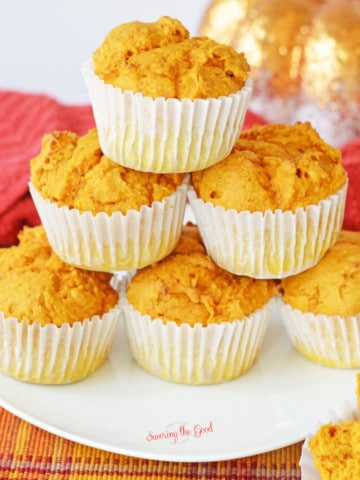
Bread recipes don't all need a free Saturday and a proofing basket. These are the rolls, quick breads, muffins, and from-scratch loaves I bake at home, from frozen dough shortcuts to a sourdough starter you build yourself.
A lot of the most-made recipes here start with frozen dough, and there's no shame in that. The technique is in the proof and the bake, and each recipe walks you through both.
Start with the rolls; they're the recipes people come back for every holiday.

Rhodes Rolls Instructions
Frozen dough to tall, golden dinner rolls, with the proofing timeline that makes it work.
Dinner Rolls and Sweet Yeast Breads
Yeast breads are where proofing matters most, so these come with timelines you can plan a holiday around. Two start from frozen dough; the nut roll and paska are the from-scratch family recipes.


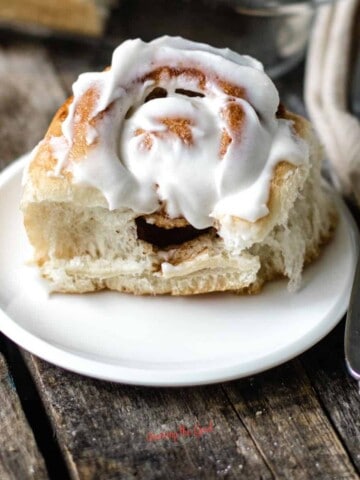

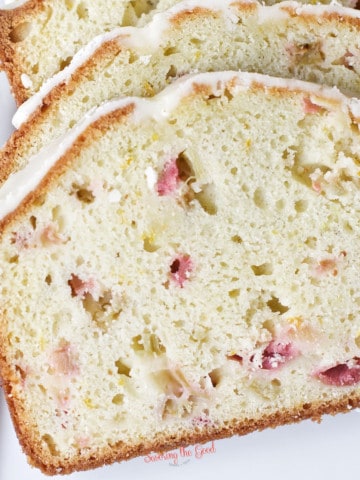
Sweet and Savory Quick Breads
Quick breads rise on baking soda or powder, not yeast, so they go from bowl to oven in about 15 minutes. Mix them just until the flour disappears; overmixing is what makes a loaf tough and tunneled.


Pumpkin Muffins with Cake Mix
Two ingredients and one bowl, and they're in the oven before it finishes preheating.

Muffins for Breakfast and Bake Sales
Muffins are quick bread in a smaller pan, so the same rule applies: stir gently and stop early. The raisin bran batter keeps in the fridge, so you can bake a few fresh each morning.
Sourdough, Flatbreads and Bread Basics
These are the scratch projects: a starter you feed for a week, naan cooked hot and fast, and Brazilian cheese bread made with tapioca flour. Homemade breadcrumbs are here too, because stale bread deserves better than the trash.



Find what you're looking for:
How do I know when homemade bread is done?
With these recipes, temperature is the most reliable test. Soft rolls and enriched breads like nut roll and paska are done at about 190F in the center, and quick breads at about 200F, when a toothpick comes out clean.
Can I let frozen roll dough rise on the counter overnight?
I don't. Thaw it covered in the fridge overnight, then let it finish rising at room temperature for a few hours until it doubles. Dough left out all night overproofs and collapses in the oven.
What's the difference between a quick bread and a yeast bread?
Yeast breads rise slowly from fermentation and need time to proof. Quick breads, muffins, and scones rise in the oven from baking soda or baking powder, so there's no waiting.
How should I store homemade bread?
Wrap it well and keep it at room temperature for 2 to 3 days, or freeze it for up to 3 months. Skip the fridge for plain bread; it goes stale faster there. Anything with a cream cheese filling or frosting goes in the fridge.
More Bread Recipes
Still looking? Here's every recipe in the football food collection, newest first.