

Dried figs are a sweet, chewy, and intensely flavored way to preserve your fig harvest when the season is short and the tree is generous. I started dehydrating figs after losing an entire basket to overripening overnight; now I dry them the moment they're ready and have figs on hand year after year. If you have a fig tree and want to waste nothing, this is the method that makes it possible. Hands-on time is about 15 minutes; the dehydrator does the rest over 6-12 hours.
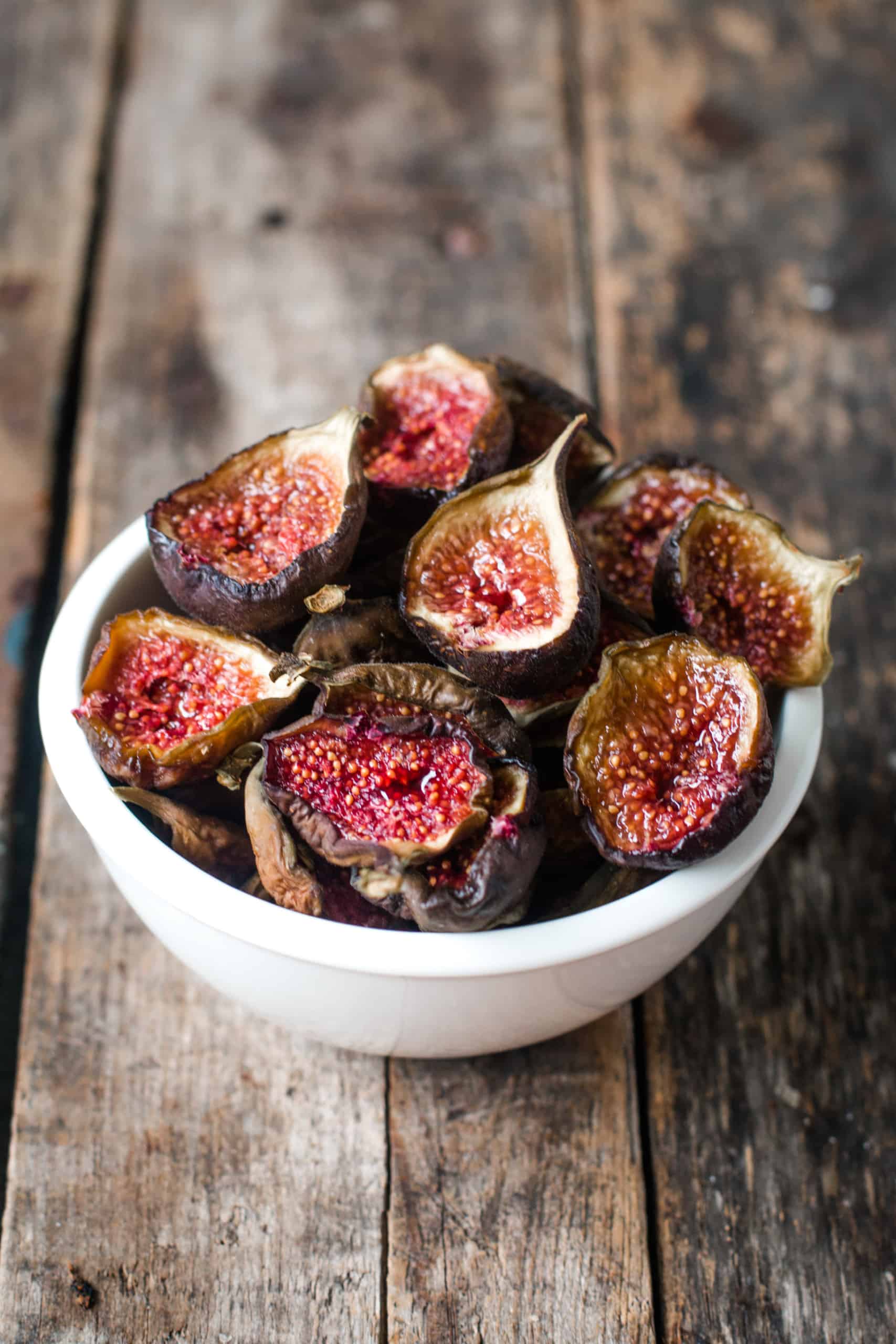
While your figs are drying, pick more from the tree to make a batch of fig preserves (aka fig jam!) or a jar of preserved figs. Fresh fig season is short, so make all the fig recipes while you can. Once you have the hang of drying fruit in the oven, the same low-and-slow approach works for dehydrating peppers too.
Why you should dehydrate figs:
Figs have one of the shortest harvest windows of any backyard fruit; drying them is the only way to stretch that season into something you can actually use all year. You need nothing but the figs themselves - no sugar, no additives, no special prep beyond washing and slicing.
Ingredients needed:
Fresh figs are the only ingredient here, and the quality of what goes in determines the quality of what comes out. You want figs that are fully ripe but not bruised or split; overripe figs with soft spots tend to break down unevenly in the dehydrator and can develop off flavors during the long drying time. Check each fig before it goes on the tray and pull anything that looks questionable.

Recipe Card?
To find the full printable recipe with specific measurements and directions CLICK HERE to go to the recipe card.
Ingredient notes:
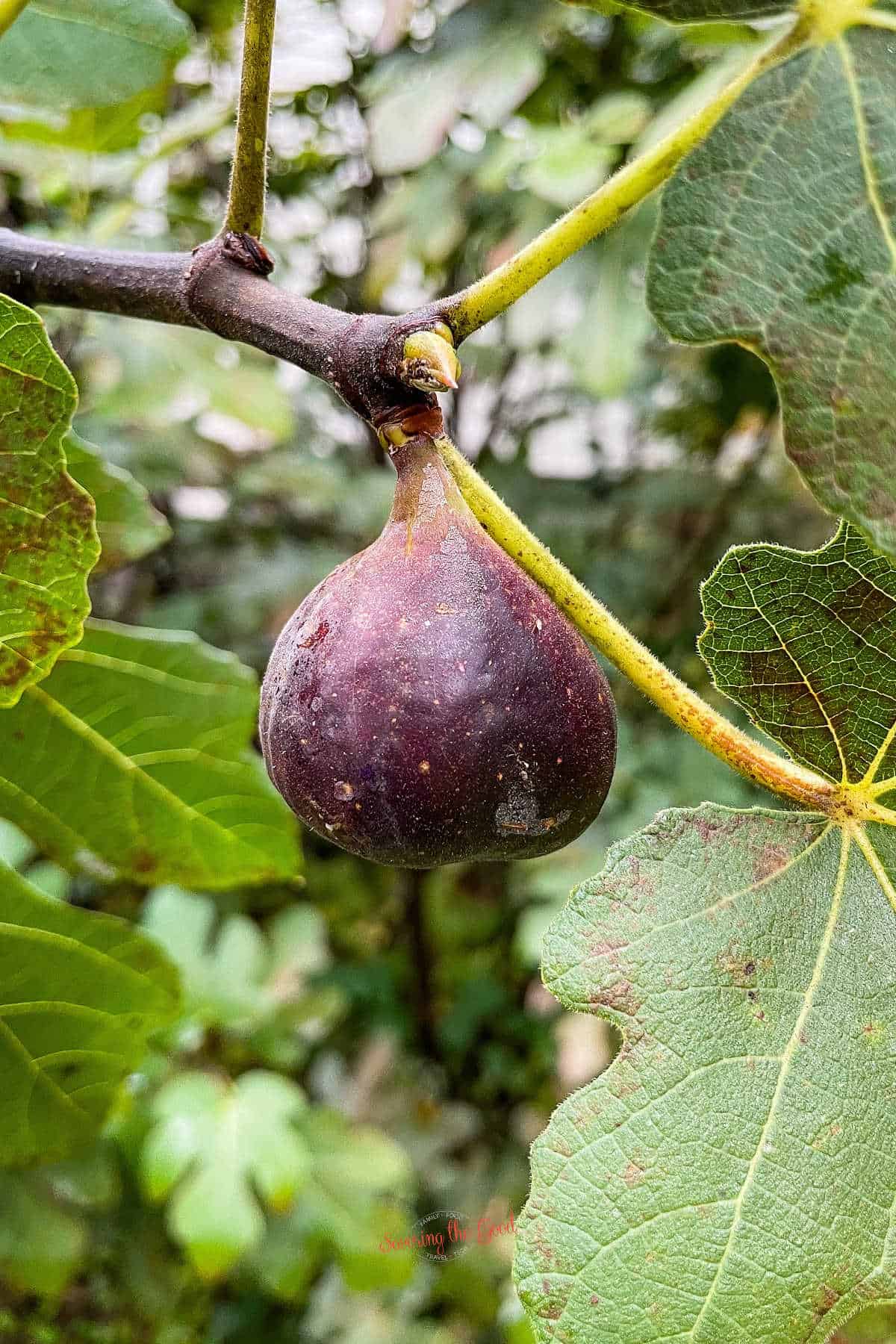
- Whole Figs - fresh and be sure to check the figs to ensure they are blemish-free

Sarah's Culinary Insight
- The texture test is the only reliable indicator of doneness across all three methods. A properly dried fig feels like a dried apricot; leathery, pliable, and dry to the touch. If there is any tackiness on the cut surface, it is not done.
- Every time I have rushed the cooling step and sealed warm figs, I have found condensation inside the container within a day. Let them cool completely; it takes about 30 minutes and it matters.
- Fig size varies significantly from tree to tree and variety to variety. Small figs from a backyard tree can finish in 6 hours; large, thick Brown Turkey figs have taken me closer to 11-12. Check by texture, not just time.
- If you are drying figs for the first time, start with a test batch of 6-8 halves before committing the whole harvest to one method. It gives you a feel for your specific equipment and your specific figs before you're working with 10 pounds of fruit.
- The sun drying method is genuinely weather-dependent. I have had batches take 2 days in August heat and batches take 7 days in a cooler stretch. Watch the figs, not the calendar.
3 Different Ways to Dry Figs
The method you use depends entirely on what equipment you have available. All three produce good dried figs; the differences are in how much attention they require and how long the process takes.
Oven drying method:
The oven method works well if you don't have a dehydrator, but it requires you to be home for the duration since most ovens cannot hold the low temperatures needed without some monitoring.
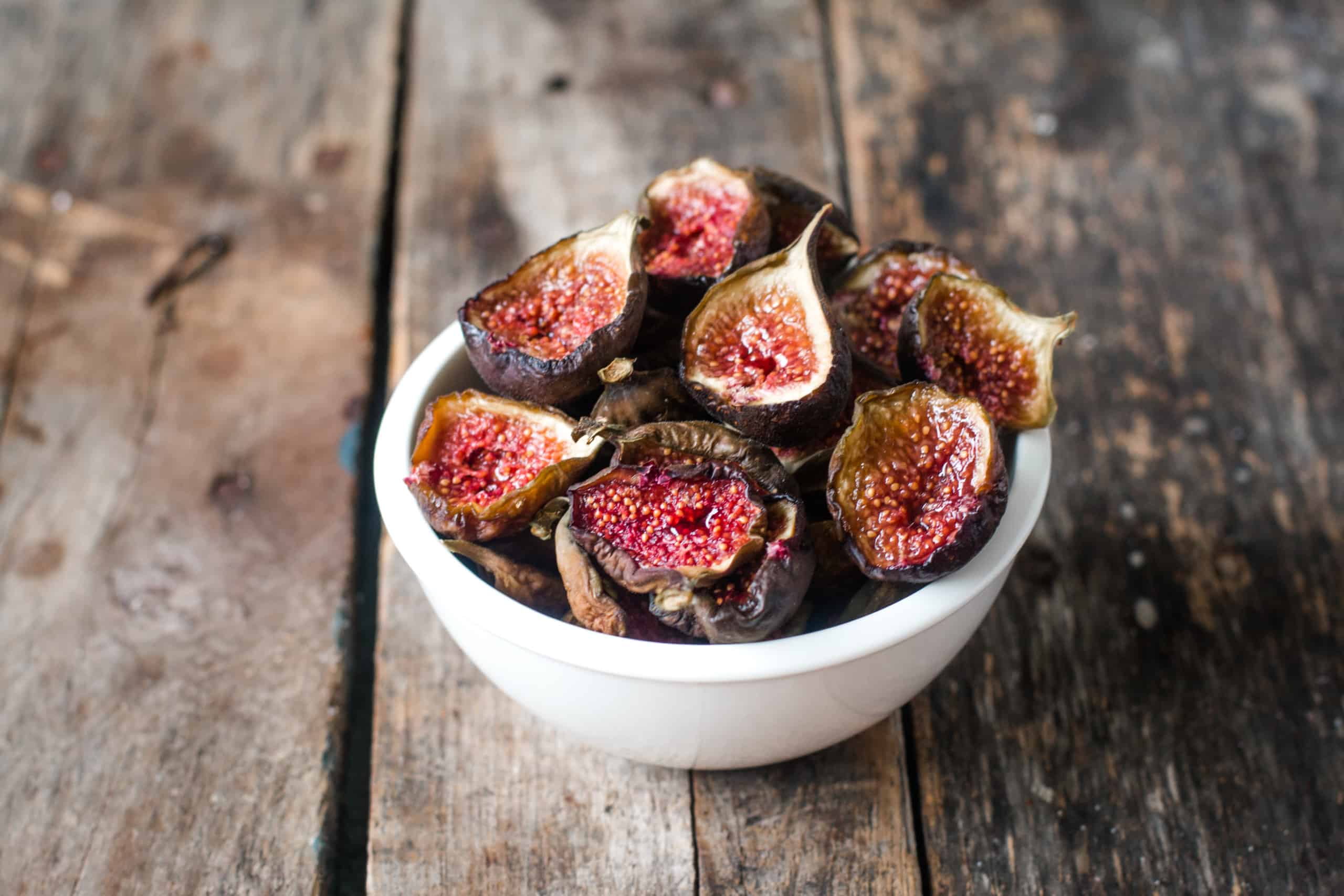
- Wash, Dry, and Slice. Rinse the figs, pat them dry, and cut them in half lengthwise from stem to blossom end.
- Preheat to the Lowest Possible Temperature. Set your oven to its lowest setting, ideally 140F or lower. Most home ovens bottom out around 170F; if yours does not go lower, prop the oven door open slightly with a wooden spoon to allow moisture to escape and keep the temperature from climbing.
- Set Up Your Tray. Place the fig halves cut-side up on a cooling rack set inside a rimmed baking sheet. The rack lifts the figs off the pan surface and allows air to circulate underneath, which is important for even drying. Do not crowd the tray.
- Dry and Monitor. Dry the figs for a minimum of 8 hours. Check them at the 8-hour mark; they should feel leathery and dry to the touch, not sticky. Add additional time in 1-hour increments as needed, up to 12 hours total.
- Cool Completely Before Storing. Same rule as the dehydrator: let them come to room temperature fully before sealing them in a container.
Once your oven is already working low and slow, my guide to roasting pecans is another easy pantry project to try.
Did you make this recipe?
Do you have feedback that would be helpful to others? If so can help this small business owner by leaving a rating and a review in the comments section? Thank you for being part of the Savoring The Good Community. ~ Sarah
Dehydrator:
Using a food dehydrator is the most hands-off of the three methods. Once you load the trays, there is nothing to monitor until the drying time is up.

Wash and Slice the Figs
Rinse the figs under cool water and slice them in half from stem to blossom end. You are looking for two even halves; a clean cut gives you a flat surface that sits flush on the dehydrator tray and dries more evenly.

Arrange on the Dehydrator Trays
Place the fig halves cut-side up in a single layer on your dehydrator trays. Do not let them touch; airflow around each piece is what makes the dehydrator work efficiently. Crowded figs dry unevenly and the edges closest to other figs stay soft longer.
Set the Temperature
Close the lid and set the dehydrator to 135F or the fruit setting on your machine. 135F is the sweet spot for figs; lower and they take significantly longer, higher and you risk case hardening where the outside dries and seals before the interior moisture has escaped.

Check for Dryness
Allow the figs to dehydrate for 6-8 hours, then begin checking. A properly dried fig feels leathery and pliable, not tacky or wet on the cut surface. If they still feel sticky, continue drying in 1-hour increments; depending on the humidity in your location and the size of your figs, you may need up to 12 hours total.
Cool and Store
Once dry, remove the figs from the trays and let them cool completely at room temperature before storing. Sealing warm figs traps residual steam and creates moisture in the container, which shortens their shelf life significantly.
Did you make this recipe?
Do you have feedback that would be helpful to others? If so can help this small business owner by leaving a rating and a review in the comments section? Thank you for being part of the Savoring The Good Community. ~ Sarah
Sun Drying Fresh Figs:
Sun drying is the oldest method and requires no equipment beyond a tray, cheesecloth, and several consecutive days of full sun. This only works reliably in dry climates with low humidity; if you live somewhere humid, the figs are more likely to mold than dry.
- Select and Prep Your Figs. Choose firm, ripe figs without any blemishes or soft spots. Wash gently and pat dry, then cut in half lengthwise, leaving the two halves joined at the stem end.
- Arrange and Cover. Place the figs cut-side up on a cooling rack set inside a rimmed baking sheet in a single layer. Cover with two layers of cheesecloth; the cloth keeps insects off the figs while still allowing airflow. Do not skip the cheesecloth outdoors.
- Set Out in Full Sun. Place the tray in direct sun. When the sun sets, bring the trays inside; dew and overnight moisture will undo the day's drying progress. Return them to the sun after the morning dew has burned off.
- Check Daily. Repeat the daily cycle for 2-7 days depending on the size of your figs and the strength of the sun. A dried fig ready for storage feels leathery, not soft or sticky, and holds its shape when you press it gently.
- Store Once Fully Dry. When the figs meet the leathery texture test, bring them inside and allow them to cool before sealing in airtight containers.
Did you make this recipe?
Do you have feedback that would be helpful to others? If so can help this small business owner by leaving a rating and a review in the comments section? Thank you for being part of the Savoring The Good Community. ~ Sarah
How to store dried figs
Once the figs are fully dry and cooled, transfer them to an airtight container. If you have a food-safe silica gel packet, drop one in before sealing; it absorbs any residual ambient moisture and extends shelf life noticeably. Label the container with the date so you know what you're working with.
Here is how long properly stored dried figs last:
- Room Temperature: Stored in a sealed airtight container away from heat and light, dried figs keep for 6-12 months. A cool pantry or cabinet works well.
- Refrigerated: Refrigeration extends the shelf life to a year or longer. This is my preference for any batch I am not planning to use within a few months.
- Frozen: For the longest storage, freeze them. Vacuum-sealed or in a freezer-safe airtight bag, dried figs keep for 1-2 years frozen. Thaw at room temperature; they return to their pliable texture without any loss of quality.
Once you have completed the drying process, make sure the figs are dry, not tacky/wet, and store the dry figs in an airtight container. If you have a food-safe silica gel packet place on in the container before sealing the container.
Once you have the hang of low and slow drying, my guide to drying fresh chives uses the same approach for herbs.

Food Grade And Safe
Silica Gel Packet
Contains orange indicator beads that will become dark green when it needs to be replaced.
Seasonal Favorite
This is my award-winning Crisco pie crust recipe; flaky, tender, and made with simple ingredients you already have.
How long do dehydrated figs last?
Remember that the quality of the figs may decline over time, with potential changes in texture and flavor. It's a good practice to label the storage date on the container so you can keep track of their freshness. Proper packaging and avoiding exposure to moisture and air are key to preserving the quality of dehydrated figs.
Dehydrated figs can have a fairly long shelf life if stored properly. Here's a general guideline on their storage duration:
- Room Temperature: If kept at room temperature in an airtight container, dehydrated figs can last for about 6 to 12 months. Make sure the container is sealed tightly to prevent moisture and air from getting in.
- Refrigeration: Storing dehydrated figs in the refrigerator can extend their shelf life. They can remain good for up to a year or even longer when refrigerated.
- Freezing: For the longest shelf life, consider freezing dehydrated figs. When properly frozen in an airtight container or vacuum-sealed bag, they can last for 1 to 2 years or even more.
FAQ's and Tips
When drying fresh figs, you don't need to peel them before dehydrating. The skin of figs is edible and contains many nutrients.
Preheat your oven to its lowest temperature it will go. 140 F / 60 C or lower, if it will go lower.


Ingredients
- 1 Pound (453 ⅗ Gram) Figs fresh
Instructions
Dehydrator
- Wash and dry the figs, slicing them in half from stem to blossom end.

- Arrand the fig halves in a single layer on a tray of your food dehydrator.
- Close the lid of the dehydrator and set the temperature to 135 F or the 'fruit' setting on your machine.
- Allow them to dehydrate for 6-8 hours and then check them for dryness. Depending on the humidity in your location and the size of your figs you may have to dry them for up to an additional 4 hours.
- Once the figs are dried, store them in airtight containers.
Oven drying figs:
- Wash and dry the figs, slicing them in half from stem to blossom end.
- Preheat your oven to its lowest temperature it will go. 140 F / 60 C or lower, if it will go lower.
- Put cut figs on a cooling rack lined rimmed baking tray, cut side up, in a single layer. Do not crowd the tray.
- Dry the figs in the oven for a minimum of 8 hours. Depending on the humidity in your location and the size of your figs you may have to dry them for up to an additional 4 hours.
- Once the figs are dried store them in airtight containers.
Sun Drying:
- Select fruit that is firm, ripe, and without blemishes.
- Wash and dry the figs gently and cut them in half lengthwise, leaving the two halves joined by the stem.
- Place figs, cut side up on cooling rack lined rimmed baking tray, in a single layer and cover with two layers of cheesecloth. Do not crowd the tray.
- Set the tray in full sun. When the sun sets, bring the trays inside and return when the dew has burned off in the morning.
- It will take between 2 and 7 days of sun exposure to be ready.
- Once the figs are dried store them in airtight containers.
Nutrition
Notes

I am Sarah Mock. Welcome!
Sarah Mock is a classically trained Chef and a graduate of Johnson & Wales University. A culinary blogger for 17 years, Sarah helps the home cook prepare her recipes with professional results.


Anne says
Great to know how to do this! I've been putting dried figs in my oatmeal and it makes it delicious!
Robin Donovan says
This is great! My neighbor has a super prolific fig tree and doesn't like figs, so I harvest them every year. Can't wait to dry a bunch so I can have them year round!