


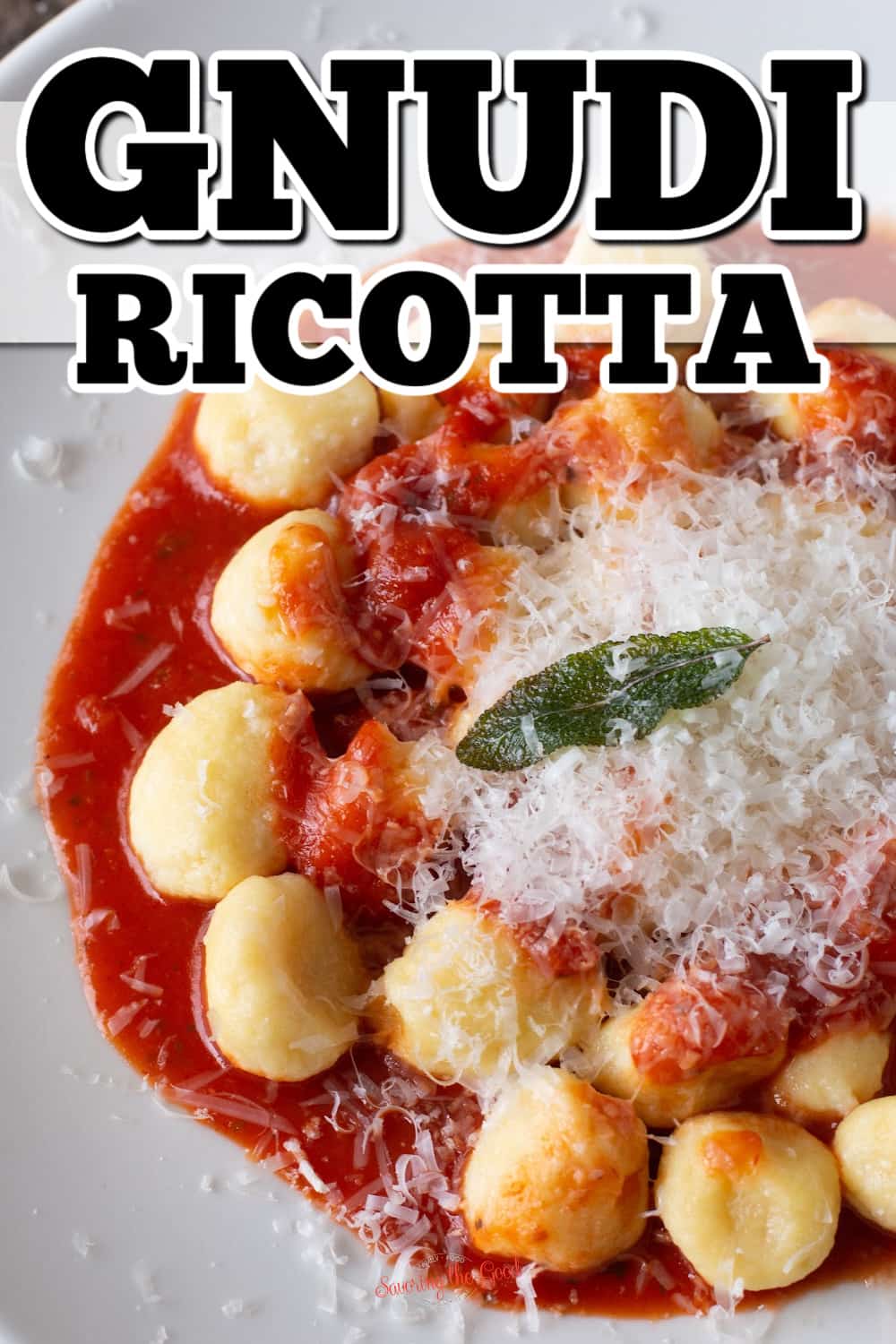
Ricotta gnudi are pillowy Italian dumplings made from drained ricotta cheese, egg yolks, flour, and salt; think of them as gnocchi's lighter cousin, since there's no potato involved at all. The technique comes down to one thing I learned early in my training: pull as much moisture out of the ricotta as you possibly can before the flour ever touches the bowl.

Ready in about 45 minutes total, with roughly 30 of those minutes spent draining the ricotta hands-off and just 2 minutes of simmering per batch.
What I Want You To Learn
- My method for shaping tender ricotta gnudi from scratch, from draining the cheese to folding the dough.
- The specific reasons gnudi fall apart in the pot, and how to stop it before it happens.
- The best way to freeze gnudi so you always have a batch ready to cook.
- My favorite sauces and serving ideas so your homemade gnudi has somewhere good to land.
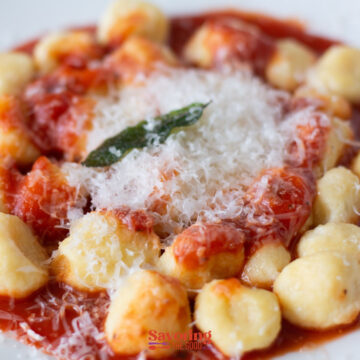
Also known as ricotta gnocchi, gnudi can be made gluten-free with almost no change to the method; I cover exactly how below. Toss the cooked dumplings with your favorite marinara or saute them in brown butter and sage, and you have a meal on the table in well under 30 minutes. If you are building out a full Italian spread, my marinated mozzarella balls make a nice cold starter while the gnudi cook.

What I Learned Testing This Recipe
- Draining matters more than people expect. Every batch I have pressed for less than 30 minutes turns sticky and hard to shape; a full 30 minutes gets you dough that holds a clean edge when you cut it.
- The dough nearly doubles once it hits boiling water. If you shape your gnudi bigger than a large marble, expect a dumpling closer to a golf ball by the time it floats.
- Piping gives you a more consistent shape than rolling by hand, but hand-rolled gnudi have more texture and character on the plate; I switch between the two depending on whether I am cooking for guests or my own kitchen table.
- A half cup of fresh grated parmesan folded into the dough adds real depth without making the gnudi heavy. More than that and the dough gets harder to shape.
- Overworking the dough is the number one reason gnudi fall apart in the pot. The dough should look barely combined, almost shaggy, before you stop folding.
Gnudi come out of the same tradition as gnocchi, but they skip the boiled potato and lean entirely on ricotta for that pillowy texture. I like teaching this recipe because it is a lesson in restraint: the fewer things you do to the dough, the better the dumpling. Once you have the draining step down, gnudi come together faster than almost any other shaped pasta in my recipe box.
Ingredients for Ricotta Gnudi
This is a four-ingredient dough, so every ingredient is doing real work. Here is what each one brings to the bowl.
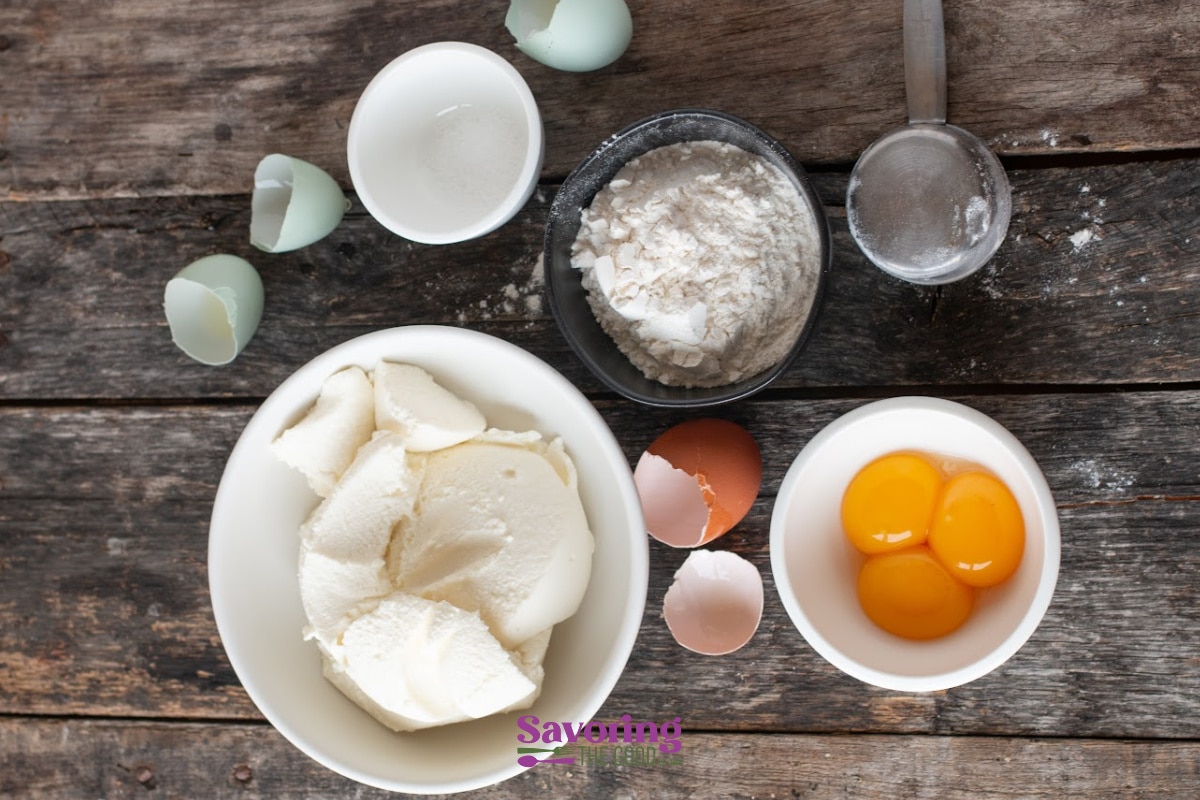
- Ricotta cheese is the entire structure of this dough, so buy whole milk ricotta and skip the low-fat versions; the fat is what keeps the gnudi tender instead of rubbery. Look at the ingredient label before you buy: brands that list milk and whey first.
- Fresh ricotta from an Italian specialty shop or cheese counter has better flavor and less added moisture than most tubs from the regular dairy case, so use it when you can find it.
- Egg yolks bind the dough and add richness without adding the extra liquid a whole egg would bring; that liquid is exactly what you spent 30 minutes draining out of the ricotta, so save the whites for another recipe.
- Flour holds the dough together, and the type you choose changes the texture more than any other ingredient here. I get into the specifics in the substitutions section below, since it is worth understanding before you start measuring.
- Salt seasons the dough itself, not just the boiling water; a pinch mixed into the ricotta and egg yolks before you add the flour makes sure every bite is seasoned, not just the outside.
Recipe Card?
To find the full printable recipe with specific measurements and directions CLICK HERE to go to the recipe card.
Substitutions for Ricotta Gnudi
Gnudi dough is forgiving in a few places and unforgiving in others. Here is what I have found actually works.
Cake Flour Instead of All-Purpose
Cake flour runs 6 to 8 percent protein, which is exactly why it makes the most tender gnudi of any flour I have tried; less protein means less gluten development, and less gluten development means a more tender bite. If you already keep 00 flour on hand for homemade pasta, that is a solid middle ground at roughly 9 to 10 percent protein.
All-purpose flour runs 10 to 12 percent protein, almost double cake flour, and you will feel the difference in a firmer, slightly chewier gnudi. I would rather eat all-purpose flour gnudi than no gnudi at all, so do not let this stop you if cake flour is not in your pantry.
Gluten-Free Flour Instead of Wheat Flour
A cup-for-cup gluten-free blend swaps into this dough in equal parts with no other changes needed. My gluten-free readers point to Cup4Cup most often, and tapioca flour works too, the same way I use it in my pão de queijo. Either option keeps the dumpling structure intact.
Part-Skim Ricotta Instead of Whole Milk Ricotta
You gain nothing here and lose richness; part-skim ricotta carries more water relative to fat, which means a longer drain time and a gnudi that is closer to dense than pillowy. This is the one swap on this list I would skip if you can help it.
My Best Substitution Tip
If whole milk ricotta is not available, drain the part-skim version longer than 30 minutes, closer to an hour, before you mix the dough.
What type of gluten-free flour can be used?
I would use your preferred gluten-free flour blend or substitute. If you are unsure, I would suggest tapioca flour just like you would use in Pão de queijo.
Preparing the Ricotta for Pillowy Gnudi
Ricotta holds a surprising amount of whey, and that moisture is the enemy of a good gnudi. Press it out first and the rest of the recipe comes together in minutes. Here is exactly how I do it.
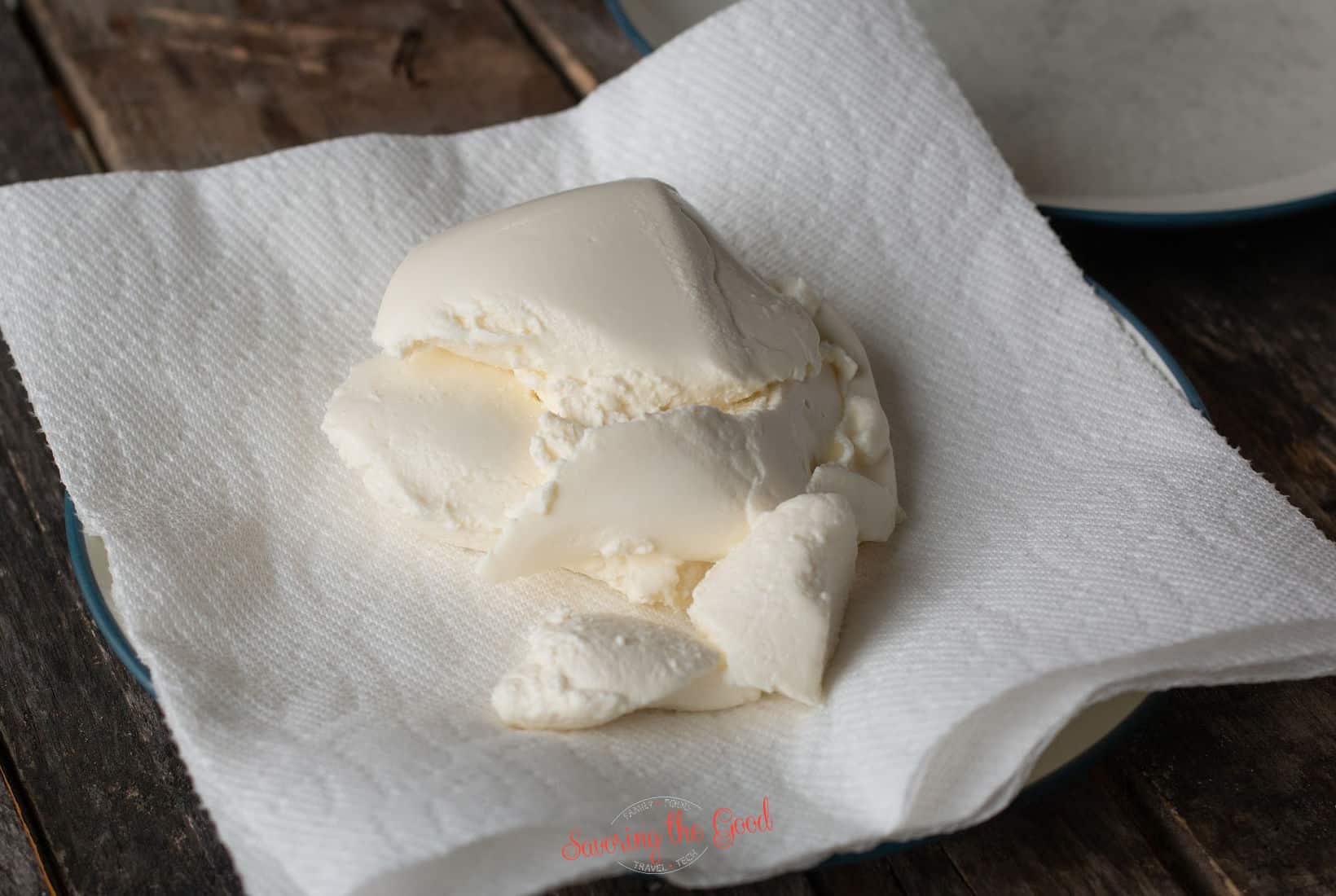
Line a dinner plate with 3-4 layers of paper towels.
Spread
Spread the ricotta over the towels in an even layer, then add a second layer of 3-4 paper towels on top.

Stack
Place another dinner plate on the stack, then set something with real weight to it, such as a jar of sauce, on top of the second plate. You want steady pressure, not just the weight of the plate alone.
Wait 30 minutes
Wait 30 minutes, up to overnight, for the moisture to press out of the cheese. Thirty minutes on the counter is fine, but if you are draining longer than that, move the whole stack to the refrigerator; dairy should not sit out at room temperature for more than about two hours.

Check
Peel back the damp paper towels and use the pressed ricotta right away. In my kitchen, a 30-minute press pulled about 4 ounces of whey out of the cheese; the ricotta should feel noticeably firmer and less wet than when you started, almost like softened cream cheese.
How to Make Ricotta Gnudi (Ricotta Gnocchi)
Once the ricotta is drained, the dough itself takes about ten minutes to bring together. Work gently here; this is not a bread dough you need to develop; it is the opposite.
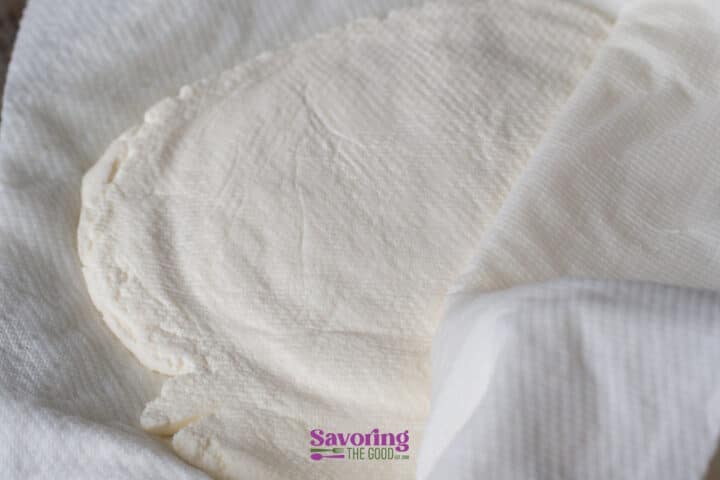
Press the Ricotta
Drain the ricotta using the paper towel method above, then transfer it to a large bowl with 3 egg yolks. The ricotta should look thick and hold its shape on the spoon, not slump like yogurt.
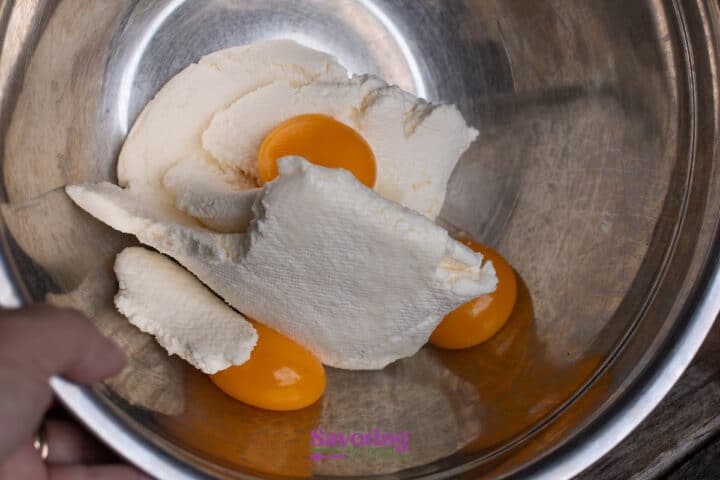
Mix the Ricotta and Egg Yolks
Using a rubber scraper or wooden spoon, stir the egg yolks into the drained ricotta until the mixture is smooth and pale yellow throughout, with no streaks of egg remaining.
Add the Salt and Flour
Sprinkle the salt over the ricotta mixture first, then add the flour.
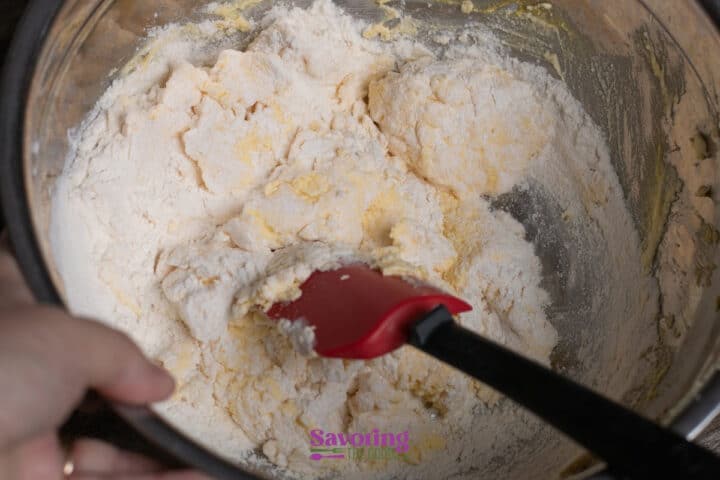
Fold the Dough Together
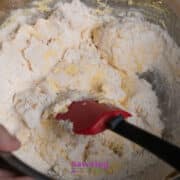
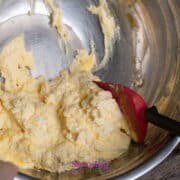
Using gentle folds, not stirring, work the flour and salt into the ricotta and egg mixture just until you no longer see dry flour. This is the step where most people overwork the dough without realizing it; a shaggy, slightly uneven dough is exactly what you want, and skipping this warning is one of the biggest reasons gnudi fall apart in the pot.
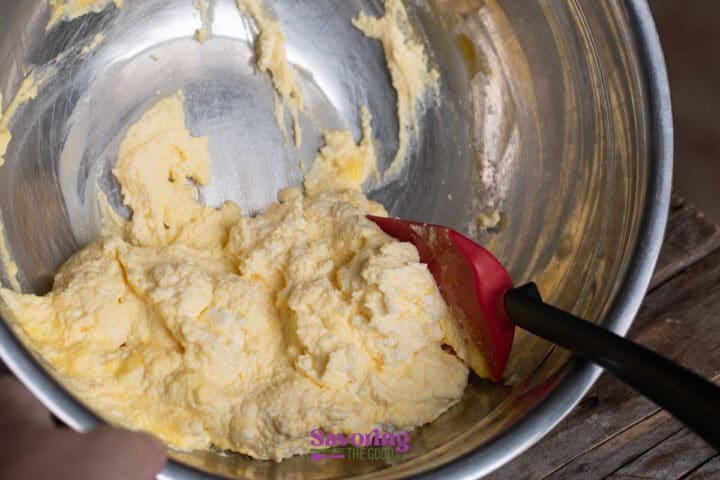
Stop Before It Looks Smooth
The dough will be sticky, and that is correct; do not add flour to the bowl to make it easier to handle. Keep extra flour on your work surface instead, and dust your hands and the dough as you shape it.
Shape the Gnudi
You have two ways to shape the dumplings: rolling by hand or piping with a bag. Both give you the same dough, just a different look on the plate. I reach for a piping bag fitted with a coupler or a large open round tip most of the time because the shapes come out even without much effort, but hand-rolled gnudi are the more traditional route if you want that rustic, homemade shape.
Move on to rolling the dough by hand or piping it, whichever method you prefer; both are covered below.
Seasonal Favorite
This is my award-winning Crisco pie crust recipe; flaky, tender, and made with simple ingredients you already have.
How to hand roll gnudi:
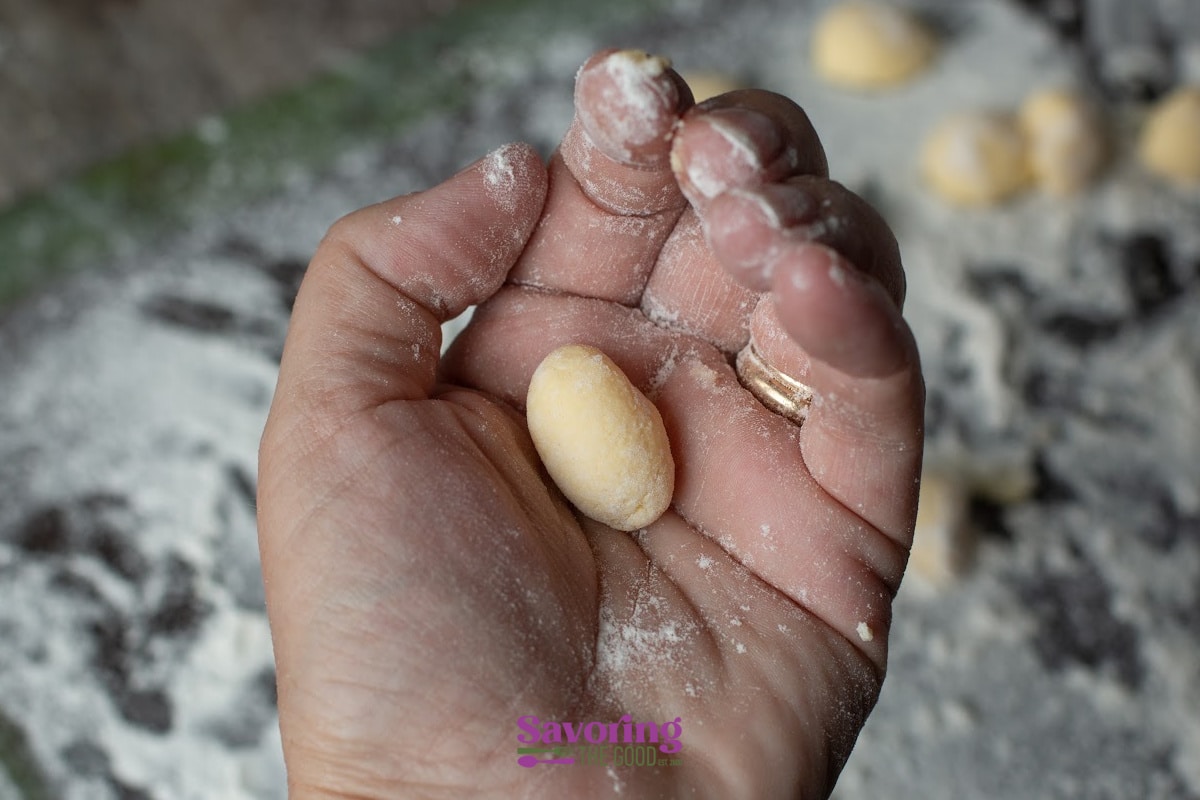
Roll the Dough into a Log
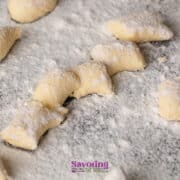
With floured hands on a floured surface, gently roll the dough into a log about 12 inches long and roughly ¾ inch thick.
Cut the Log into Strips
Using a knife, divide the dough in half lengthwise, then slice each half in half again; you will end up with 4 long ropes of dough.
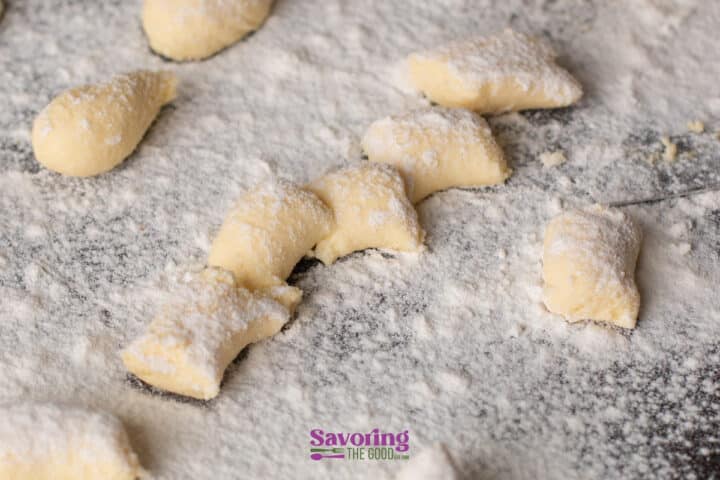
Cut Bite-Sized Pieces
Using a quick chopping motion, slice each rope into pieces about an inch long.
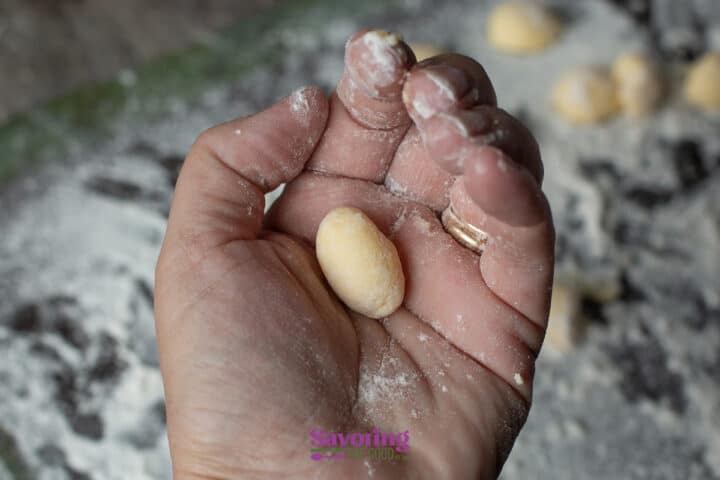
Round Each Piece
Flour your hands and the dough pieces again, then roll each one gently between your palms into a small dumpling. A little unevenness here is normal, and traditional.
How to Pipe Gnudi Dumplings:
Fit the Piping Bag
Fit a piping bag with a wide, open round tip, or just use the coupler alone in the bottom of the bag.
Flour Your Surface
Dust a cookie sheet or work surface generously with flour.
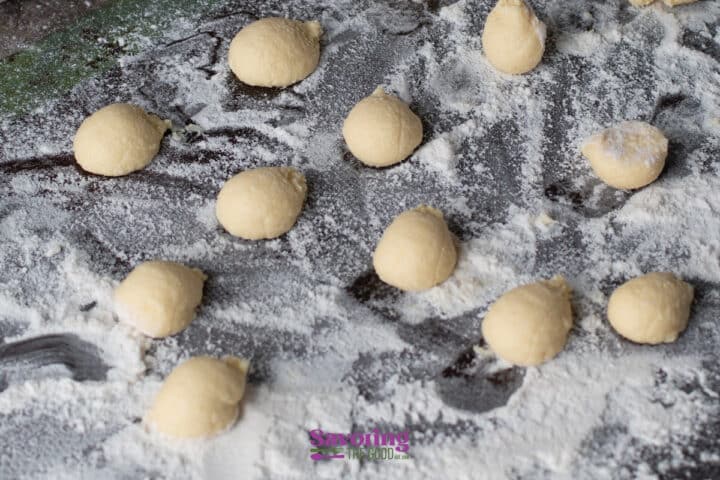
Pipe the Dough
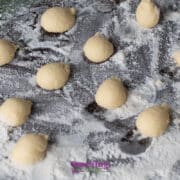
Pipe the dough into 1-inch dollops. For larger dumplings, press harder and hold slightly longer to build a ball closer to golf-ball size; remember the dough nearly doubles once it hits boiling water, so shape smaller than you think you want.
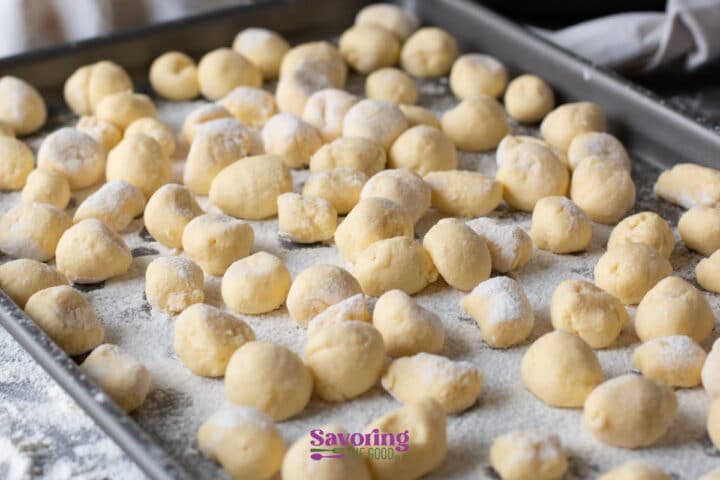
Dust and Shape
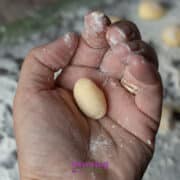
Dust your hands with more flour and sprinkle each dollop with a little more flour, then pick up one piece at a time and shape it gently in your hand. Shaking it lightly in your palm, almost like you are shaking a die, rounds it out nicely; flour your hand between each piece so the dough does not stick.
Transfer to a Floured Sheet
Set each finished gnudi on a well-floured cookie sheet until you are ready to cook them.
How to cook gnudi
Boil and Salt the Water
Bring a large pot of water to a rolling boil and salt it generously, the same way you would for pasta.
Cook in Batches
Drop the gnudi into the water in small batches so they have room to float freely; overcrowding the pot is the other common reason gnudi fall apart, since they need space to firm up without bumping into each other.
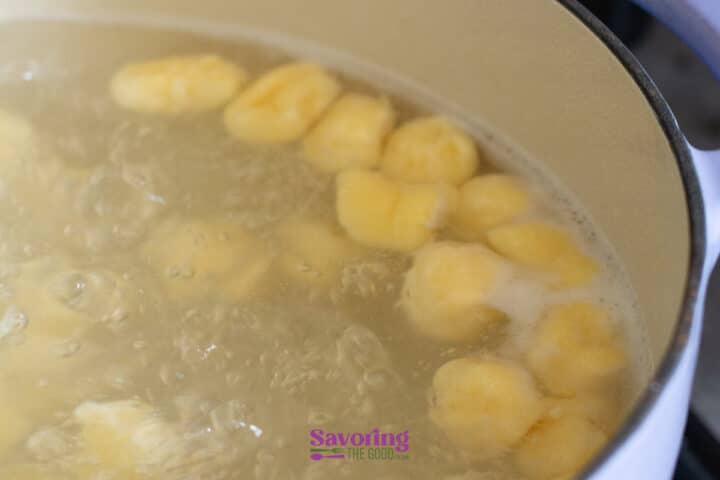
Watch for Floating
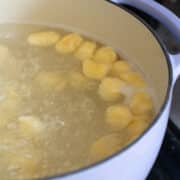
The gnudi are done rising when they float to the surface, usually within a minute or two. Once they float, let them simmer for 2 more minutes; you are looking for a dumpling that holds its shape but gives easily when pressed with the back of a spoon.
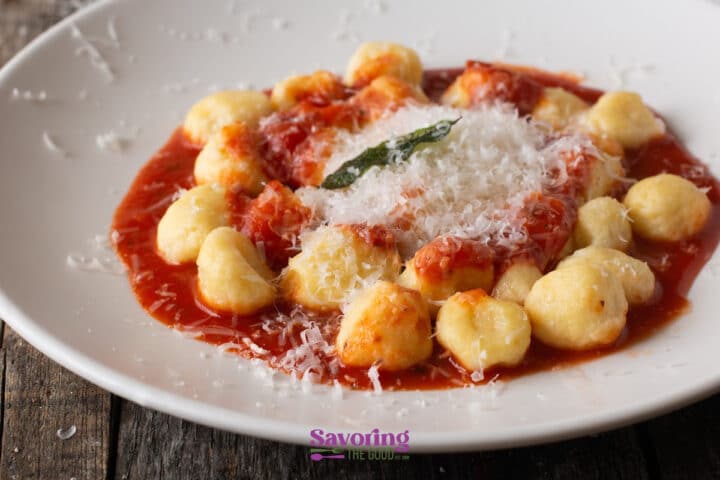
Remove and Serve
Lift the cooked gnudi out with a slotted spoon and move them straight into your sauce or serving dish.
Pro Tip
Do not let the cooked gnudi sit in the empty pot, or they will stick to each other and to the bottom. Ask me, how I know!!?
Can I freeze gnudi?
Gnudi freeze well, and it is the best way to get ahead on this recipe if you are meal planning or cooking for a crowd. Dust a baking sheet with flour, space the uncooked gnudi out so they are not touching, and freeze until firm, about 2 to 3 hours depending on size.
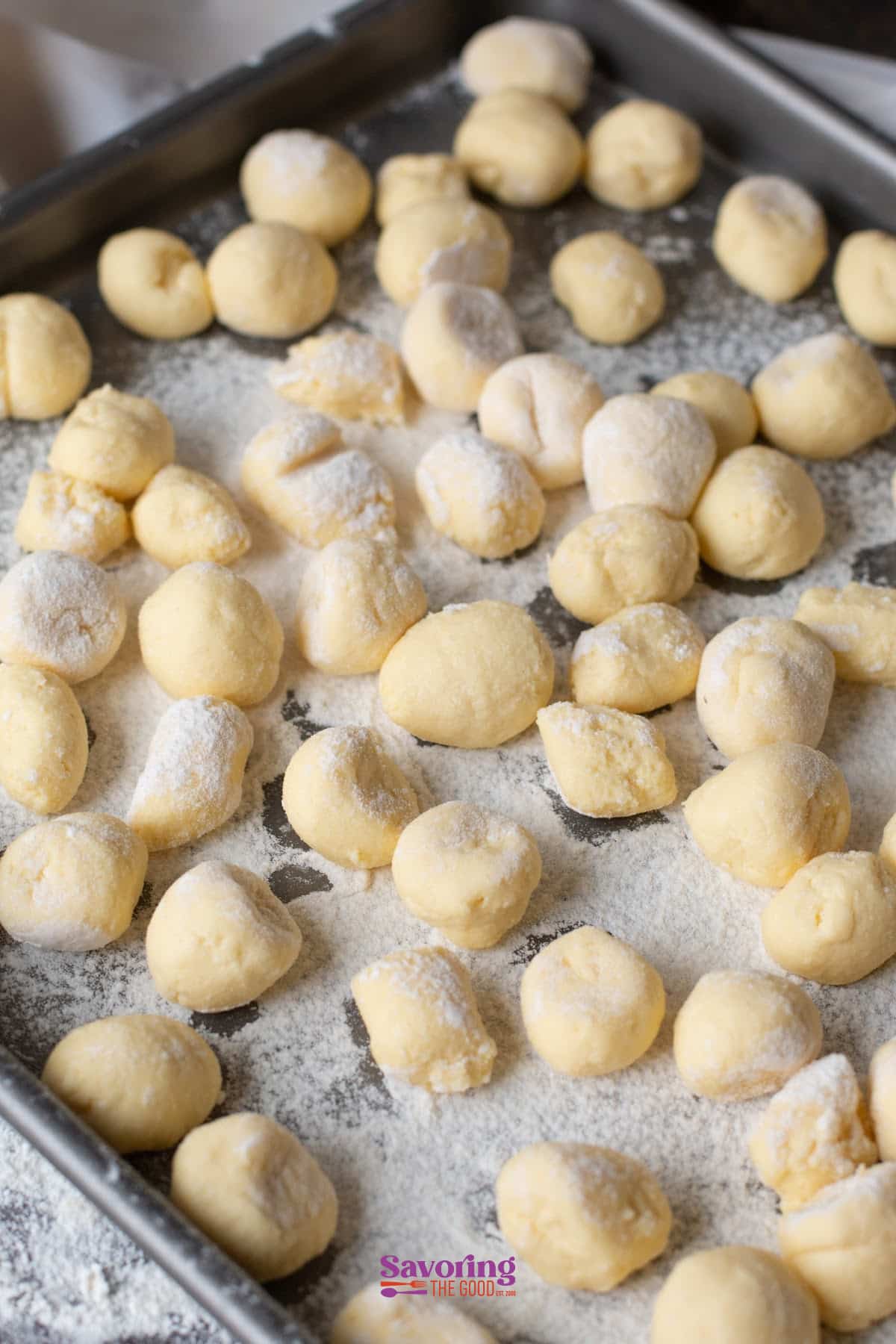
Once they are solid, transfer them to a zip-top bag or airtight container, pressing out as much air as you can; they will hold in the freezer for up to a month without any real change in texture.
How to Cook Frozen Gnudi
- Boil and Salt the Water. Bring a large pot of water to a boil and salt it well.
- Cook from Frozen. Drop the frozen gnudi directly into the boiling water; there is no need to thaw them first, and thawing actually makes them more likely to fall apart.
- Simmer After Floating. Once they float, let them simmer for 1 to 3 minutes longer than you would for fresh gnudi, since they are starting from frozen instead of room temperature.
- Drain and Serve. Remove with a slotted spoon, drain briefly, and serve right away.
Top Tips For Making Gnudi
- Drain the ricotta fully before you start. The less moisture left in the cheese, the less sticky your dough will be and the easier it is to shape.
- Fold in ½ cup of fresh grated parmesan for extra flavor if you want it; start there before adding more, since too much makes the dough harder to shape.
- Remember the dough nearly doubles once it hits boiling water, so shape your gnudi a little smaller than you think you want them.
- Do not overwork the dough. Fold gently until it just comes together; if it feels too sticky to shape, flour your hands and work surface rather than adding more flour to the bowl.
- Cook a single test gnudi before you shape the whole batch. Drop it in the water first; if it falls apart, fold a tablespoon more flour into the remaining dough before shaping the rest.
Serving Suggestions
Gnudi are simple enough to dress up or down depending on the night. Here are the pairings I come back to most.
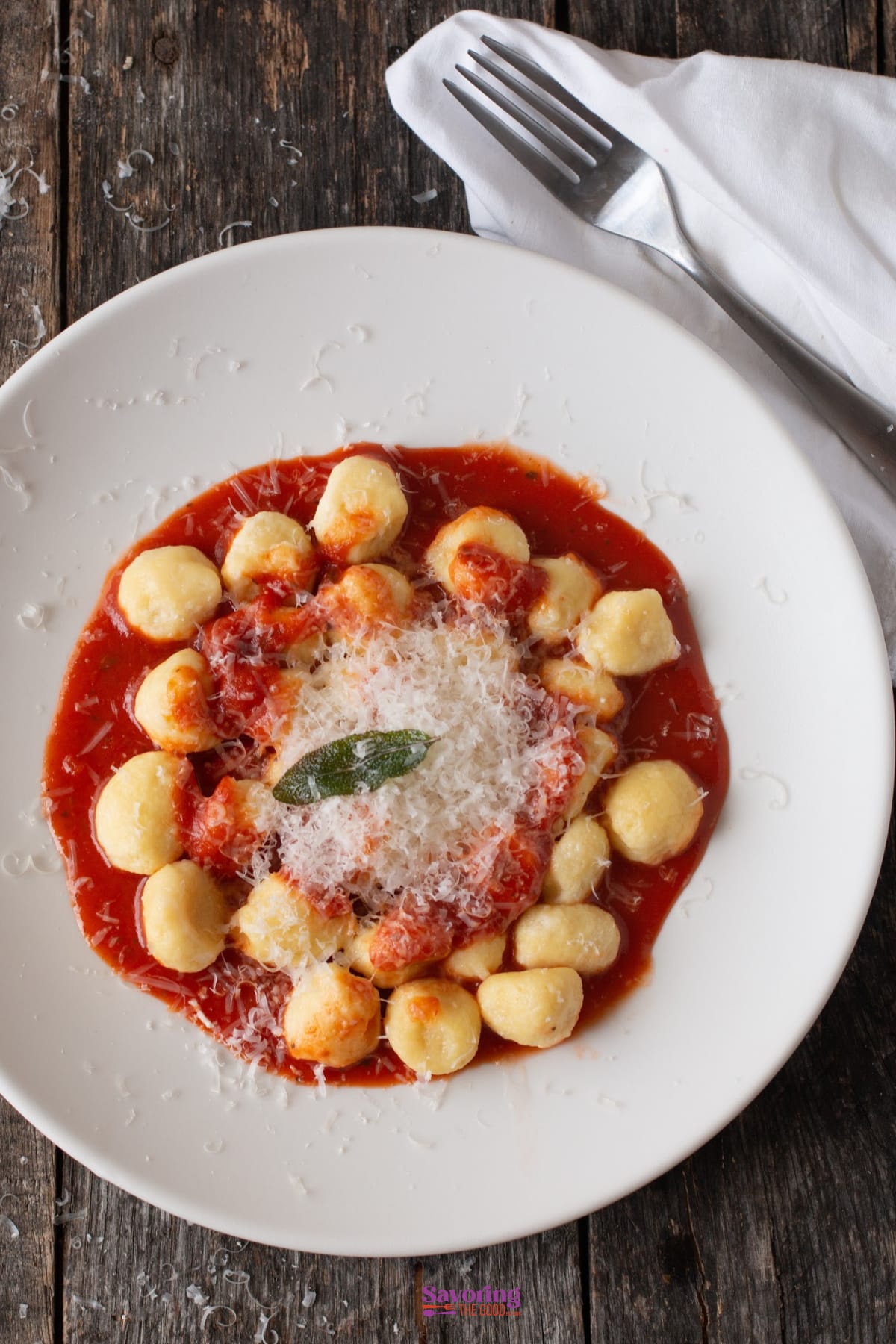
- Saute the cooked gnudi in brown butter until the butter smells nutty, then finish with fresh sage leaves; the sage crisps slightly in the hot butter and adds a savory crunch against the soft dumpling.
- Top a bowl with a generous scoop of bolognese and a shower of parmesan for a heartier, meat-forward plate.
- Toss the gnudi with butter and sage, then finish with torn fresh mozzarella, cracked black pepper, and fresh basil for a lighter, summer-leaning plate.
Your favorite jarred or homemade marinara works too, and it is the fastest route to the table on a weeknight.
Frequently asked questions, answers and tips:
Gnocchi is made with cooked, riced potato as its base, while gnudi is made with drained ricotta cheese instead. Both are shaped into small dumplings and boiled, but gnudi has a softer, more delicate texture since there is no starchy potato involved.
Gnudi is pronounced "NOO-dee." It translates roughly to "naked" in Italian, since these dumplings are essentially ravioli filling without the pasta wrapped around it.
This almost always comes down to one of three things: the ricotta was not drained long enough, the dough was overworked until it turned smooth instead of staying slightly shaggy, or too many gnudi went into the pot at once and they broke against each other. Drain fully, fold gently, and cook in small batches, and this should not happen.
Yes. Shape the gnudi and refrigerate them on a floured tray, covered loosely, for up to a few hours before cooking. For anything longer than that, freeze them using the method above; freezing holds the texture better than refrigerating the raw dough for a full day.
No. A large bowl, a rubber spatula, and a knife will get you through hand-rolled gnudi. A piping bag with a wide round tip makes shaping faster if you have one, but it is not required.
Flour protein content controls how tender or chewy the finished gnudi is; lower-protein flours like cake flour make a more tender dumpling. I break down the exact percentages and my recommendation in the substitutions section above.

Ingredients
- 16 ounces Ricotta Cheese
- 3 egg yolks
- ⅔ Cups cake flour
- 1 Teaspoon salt
Instructions
- Press the moisture out of the ricotta. See notes for detailed instructions.

- In a large bowl, using a rubber scraper or wooden spoon, mix together the egg yolks and the drained ricotta cheese.
- Sprinkle in the salt and the flour.
- Using gentle folds, incorporate the flour and salt into the ricotta and egg mixture.
- Do not overwork the dough. It will be sticky. Extra flour can be used as you roll out the gnudi.
- Continue on to rolling or piping out the gnudi.
How to hand roll gnudi:
- Gather the dough and with floured hands on a floured surface, gently roll the dough into a log about 12 inches in length.
- Using a knife, divide the dough in half lengthwise and then slice each half in half again. You will now have 4 long ¼ logs.
- Using a quick chopping motion, slice each log into bite-sized pieces, about an inch in length.
- Flour your hands and the pieces of dough again to roll them into little dumplings.
How to pipe out gnudi dumplings:
- Fit a piping bag with a wide open, round tip or just the coupler in the bottom of the bag.
- Dust a cookie sheet or surface with flour.
- Pipe out 1 inch dollops of dough. For larger dumplings press harder and longer to make a golf ball sized dumpling.
- Dust your hands with more flour and sprinkle the dollops with more flour.
- Pick up each gnudi and form it gently in your hand. I found that shaking them in your hand as if you were shaking dice works well. Just be sure to do one at a time and flour your hand frequently.
- Place on a well-floured cookie sheet until ready to boil.
How To Cook Gnudi
- Bring a large pot of water to boil and salt the water.
- Drop the gnudi in the water and wait for them to float to the top.
- Simmer for 2 minutes and remove them from the pot with a slotted spoon.
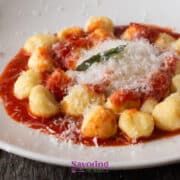
- Serve with the sauce of your choice.
Nutrition

I am Sarah Mock. Welcome!
Sarah Mock is a classically trained Chef and a graduate of Johnson & Wales University. A culinary blogger for 17 years, Sarah helps the home cook prepare her recipes with professional results.


Taneika says
I'm not seeing how to make this pasta gluten free? It shows flour but doesn't mention an alternative for flour.
Sarah Mock says
That is a great point Taneika! I will adjust the instructions to reflect your gluten free request. I would suggest using your choice of gluten free flour alternative or Tapioca flour. I hope that helps.
Sarah