

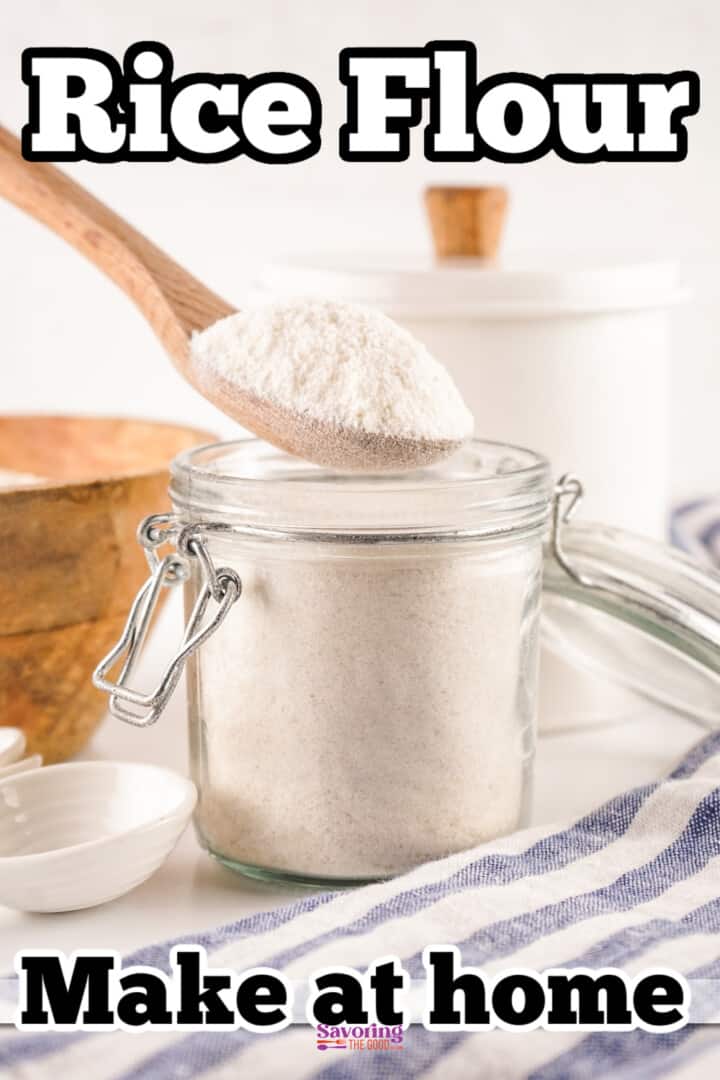
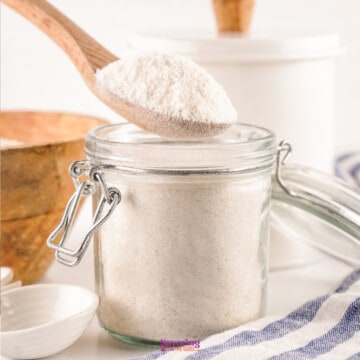
Learn how to make rice flour at home with this easy step-by-step recipe. Enjoy fresh, pure flour without additives! Save money in the long run.
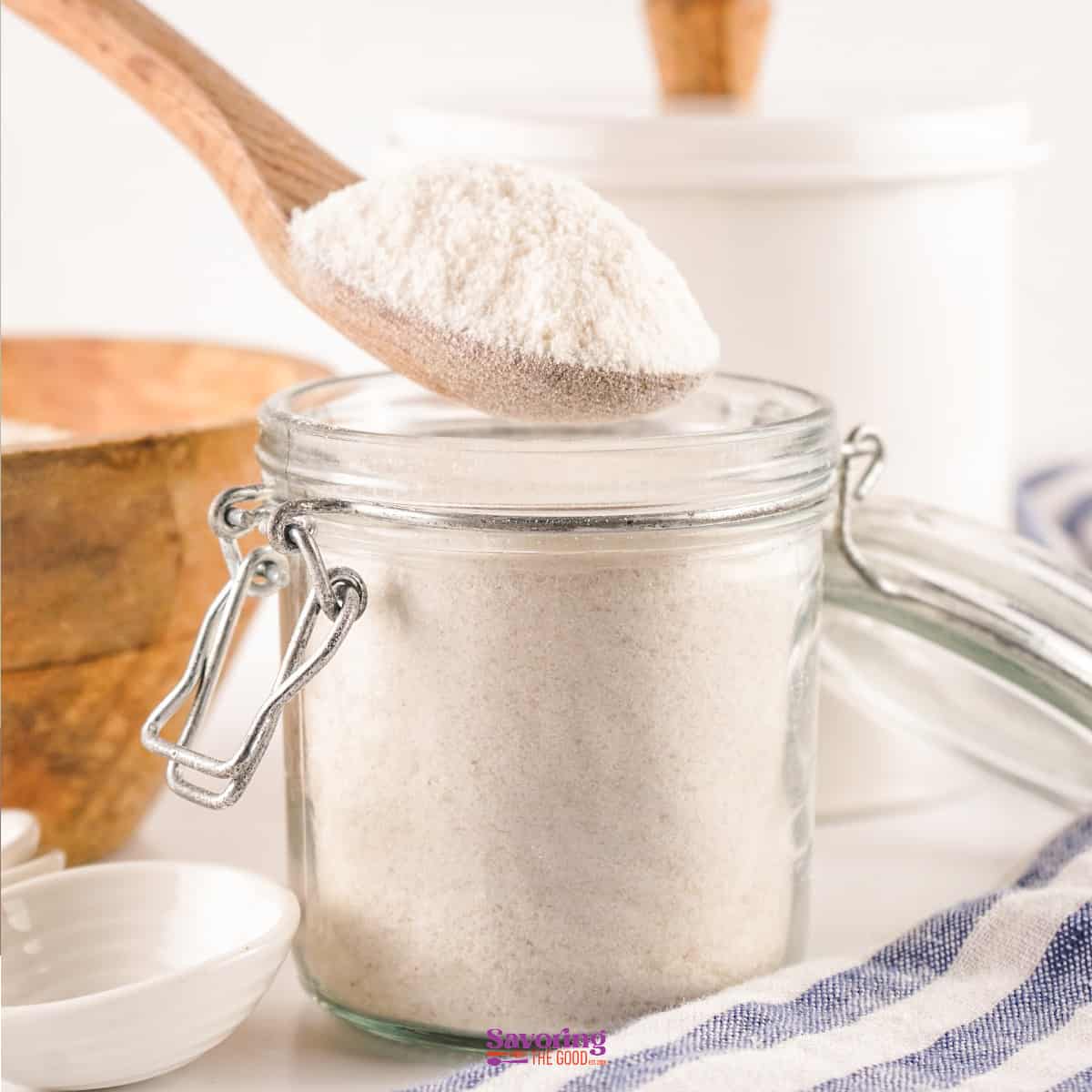
Storing homemade rice flour properly is crucial to maintain its freshness and quality. Scroll down to see important storage tips, you can keep your homemade rice flour fresh and ready for use in various recipes.
You should use this method to make rice into flour at home.
By making rice flour at home, individuals can tailor it to their preferences, ensuring a fresh and high-quality ingredient for their culinary creations.
- Control Over Ingredients:
- Making rice flour at home allows individuals to have full control over the type and quality of rice used. They can choose organic, non-GMO, or specialty rice varieties, ensuring a higher level of ingredient transparency.
- Freshness and Flavor:
- Homemade rice flour is fresher compared to store-bought versions, which might have been sitting on shelves for an extended period. The freshness contributes to a better flavor in recipes, especially in delicate dishes where the taste of the flour plays a significant role.
- Customization and Specialty Flours:
- DIY rice flour provides the flexibility to customize the texture and flavor. Some recipes may require a specific grind or type of rice flour, and making it at home allows for this level of customization. Additionally, individuals can experiment with creating specialty flours by using unique rice varieties.
What kind of rice to use:
When making rice flour at home, the variety of rice you choose can impact the texture and flavor of the flour. Choose the type of rice based on your recipe and flavor preferences. Experimenting with different rice varieties and blends can also add unique flavor profiles to your homemade rice flour.
- White Rice: This is a versatile option and widely used for making rice flour. It results in a neutral-flavored flour suitable for various recipes.
- Brown Rice: Brown rice flour has a slightly nutty flavor and retains more nutrients compared to white rice flour. It adds a wholesome quality to baked goods.
- Sweet Rice (Glutinous Rice): Despite the name, sweet rice flour is gluten-free. It has a sticky texture, making it suitable for recipes that require a chewy or stretchy consistency.
- Basmati or Jasmine Rice: These aromatic rice varieties can be used to make fragrant rice flour, adding a subtle fragrance to your dishes.
What kind of grinder or blender should I use when making rice flour?
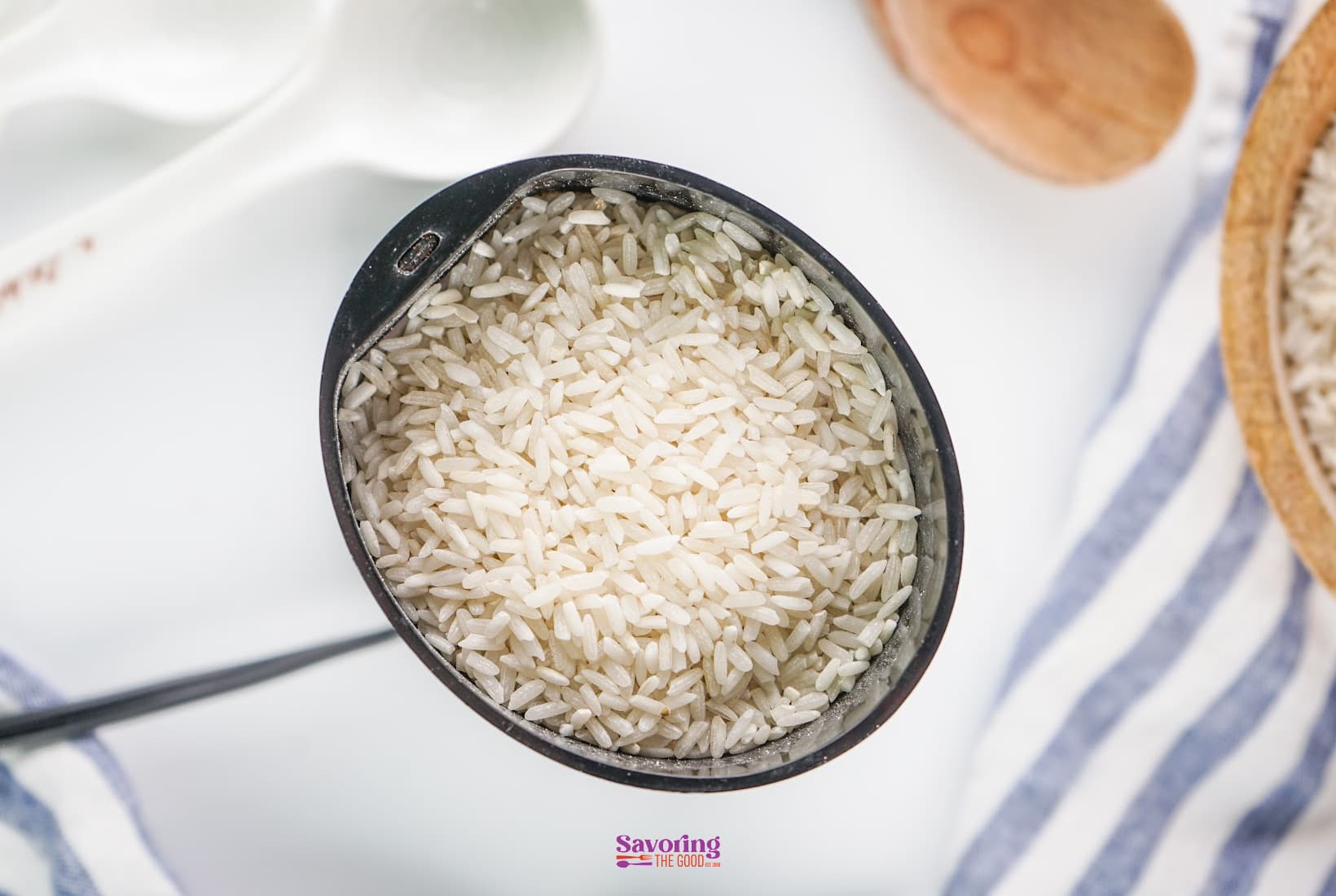
When making rice flour at home, the choice of grinder can significantly impact the texture of the flour. Here are two common types of grinders you can use:
- Spice Grinder:
- This is a dedicated grinder designed for spices and small quantities of dry ingredients. Additionally, a dedicated coffee grinder works well for making rice flour in small batches. Ensure the grinder is clean and dry before use.
- Blender or Food Processor:
- If you don't have a spice grinder, a high-quality blender or food processor can also be used. Break down the rice into smaller batches and pulse until you achieve a fine rice powder. This method is suitable for larger quantities.
Tips for Choosing:
- Capacity: Consider the quantity of rice you plan to grind. Spice grinders are ideal for small amounts, while blenders or food processors can handle larger batches.
- Texture Control: Spice grinders often provide better control over the texture, resulting in a finer flour. Blenders may require additional effort to achieve a similar consistency.
- Cleanliness: Ensure the grinder or blender is thoroughly clean and dry before use to prevent any unwanted flavors or moisture from affecting the rice flour.
How do you make rice flour at home?

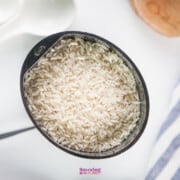
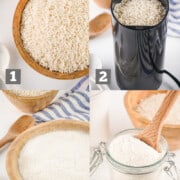
- Place your chosen raw rice in the grinder, pulsing for around 15 seconds until you achieve a fine, flour-like consistency. Since most grinders can't handle a full 2 cups at once, work in smaller batches.
- For an extra smooth texture, consider sifting the flour to eliminate any lingering rice bits.
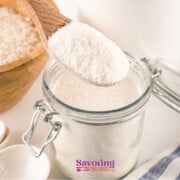
- Once done, store your freshly ground rice flour in an airtight container. Keep it in a cool, dry spot, and it should stay fresh for up to 5 months or even longer.
Should I soak rice before making flour?
I usually don't wash my rice before making rice flour for baking because the baking process ensures it is food-safe. However, if you prefer, you can rinse the rice well before making flour, ensuring it's fully dry. Some people soak rice before grinding to soften it, but when using a spice grinder, there's no need as the grinder handles the job efficiently.
Making homemade rice flour after soaking.
- Rinse the Rice:
- If you prefer, rinse the rice under cold water to remove excess starch. This step is optional, especially if you're using white rice.
- Drain and Dry:
- If you rinsed the rice, let it drain thoroughly. Spread the rice on a clean kitchen towel or paper towel to air-dry completely. It's crucial for the rice to be dry before grinding.
- Grind the Rice:
- Use a high-quality spice grinder or a dedicated rice flour mill. Grind the dried rice in small batches to achieve a fine powder. The goal is to have a smooth and consistent texture.
- Sieve (Optional):
- If you want an even finer flour, you can pass the ground rice through a fine mesh sieve to remove any larger particles.
- Store in an Airtight Container:
- Transfer the freshly ground rice flour into a clean, dry, and airtight container. Label it with the date and type of rice used.
How to make rice flour without a grinder?
- Rinse and Dry (Optional):
- Rinse the rice if desired, then let it dry completely.
- Blend in Batches:
- Break down the rice into smaller batches. Place a portion in your blender or food processor.
- Pulse in short bursts until you achieve a fine powder.
- Be patient and scrape down the sides if needed.
- Sieve (Optional):
- For a smoother texture, sift the ground rice through a fine mesh sieve.
- Combine and Store:
- Combine all batches and store the rice flour in an airtight container, labeled with the date and rice type.
Can rice flour be made in a food processor?
Using a food processor is a convenient alternative to a spice grinder and works well, especially for larger quantities.
- Rinse and Dry (Optional): Rinse the rice if desired, then let it dry completely.
- Grind in Batches: Break down the rice into smaller batches and place them in the food processor.
- Pulse Until Fine: Pulse the rice in the food processor until it reaches a fine powder-like consistency. Be patient and scrape down the sides if needed.
- Sieve (Optional): For an even finer texture, you can sift the ground rice through a fine mesh sieve.
- Combine and Store: Combine all batches and store the rice flour in an airtight container, labeled with the date and type of rice used.
Storage Tips
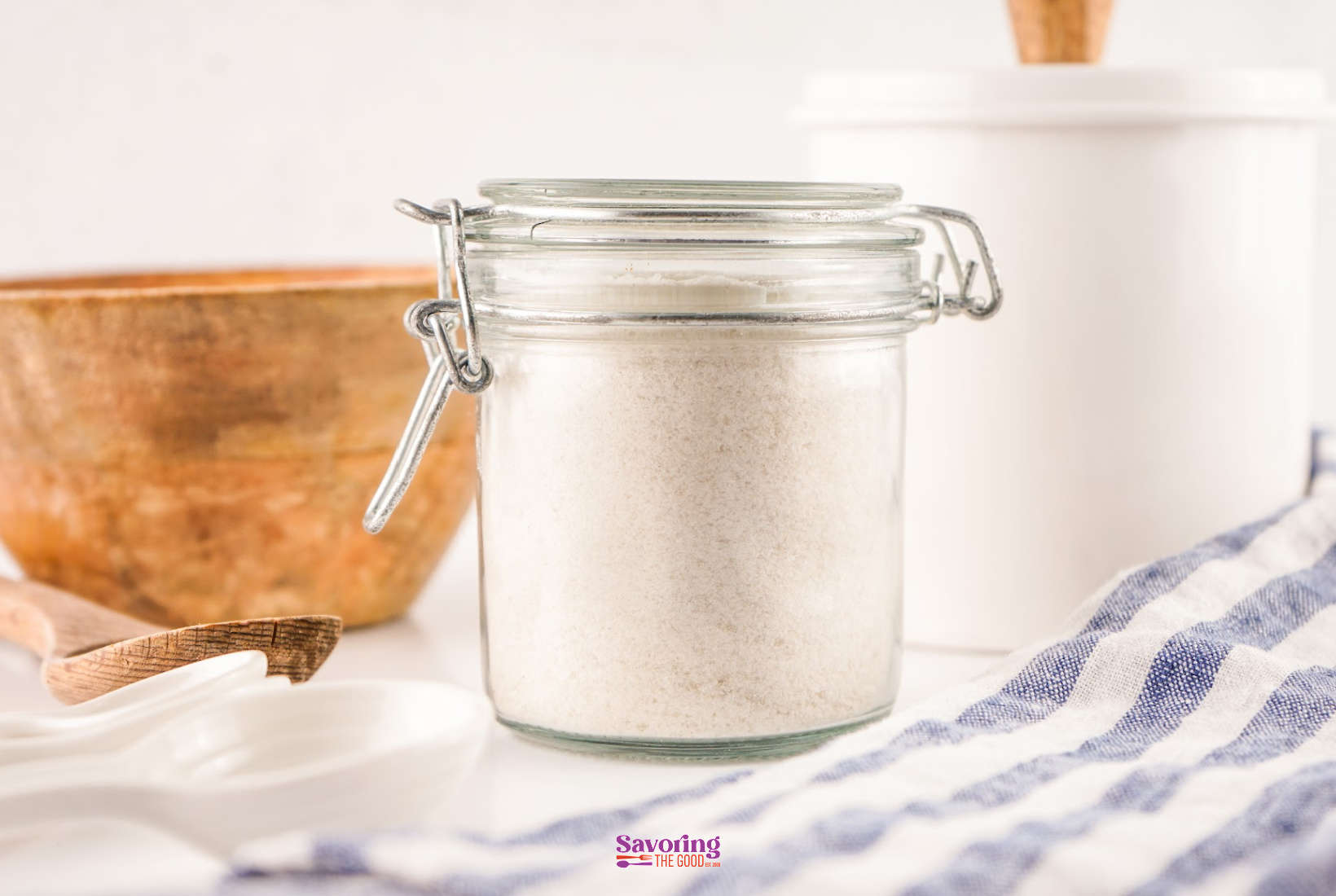
Storing homemade rice flour properly is crucial to maintain its freshness and quality. By following these storage tips, you can keep your homemade rice flour fresh and ready for use in various recipes.
- Airtight Container: Transfer the homemade rice flour to a clean, dry, and airtight container. Ensure that there is no moisture inside the container, as moisture can lead to spoilage and the development of mold.
- Cool, Dark Place: Store the container in a cool, dark place, away from direct sunlight. Exposure to light and heat can affect the flavor and shelf life of the rice flour.
- Labeling and Date: Always label the container with the type of rice flour and the date it was made. This makes it easier to keep track of freshness and ensures you use the oldest batch first.
Bonus Tip
Refrigeration Option: For longer shelf life, especially if you live in a humid environment, consider storing the rice flour in the refrigerator. The cool temperature helps prevent the flour from going rancid.
Rice Flour Recipes
- Pound Cake
- Buttery Mochi
- Rice Flour Pancakes
- Vegan Rice Balls
- Vietnamese Fried Rice Cakes
Find the rest of the rice flour recipes in this article.
Frequently asked questions, answers and tips:
How much rice flour from 1 cup of rice?
The conversion from rice to rice flour depends on the type of rice you're using. As a general guideline:
White Rice: 1 cup of uncooked white rice yields approximately 1 ½ cups of rice flour.
Brown Rice: 1 cup of uncooked brown rice yields about 1 ¼ to 1 ⅓ cups of rice flour.
Keep in mind that these measurements are approximate, and the actual yield may vary based on factors like the variety of rice and how finely the rice flour is ground. It's always a good idea to measure and adjust based on your specific recipe needs.
Is rice flour just ground rice?
Yes, exactly! Rice flour is made by grinding rice into a fine powder. The process involves milling or grinding rice grains until they reach the desired consistency. Depending on the recipe and the type of rice used, the resulting rice flour can vary in texture and flavor.
There are different types of rice flour, including white rice flour, brown rice flour, and sweet rice flour (glutinous rice flour), each offering unique characteristics. White rice flour is commonly used in gluten-free baking, while brown rice flour retains more of the rice grain's natural nutrients and fiber. Sweet rice flour, despite its name, is gluten-free and is often used for its sticky texture in certain recipes.

Ingredients
- 2 Cups uncooked white rice
Instructions
- Place your chosen raw rice in the grinder, pulsing for around 15 seconds until you achieve a fine, flour-like consistency. Since most grinders can't handle a full 2 cups at once, work in smaller batches.2 Cups uncooked white rice

- For an extra smooth texture, consider sifting the flour to eliminate any lingering rice bits.
- Once done, store your freshly ground rice flour in an airtight container. Keep it in a cool, dry spot, and it should stay fresh for up to 5 months or even longer.
Nutrition
Notes

I am Sarah Mock. Welcome!
Sarah Mock is a classically trained Chef and graduate of Johnson & Wales University. A culinary blogger for 16 years Sarah helps the home cook prepare her recipes with professional results.




Zisy Margolis says
Can rice flour be made in a food processor?
Sarah Mock says
Thank you for the question Zisy! I thought I had thought of all the questions but I missed this one! I add the answer to the post but here is a copy for you. Using a food processor is a convenient alternative to a spice grinder and works well, especially for larger quantities.
Rinse and Dry (Optional): Rinse the rice if desired, then let it dry completely.
Grind in Batches: Break down the rice into smaller batches and place them in the food processor.
Pulse Until Fine: Pulse the rice in the food processor until it reaches a fine powder-like consistency. Be patient and scrape down the sides if needed.
Sieve (Optional): For an even finer texture, you can sift the ground rice through a fine mesh sieve.
Combine and Store: Combine all batches and store the rice flour in an airtight container, labeled with the date and type of rice used.