

Flour is the fundamental building block of baking, yet the sheer variety available can be overwhelming. From the all-purpose staple to specialized grains, each type of flour offers unique properties that can make or break a recipe.

As a classically trained baker, I've learned that understanding the nuances between flour varieties is key to unlocking the full potential of your creations, whether you're whipping up a tender pie crust, chewy artisanal bread, or delicate sponge cake.
Flour Types
I'll start by categorizing the types of flour you're likely to come across in a baking aisle.
Wheat Flours:
- All-Purpose Flour (APF): Versatile and commonly used, it has a moderate protein content suitable for a wide range of baked goods.
- Bread Flour: Higher in protein, it develops more gluten, ideal for yeast bread.
- Whole Wheat Flour: Contains the whole grain, offering a denser texture and nutrient-rich profile.
- Cake Flour: Lower protein content, finely ground for a soft, delicate texture in cakes.
- Pastry Flour: Slightly more protein than cake flour, it's perfect for pastries and pies.
Gluten-Free Flours:
- Almond Flour: Ground almonds, high in fat, good for tender baked goods and gluten-free options.
- Coconut Flour: Highly absorbent, requiring more liquid, offers a coconut flavor.
- Rice Flour: Milled from white or brown rice, used in gluten-free and Asian cooking.
- Oat Flour: Ground from oats, gluten-free if certified, with a soft, chewy texture.
Other Types of Flour:
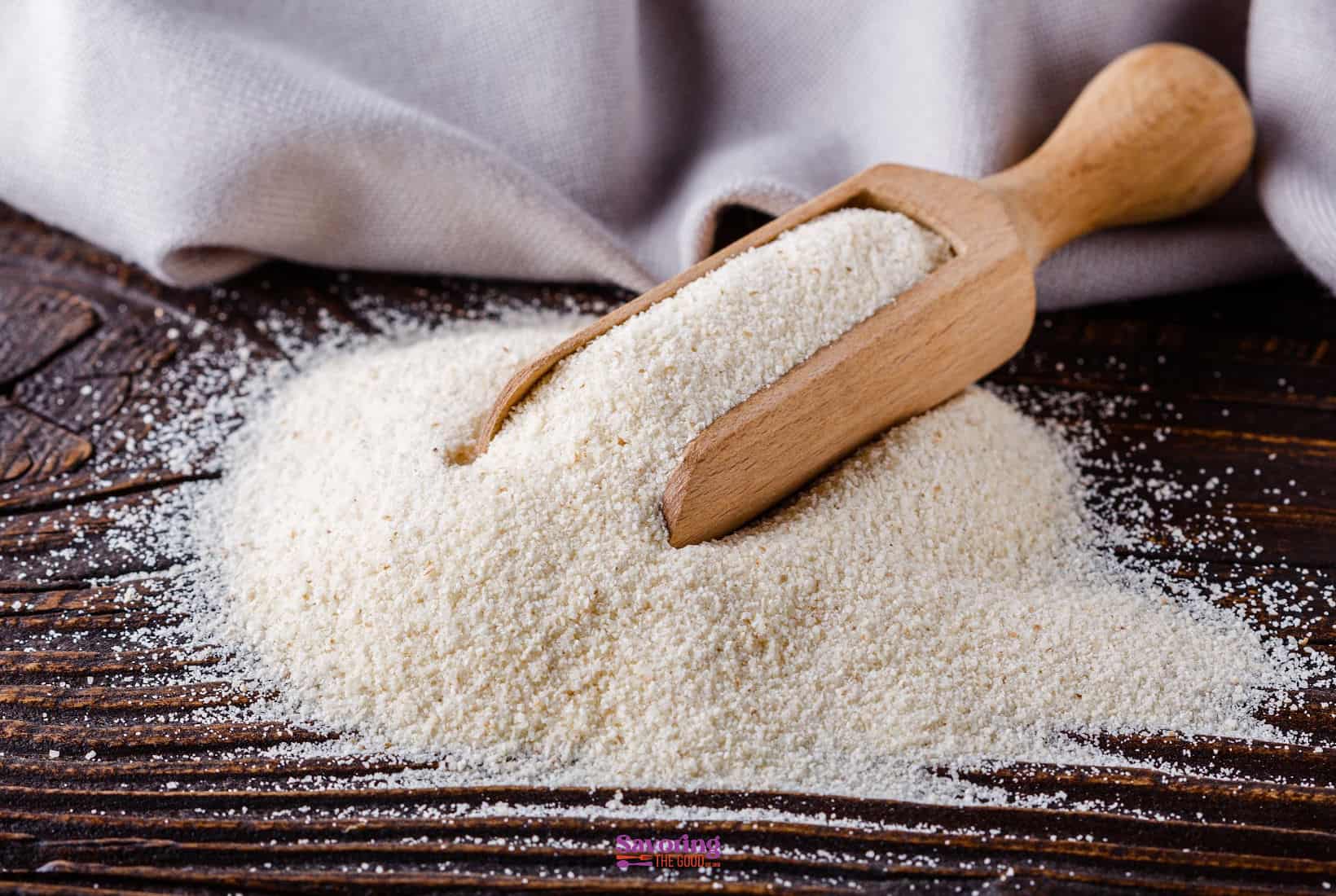
- Semolina Flour: Made from durum wheat, it's granular and commonly used for pasta.
- Spelt Flour: An ancient wheat variety, nutty in flavor, used in artisanal breads.
- Rye Flour: Low in gluten, dense in nature, often used for rye and pumpernickel breads.
When selecting a flour, I consider the desired texture and flavor of the final product, as well as any dietary restrictions such as the need for a gluten-free option. Each type of flour brings unique properties to the table, influencing texture, taste, and nutritional content.
Types Of Wheat Flour
I find that understanding the different varieties of wheat flour is crucial for any baker, as each type lends itself to a variety of baked goods based on protein content and gluten strength. Every flour serves its purpose, and knowing when to use which type can greatly affect the texture and success of your baked creations.
All-Purpose Flour
All purpose flour is the go-to flour for general baking. With a moderate protein content, typically around 10-12%, it's strong enough for breads yet soft enough for cakes. It differs from cake flour in that it has more protein, which impacts gluten formation and the texture of the final product.
Bread Flour

Bread flour has a higher protein content, usually around 12-14%. This higher protein is great for making yeast bread because it helps develop a strong gluten structure.
Compared to cake flour, bread flour has more protein, which gives baked goods a denser texture. Cake flour is very finely milled, making cakes and other delicate baked goods a soft and tender crumb.
When comparing bread flour to regular all-purpose flour, the main difference is also the protein content. Bread flour has more protein, which creates a chewier texture, while all-purpose flour has less protein.
Another type of flour is 00 flour, which is often used for making pizza and pasta. Compared to bread flour, 00 flour has less protein, but the higher protein in bread flour helps provide the structure needed for tall, lofty loaves of bread.
Whole Wheat Flour
Whole wheat flour is milled to include the bran, germ, and endosperm of the wheat grain, making it more nutritious. It typically has a higher protein content similar to bread flour, but the presence of bran reduces gluten development, leading to denser breads. Its robust flavor also distinguishes it from the more neutral-tasting white flours.
Cake Flour
Cake flour has a low protein content, usually around 5-8%. This low protein content gives baked goods a light, tender texture.
The main difference between all-purpose flour and cake flour is the protein percentage. All-purpose flour has a higher protein content than cake flour.
The low protein in cake flour means it doesn't have enough strength to create the chewy textures needed for bread baking. This is in contrast to bread flour, which has a higher protein content that is better suited for breads.
Gluten-Free Flours
Gluten-free flours offer a substantial alternative for those with celiac disease or gluten sensitivities.
Almond Flour
Almond flour is a nutritious flour alternative, high in protein and low in carbohydrates compared to traditional wheat flour. Unlike regular flour, which contains gluten, almond flour is ground from blanched almonds, which gives it a light texture. It is particularly popular in baking items like macarons and other delicate pastries.
Coconut Flour
Made from dried and ground coconut meat, coconut flour and offers a mild coconut flavor. It is more absorbent than most other flours, which means adjusting the amount of liquid in recipes when using coconut flour
Rice Flour
Rice flour is typically made from finely ground white or brown rice. It is a neutral-tasting gluten-free flour, making it versatile for a range of baked goods. I find that it works particularly well as a thickening agent in sauces and gravies.
Soy Flour
Derived from ground soybeans, soy flour is dense and rich in protein. It has a distinct flavor and is commonly used in combination with other gluten-free flours. I appreciate its nutritional benefits, especially the added protein, which can be lacking in some gluten-free diets.
Corn Flour
Corn flour is a gluten-free flour made from finely ground dried corn kernels. With its distinctive flavor and lack of gluten, corn flour is used in many cuisines. It is essential for making traditional Latin American dishes like tortillas, tamales, and arepas, providing a tender yet sturdy base.
Bakers also use corn flour for its ability to produce a delicate, almost cake-like crumb in baked goods such as cornbread and corn muffins.
Chickpea Flour
Chickpea flour, also called garbanzo bean flour, is made by grinding dried chickpeas into a fine powder. It has a slightly nutty, earthy flavor and a dense, protein-rich texture.
Chickpea flour is a common ingredient in many South Asian and Middle Eastern dishes, used to make savory fritters, pancakes, and breads.
Specialty Flours
In exploring the world of baking, I've come to appreciate the unique roles of specialty flours. These flours are pivotal in achieving textures and flavors specific to certain dishes.
Pastry Flour
Pastry flour has a lower protein content, typically around 8-9%, which I find makes it ideal for creating tender and flaky baked goods. It falls between all-purpose flour and cake flour in terms of protein content. Bakers use it for pie crusts, tarts, and cookies.
Semolina Flour
Semolina flour is made from durum wheat and exhibits a coarse texture. It is high in gluten and protein, making it perfect for pasta and Italian breads. The robust nature of semolina lends an al dente texture to pasta, distinguishing it from ordinary wheat flours.
Tipo 00 Flour
Tipo 00 flour, also known as "doppio zero" flour, is finely ground and highly refined. Because of its powder-like texture, I've found it to be excellent for making authentic Italian pizza and pasta.
When comparing 00 flour to bread flour, Tipo 00 has a lower protein content, usually around 11-12%, whereas bread flour has a range of 12-14%.
This difference in protein impacts gluten formation-Tipo 00 produces a more tender dough, while bread flour creates a chewier texture.
Instant Flour
Instant flour, also known as quick-mixing flour, is processed wheat flour that is pre-cooked and dried. This treatment allows the flour to instantly dissolve and thicken liquids without the need for lengthy cooking or simmering.
The pre-gelatinized starches in instant flour provide efficient, lump-free thickening power. Compared to all-purpose flour, instant flour has a finer, more powdery texture that blends seamlessly into liquids.
Its ability to effortlessly incorporate into recipes makes instant flour an indispensable pantry staple for time-saving meal preparation.
**Note: I have not come across instant flour in my community. I only know about it because we learned about it briefly in my Breads and Rolls Baking Class at Johnson & Wales.
White Whole Wheat Flour
White whole wheat flour is made from a lighter-colored wheat variety, offering a milder flavor than traditional whole wheat flour.
Bakers value that white whole wheat can be used as a one-to-one substitute for all-purpose flour, adding whole grain nutrition without significantly changing the texture or appearance of baked goods.
The versatility of white whole wheat flour makes it a popular choice for home cooks and bakers seeking to incorporate more whole grain goodness. **see note above.
Different Types of Flour for Baking
When I bake, the type of flour I use is critical to the outcome of my baked goods. The most common types of flour for baking are:
- All-purpose flour: It's versatile and suitable for a wide range of baked products.
- Bread flour: Higher in protein, it's ideal for yeast breads.
- Cake flour: Low in protein, yielding tender and light cakes.
- Pastry flour: Slightly higher protein than cake flour, perfect for pastries.
Each flour has its unique protein content which affects gluten formation:
- All-purpose flour: 10-12% protein
- Bread flour: 12-14% protein
- Cake flour: 7-9% protein
- Pastry flour: 9-10% protein
Here are a few tips when using these flours:
- All-purpose flour is my go-to for quick breads, cookies and muffins.
- For a chewy bread with a good rise, bread flour works best due to its high protein content.
- For a delicate sponge cake, cake flour is my choice for a finer crumb structure.
- For flaky and tender pastries, pastry flour is preferable.
Different recipes call for specific flours. For instance, substituting bread flour for all-purpose flour can impact the texture of cookies, making them tougher than desired.
Moreover, whole wheat flour, not mentioned above, contains the entire grain and imparts a nutty flavor but can also make baked goods denser. I sometimes blend it with all-purpose flour to add nutrition without compromising too much on texture.
Nutritional Aspects of Flour
Flour nutrition can vary widely depending on the grain used and the degree of processing. For instance, white flour, which is refined, has less fiber and nutrients compared to whole grain varieties like whole wheat or rye flour.
Whole Wheat Flour: I find that whole wheat flour is rich in fiber and provides about 13 grams of protein per 100 grams. It also contains iron, magnesium, and B vitamins. Its nutritional profile supports a healthy digestion and steady energy release.
Table 1: Nutritional Content in 100g of Whole Wheat Flour
| Nutrient | Content |
|---|---|
| Calories | 340 kcal |
| Protein | 13 g |
| Carbohydrates | 72 g |
| Fiber | 11 g |
| Fat | 2.5 g |
| Iron | 3.6 mg |
| Magnesium | 138 mg |
| B Vitamins | Various amounts |
White Flour: By contrast, white flour is lower in fiber but still contains roughly 10-12 grams of protein per 100 grams. Its iron content is often enhanced through fortification.
- Calories: 364 kcal
- Protein: 10-12 g
- Carbohydrates: 76 g
- Fiber: ~ 1 g
- Iron: Fortified levels may vary
Almond Flour: I've noted that almond flour is a popular gluten-free option, and it's packed with healthy fats, fiber, protein, and vitamin E. However, it's also calorie-dense.
- Nutritional Summary for Almond Flour (Per 100g):
- Calories: 590 kcal
- Protein: 21 g
- Carbohydrates: 20 g
- Fiber: 10 g
- Vitamin E: 24.8 mg
How Flour Is Made
When looking at how flour is made, the main process is milling. Milling is a mechanical technique that grinds raw grains into flour.
Through milling, the grains are ground down into flour with different levels of fineness. This allows for the production of flour with varying degrees of texture and refinement.
When producing whole wheat flour, all parts of the grain (bran, germ, and endosperm) are included. In contrast, refined flours, like white flour, typically have the bran and germ removed during milling, resulting in a lighter, finer-textured flour.
These processing techniques are critical in determining the flour's final characteristics and suitability for various baking applications.
- Milling: This is the core process that involves grinding the grain between heavy wheels or stones. The grain passes through a series of rollers that progressively crush and grind it into finer particles.
- Sifting: After milling, sifting is employed to separate the flour into different grades. This process utilizes a mesh or sieve to filter out larger particles, creating a finer texture.
- Bleaching: For some flours, bleaching is a technique that I use to whiten the flour. It involves treating the flour with chemical agents like benzoyl peroxide or chlorine gas, which alter the flour pigments, resulting in a lighter color.
- Enriching: This technique involves adding nutrients to the flour that may have been lost during processing. Common nutrients include iron, and B-vitamins like folic acid, thiamine, niacin, and riboflavin.
- Aging: Natural aging occurs when freshly milled flour is allowed to sit for a period of time, which can enhance its baking properties. However, chemical agents may also be used to speed up this process.
Shelf Life and Storage Of Flour
When I store flour, maintaining its freshness and quality is a top priority. To do this, I follow these guidelines:
Whole Grain Flour:
- Shelf Life: Typically lasts up to 3 months in the pantry, 6 months in the refrigerator, or up to a year when frozen.
- Storage Tips: Keep it in airtight containers to protect from oxygen and moisture. I recommend refrigeration or freezing for longer shelf life.
White Flour (All-Purpose, Bread, Cake):
- Shelf Life: Can last for about 1 year in the pantry and even longer if refrigerated or frozen.
- Storage Tips: Store in a cool, dry place away from direct sunlight. A sealed container is best to prevent contamination and absorption of odors.
Self-Rising Flour:
- Shelf Life: Has a similar shelf life to white flour, but leavening agents may lose potency over time, so I use it within 6 months to a year.
- Storage Tips: An airtight container in a dry, cool area is ideal.
Here's a quick reference table for maximum shelf life:
| Flour Type | Pantry | Refrigerator | Freezer |
|---|---|---|---|
| Whole Grain | 3 months | 6 months | 1 year |
| White | 1 year | Longer | Longer |
| Self-Rising | 6-12 months | Same | Same |
To determine if flour has gone bad, I look for changes in color, smell, and the presence of pests. If I observe any of these signs, I discard the flour to ensure my baking remains top-notch.
Many Different Types Of Flour From Around The World
In exploring regional flour varieties, I've come across numerous types that are distinct to certain cultures and cuisines. All-purpose flour is a staple in American kitchens; milled from hard red wheat or a blend of hard and soft wheat, it's versatile for many recipes.
Venturing into South Asia, Atta flour stands out. Derived from whole wheat, it's integral to Indian cooking for making chapatis and naans. The texture and gluten content are unique to this region's flours.
Europe offers a range of varieties, like '00' flour, which I've noted is essential for authentic Italian pasta and pizza. Milled extremely fine, it's made from soft wheat varieties.
In France, Type 55 flour is preferred for classic French bread. It's made from hard wheats and has a protein content slightly lower than American all-purpose flour.
Japan introduces an intriguing option called Hakurikiko flour. This flour is low in protein and finely milled, ideal for silky noodles and tempura batters.
| Region | Flour Type | Common Use |
|---|---|---|
| America | All-purpose | General baking |
| South Asia | Atta | Chapatis, Naans |
| Italy | '00' | Pasta, Pizza |
| France | Type 55 | French bread |
| Japan | Hakurikiko | Noodles, Tempura |
Europe
- Italy: Durum wheat flour is integral for making traditional Italian pasta due to its high protein content, which gives the pasta its firm texture.
- France: T45 flour, a finely milled soft wheat flour, is used extensively in French patisserie for delicate pastries and cakes.
Asia
- India: Atta flour, a whole wheat flour, is essential in Indian cuisine for making staple foods like chapatis and rotis.
- Japan: Rice flour and glutinous rice flour are widely used in Japanese confections (mochi) and noodles (udon).
Middle East
- Bulgur: Parboiled and ground wheat, known as bulgur, is a primary ingredient in tabbouleh and kibbeh.
The Americas
- USA: All-purpose flour is arguably the most versatile, found in everything from bread to thickening gravies.
- Mexico: Masa harina, made from nixtamalized corn, is fundamental for authentic corn tortillas.
Each region's choice of flour adds distinctive flavors and textures, harmonizing traditional tastes with present-day culinary practices. While flours may vary globally, the connection they foster through shared meals and heritage is universal.
How To Choose The Right Flour For Your Recipe
When I shop for flour, I assess several key details on the labels which are crucial for my baking and cooking needs. Most flour bags prominently display the grain type used to make the flour.
For instance, terms like whole wheat, white, or almond provide immediate insight into the flour's base ingredient.
Protein content is another vital element which influences the flour's behavior in recipes. Conventional labels may not show percentages, but they do indicate the flour's strength-through terms such as all-purpose, bread, cake, or pastry.
Here, all-purpose flour has a moderate protein content, while bread flour has a high protein level, and cake flour has a low one, which affects the texture of the baked goods.
My attention often shifts to the milling process indicated on labels. This can be symbolized as 'stone-ground', which suggests a traditional milling method, or lack of such a term, hinting at a more modern, roller-milling process. Each has implications for the flour's texture and taste.
Enriched and bleached are terms that appear frequently. Enriched flour has had certain nutrients reintroduced after processing, while bleached flour has been chemically treated to improve its color and baking properties.
Finally, I look for any certifications such as organic, non-GMO, or gluten-free which align with dietary preferences or requirements. Here's a handy table to summarize:
| Term | Meaning |
|---|---|
| Whole Wheat | Made with the entire wheat kernel |
| White | Refined, with bran and germ removed |
| Almond | Made from ground almonds |
| All-Purpose | Moderate protein content, versatile |
| Bread | High protein content, ideal for yeast-leavened bread |
| Cake | Low protein content, creates tender baked goods |
| Stone-Ground | Milled using traditional stone grindstones |
| Enriched | Nutrients added post-milling |
| Bleached | Chemically treated to whiten and soften |
| Organic | Produced without synthetic pesticides or fertilizers |
| Non-GMO | No genetically modified organisms |
| Gluten-Free | Suitable for those with gluten intolerance |
Reading labels attentively ensures that I select the best flour for my cooking and baking endeavors, leading to delectable and desired outcomes.
Frequently Asked Questions
In addressing these FAQs, I draw from my extensive knowledge about baking flours. I aim to clarify their different uses, best options for bread-making, nutritional differences, less common varieties, and how whole grain compares to refined flours, as well as the impact of protein content on baking.
I use all-purpose flour for its versatility in cookies, cakes, and sauces, while pastry flour is ideal for pies and tarts due to its lower protein content. High-gluten flour is my recommendation for chewy breads and pizza crusts.
For bread-making, I find strong bread flour with high protein content to be best, as it yields a superior rise and chewy texture. Whole wheat flour is also great for a denser, nutrient-rich loaf.
Nutritionally, whole grain flours retain more fiber, vitamins, and minerals since they include the bran and germ of the wheat kernel. In contrast, I note that refined flours, such as cake flour, have these components removed and thus contain fewer nutrients.
Whole grain flours, such as whole wheat flour, include the entire grain kernel, providing a richer flavor and more fiber.
I contrast this with refined flours like white flour, which are milled to remove the bran and germ, resulting in a finer texture and extended shelf life but less nutritional content.
In recipes, I choose flour based on desired texture; high-protein flours like bread flour create stronger gluten networks for chewy breads, while low-protein flours like cake flour yield tender cakes. I always consider the protein content to achieve the right structure in baked goods

I am Sarah Mock. Welcome!
Sarah Mock is a classically trained Chef and graduate of Johnson & Wales University. A culinary blogger for 16 years Sarah helps the home cook prepare her recipes with professional results.




Comments
No Comments