



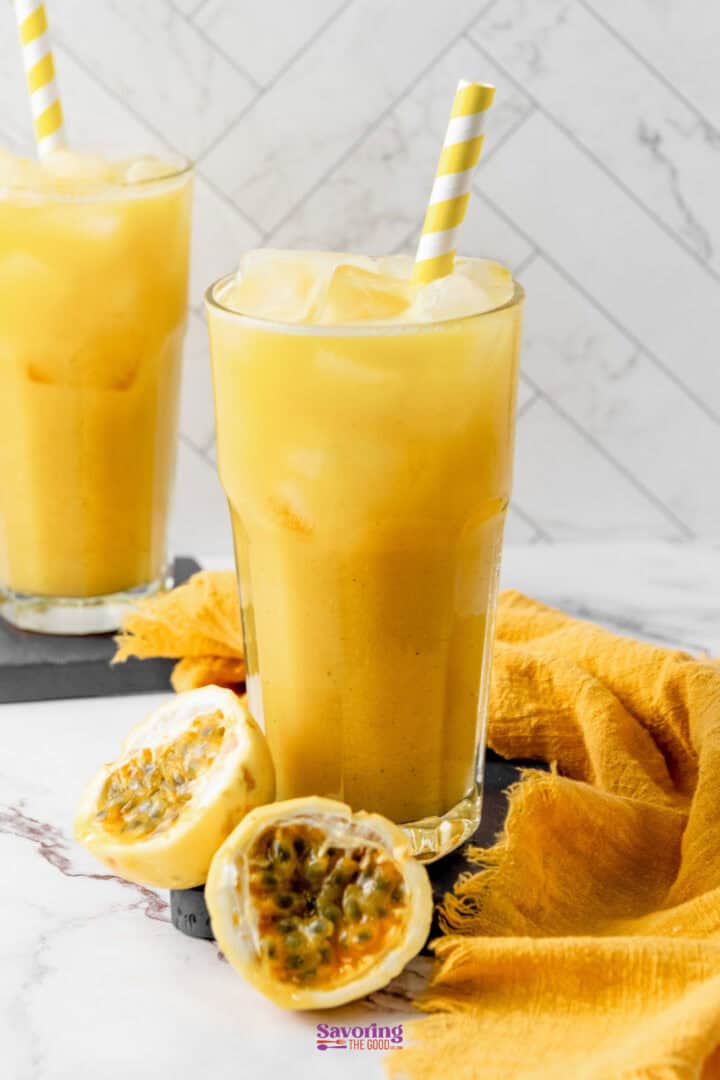
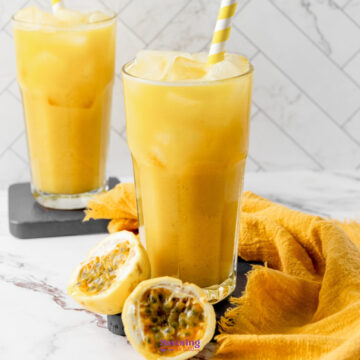
Passion fruit juice is a tart, tropical, and deeply aromatic drink made with fresh passion fruit, lime juice, sugar, and water. It takes about 15 minutes of hands-on work and needs just an hour to chill before you're pouring it over ice. I make this when I want something that tastes like it came from a juice bar but cost a fraction of the price.

Ingredients Needed:
You only need four ingredients here, and the quality of each one matters. Passion fruit juice is simple by design; there is nowhere to hide a bad lime or an underripe fruit.
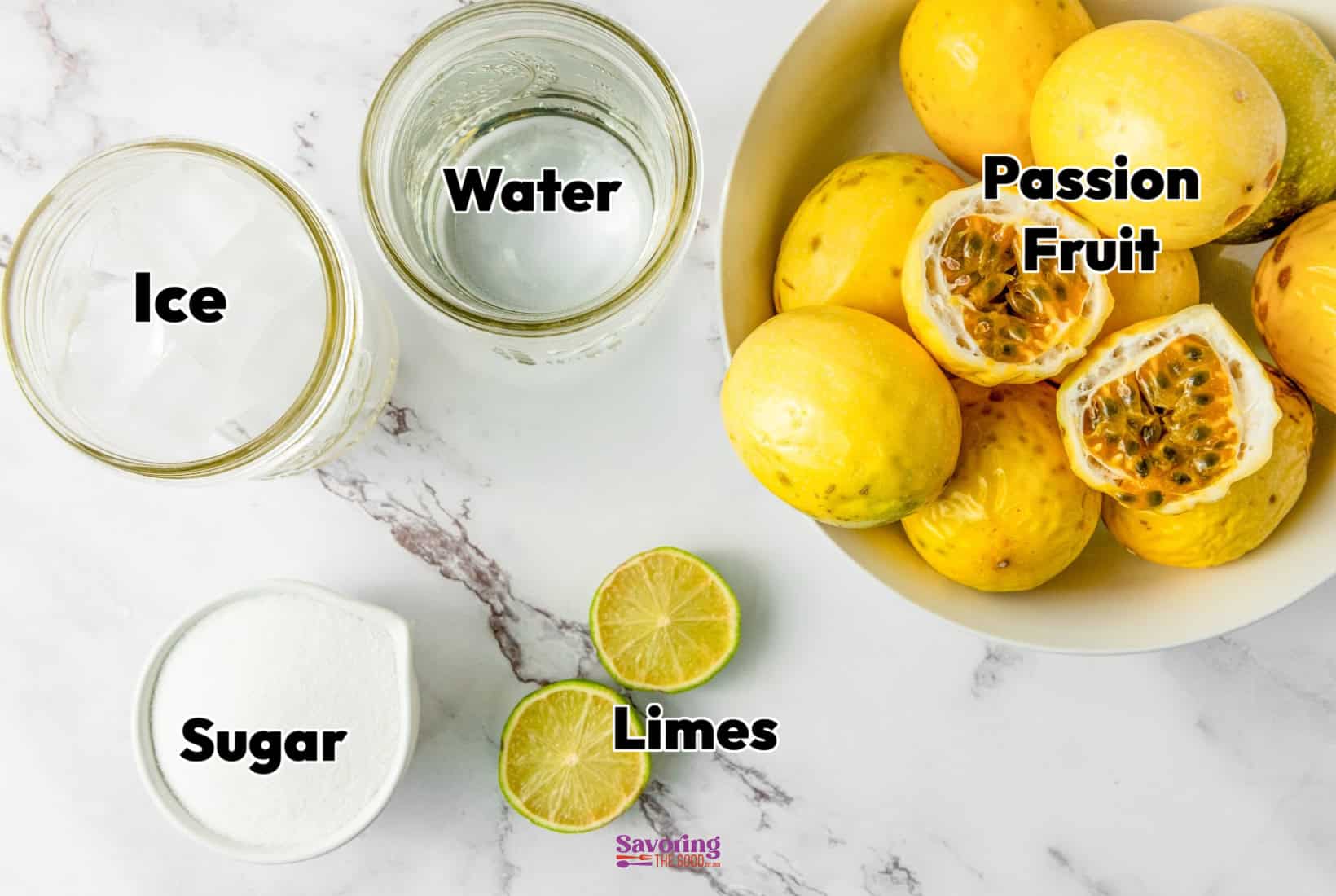
- Passion Fruit - You need 8 to 10 fruits for a good batch of juice. Look for fruits that are deep purple or yellow depending on the variety, feel heavy for their size, and have skin that is slightly wrinkled. That wrinkling tells you the sugar has developed. A smooth, taut skin means the fruit is not ready yet; the juice will be thin and sharp instead of rich and fragrant.
- Water - You are using water twice in this recipe: once to help blend the pulp and once to dilute the strained juice to drinking strength. Use filtered or good-tasting tap water. If your tap water has a strong mineral or chlorine taste, it will show up in the finished juice.
- Sugar - Granulated white sugar dissolves cleanly and lets the passion fruit flavor come through without competing with it. Honey adds a floral note that works but can muddy the brightness of the fruit. Agave dissolves easily and is a clean swap if you prefer it. Start with less sweetener than you think you need; you can always stir in more, but you cannot take it back out.
- Lime Juice - Fresh lime juice is doing two things here: it adds acidity that sharpens the flavor of the passion fruit and it keeps the juice from tasting flat. Bottled lime juice has been pasteurized and often has a slightly cooked, dull flavor. For a drink this simple, fresh makes a noticeable difference.
How to choose passion fruit for juicing
Ripeness is everything with passion fruit. An underripe fruit will give you juice that is harsh and thin; a ripe fruit gives you something floral, sweet-tart, and fragrant.
Look for fruits with deeply colored skin, either rich purple or golden yellow depending on the variety. Pick them up; a ripe fruit feels surprisingly heavy for its size. Gently press the skin. It should give slightly under your thumb. A fruit that is still firm and smooth needs more time. A fruit that is wrinkled and soft but not mushy is exactly what you want.
Avoid any fruits with cuts, soft spots, or visible mold. One bad fruit can affect the flavor of the whole batch.
How to Make Passion Fruit Juice
This comes together in a few straightforward steps. The blender does most of the work; your main job is not skipping the straining step.
Cut and Scoop the Pulp
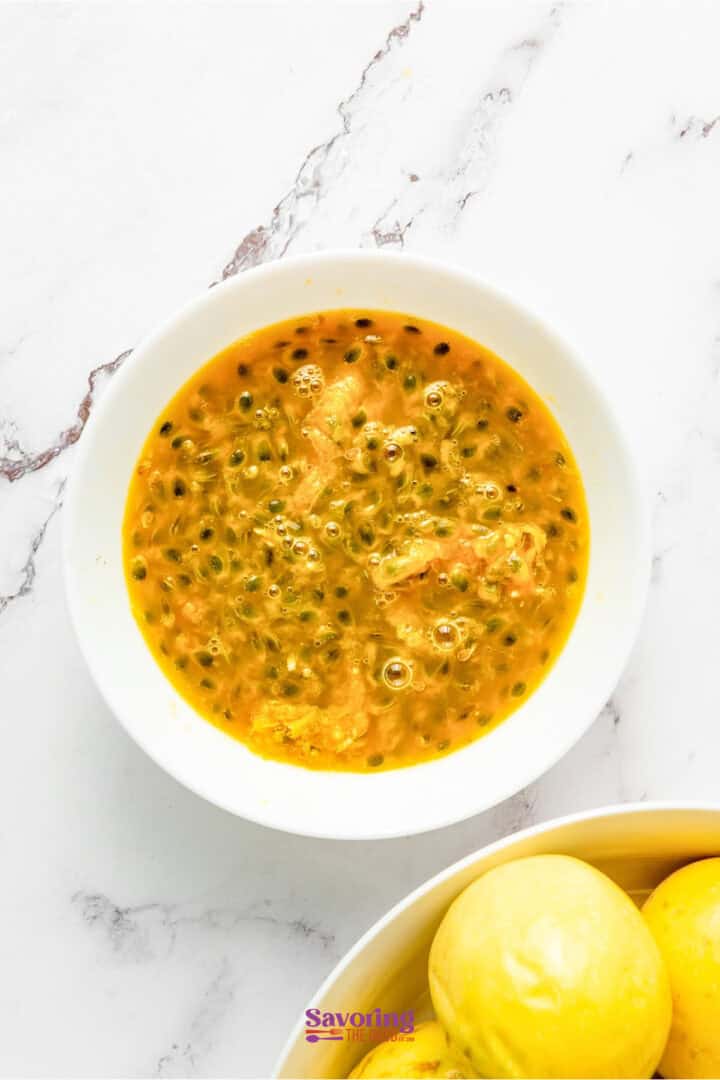
Slice each passion fruit in half crosswise and use a spoon to scoop the pulp and seeds into a bowl. The pulp will be bright orange-yellow and look almost gelatinous around the seeds; that is exactly right. Work over the bowl so you do not lose any juice.
Blend the Pulp
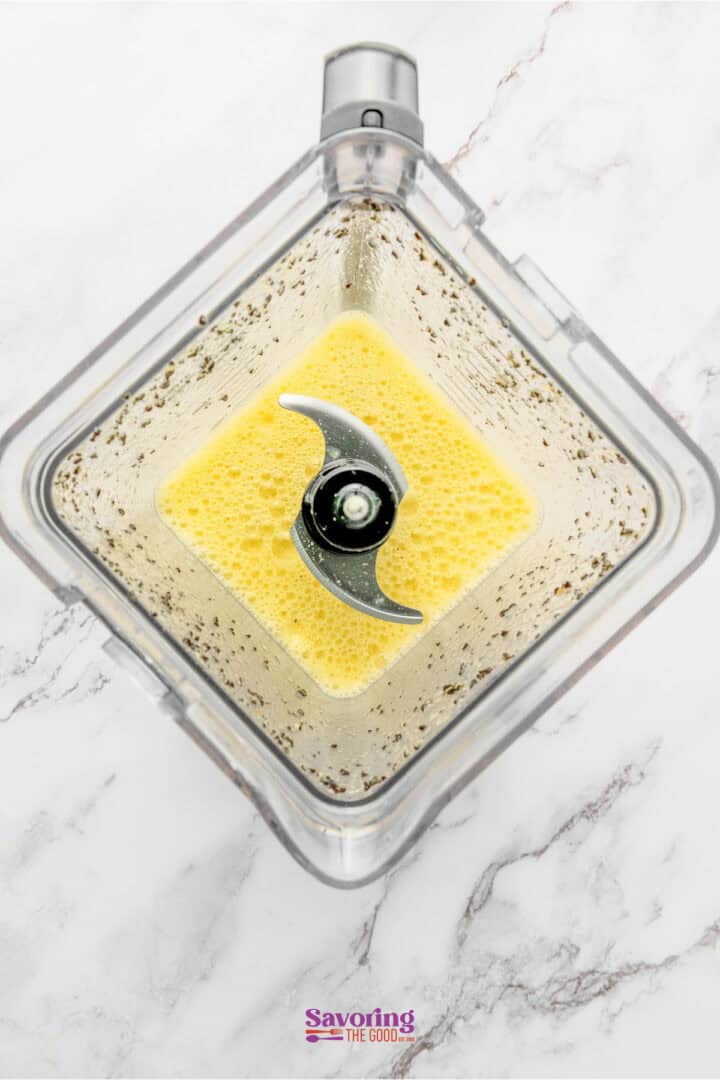
Add the scooped pulp to a blender along with a cup of water. Blend for 20 to 30 seconds. You are not trying to grind the seeds into powder; you are just loosening the pulp from the seeds so it releases into the liquid. The mixture will look frothy and yellow-orange when it is ready.
Strain Out the Seeds
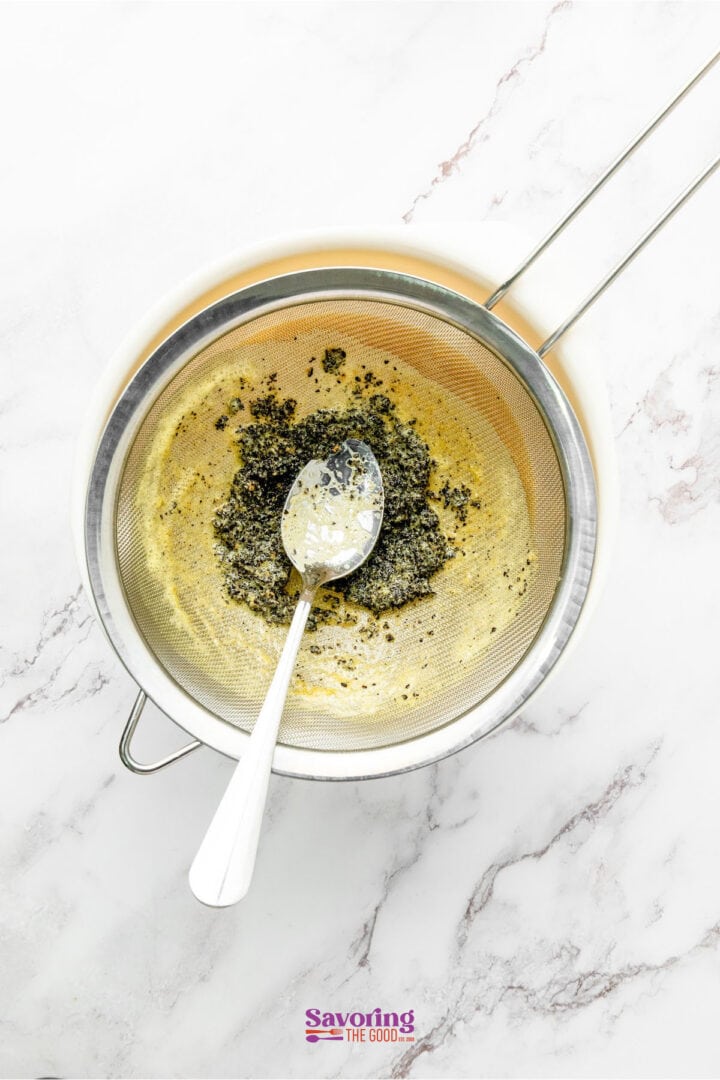
Pour the blended mixture through a fine mesh strainer set over a large bowl or pitcher. Use the back of a spoon to press the pulp through; you want to extract as much juice as possible. What stays behind in the strainer is seeds and fibrous pulp. Discard that.
Do not skip this step or rush it; the seeds have a slightly bitter, tannic quality that will make your juice taste off if they end up in the glass.
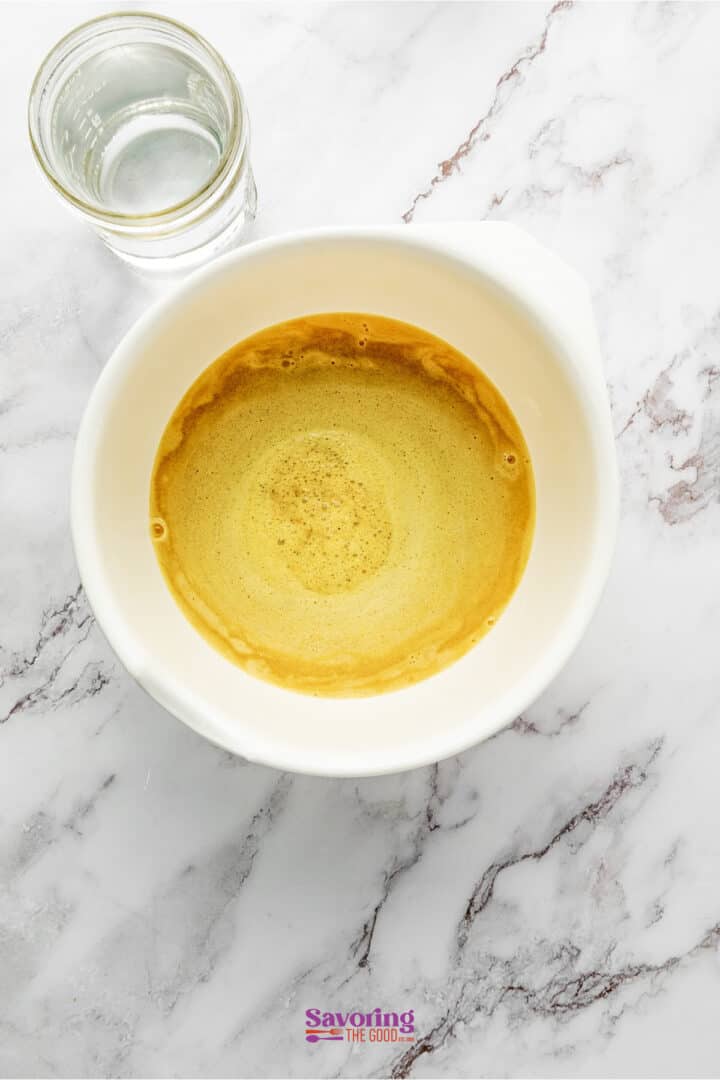
Sweeten and Dilute
Add sugar and the remaining water to the strained juice and stir until the sugar is fully dissolved. Taste it. The juice should be tart-forward with just enough sweetness to balance it. Adjust sugar to your preference here; passion fruit varies in sweetness depending on ripeness, so this step is always a little different.
Add Lime and Chill
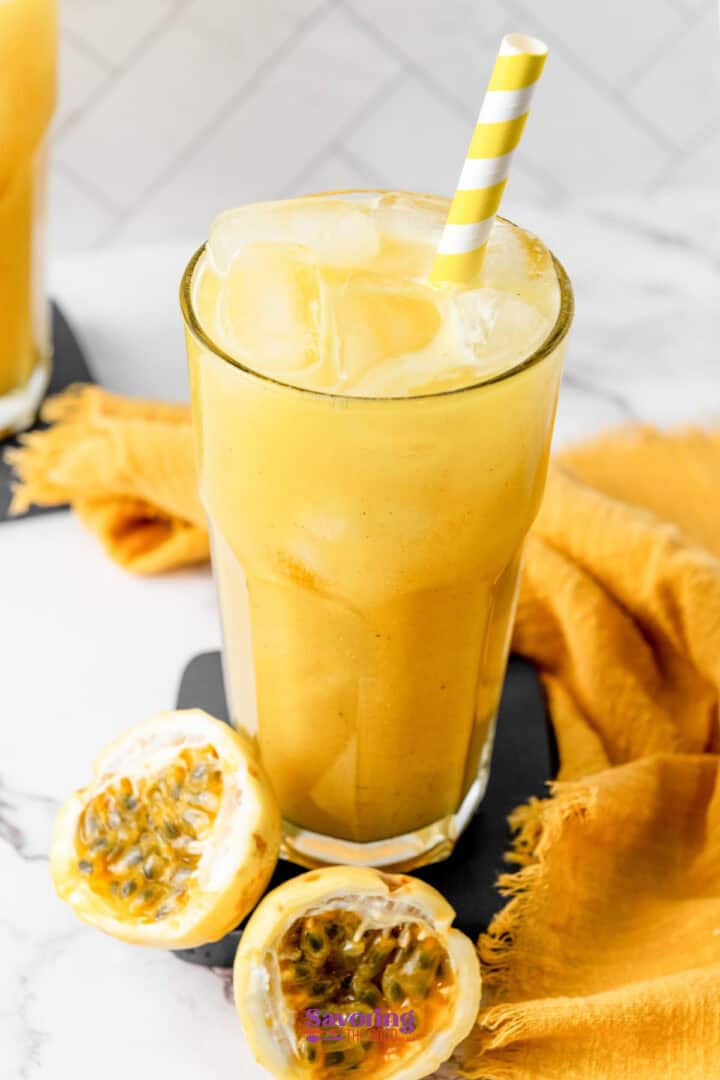
Stir in the fresh lime juice. Transfer to a pitcher or airtight container and refrigerate for at least 1 hour before serving. The chill time lets the flavors come together; the lime especially needs a few minutes to mellow from sharp to bright. Serve over ice.
Did you make this recipe?
Do you have feedback that would be helpful to others? If so can help this small business owner by leaving a rating and a review in the comments section? Thank you for being part of the Savoring The Good Community. ~ Sarah

Sarah's Culinary Insight
If your passion fruits are on the tarter side, add the sugar gradually and taste as you go. The sweetness balance in this juice is more forgiving than you might think, but there is a point where too much sugar flattens the tropical flavor you are going for.
- The wrinkle test is reliable. Every time I have juiced a smooth, firm passion fruit the yield was lower and the flavor was thin. Wait for the wrinkle.
- Press the pulp firmly through the strainer. A light pour-through leaves a lot of flavor behind with the seeds. I use the back of a large spoon and work it for a full minute.
- The chill time is not optional if you want the flavors to settle. I have rushed it to 30 minutes and the lime is still too sharp at that point. One hour is the real minimum.
- Sweetness varies batch to batch depending on fruit ripeness. Taste before you serve and adjust. I have added an extra tablespoon of sugar right before pouring more than once.
- Frozen pulp is genuinely a good substitute. I tested it side by side with fresh and the difference in the glass was minor. The convenience difference was significant.
Substitutions
Here is what you can swap if you need to adjust this recipe.
Lime for Lemon - Lemon juice works in place of lime. You get a slightly softer acidity and a different citrus note. It is not my first choice because lime has a sharpness that pairs naturally with passion fruit, but lemon is not a bad result. I have made it both ways.
Sugar for Honey - Honey adds sweetness but also brings its own floral flavor into the mix. Depending on the honey, this can either complement the passion fruit or compete with it. Use a mild honey, not something strongly flavored like buckwheat. Start with less than the recipe calls for and adjust up.
Fresh Passion Fruit for Frozen Pulp - If you cannot find fresh passion fruit, frozen passion fruit pulp is a solid option and often more consistent in sweetness. Skip the blending step and go straight to straining. The flavor is very close to fresh; the main thing you lose is the ritual of scooping the fruit yourself, which honestly takes about two minutes.
How to Store Homemade Passion Fruit Juice
Store the juice in an airtight container or covered pitcher in the refrigerator. It keeps well for 3 to 5 days. Give it a stir before serving since it can settle slightly. Keep it toward the back of the fridge where the temperature is most consistent; the door is the warmest spot and not ideal for fresh juice.
Seasonal Favorite
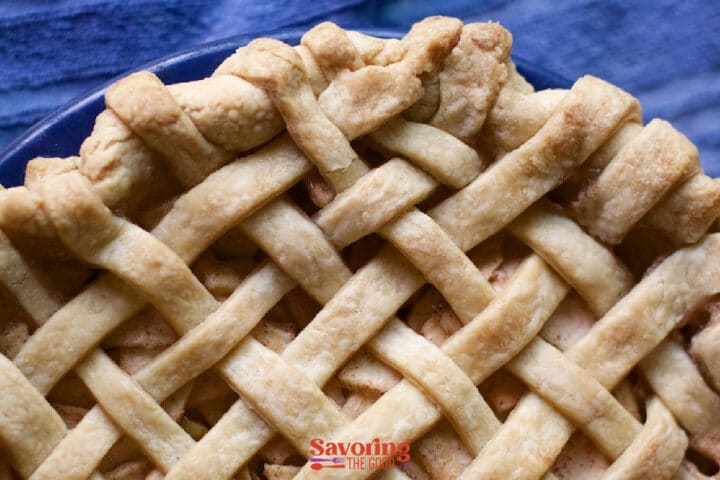
This is my award-winning Crisco pie crust recipe; flaky, tender, and made with simple ingredients you already have.
Can You Freeze Passion Fruit Juice?
Yes, and it freezes well for up to 3 months. Pour the finished juice into ice cube trays, freeze until solid, then transfer the cubes to a freezer-safe bag. This is a good way to use up a large batch of ripe passion fruit when you have more than you can drink in a few days.
Thaw overnight in the refrigerator. The flavor holds up; the texture may be very slightly different from fresh but nothing noticeable once it is poured over ice.
Label the bag with the date. Frozen juice all looks the same after a few weeks.
try this!
Jungle Juice Drink
This recipe has two size variations, depending on the size of the crowd you are serving.
Frequently asked questions, answers and tips:
For this recipe, plan on 8 to 10 fruits. Passion fruit is small and the pulp yield per fruit is modest; you need the volume from multiple fruits to get a full pitcher of juice with good flavor intensity.
The most common cause is seeds making it into the finished juice. The seeds have a tannic, slightly bitter quality. Make sure you are pressing the pulp through a fine mesh strainer and discarding everything that stays behind. Under-ripe fruit can also produce a sharper, less pleasant flavor; look for wrinkled skin as your ripeness indicator.
Yes. Skip the blending step and go straight to straining the thawed pulp. The flavor is very close to fresh and the process is faster.
The skin should be wrinkled and the fruit should feel heavy. A smooth, taut passion fruit is not ripe yet and will produce thin, sharp juice. If you bought smooth fruits, leave them on the counter for a few days; they will wrinkle as they ripen.
No. While the pulp itself is not toxic, the seeds and skin contain compounds that can be harmful to dogs. Keep this one for yourself. If your dog gets into it, contact your veterinarian.

Ingredients
- 8-10 passion fruits yielding approximately 1 cup of pulp
- 3 Cups Water
- ¼- ½ Cup Sugar adjust to taste
- 1 tablespoon lime juice fresh
- Ice cubes
Instructions
- Slice each passion fruit in half crosswise and use a spoon to scoop the pulp and seeds into a bowl. The pulp will be bright orange-yellow and look almost gelatinous around the seeds; that is exactly right. Work over the bowl so you do not lose any juice.8-10 passion fruits
- Add the scooped pulp to a blender along with a cup of water. Blend for 20 to 30 seconds. You are not trying to grind the seeds into powder; you are just loosening the pulp from the seeds so it releases into the liquid. The mixture will look frothy and yellow-orange when it is ready.3 Cups Water
- Pour the blended mixture through a fine mesh strainer set over a large bowl or pitcher. Use the back of a spoon to press the pulp through; you want to extract as much juice as possible. What stays behind in the strainer is seeds and fibrous pulp. Discard that. Do not skip this step or rush it; the seeds have a slightly bitter, tannic quality that will make your juice taste off if they end up in the glass.
- Add sugar and the remaining water to the strained juice and stir until the sugar is fully dissolved. Taste it. The juice should be tart-forward with just enough sweetness to balance it. Adjust sugar to your preference here; passion fruit varies in sweetness depending on ripeness, so this step is always a little different.¼- ½ Cup Sugar
- Stir in the fresh lime juice. Transfer to a pitcher or airtight container and refrigerate for at least 1 hour before serving. The chill time lets the flavors come together; the lime especially needs a few minutes to mellow from sharp to bright. Serve over ice.1 tablespoon lime juice, Ice cubes
Nutrition
Notes
- After preparing the juice, store it in a clean, airtight container in the refrigerator.
- Exposure to light can cause the juice to degrade. Keep the container in a dark area of the refrigerator.
- Consume within a few days.For the best taste and quality, consume the juice within 3-5 days of making it.

I am Sarah Mock. Welcome!
Sarah Mock is a classically trained Chef and a graduate of Johnson & Wales University. A culinary blogger for 17 years, Sarah helps the home cook prepare her recipes with professional results.


Comments
No Comments