

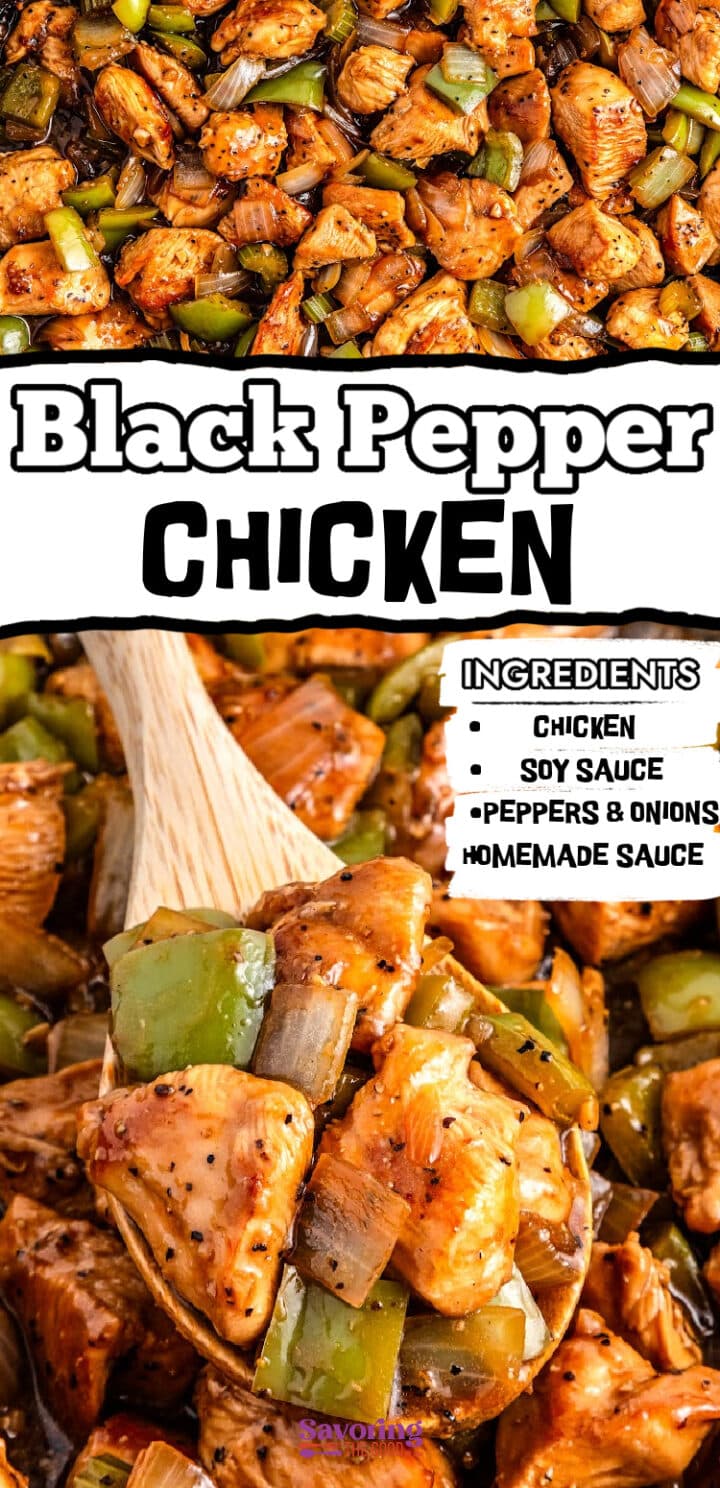
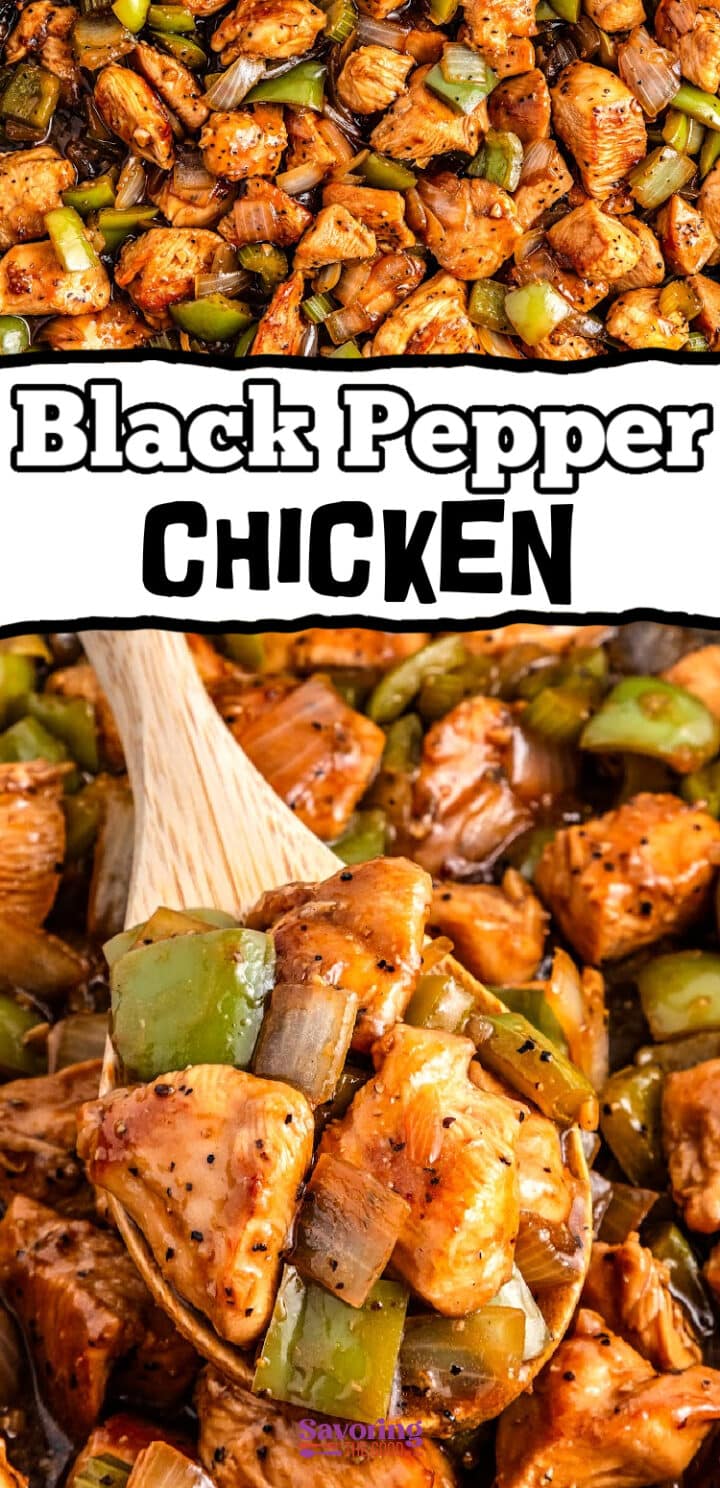
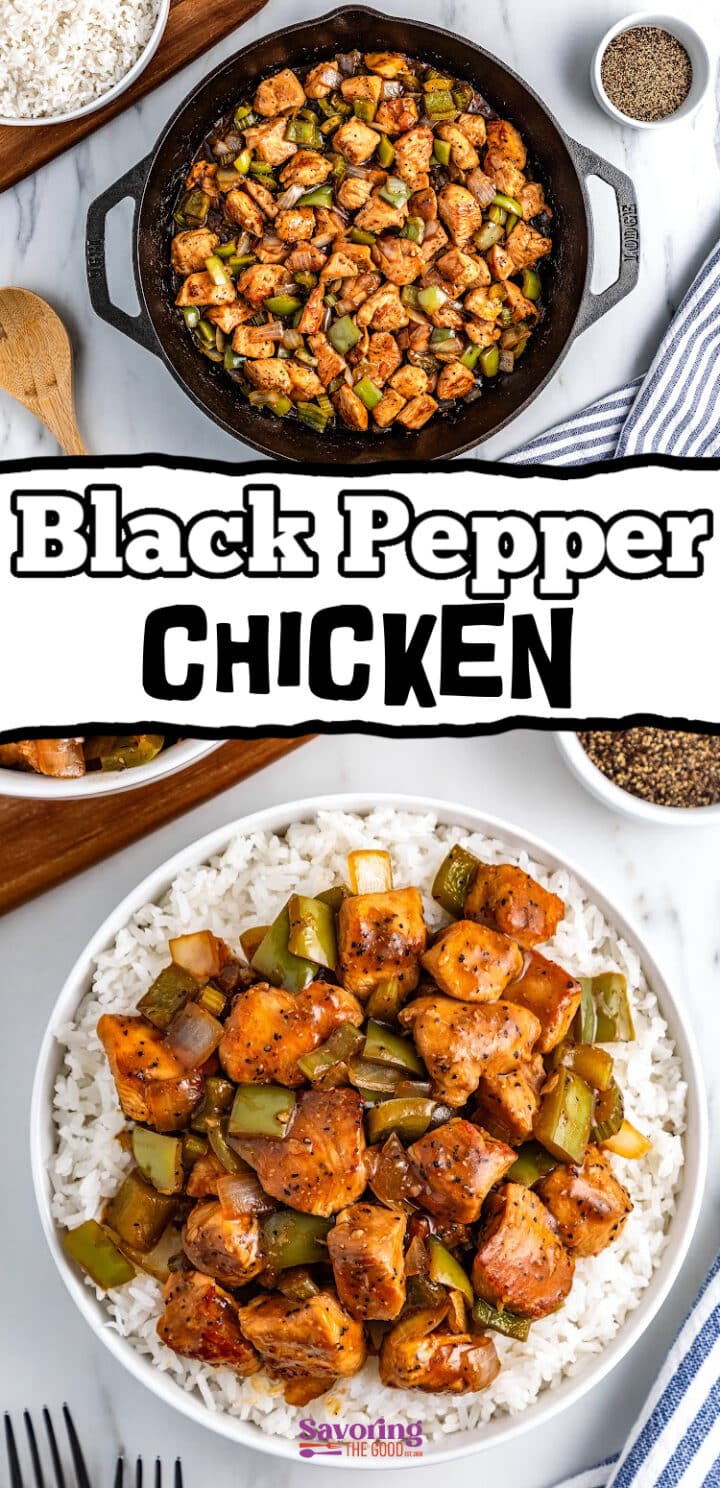
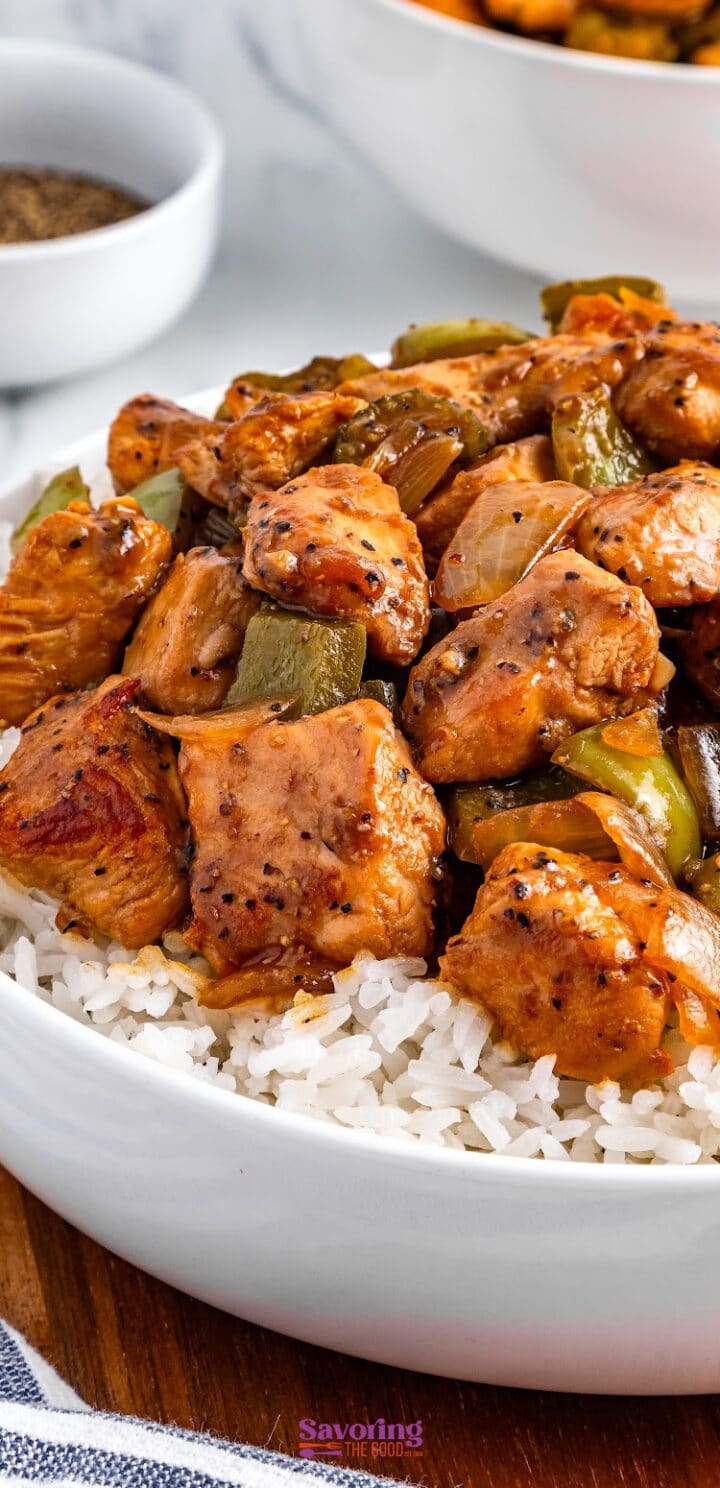
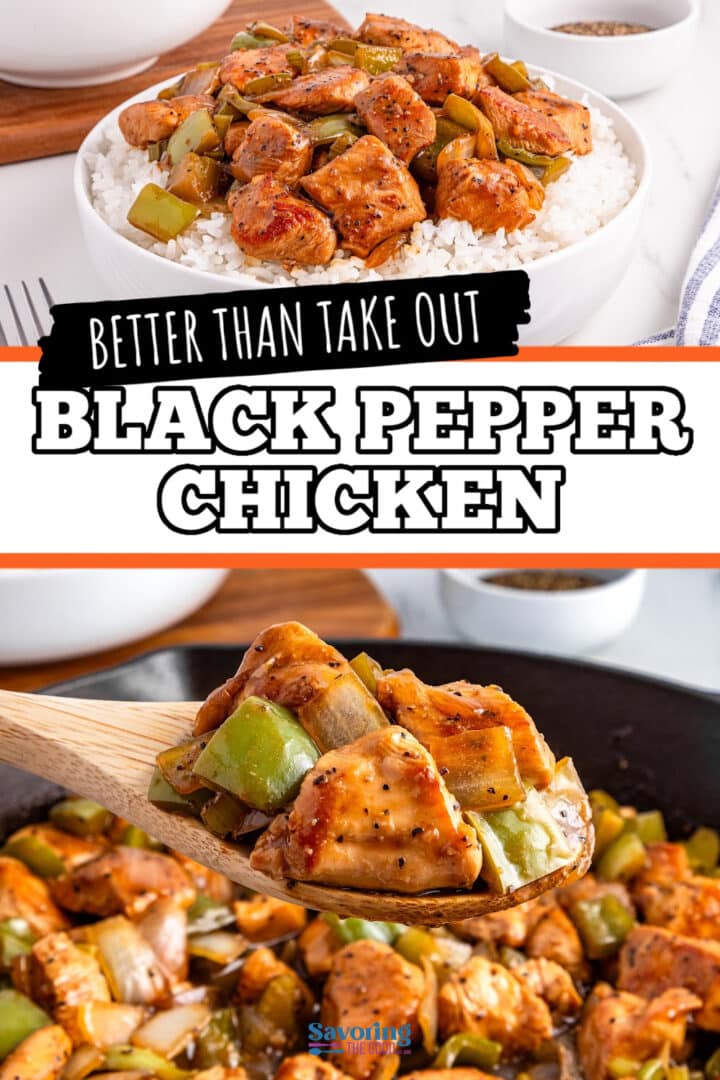
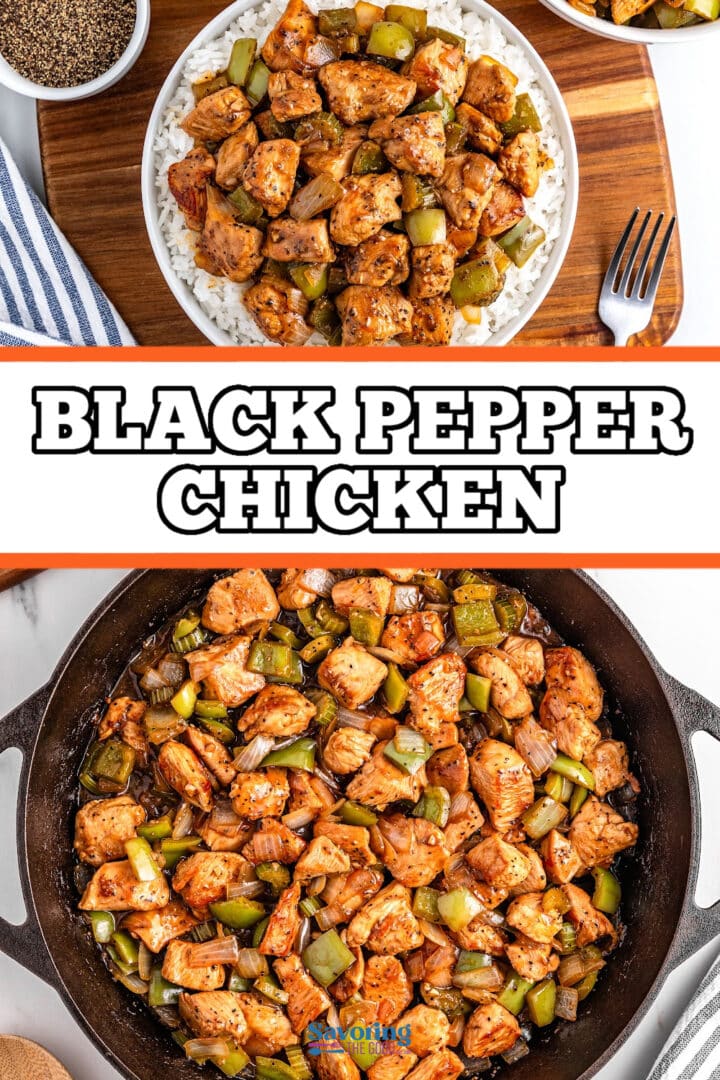
Black pepper chicken is a savory, peppery stir fry made with tender seared chicken, crisp vegetables, and a glossy sauce that comes together in about 35 minutes. This is my take on the Chinese-American restaurant staple; I built this recipe specifically so you can get that takeout-quality result from your own skillet without any special equipment. It serves four over steamed white rice and is weeknight-ready from start to finish.

If you want to round out the meal, I have four ways to cook broccoli that pair well here, plus an air fryer broccolini recipe that is done in the time it takes the chicken to marinate.
Ingredients:
These are the ingredients that make this black pepper chicken work. A few of them are doing more than you might think, so I want to walk you through the key players before you start.

- Chicken breast - Cut into bite-sized pieces, about 1 inch. Uniform size matters here; if pieces are different sizes, some will be overcooked by the time others are done. Boneless thighs work too, and I'll cover that in substitutions.
- Cornstarch - Used twice in this recipe; once in the marinade to coat the chicken, and once in the sauce to thicken it. In the marinade, cornstarch creates that slightly crisp exterior you get from restaurant stir fries. In the sauce, it turns a thin liquid into something glossy and clingy.
- Soy sauce - This is the salt and the umami base for both the marinade and the sauce. Low-sodium soy sauce works if you're watching salt; just know the flavor will be a little flatter and you may want to add a small pinch of salt at the end.
- Rice vinegar - Adds brightness and cuts through the richness of the sauce. It's mild, so don't skip it thinking it will make the dish taste sour. It won't; it just balances everything else.
- Coarse black pepper - This is not a background seasoning in this dish; it is the feature. Use freshly ground if you have it. Pre-ground works, but the punch is noticeably less sharp. Two tablespoons sounds like a lot. It is a lot, intentionally.
- Sesame oil - Added to the sauce, not used for cooking. Sesame oil has a low smoke point and will burn if you use it to sear. A small amount stirred into the sauce at the end gives the finished dish that distinctly nutty, aromatic finish.
- Chicken broth - The liquid base for the sauce. Use low-sodium if you want more control over the salt level, since the soy sauce is already doing significant work.
Recipe Card?
To find the full printable recipe with specific measurements and directions CLICK HERE to go to the recipe card.
Substitutions
Here is what you can swap if you need to adjust this recipe; I have tested most of these and I will tell you what to expect.
- Chicken thighs for chicken breast - Boneless, skinless thighs are juicier and more forgiving if you accidentally overcook them. The texture is slightly softer and the flavor is richer. I have made this both ways; my husband prefers the breast, I prefer the thigh. Either works.
- Shaoxing wine or dry sherry for rice vinegar - This swap gives the sauce a deeper, slightly more complex flavor. Shaoxing wine is the traditional Chinese cooking wine and adds an earthy note that rice vinegar doesn't have. If you have it, use it. If you don't, rice vinegar is a solid everyday substitute.
- Brown sugar or honey for white sugar - Brown sugar adds a subtle molasses note; honey adds a floral sweetness. Neither changes the structure of the sauce. I tested honey and liked it, but it can make the sauce slightly stickier than white sugar.
- Other vegetables - Any color bell pepper works. Mushrooms, zucchini, and snap peas all hold up well in a stir fry. Avoid anything with high water content, like tomatoes or cucumbers; they release liquid and thin your sauce out.
- Pre-ground pepper for freshly ground - It works, but you will notice the difference. Freshly ground black pepper has a sharper, more aromatic heat. Pre-ground has mellowed. If pre-ground is what you have, add an extra half teaspoon to compensate.
How to make black pepper chicken
The key to this dish is cooking in the right order and not rushing the sear. Read through the steps once before you start; this moves quickly once the pan is hot.

Marinate the Chicken
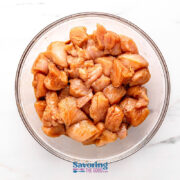
In a large bowl, combine the chicken pieces with soy sauce, rice vinegar, and cornstarch. Stir until every piece is evenly coated; you'll see the cornstarch turn from white powder to a thin, slightly tacky coating on the chicken. Cover the bowl and let it marinate for 15 to 20 minutes while you prep the sauce. Do not skip this step; the cornstarch marinade is what gives the chicken that slightly crisp exterior when it hits the hot pan.

Prep the Sauce
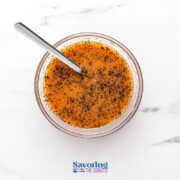
In a small bowl, whisk together chicken broth, soy sauce, rice vinegar, sugar, cornstarch, black pepper, sesame oil, and ginger. Keep whisking until the cornstarch is fully dissolved and you no longer see any white streaks or sediment at the bottom of the bowl. Set it aside. If you skip the thorough whisking, the cornstarch will clump when it hits the hot pan and your sauce will be lumpy instead of smooth.

Sear the Chicken
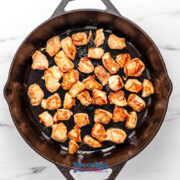
Heat a large skillet or wok over medium-high heat and add your oil. You want the oil shimmering before the chicken goes in; if it's not hot enough, the chicken will steam instead of sear and you will not get that golden exterior. Add the chicken in a single layer and do not move it for 2 to 3 minutes.
Searing Tip
You're looking for a deep golden-brown crust on the bottom before you flip. Work in batches if needed; crowding the pan drops the temperature and causes steaming. Remove the seared chicken to a clean plate and set aside.

Cook the Aromatics
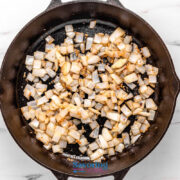
In the same skillet (do not wipe it out; those browned bits on the bottom are flavor), add the onions and garlic. Sauté for 1 to 2 minutes, stirring frequently, until the onions are just starting to turn translucent and the garlic is fragrant. You should be able to smell the garlic immediately; if it starts to turn brown, your heat is too high.

Add the Veggies
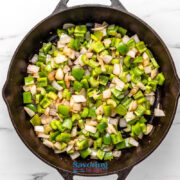
Toss in the bell peppers and celery. Stir-fry for 2 to 3 minutes, keeping everything moving in the pan. You want the vegetables slightly tender but still with a bite; they should be bright in color and not limp. If they go soft and dull, they are overcooked.

Reduce the sauce
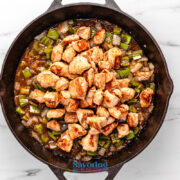
Give your sauce one more quick whisk (the cornstarch settles as it sits), then pour it into the skillet. Stir everything together and bring to a boil; you'll see the sauce go from thin and cloudy to thick and glossy as the cornstarch activates. Reduce to low heat and simmer for about 5 minutes, stirring occasionally, until the sauce coats the back of a spoon.

Finish the Dish
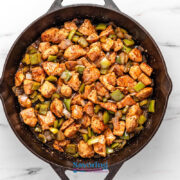
Return the seared chicken to the skillet and toss to coat every piece in the sauce. Simmer for another 5 minutes; the chicken should reach an internal temperature of 165F and the sauce should cling to each piece without pooling. Taste here and adjust salt if needed.

Serve & Enjoy
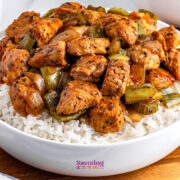
Spoon the black pepper chicken over steamed white rice; the sauce will soak into the rice underneath and that is exactly what you want. Serve immediately while the vegetables still have their texture.
Did you make this recipe?
Do you have feedback that would be helpful to others? If so can help this small business owner by leaving a rating and a review in the comments section? Thank you for being part of the Savoring The Good Community. ~ Sarah
Prep Ahead Tip
Marinate the chicken and whisk the sauce up to 24 hours in advance; store each separately in the refrigerator. Chop the vegetables the morning of and keep them in a covered container. When dinner time comes, you are 15 minutes away from the table.
Seasonal Favorite
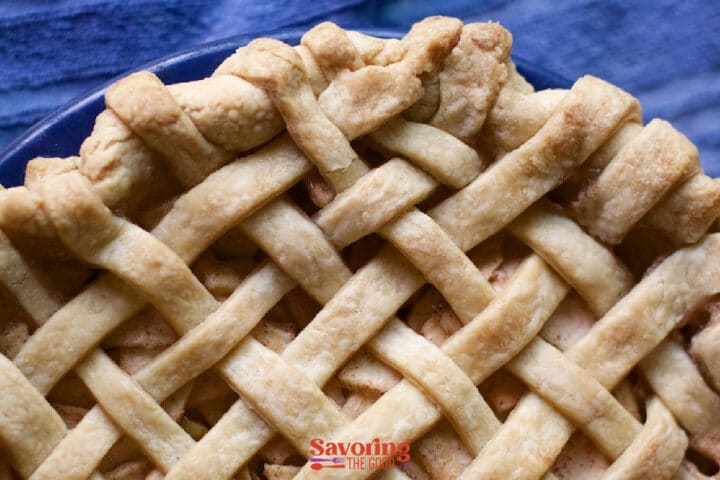
This is my award-winning Crisco pie crust recipe; flaky, tender, and made with simple ingredients you already have.
Storage Tips
Let leftovers cool completely before transferring to an airtight container. Refrigerate for up to 4 days. The sauce will thicken as it sits in the refrigerator; that is normal.
Reheating Instructions
Reheat in a skillet over medium-low heat with a splash of chicken broth to loosen the sauce back to its original consistency; stir frequently and watch the heat. You can also microwave in 30-second bursts, stirring between each, until heated through. Avoid high microwave power; it will toughen the chicken.
Frequently asked questions, answers and tips:
While I try to share all the information you need to make this recipe in your home with restaurant-quality results, there still may be a question or two. Or these are questions I have received from the community about this recipe. I do my best to answer them as clearly as I can. I hope this helps.
Absolutely. My mom is not afan of spice so when she make it she will reduce the coarse black pepper to 1 teaspoon for a milder sauce without losing the flavor.
Bell peppers, onions, and celery are the classic base, but mushrooms, zucchini, and snap peas all work well. Avoid high-moisture vegetables like tomatoes; they will release liquid and thin out your sauce.
Yes; boneless, skinless chicken thighs are juicier and more forgiving if you accidentally overcook them. The texture is softer and the flavor is richer. My husband still prefers breast, but I have made this recipe both ways and it works either way.
Two likely reasons: the cornstarch was not fully dissolved before you added the sauce to the pan, or you did not bring it to a full boil. Cornstarch needs heat to activate; a simmer alone will not do it. Bring the sauce to a boil, then reduce. If it is still thin, mix 1 teaspoon of cornstarch with 1 tablespoon of cold water and stir it in.
Overcooked chicken breast will turn rubbery fast. The sear should take 2 to 3 minutes per side over medium-high heat; the chicken does not need to be cooked through at that stage because it will finish cooking when you return it to the sauce. Pull it to a plate the moment it is golden and let the sauce step finish the job.

Sarah's Culinary Insight
- The marinate time is not optional. Every time I have tested this recipe with less than 15 minutes of marinating, the exterior of the chicken does not develop the same texture in the pan. The cornstarch needs time to adhere. Set a timer and use those 15 minutes to prep your sauce and vegetables.
- Give the sauce a second whisk right before it goes into the pan. Cornstarch settles quickly as a liquid sits. I have made the mistake of skipping this and ended up with a lumpy sauce; one extra stir takes 10 seconds and saves the dish.
- The pepper is the point. Two tablespoons sounds aggressive if you are used to using black pepper as a background seasoning. This recipe uses it as the primary flavor. If it is your first time making it, start with 1.5 tablespoons and taste the sauce before it hits the pan. You can always add; you cannot take it out.
- Do not wipe the pan between the chicken and the aromatics. Those browned bits (fond) from the sear dissolve into the onions and garlic as they cook and that is a significant part of your flavor base. A clean pan at that stage means a flatter-tasting sauce.

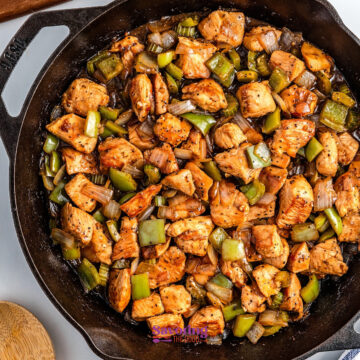
Ingredients
Chicken
- 1.75 pounds Chicken Breasts boneless, skinless or thighs, cut into bite-sized pieces
- 2 Tablespoon Soy Sauce
- 1 Tablespoon Rice Vinegar
- 1 Tablespoon Cornstarch
Sauce:
- ¾ Cup Chicken Stock
- 2 Tablespoon Soy Sauce
- 1 Tablespoon Rice Vinegar
- 1 Tablespoon Sugar
- 1 Tablespoon Cornstarch
- 2-3 teaspoons Black Pepper to desired spice/taste
- 2 teaspoons Sesame Oil
- 1 Teaspoon ground ginger or 2 teaspoons fresh minced ginger
Vegetables:
- 1-2 Tablespoon Vegetable Oil for browning chicken
- 1 Medium Onion chopped
- 3 cloves Garlic minced
- 2 Medium Green Bell Pepper chopped
- 2 stalks celery sliced ½-inch thick
Instructions
Marinate Chicken
- In a large bowl, combine the chicken pieces with soy sauce, rice vinegar, and cornstarch. Stir until every piece is evenly coated; you'll see the cornstarch turn from white powder to a thin, slightly tacky coating on the chicken. Cover the bowl and let it marinate for 15 to 20 minutes while you prep the sauce. Do not skip this step; the cornstarch marinade is what gives the chicken that slightly crisp exterior when it hits the hot pan.1.75 pounds Chicken Breasts, 2 Tablespoon Soy Sauce, 1 Tablespoon Rice Vinegar, 1 Tablespoon Cornstarch

Prepare the sauce
- In a small bowl, whisk together chicken broth, soy sauce, rice vinegar, sugar, cornstarch, black pepper, sesame oil, and ginger. Keep whisking until the cornstarch is fully dissolved and you no longer see any white streaks or sediment at the bottom of the bowl. Set it aside. If you skip the thorough whisking, the cornstarch will clump when it hits the hot pan and your sauce will be lumpy instead of smooth.¾ Cup Chicken Stock, 2 Tablespoon Soy Sauce, 1 Tablespoon Rice Vinegar, 1 Tablespoon Sugar, 1 Tablespoon Cornstarch, 2-3 teaspoons Black Pepper, 1 Teaspoon ground ginger, 2 teaspoons Sesame Oil
Sear the chicken
- Heat a large skillet or wok over medium-high heat and add your oil. You want the oil shimmering before the chicken goes in; if it's not hot enough, the chicken will steam instead of sear and you will not get that golden exterior. Add the chicken in a single layer and do not move it for 2 to 3 minutes. You're looking for a deep golden-brown crust on the bottom before you flip. Work in batches if needed; crowding the pan drops the temperature and causes steaming. Remove the seared chicken to a clean plate and set aside.1-2 Tablespoon Vegetable Oil
- Transfer the seared chicken to a clean plate.
Cook the Aromatics
- In the same skillet (do not wipe it out; those browned bits on the bottom are flavor), add the onions and garlic. Sauté for 1 to 2 minutes, stirring frequently, until the onions are just starting to turn translucent and the garlic is fragrant. You should be able to smell the garlic immediately; if it starts to turn brown, your heat is too high.1 Medium Onion, 3 cloves Garlic
Add the Vegetables
- Toss in the bell peppers and celery. Stir-fry for 2 to 3 minutes, keeping everything moving in the pan. You want the vegetables slightly tender but still with a bite; they should be bright in color and not limp. If they go soft and dull, they are overcooked.2 Medium Green Bell Pepper, 2 stalks celery
Add the Sauce
- Give your sauce one more quick whisk (the cornstarch settles as it sits), then pour it into the skillet. Stir everything together and bring to a boil; you'll see the sauce go from thin and cloudy to thick and glossy as the cornstarch activates. Reduce to low heat and simmer for about 5 minutes, stirring occasionally, until the sauce coats the back of a spoon.
Finish the Dish
- Return the seared chicken to the skillet and toss to coat every piece in the sauce. Simmer for another 5 minutes; the chicken should reach an internal temperature of 165F and the sauce should cling to each piece without pooling. Taste here and adjust salt if needed.
Serve
- Spoon the black pepper chicken over steamed white rice; the sauce will soak into the rice underneath and that is exactly what you want. Serve immediately while the vegetables still have their texture.
Nutrition
Notes
- The marinate time is not optional. Every time I have tested this recipe with less than 15 minutes of marinating, the exterior of the chicken does not develop the same texture in the pan. The cornstarch needs time to adhere. Set a timer and use those 15 minutes to prep your sauce and vegetables.
- Give the sauce a second whisk right before it goes into the pan. Cornstarch settles quickly as a liquid sits. I have made the mistake of skipping this and ended up with a lumpy sauce; one extra stir takes 10 seconds and saves the dish.
- The pepper is the point. Two tablespoons sounds aggressive if you are used to using black pepper as a background seasoning. This recipe uses it as the primary flavor. If it is your first time making it, start with 1.5 tablespoons and taste the sauce before it hits the pan. You can always add; you cannot take it out.

I am Sarah Mock. Welcome!
Sarah Mock is a classically trained Chef and a graduate of Johnson & Wales University. A culinary blogger for 17 years, Sarah helps the home cook prepare her recipes with professional results.



Comments
No Comments