


Beet juice recipe is a sweet, earthy, and deeply colored drink made from fresh raw beets; it comes together in minutes with a juicer or a blender and a strainer. I have been growing red beets in my garden for years, and juicing them is one of my favorite ways to use a bumper crop. If you are new to beet juice, this is the recipe to start with; it is straightforward, naturally sweet, and works as a base for every beet juice combination I have ever made.
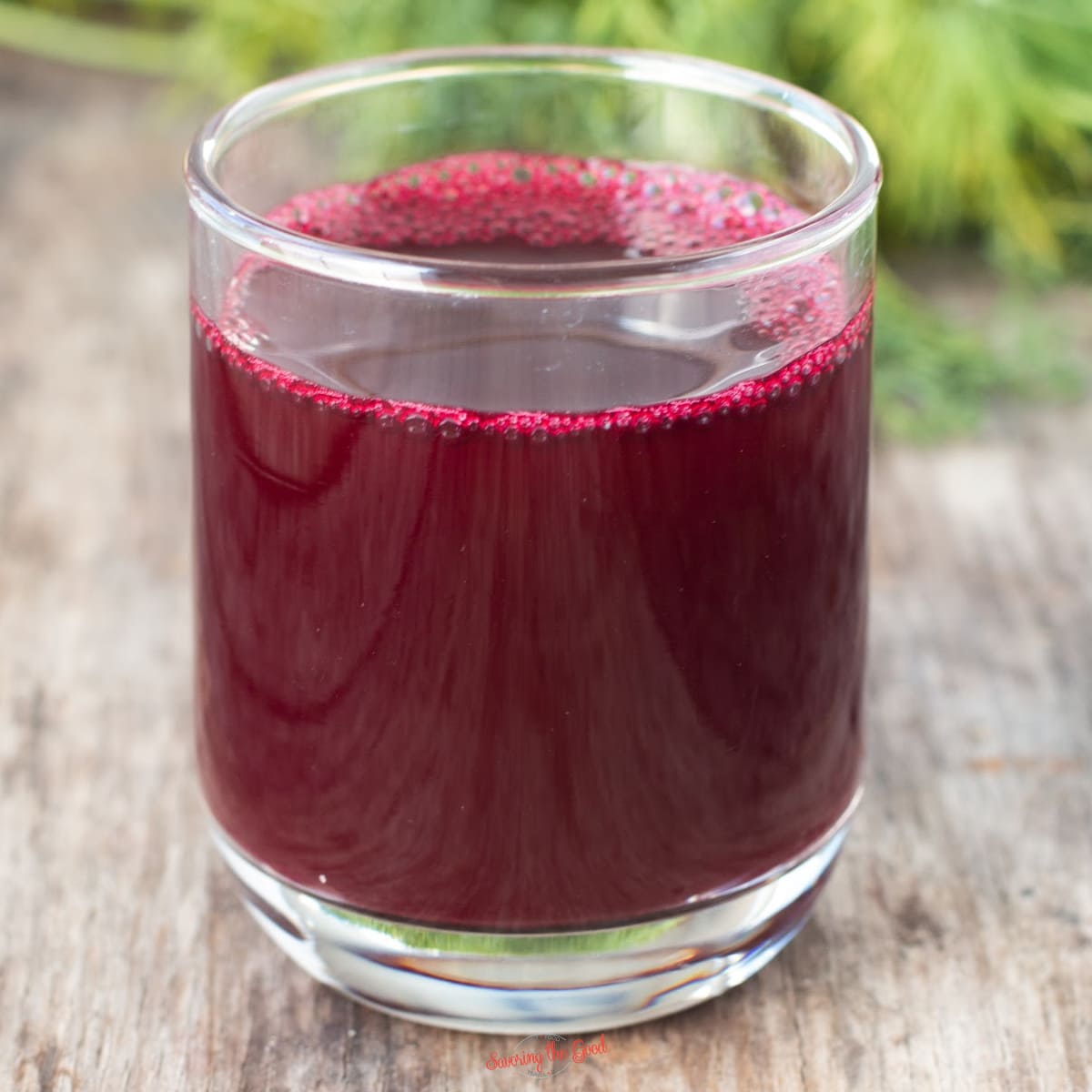
I am such a fan of red beets that I plant them every single year. While some kids were packing bananas in their lunch, I was bringing pickled beets in a Tupperware container. My love for beets is not subtle.
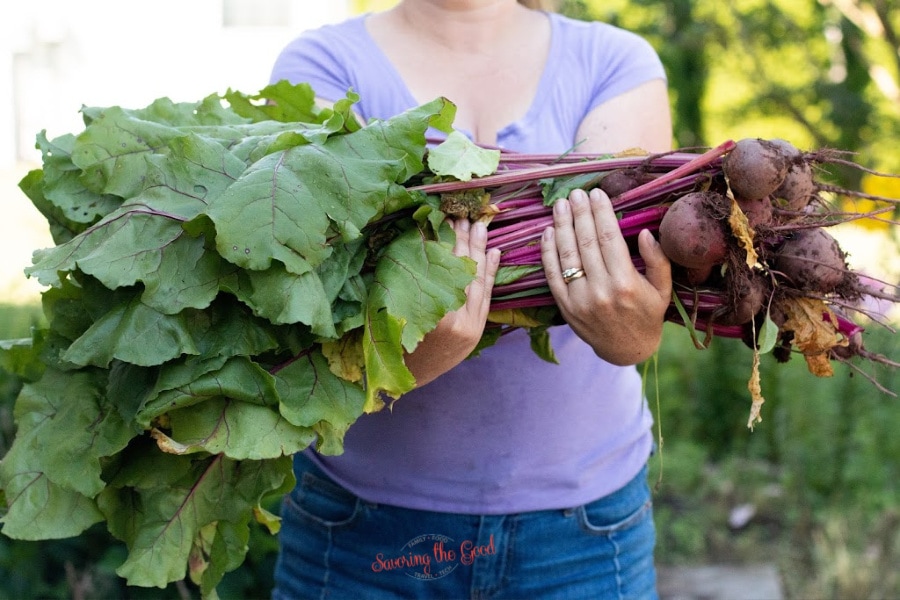
If you do not grow your own, beets are available year-round in most grocery stores. Boiled beets are another great way to get them into your routine; they are perfect for salads or as a simple snack.
How to Juice Beets:
You do not need to overthink this. The process is fast, the cleanup is the hardest part, and your beets will go from whole to juiced in about 10 minutes.
- Wash and prep the beets. Scrub each beet under cold running water to remove all dirt from the skin. Trim the stems and set the leaves aside; those go great in a batch of sautéed beet greens and it is worth not throwing them away.
- Size the beets to fit. If a beet is too large to pass through the feeder tube of your juicer, slice it into pieces. You are looking for chunks that feed through without forcing; if you have to muscle it, cut it smaller.
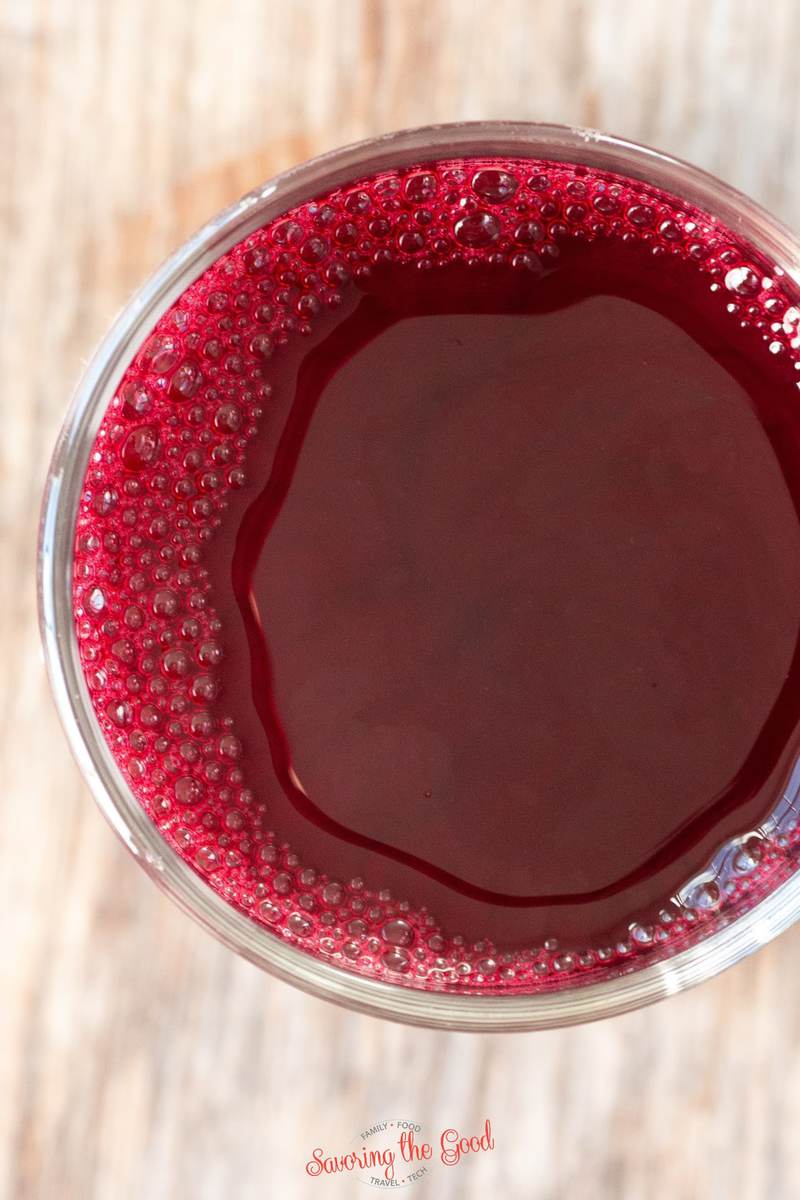
- Run the juicer on high. Using the plunger, press the beets through the juicer and catch the juice in a pitcher below. The juice will be a deep ruby red and nearly opaque; that is exactly what you want. A pound of raw beets yields roughly 6 to 8 ounces of juice depending on how fresh and firm they are.

- Add lemon juice immediately. Stir in 1 teaspoon of fresh lemon juice as soon as the beets are done. Beet juice oxidizes quickly once it hits air; the lemon slows that process and keeps the color from going dull. Do not skip this step if you are not drinking it right away.
How To Make Beetroot Juice Without A Juicer
A quality juicer is an investment, and if you are not juicing regularly, it may not make sense yet. Here is how to get the same result with a blender and a strainer.

- Step 1: Wash, peel, and trim the beets. Remove the leaves and stems. For the no-juicer method, you will want to peel the beets because you are blending the whole thing; the skin can add a slightly bitter, earthy edge that is more noticeable without the juicer filtering it out.
- Step 2: Grate the beets. Using a box grater, shred the peeled beet down to fine shreds. This gives the blender more surface area to work with and makes the straining step easier.
- Step 3: Blend with lemon juice. Add the shredded beets and 1 teaspoon of fresh lemon juice to a blender or food processor. Pulse until you have a smooth, wet puree; it will look almost like a thick smoothie at this point.
- Step 4: Strain the juice. Press the puree through a fine-mesh strainer or two layers of cheesecloth set over a bowl or pitcher. Use the back of a spoon to press every bit of liquid through. What stays behind is the pulp; what goes through is your beet juice. The yield will be slightly less than a juicer produces, but the flavor is just as good.
Beet Juice Recipe Combinations:
Once you have the base beet juice recipe down, mixing in other fruits and vegetables is where it gets interesting. These are combinations I come back to regularly; each one is built around the beet as the foundation with other ingredients layered in for balance.
If juicing is your thing, my watermelon juice recipe is another one worth trying, no juicer required.
- Ginger Beet Juice: 2 large raw beets, peeled; 3 to 4 large apples; 1 2-inch piece of fresh ginger, peeled; a large handful of fresh parsley; 1 lemon, juiced. The ginger adds a sharp, warming heat and the apple keeps it from tasting like straight beet.
- Kale Ginger Beet Juice: 2 beets; 1 lemon, peeled; 1 ½-inch slice of fresh ginger; 1 carrot; 1 cup kale, stems included. This one is earthy all the way through; the lemon is what keeps it from tasting flat.
- Beet Celery Juice: 2 large raw beets, peeled; 3 large apples; 3 carrots; 2 inches fresh ginger, peeled; 5 stalks celery; 1 lemon. The celery adds a clean, slightly salty note that balances the natural sweetness of the beet and carrot.
- Garden Basket Beet Juice: 2 beets; 2 carrots; 2 Granny Smith apples; 2 clementines, peeled; 7 strawberries; 1 lemon, juiced; a small piece of fresh ginger, peeled. This is the most fruit-forward of the group; it is sweet, bright, and the one I reach for when I want something that does not taste medicinal.
- Blueberry Beet Juice: 1 cup blueberries, fresh or frozen; 2 cups kale; 1 medium beet; ½ lemon, peeled; 1-inch piece of fresh ginger, peeled. The blueberries deepen the color even further and add a mild tartness that plays well against the beet.
Juicing Tips Worth Knowing
- If a beet feels soft or slightly spongy, soak it in cold water overnight before juicing. It will firm back up and juice much more efficiently than a beet that has lost moisture sitting in the produce bin.
- The stems and leaves are not waste. Both can go through the juicer or into the blender with the rest of your produce; the greens add a slightly bitter, mineral note that works well if you are mixing with apple or ginger.
- Beet juice stains. Your cutting board, your hands, your countertop, and anything else it touches. Work on a surface you can wipe down easily and rinse your hands immediately after handling cut beets.
How to Store Fresh Beet Juice
Fresh beet juice is best consumed within 24 to 48 hours. Store it in a sealed glass jar or airtight container in the refrigerator; glass is preferable because it does not absorb the color or the smell the way plastic can.
If you need to store it longer, freeze it in ice cube trays, then transfer the frozen cubes to a zip-top freezer bag. Frozen beet juice keeps well for up to 3 months and thaws quickly in the refrigerator overnight.
Give the juice a good stir or shake before drinking; separation is normal and does not mean anything has gone wrong.
What to Know Before You Drink It
Beet juice is naturally high in sugar, which is worth knowing if you are watching your intake. The sugar in beets is natural, but it concentrates when juiced; a glass of beet juice contains more sugar than eating a whole beet because you are removing the fiber that slows absorption.
Your urine or stool may turn a reddish or pinkish color after drinking beet juice. This is called beeturia and it is completely harmless. It can look alarming the first time it happens; now you know what it is.
Beets contain oxalates, which can be a concern for people with a history of kidney stones. If that applies to you, moderate your intake and check with your care provider.
If you are on medication, particularly calcium channel blockers, talk to your doctor before adding large amounts of beet juice to your routine. It is not a common interaction, but it is worth a quick conversation.
Seasonal Favorite
This is my award-winning Crisco pie crust recipe; flaky, tender, and made with simple ingredients you already have.

Sarah's Culinary Insight
- Fresh beets make a real difference here. I have juiced beets at every stage of freshness and the ones that have been sitting in the crisper drawer for two weeks give you a flat, slightly fermented flavor compared to beets juiced within a few days of buying or picking.
- The lemon juice step is not optional if you are not drinking the juice immediately. Every time I have skipped it, the juice oxidizes within an hour and the color goes from bright ruby to a dull brownish-red. One teaspoon is enough to slow it down significantly.
- If you are new to beet juice and find the flavor too intense, start with the Garden Basket combination above. It is the most fruit-forward of the group and the one I use when introducing beet juice to someone who is skeptical. It rarely fails to convert them.
- The no-juicer method takes more effort but the juice is just as good. The one thing I always do is press the cheesecloth or strainer hard; a lot of people strain it gently and leave half the juice behind in the pulp.
Frequently asked questions, answers and tips:
While I try to share all the information you need to make this recipe in your home with restaurant-quality results, there still may be a question or two. Or these are questions I have received from the community about this recipe. I do my best to answer them as clearly as I can. I hope this helps.
You can, but moderation makes sense. Beets are naturally high in sugar and oxalates; most people do fine with a small glass daily, but if you have kidney concerns or are managing blood sugar, check with your care provider first.
If you are using a juicer, no. Scrub the skin thoroughly and run them through. If you are using the blender method, yes; the skin can add a bitter edge that is more noticeable without the juicer separating it out.
A few things can cause this: old beets that have lost moisture, too much of the stem left on, or blending the skin without straining well. Fresh, firm beets juiced without the stems produce the cleanest, sweetest flavor.
24 to 48 hours in a sealed glass container. After that the flavor starts to turn and the color goes dull. Freeze it if you need it to last longer.
You can blend cooked beets with water and strain the result, but it is not the same as fresh juice. Cooking changes the flavor profile and reduces some of the nutrients. It works in a pinch but fresh is the better option when you have it.
Raw beet juice is earthy, sweet, and slightly mineral. Some people find it intense on its own; adding apple, ginger, or lemon softens the edge and makes it more approachable if you are new to it.


Ingredients
- 4 beets fresh and washed
- 1 Teaspoon Lemon Juice fresh
Instructions
- Start by washing the beets and removing the stems, saving the stems and leaves to make sautéed beet greens.
- If the beet is too large to pass through the feeder tube of the juicer, slice the beet into pieces to fit.
- Turn on the juicer to high and using the plunger, press the beets through the juicer, catching the juice in a pitcher as it is extracted.
- Add a teaspoon of fresh lemon juice to the beet juice to help minimize oxidation.
Nutrition
Notes
How to make beet juice without a juicer
- Wash, peel and remove the leaves and stems from the fresh beets.
- Using a box grater, grate the beet to shreds.
- In a food processor or blender, pulse the shredded beets and 1 teaspoon fresh lemon juice until smooth.
- To strain the beet juice, press the puree through a fine mesh strainer or two layers of cheesecloth.

I am Sarah Mock. Welcome!
Sarah Mock is a classically trained Chef and a graduate of Johnson & Wales University. A culinary blogger for 17 years, Sarah helps the home cook prepare her recipes with professional results.


Comments
No Comments