

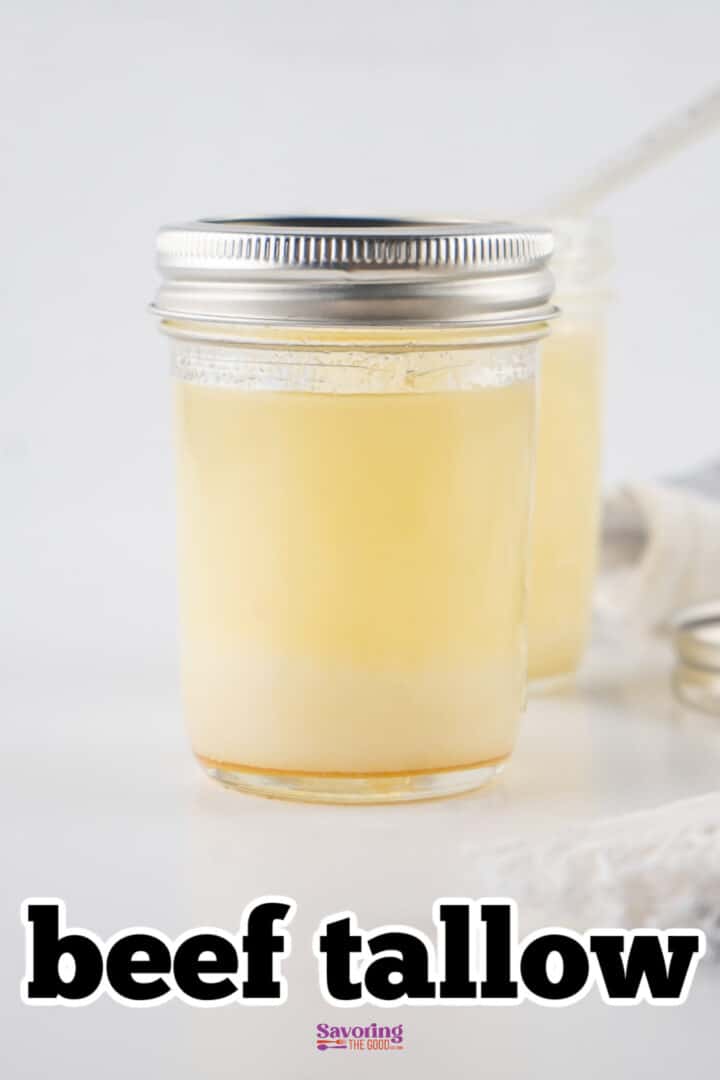

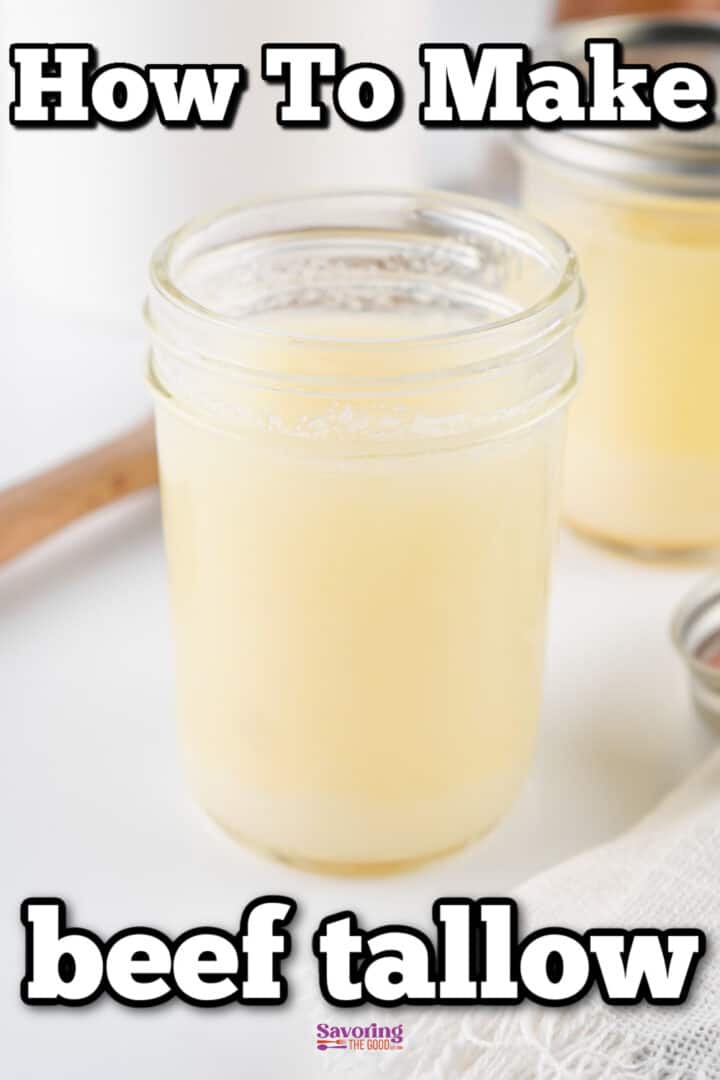
Learn how to make beef tallow at home using the fat trimmings from beef. Render the fat in a large pot or a slow cooker, low and slow over several hours to make a type of fat used for generations and is full of flavor.

Beef tallow is a traditional cooking fat made by slowly melting (rendering) beef fat until it becomes a smooth, shelf-stable liquid that solidifies when cool. Think of it like butter, but made from beef fat instead of dairy.
Can I use any beef fat to make tallow?

Beef suet is considered the premium choice - this is the hard fat found around the kidneys and loins of the cow. It produces the cleanest-tasting, most stable tallow and has the highest ratio of usable fat.
Trimmed fat from beef cuts can also work, but with some considerations:
- Look for white or cream-colored fat (yellowed fat may be older and produce lower-quality tallow).
- The fat should feel firm, not soft or squishy.
- Fresh fat is crucial - it should have no off odors.
- Try to get fat that's as clean as possible, with minimal meat attached.
Best places to purchase fat for rendering down to tallow.
- Local butcher shops (they often have suet available by request).
- Meat departments at grocery stores (ask about beef fat trimmings).
- Direct from local farms or ranchers.
- Some specialty grocers carry frozen suet.
Avoid:
- Fat that has any signs of spoilage.
- Soft, mushy fat from around organs other than kidneys.
- Fat that has a strong odor.
- Fat that has freezer burn if buying frozen.
Recipe Card?
To find the full printable recipe with specific measurements and directions CLICK HERE to go to the recipe card.
How to make beef tallow at home in the oven:
Heat oven to 250°F
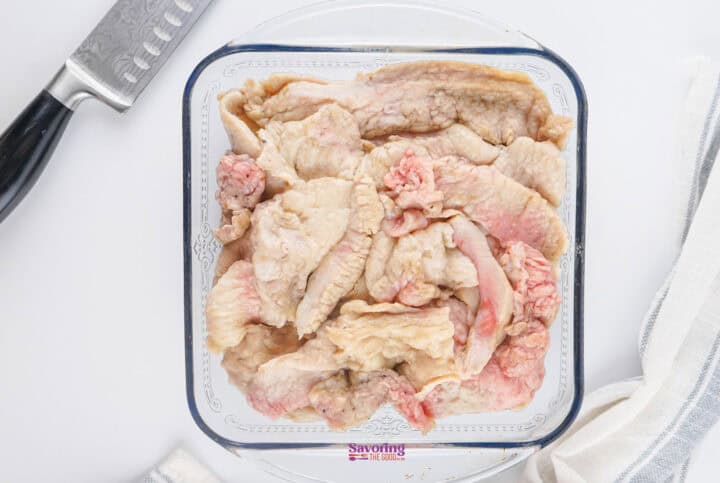
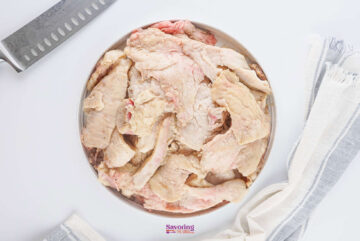
Cut fat into pieces
Cut pieces of fat into chunks (roughly 1-2 inch pieces).
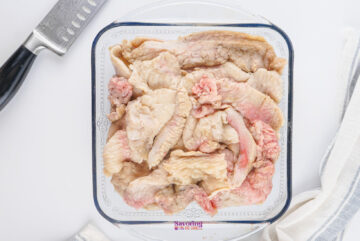
Put fat chunks in a baking dish or dutch oven.
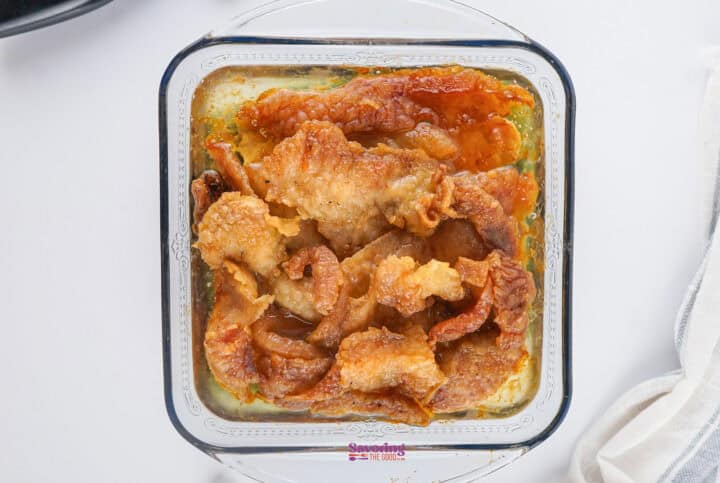
Bake
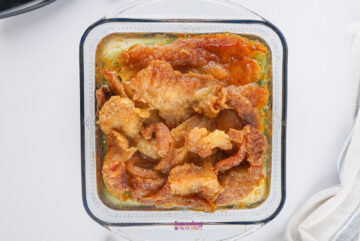
Bake for 3 hours until melted and the tallow is rendered.
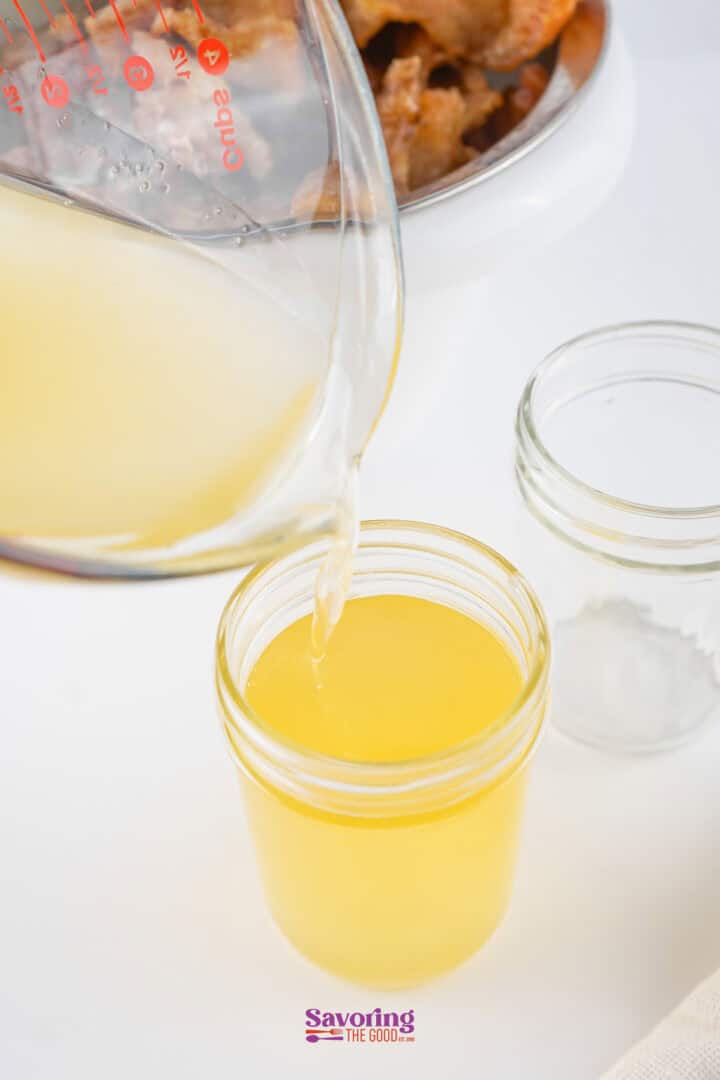
Strain the hot rendered fat
Place the strainer over a heat-safe container.
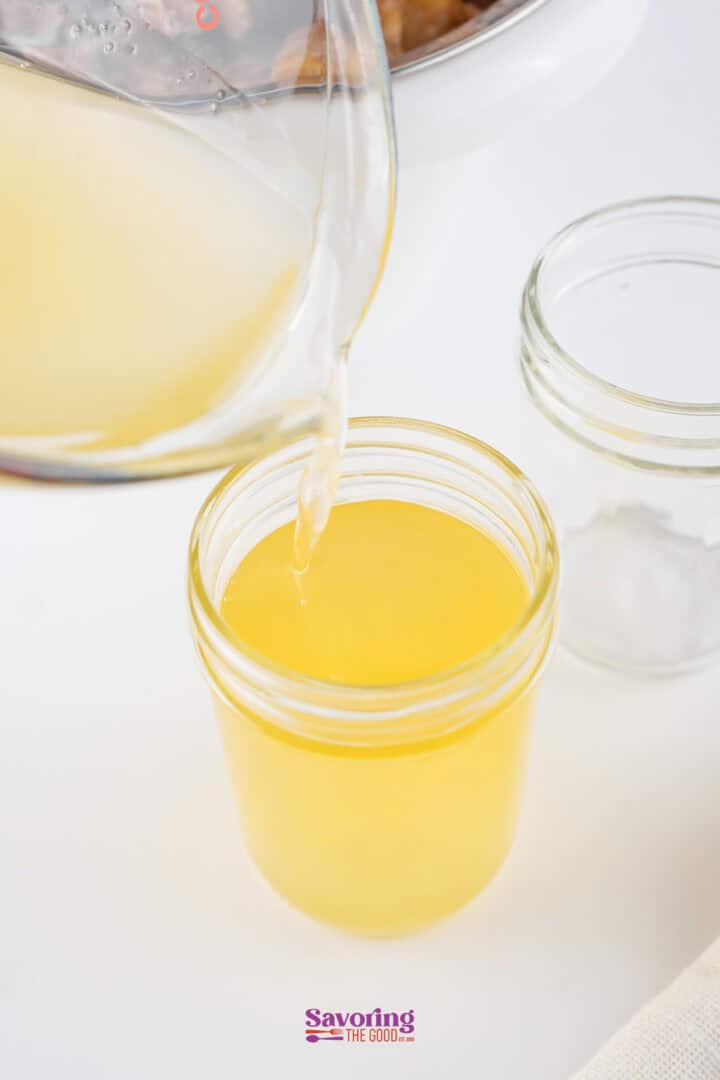
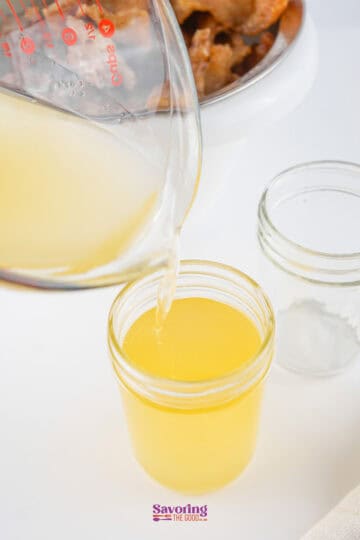
Carefully pour the melted fat through to catch any extra solids.
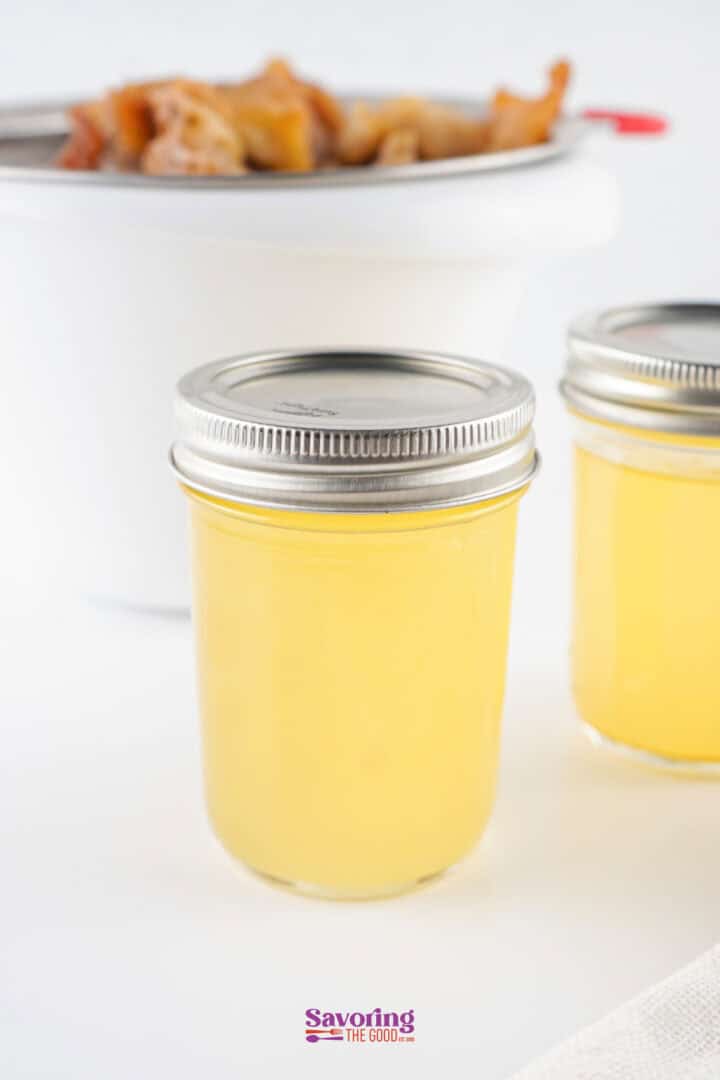
Close with a lid
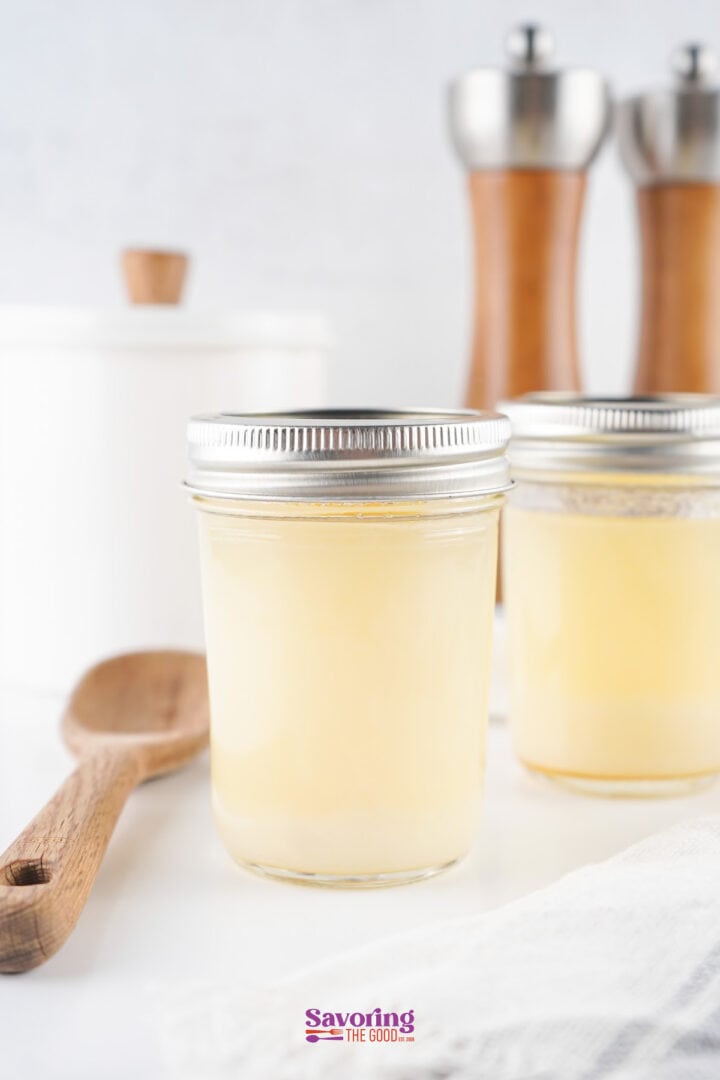
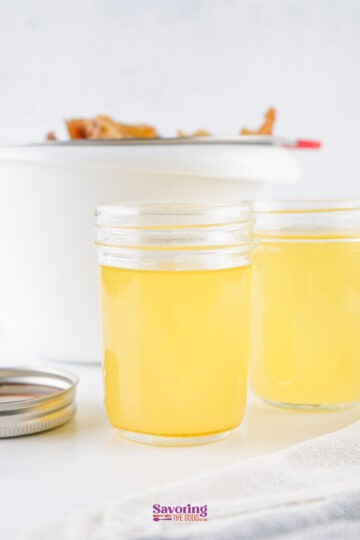
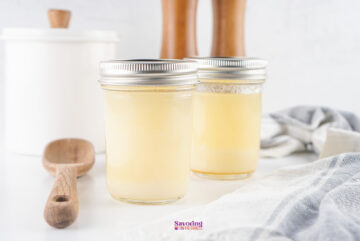
Pour strained liquid into clean jars and loosely close lids.
Did you make this recipe?
Do you have feedback that would be helpful to others? If so can help this small business owner by leaving a rating and a review in the comments section? Thank you for being part of the Savoring The Good Community. ~ Sarah
Be Careful
Watch out - rendered beef tallow is very hot while it is in liquid form!
How to render tallow in a slow cooker
It is such a satisfying process to use a slow cooker to turn those beef trimmings into something useful for your kitchen!
- Cut your beef fat into chunks (same as oven method, roughly 1-2 inch pieces).
- Place fat pieces in slow cooker.
- Set slow cooker to LOW setting.
- Don't add any water or other liquids.
- Leave lid slightly vented (you can prop it open a tiny bit with a wooden spoon)
- Cook for 6-8 hours on LOW.
- The fat will gradually melt down.
- You'll see clear liquid fat form with crispy bits (these are called "cracklings")
- It's done when most fat has melted and you see golden-brown cracklings.
- Strain and store (same as oven method):
- Strain the tallow through fine mesh strainer into heat-safe container.
- Pour into clean jars.
- Let cool to room temperature.
- Tighten lids.
- Refrigerate for 48 hours to set.

Sarah's recommendation
7 qt. Crock-Pot
Perfect for Chicken, Roasts and Meals for 8+ people.
What are the brown bits left over after rendering beef tallow?
Those brown bits are called "cracklings" - they're the crispy pieces of protein and connective tissue left over after all the fat has been rendered out. Some people call them "greaves" too. Some people toss them out, but if you want to try them, they're perfectly safe to eat and have a rich, meaty flavor! cracklings are edible and considered a delicacy in many cultures.
If you want to save your cracklings:
- Strain them out when you pour off your liquid tallow
- Let them drain on paper towels
- Add a bit of salt while they're still warm
- Store in an airtight container in the fridge for up to a week
- Season them with salt and eat as a snack
- Crumble them over salads
- Use them as a crunchy topping for soups
- Mix them into cornbread
Beef Tallow vs. Olive Oil
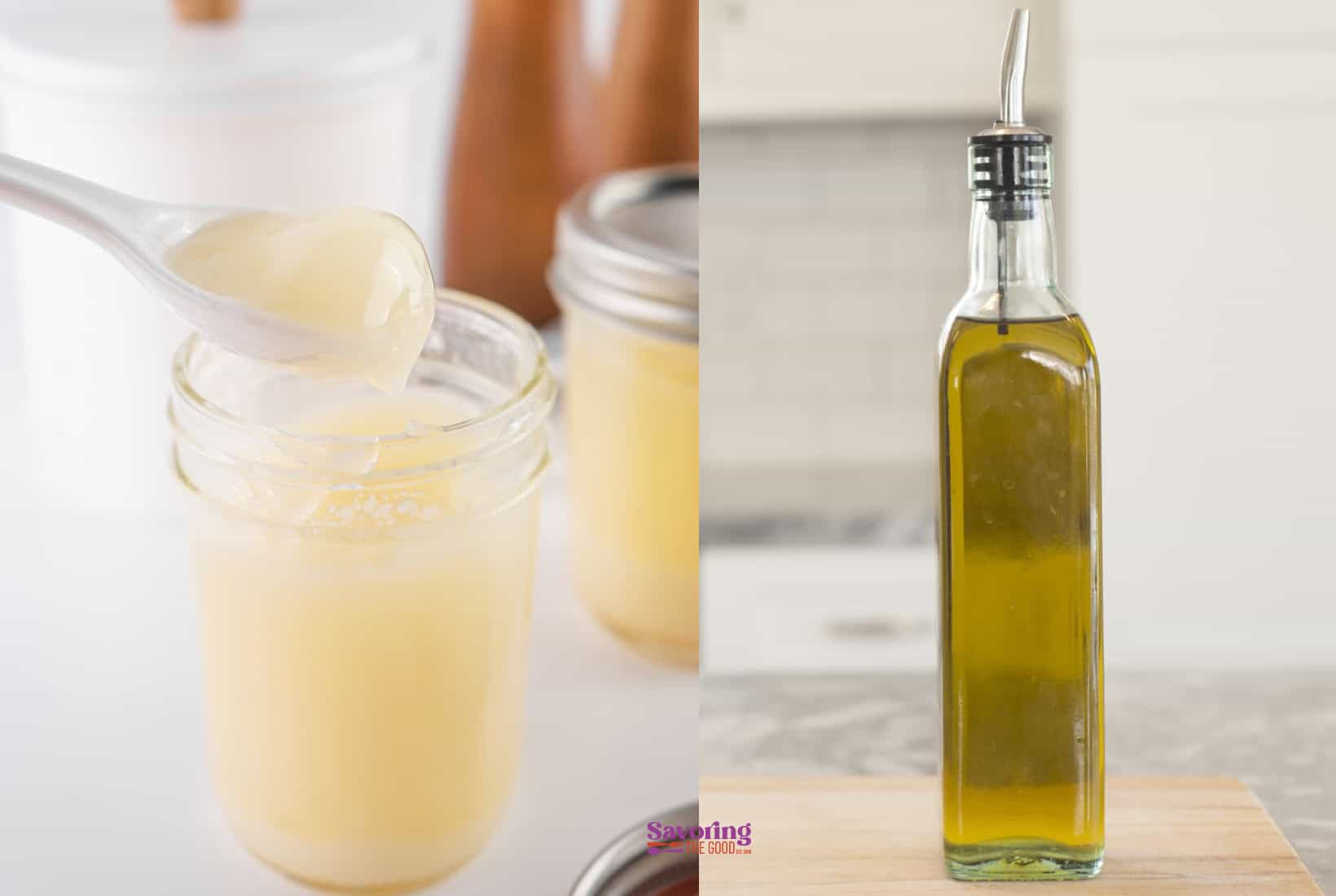
Think of rendered tallow and olive oil as two different tools in your kitchen, each with its own special talents and properties. Tallow is your go-to for when you want to get a perfect sear on a steak or make super crispy fries because of its high smoke point.
Tallow has a high smoke point and can handle those high temperatures without smoking up your kitchen. Olive oil, on the other hand, is better for gentler cooking, and it really shines in salad dressings where you can appreciate its flavor.
If you're into saving money and being practical, making tallow at home from beef trimmings is a pretty sweet deal. You can keep it on your counter for a month, stash it in the fridge for even longer, or freeze it for a rainy day.
Good olive oil isn't inexpensive, but it'll keep for well over a year if you store it right - just keep it away from heat and light.
These fats bring totally different things to the table when it comes to taste and what's in them. Tallow has this rich, subtle beefy flavor that is just delicious with meat dishes.
Olive oil can range from mild to bold and peppery, depending on what you buy. But you don't have to choose between them - they're both useful for different things, like having both a cast iron pan and a non-stick in your kitchen.
How to store homemade beef tallow
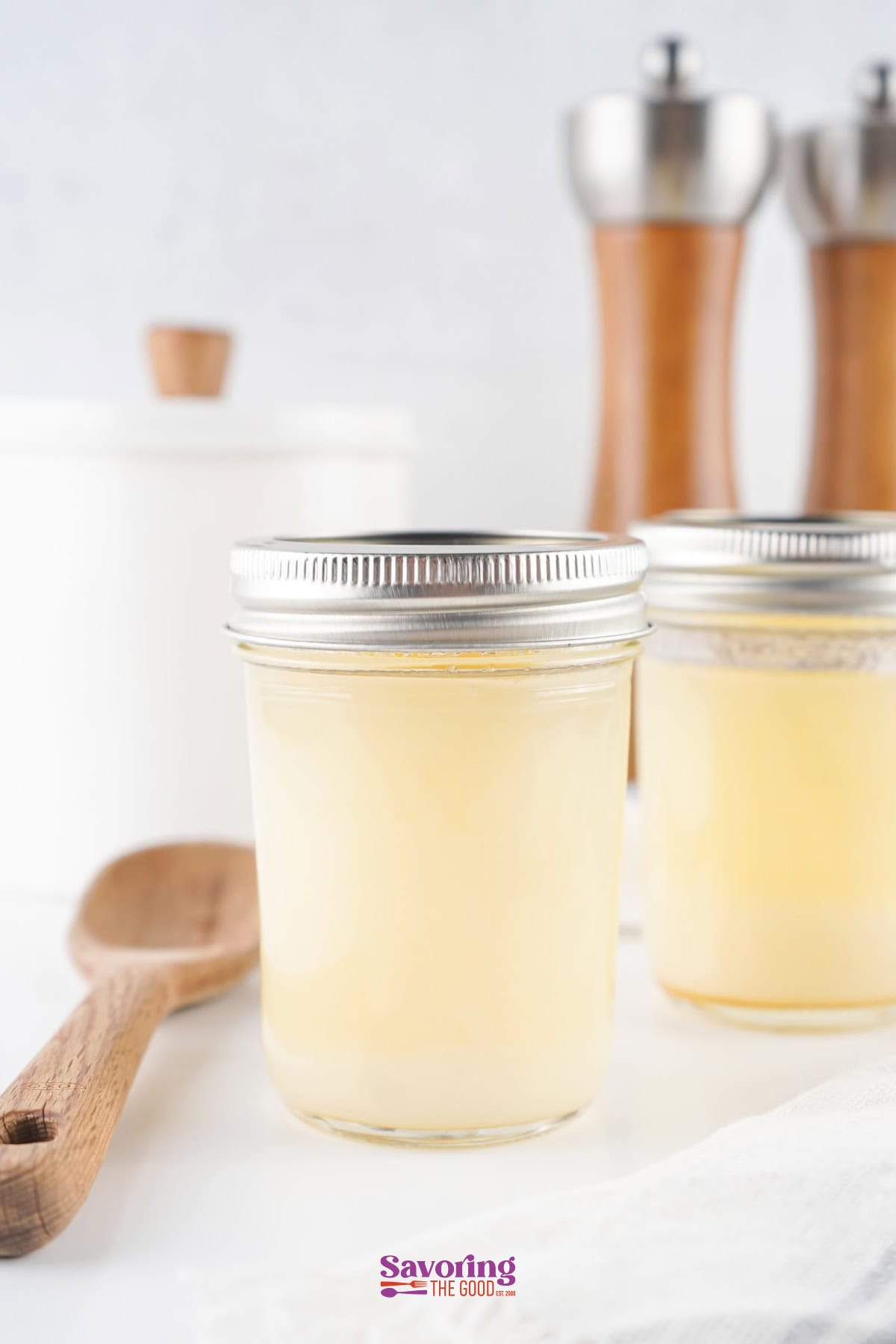
Storage Containers:
- Clean mason jars with tight-fitting lids are ideal but any airtight glass container works well.
- Avoid plastic containers as they can retain odors and make sure containers are completely dry before filling.
Storage Methods & Times:
Room Temperature
Store in a cool, dark place in a tightly sealed container for up to 1 month. This storage method is best of you use tallow on a daily basis and go through it quickly.
Refrigerator (Recommended)
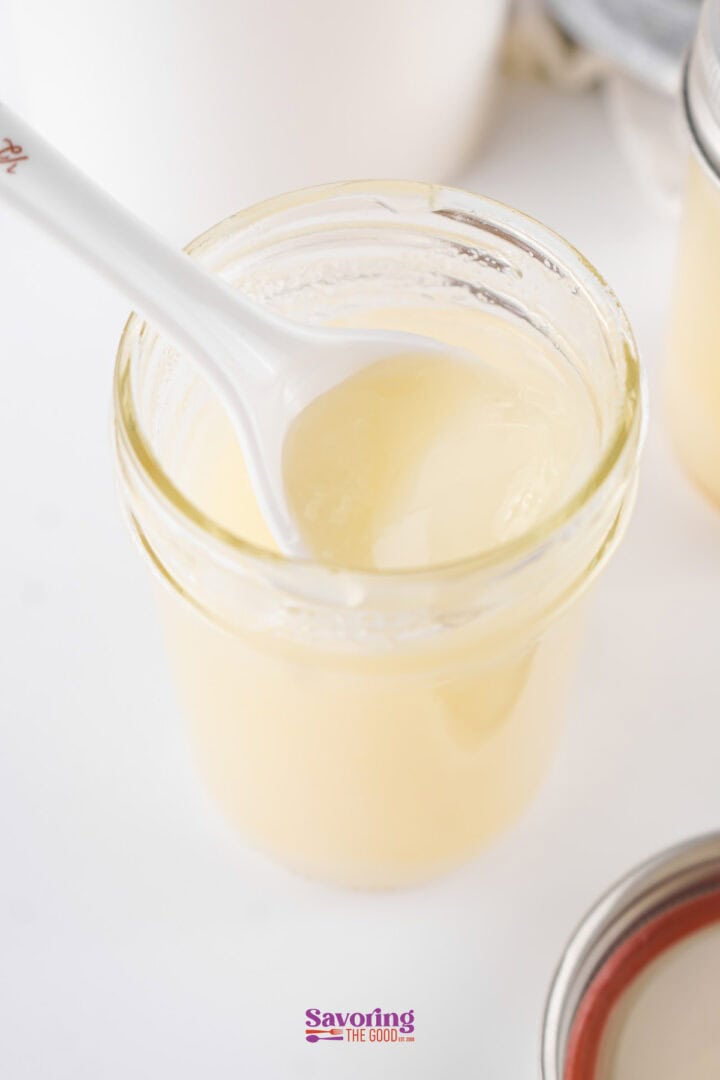
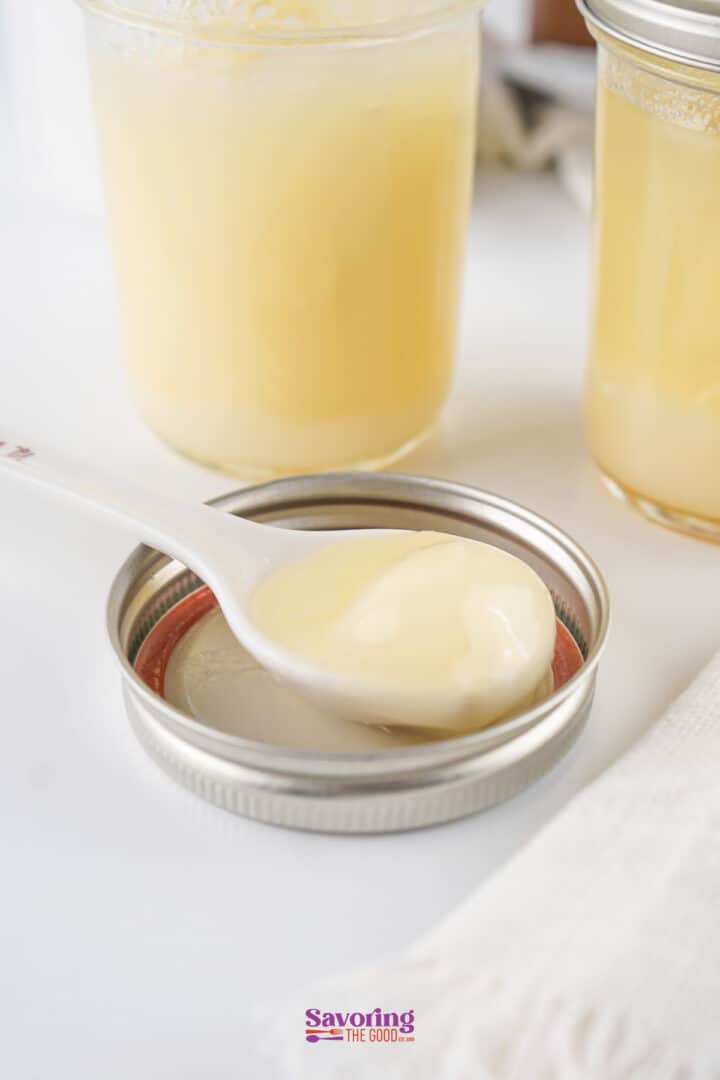
The fat will turn creamy white when cold and become firm but scoopable. It will last for several months in the ridge. Be sure to keep it away from stong-smelling foods to keep it neutral flavor.
Freezer
This storage method is perfect for when you have rendered down large batches. It will last in your freezer for 6 months to 1 year. Be sure to use freezer-safe containers and leave a little headspace for expansion. Be sure to label it with the date made.
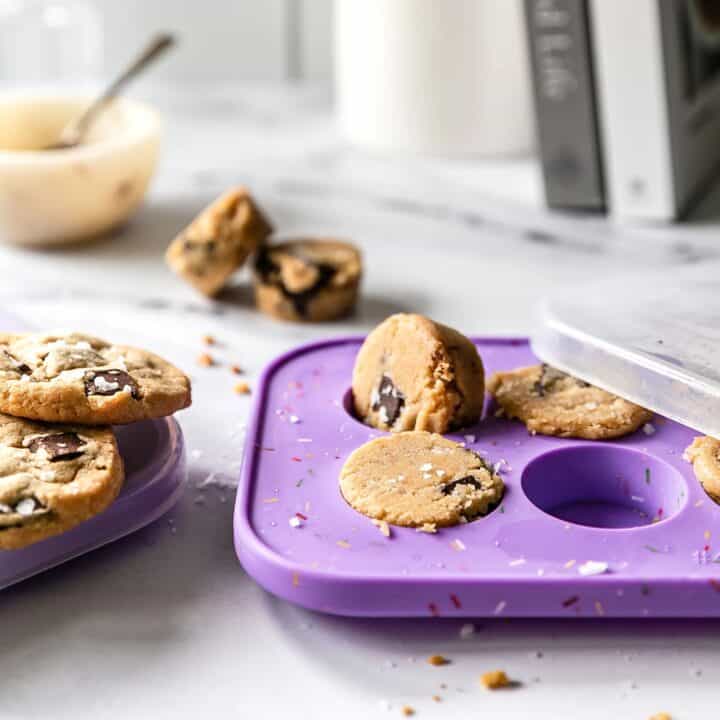
Souper Cubes
The equivalent of a 2.5" cookie or a #40 cookie scoop. (As seen on Shark Tank.)
Pro Tips:
- Strain tallow really well before storing to remove any food particles.
- Cool completely before sealing containers tightly.
- Turn jars upside down while cooling to help separate any water.
- Pour off any water that settles at the bottom after setting.
- If you see any mold or it smells off, don't risk it - throw it out.
Seasonal Favorite
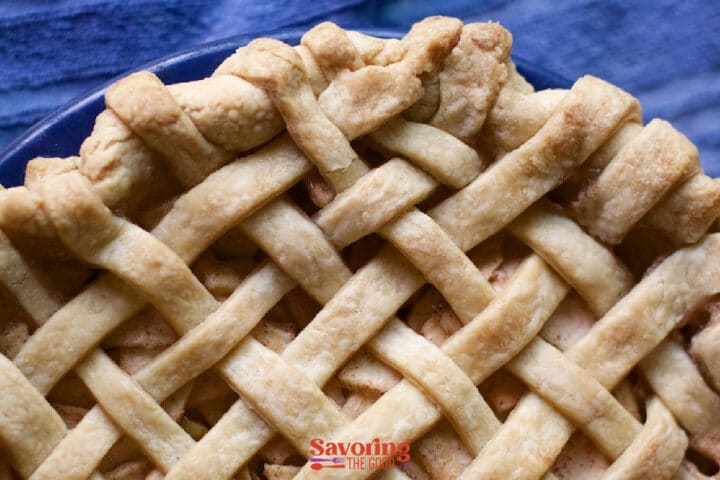
This is my award-winning Crisco pie crust recipe; flaky, tender, and made with simple ingredients you already have.
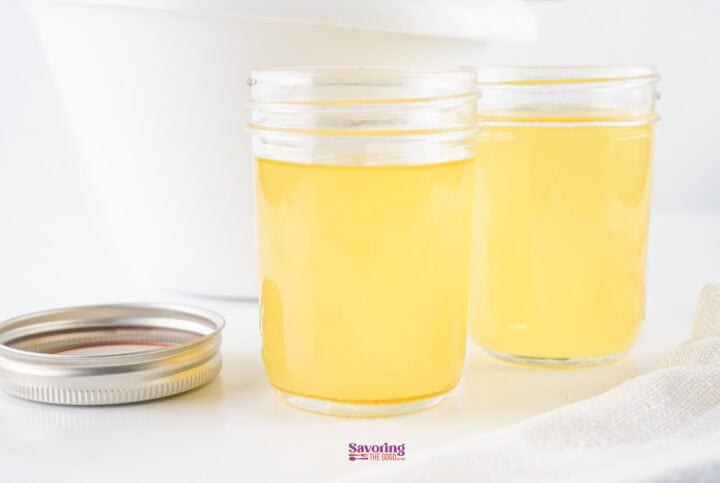
let's use tallow
Beef Tallow Uses
Frequently asked questions, answers and tips:
Is Beef Tallow the Same as Beef Fat?
No, beef tallow and beef fat aren't exactly the same thing, though they're closely related. Beef fat is the raw, unprocessed fat that comes directly from the cow - it's what you trim off your roasts or steaks, or what you get from your butcher.
Beef tallow is what you get after you render (slowly melt down and purify) that raw beef fat. It's the clean, shelf-stable cooking fat that results from the rendering process.
During rendering, you're basically separating the pure fat from any moisture, proteins, and other tissues.
Benefits of beef tallow
- High Heat Stability - It has a high smoke point (400-420°F), making it excellent for frying and searing without breaking down or smoking up your kitchen. This stable cooking temperature helps food cook evenly and get crispy without burning.
- Long Shelf Life - When properly rendered and stored, tallow stays good for months in the fridge or freezer. Unlike some oils that can go rancid quickly, tallow remains stable and usable for extended periods without losing quality.
- Cost-Effective - Making tallow at home from beef trimmings is economical since you're using parts that might otherwise be discarded. Many butchers sell beef fat at low prices or sometimes even give it away, making it a budget-friendly cooking fat option.
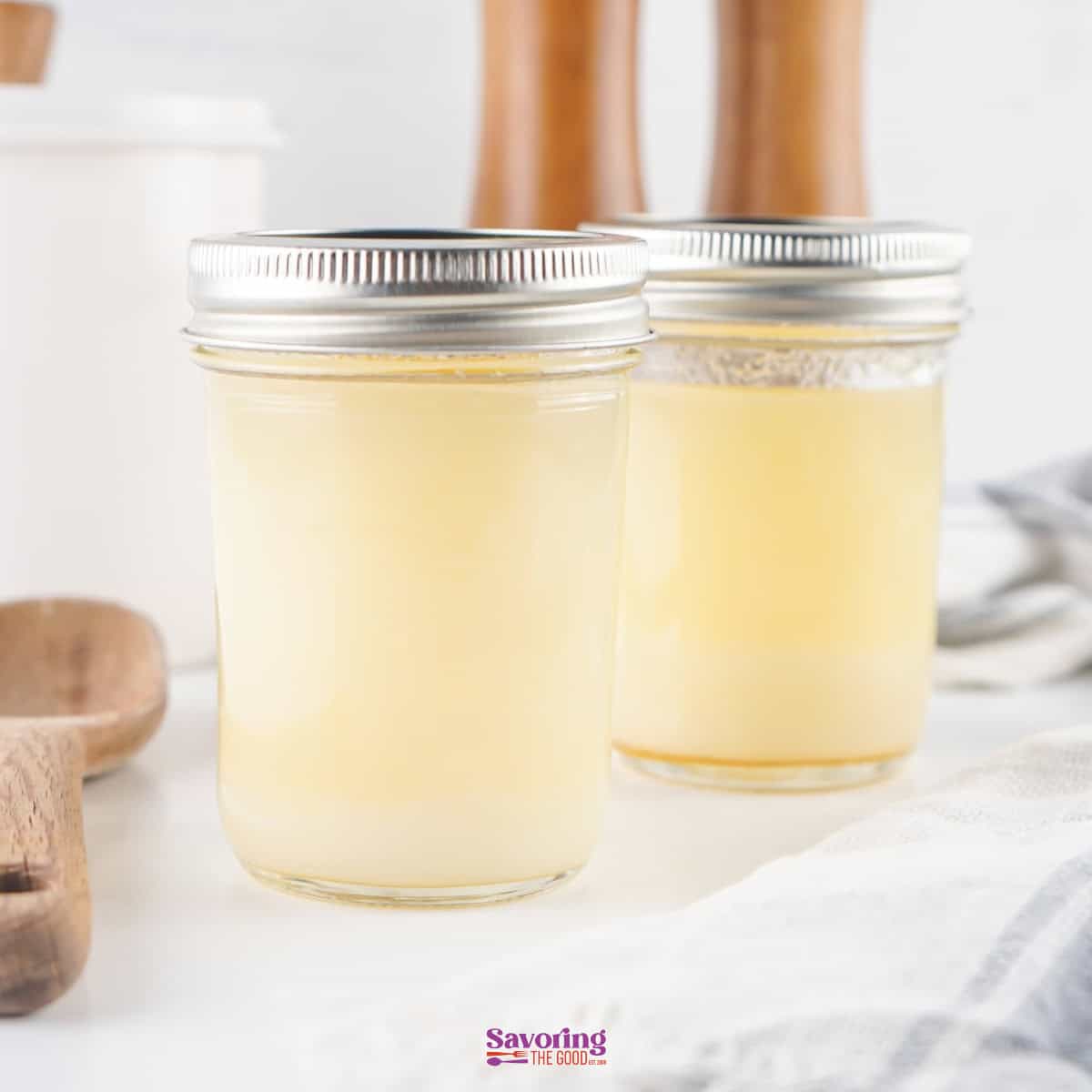
Beef Tallow (Oven Method)


Ingredients
- 2 Pounds Beef Fat
Method
- Preheat the oven to 250 degrees fahrenheit.

- Be sure to cut your fat into large chunks. There's no magic size, just as long as it's not in one big piece.

- Place the fat chunks into an 8x8 baking dish.
- Cook for 3 hours.
- Pour the liquid from the pan, through a fine strainer, into a pourable measuring cup or bowl.

- Immediately pour the liquid from the bowl/measuring cup into jars and secure the lids.
- Let the fat come to room temperature. Tighten the lids one more time and then place the fat in the refrigerator for 48 hours or until set.

Equipment
Nutrition

Nutrition Discolure
Nutritional facts are estimates and are provided as a courtesy to the reader. Please utilize your own brand nutritional values to double check against our estimates. Nutritional values are calculated via a third party. Changing ingredients, amounts or cooking technique will alter the estimated nutritional calculations.

I am Sarah Mock. Welcome!
Sarah Mock is a classically trained Chef and graduate of Johnson & Wales University. A culinary blogger for 16 years Sarah helps the home cook prepare her recipes with professional results.


Comments
No Comments