


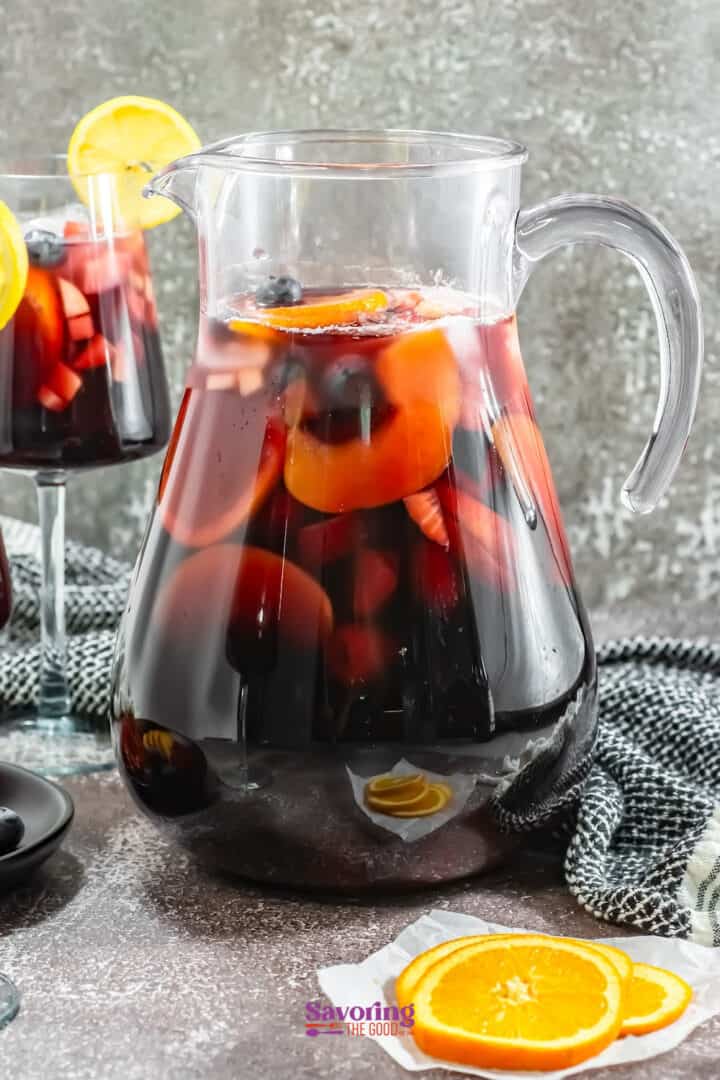
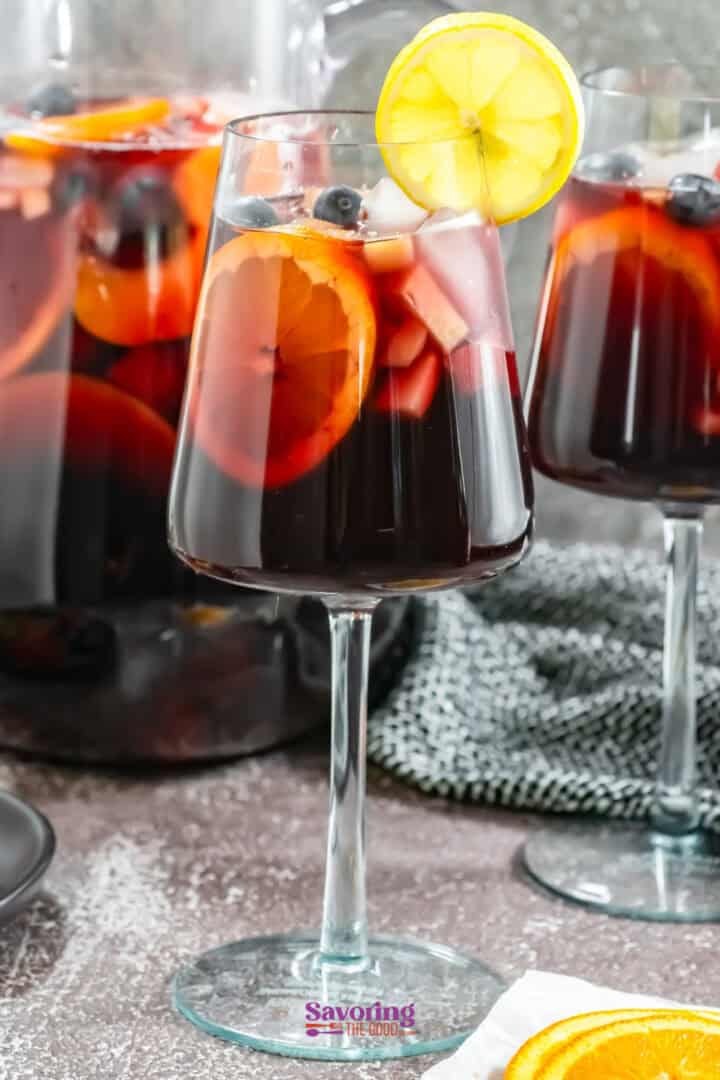
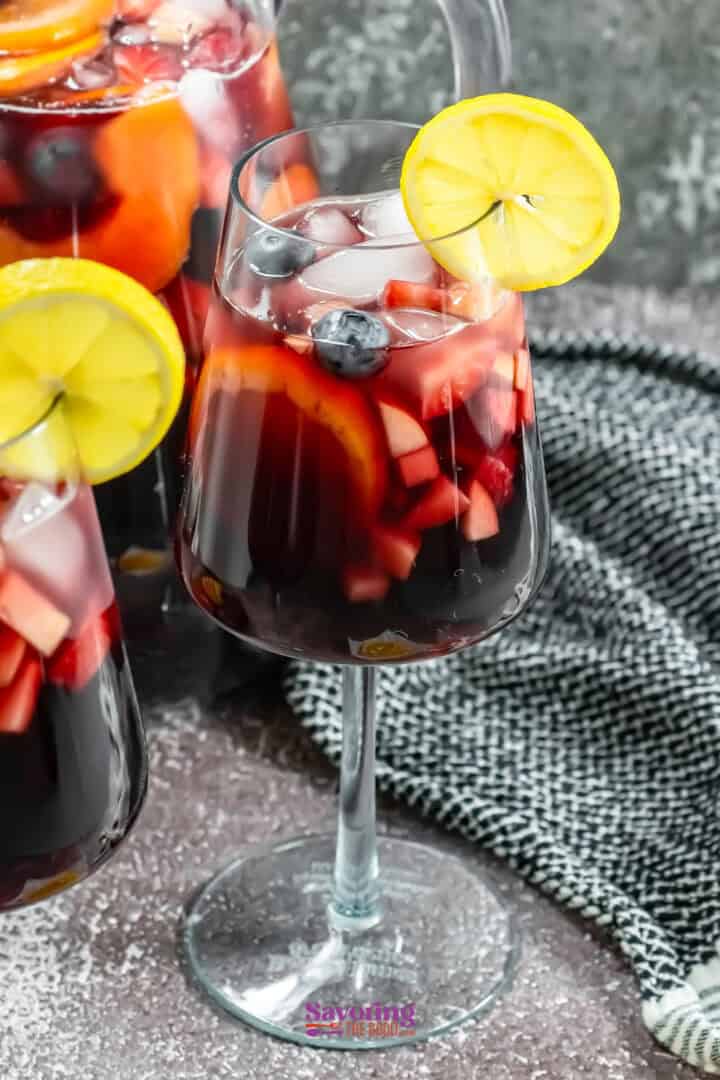
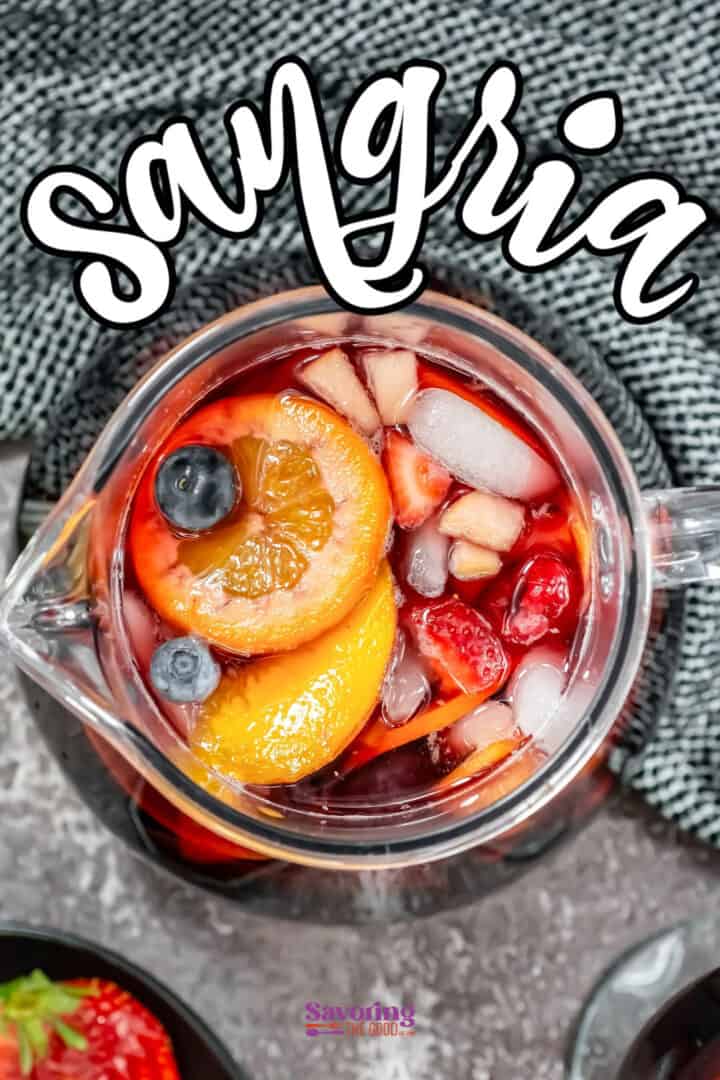
Red sangria recipe is a classic Spanish fruit-forward punch made with red wine, brandy, fresh citrus, and seasonal fruit. I make this every summer because it comes together in 5 minutes, looks beautiful, and genuinely gets better the longer it sits. If you need a crowd-pleasing cocktail that requires zero bartending skills, this is it. Mix to serve 6; chill 2 hours for best flavor.

With just 7 simple ingredients and 5 minutes of prep, you'll create a sophisticated, fruit-infused drink that perfectly balances sweet, boozy, and refreshing flavors - making it the ultimate crowd-pleasing cocktail for any gathering. Wouldn't marinated mozzarella balls pair so beautifully with this recipe?
What are the basic ingredients for sangria?
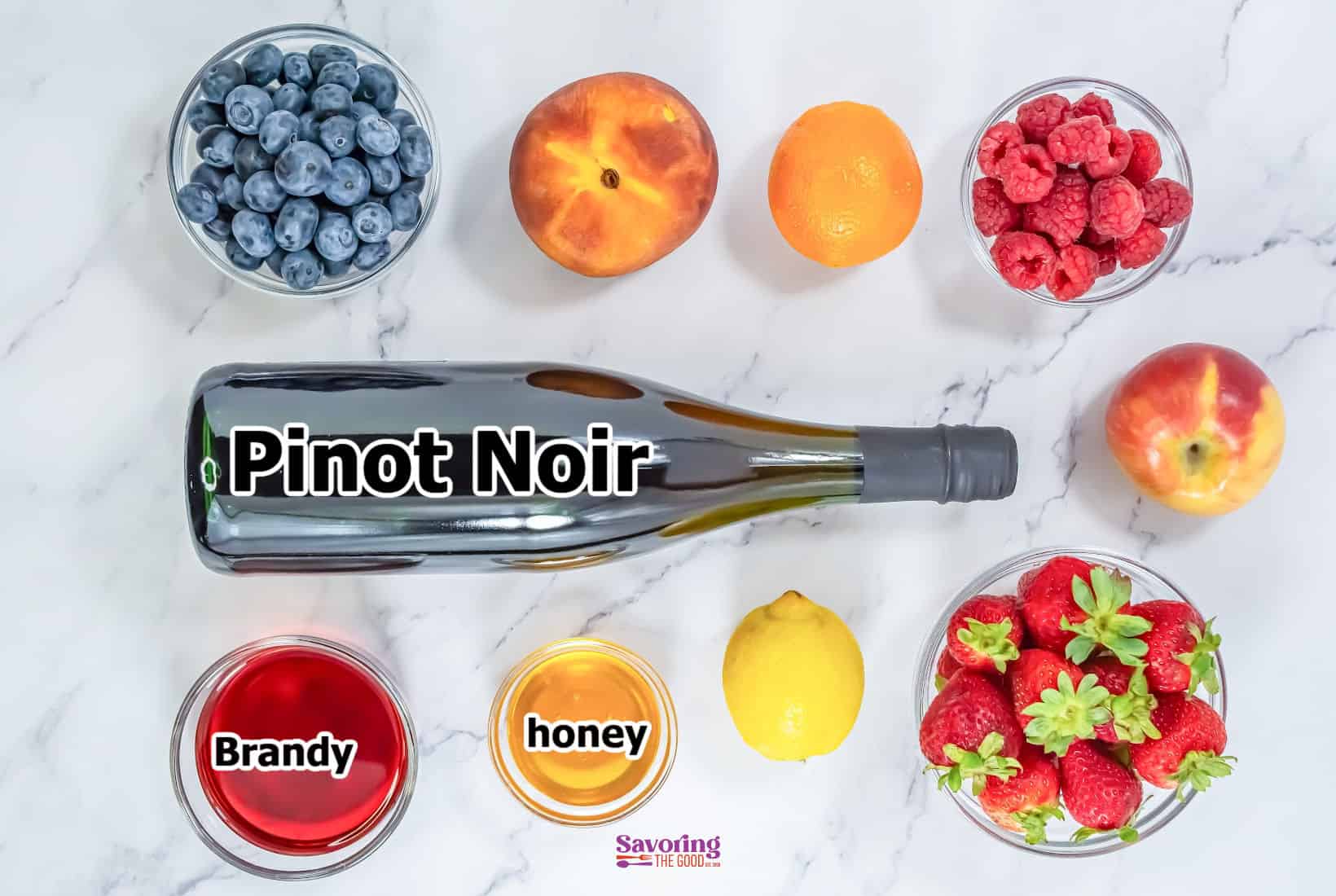
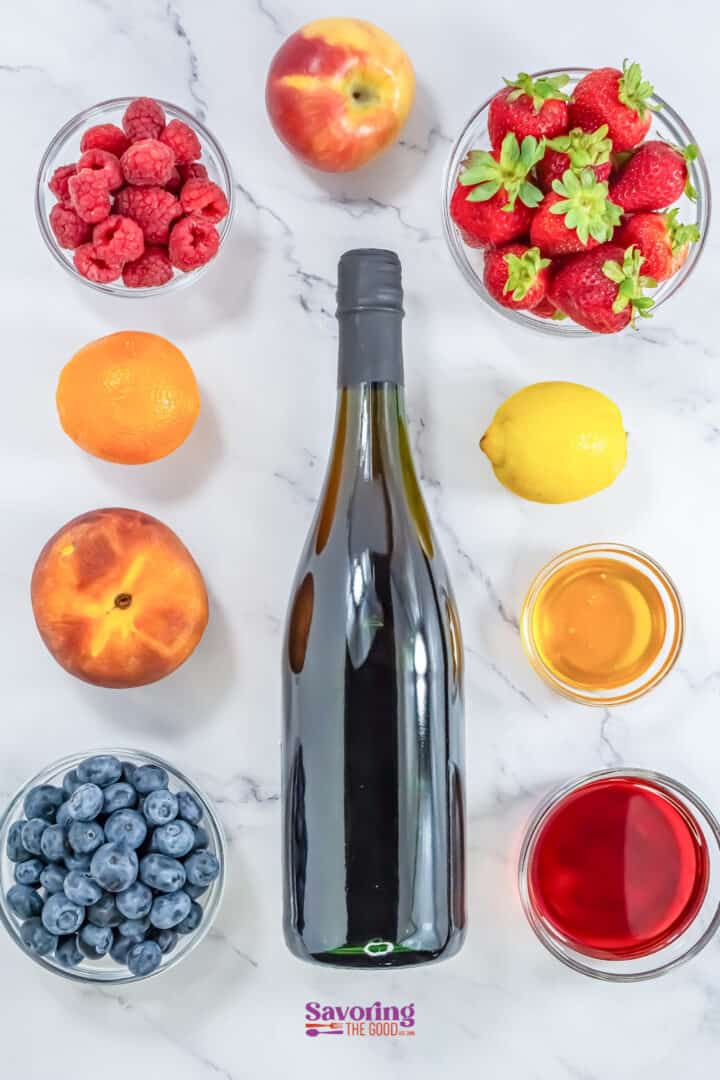
- Pinot Noir: This medium-bodied red wine serves as the base of the best sangria, providing fruity notes and enough structure to hold up to the added ingredients without being too heavy; choose a bottle in the $10-15 range that you'd enjoy drinking on its own.
- Orange: This citrus fruit is traditional in sangria and adds essential bright, sweet notes while helping to balance the wine's acidity; use fresh oranges rather than pre-squeezed juice for the best flavor and the attractive garnish.
- Lemon: Adds brightness and helps balance the sweetness of the other ingredients while adding complexity to the flavor profile; choose fresh, firm lemons and avoid ones that feel soft or have dull-looking skin.
- Mixed seasonal fruit: These fruits infuse their flavors into the wine while also serving as a garnish and edible treat at the end of your drink; select ripe but firm fruits and cut them into small, uniform pieces for optimal infusion.
- Brandy: Adds depth, warmth, and complexity to the sangria while boosting the alcohol content; Spanish brandy is traditional but any decent quality brandy in the $15-30 range will work well.
- Honey: Acts as a sweetener and helps balance the acidity while adding subtle floral notes; choose a mild-flavored honey that won't overpower the other ingredients, or substitute with agave, simple syrup or maple syrup for a vegan option.
- Ice: consider using larger ice cubes or spheres that melt more slowly than standard cubes.
Recipe Card?
To find the full printable recipe with specific measurements and directions CLICK HERE to go to the recipe card.
Helpful Kitchen Tools

Perfect for Sangria!
Crystal Glass Pitcher
Features a sturdy handle and sleek spout, ensuring effortless, precise pours.
How to make red wine sangria
Prepare the Fruit
Cut oranges and lemons into thin wheels or half-moons; cut apples and strawberries into small, even chunks about ½ inch. Uniform size matters here - pieces that are too large won't release their flavor into the wine during the chill time.
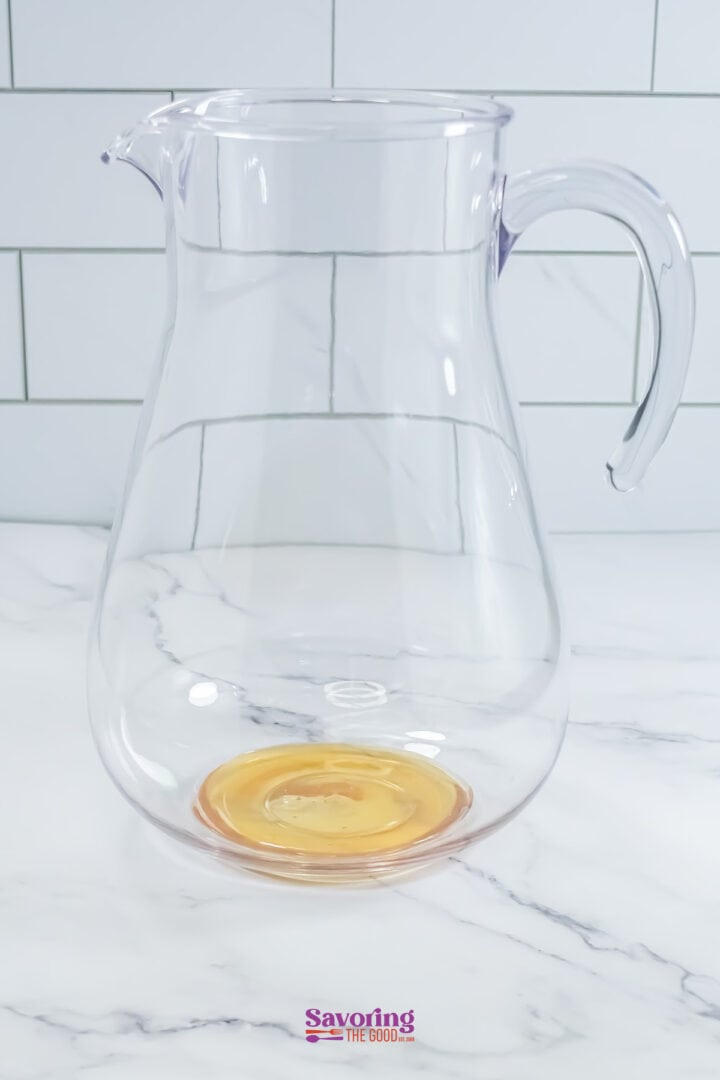
Pour the honey
Pour honey into a large pitcher (at least 2-quart capacity).
Honey Tip
If your honey is thick, warm it slightly to make it easier to mix.
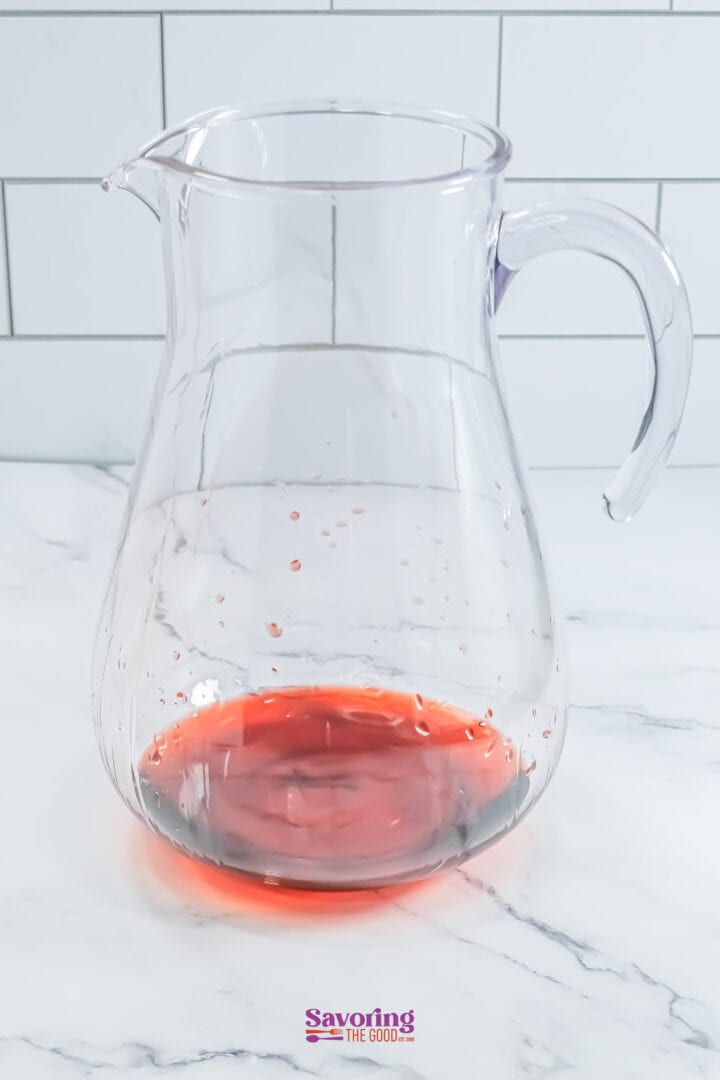
Add Brandy Liqueur
Add brandy to the honey and stir until well combined - this helps the honey dissolve evenly instead of sticking to the bottom.
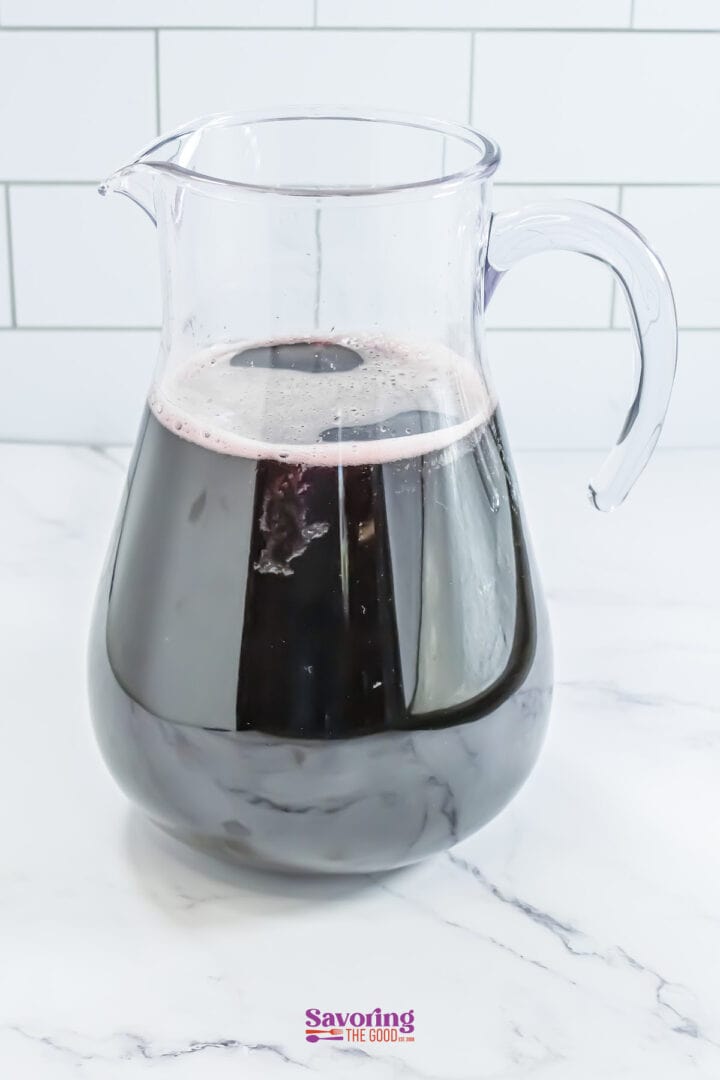
Add wine
Pour in the entire bottle of Pinot Noir and stir gently until the honey mixture is fully incorporated into the wine.
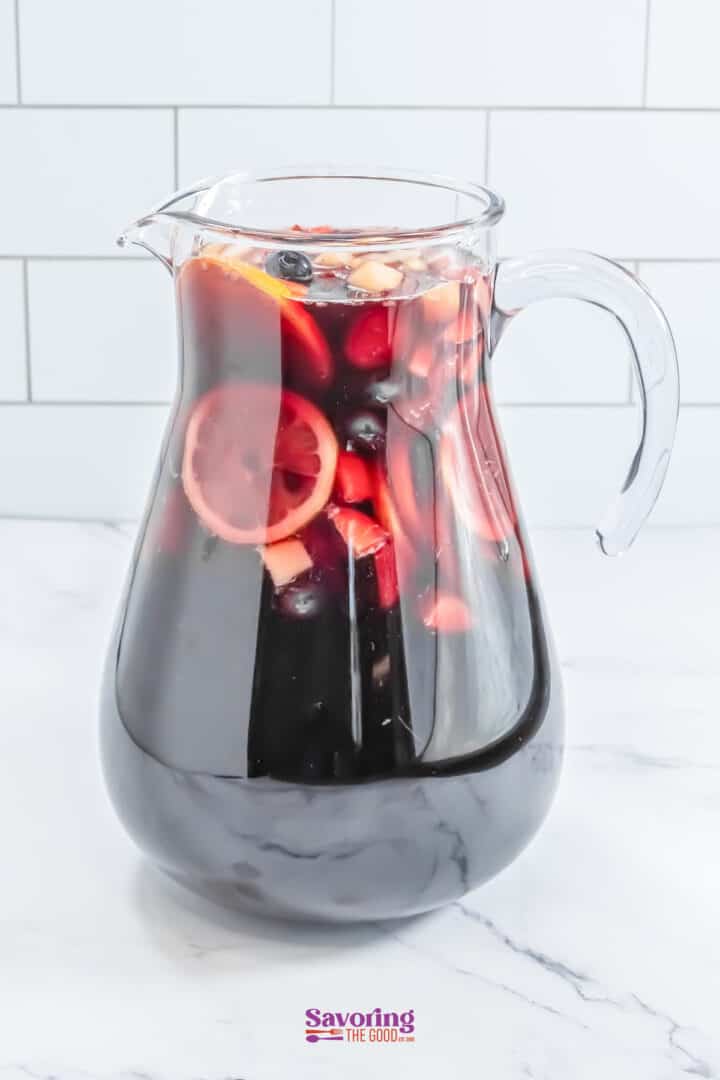
Add chopped fruit
Add all your prepared fruit to the wine mixture and gently stir to combine. Make sure all fruit is submerged in the liquid.
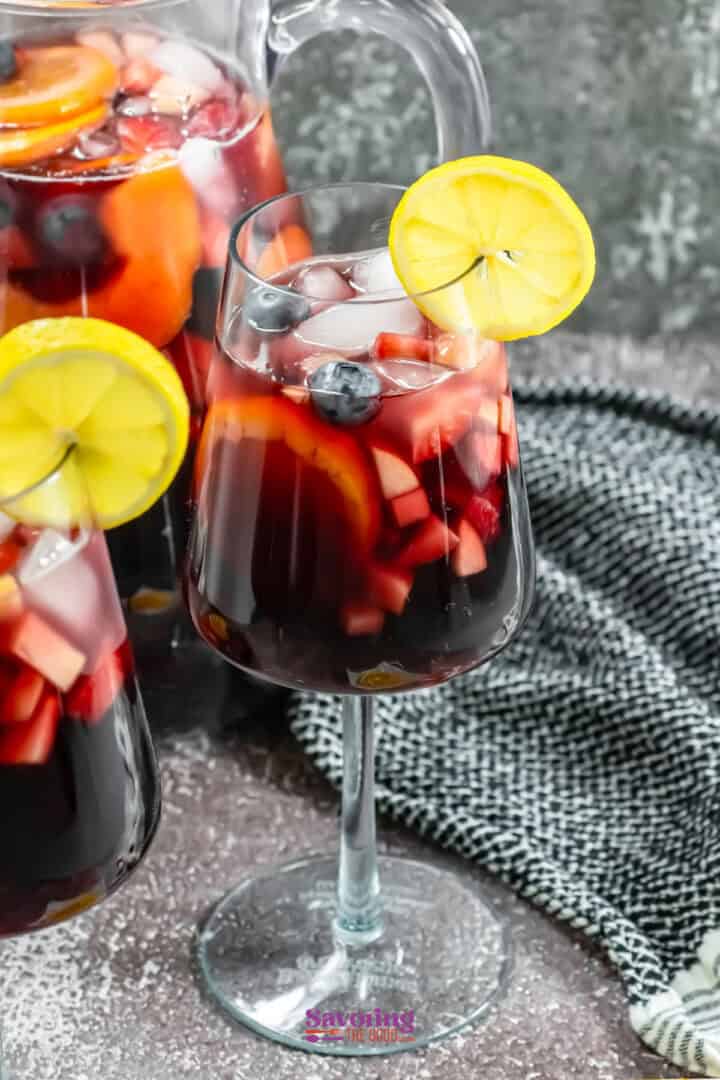
Garnish and serve
When ready to serve, fill glasses with ice and pour the sangria over top, making sure to include some of the fruit in each glass.
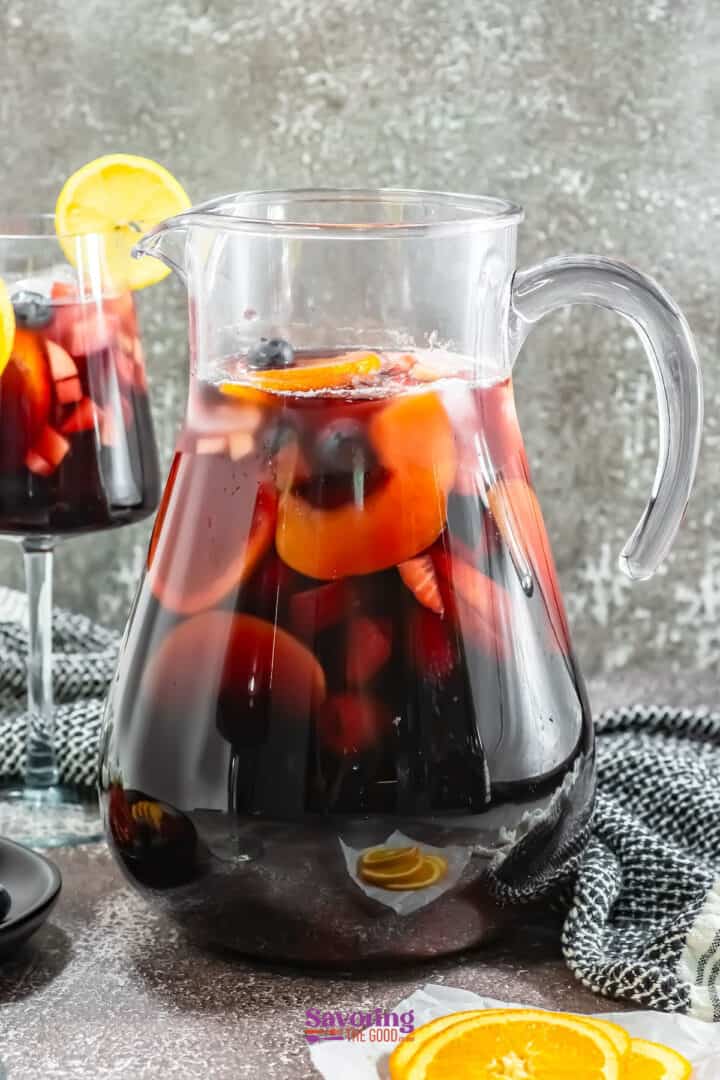
Chill Before Serving
Refrigerate for at least 2 hours - this is where the magic actually happens. The fruit releases juice into the wine, the brandy mellows, and the flavors marry together into something noticeably better than what's in the pitcher right now. You can serve immediately if needed, but 2 hours is the difference between "good" and "great."
Did you make this recipe?
Do you have feedback that would be helpful to others? If so can help this small business owner by leaving a rating and a review in the comments section? Thank you for being part of the Savoring The Good Community. ~ Sarah
What's the best red wine to use for sangria?
When selecting wine for sangria, a traditional Spanish sangria typically uses Spanish dry red wines like Rioja or Tempranillo, which work excellently because they're medium-bodied with good fruit flavors that complement the added fruit.
However, the most important factors for choosing a sangria wine are:
- Use a medium-bodied red wine (anything too light won't stand up to the fruits, anything too heavy will overwhelm).
- Choose something affordable but drinkable (since you're mixing it with fruit, don't use your finest wine, but also don't use something you wouldn't drink on its own).
- Avoid overly tannic or oak-heavy wines as they can become bitter when mixed.
Good wine options include:
- Spanish Rioja or Tempranillo
- Garnacha (Grenache)
- Merlot
- Pinot Noir (as suggested in the recipe)
- Spanish Monastrell
- Portuguese red blends
- Other Spanish red wines
Sarah's Wine Tip
I would avoid wines like Cabernet Sauvignon or Syrah/Shiraz as they're typically too bold and tannic for sangria.
What is the best brandy to use in sangria?
For sangria, you will want to use a Spanish brandy if aiming for authenticity - specifically a brandy de Jerez, which is Spain's signature.
The key is to use a decent quality brandy, but you don't need to use your most expensive bottle since it will be mixed with wine and fruit. A mid-range ($15-30 range) works perfectly fine for sangria.
Avoid using flavored brandies or very cheap brandies, as they can add artificial or harsh flavors to your sangria.
Best brandy choices for red sangria:
- Spanish Brandy de Jerez (like Carlos I or Cardenal Mendoza)
- Spanish Torres
- French Cognac (like Hennessy VS or Courvoisier VS)
Mid-range brandy options that work as well:
- E&J
- Christian Brothers
- Paul Masson Grande Amber
Brandy Tip for Sangria
If you're using a Spanish wine like Rioja or Tempranillo, using a Spanish brandy will create the most authentic and harmonious flavor combination.
What is the most common fruit in sangria?
In traditional Spanish sangria, the most common fruits are:
Citrus fruits (absolutely essential):
- Oranges - these are the most classic and traditional
- Lemons - also very traditional
Other common traditional fruits:
- Apples (especially green apples for their crisp texture)
- Peaches (when in season)
Feel free to include seasonal fruits like strawberries, raspberries, pears and blueberries, which is a more modern interpretation. While these berries aren't traditionally Spanish, they work wonderfully in sangria.
When choosing fruits, the most important thing is that they should be fresh and ripe but still firm - overripe fruit will break down too quickly in the sangria and can make it muddy.
Orange Fun Fact
Traditional Spanish recipes often use a bitter orange variety, but regular oranges work fine. The citrus is crucial not just for flavor but because it helps balance the sweetness of the wine and any added sweetener.
Seasonal Favorite
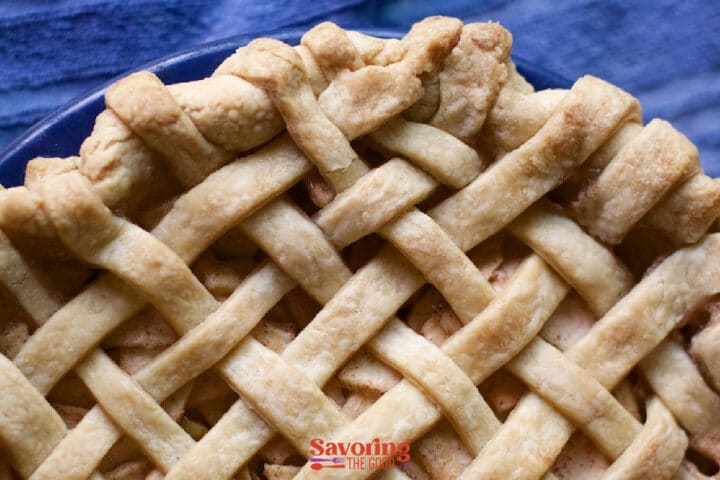
This is my award-winning Crisco pie crust recipe; flaky, tender, and made with simple ingredients you already have.

suggested pairing
Spanish Appetizers
A collection of easy Spanish appetizer recipes.
Can I make sangria ahead of time?
While sangria can be made ahead, it's best not to prepare it more than 24 hours in advance as the fruit can become overly saturated and the flavors can become muddled.
Optimal Timing:
- 2-4 hours ahead: Perfect for fruit infusion while maintaining freshness
- Up to 12 hours: Still very good
- 24 hours maximum: As noted in your recipe's storage instructions
Best Practices for Make-Ahead Sangria:
- Hold the fizzy ingredients: If you're planning to add any sparkling wine or soda, wait to add these until serving
- Layer your ingredients strategically:
- Mix the wine, brandy, and honey first
- Add hardier fruits like apples, oranges, and lemons
- Wait to add softer fruits like berries until 2-4 hours before serving to prevent them from getting too mushy
Storage Tips
- Keep refrigerated in an airtight container or pitcher
- Store without ice (add ice only when serving)
- Keep fruit submerged in the liquid to prevent oxidation
Sarah's Culinary Insight
- Pinot Noir is my pick for this recipe because it's fruity without being heavy; Cabernet Sauvignon gets bitter when it sits with fruit for 2+ hours.
- Softer fruits like berries go in last - add them 2 hours before serving instead of at the start, or they turn to mush and cloud the wine.
- The honey dissolves best when you mix it with the brandy first before adding wine; skipping this step leaves sticky honey pooled at the bottom of the pitcher.
- Sangria served right away is fine; sangria chilled overnight is completely different and better - the flavors need time to settle.
Frequently asked questions, answers and tips:
While I try to share all the information you need to make this recipe in your home with restaurant-quality results, there still may be a question or two. Or these are questions I have received from the community about this recipe. I do my best to answer them as clearly as I can. I hope this helps.
You lose the peel oils, which add a subtle bitterness that balances the sweetness of the honey. What you gain is convenience. It works, but the flavor is flatter. Use fresh if you can.
Both dissolve more easily than honey (especially in cold wine), which is actually an advantage. Agave is the most neutral swap. Maple syrup adds a warm, slightly caramel note that works well in fall and winter versions of this sangria.
This moves the flavor profile toward sweeter and more citrus-forward. It's a lighter result, which some people prefer. The brandy adds warmth and depth; the orange liqueur adds brightness. Both work; they're just different drinks.
Not in the base recipe, but topping each glass with a splash of cava or prosecco right before serving adds a festive lift. Do not add sparkling wine to the pitcher - it goes flat immediately.

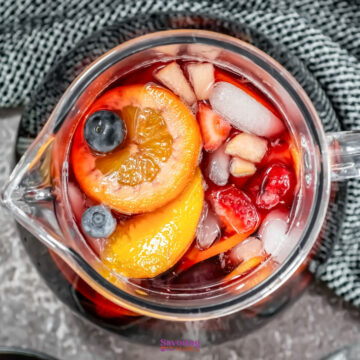
Ingredients
- 1 c mixed seasonal fruit strawberries, apple, raspberries, blueberries, etc - cut if needed
- 1 orange
- 1 lemon
- 2 Tablespoons Honey agave or maple syrup are also good
- ½ c brandy
- 750 ml Pinot Noir
- Ice optional
Instructions
- Prep all your fruit by slicing and/or dicing.1 c mixed seasonal fruit, 1 orange, 1 lemon

- In a large pitcher, pour in the honey.2 Tablespoons Honey
- Add in the brandy and stir.½ c brandy
- Add in the entire bottle of Pinot Noir and mix well.750 ml Pinot Noir
- Add in your fruits and stir.
- Serve chilled over ice.Ice




Nutrition
Notes

I am Sarah Mock. Welcome!
Sarah Mock is a classically trained Chef and a graduate of Johnson & Wales University. A culinary blogger for 17 years, Sarah helps the home cook prepare her recipes with professional results.



Comments
No Comments