



















-
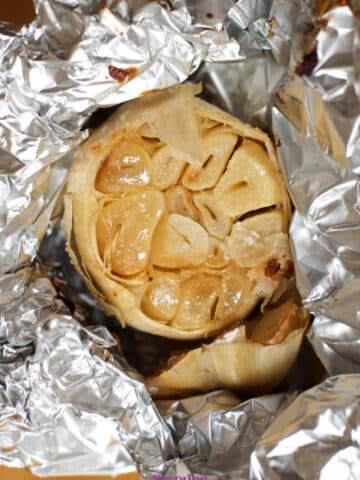
How to Roast Garlic
-
Candied Jalapeños Recipe (Cowboy Candy)
-
How To Roast Pecans (Oven or Skillet)
-
Fermented Garlic Honey Recipe
-
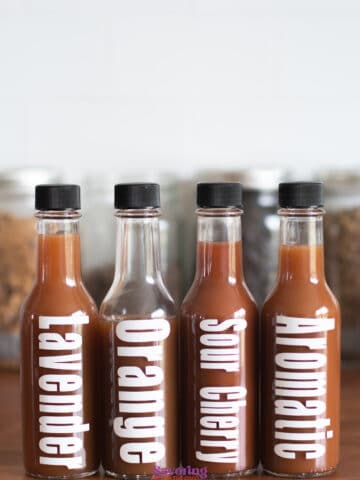
Homemade Bitters Recipe for Better Cocktails
-
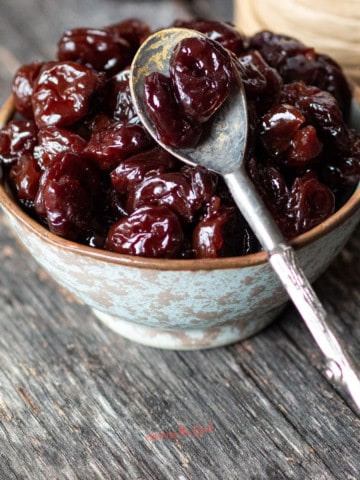
Luxardo Cherries Recipe
-
Homemade Salmon Lox Recipe (Cured Salmon) aka Gravlax
-
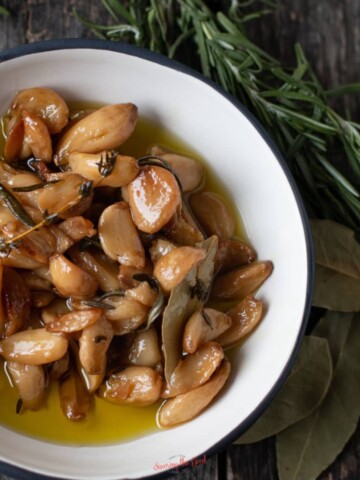
Garlic Confit Recipe
-
Sugared Cranberries Recipe
-
How to Make Beef Tallow
-
How To Freeze Blueberries Fresh 🫐 Step-By-Step Guide
-
Easy Homemade Blueberry Syrup Recipe with Canning Instructions
-
How To Make Pecan Butter Recipe
Homemade ingredients are the small jars that make everyday cooking better: basil salt, tomato paste, garlic powder, whipped butter. I'm a classically trained chef, and these are the staples I make in my own kitchen instead of buying.
Most start with something you already have and a little time. You control the salt, skip the fillers, and use up produce before it turns.
New to this? Start with the seasoning blends. Move to the preserving projects when the garden or the farmers market gives you more than you can eat.

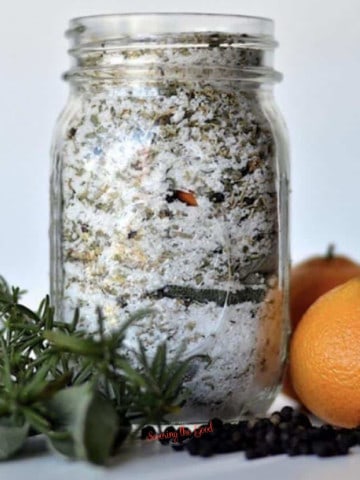
Basil Salt
The most popular recipe on this page; fresh basil turned into a finishing salt for tomatoes, eggs and grilled meat.
Spice Mixes & Seasonings You Can Make at Home
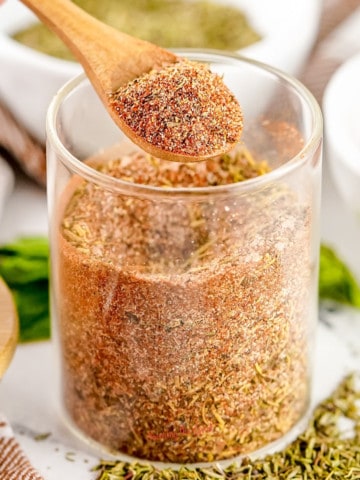
Homemade spice mixes keep you in charge of the salt and cost less than the packets. Start with onion soup mix, chili seasoning, or all purpose seasoning; most of these use spices you already own.
- Easy Onion Soup Mix Recipe
- Homemade Chai Spice Mix Recipe
- Chinese Five Spice Blend
- Best Chili Spices Blend
- Spaghetti Seasoning Mix
- Blackening Seasoning Recipe - Homemade Blacken Seasoning Mix
- Homemade Poultry Seasoning Recipe
- Seasoned Salt (Lawry's Copycat)
- All Purpose Seasoning Blend
- How to Make Basil Salt
- Best Turkey Rub Recipe
- Turkey Brine Recipe with Orange Peel
Looking for more blends? See all my spice mix recipes.
Ingredient Substitutes for Everyday Cooking
Ran out of an ingredient halfway through a recipe? These swaps tell you what to use instead and how much, so you can keep cooking.
- Cotija Cheese Substitutes: Feta, Parmesan & More
- Best Overall Substitutes for Amaretto
- Lemongrass Substitutes (Simple Alternative To Lemongrass)
- Best Substitutes for Anchovy Paste
- Substitute for Brown Sugar
- Difference Between Vanilla Extract vs. Vanilla Essence
- Chinese 5 Spice Substitute
- Onion Powder vs. Onion Salt
DIY Sauces, Syrups & Condiments
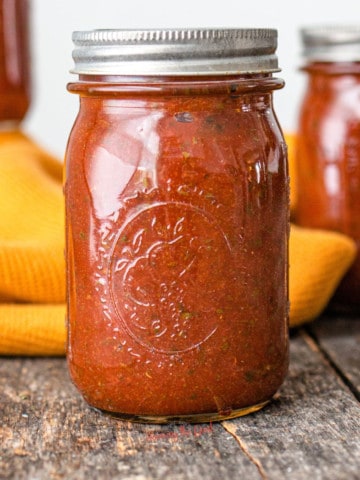
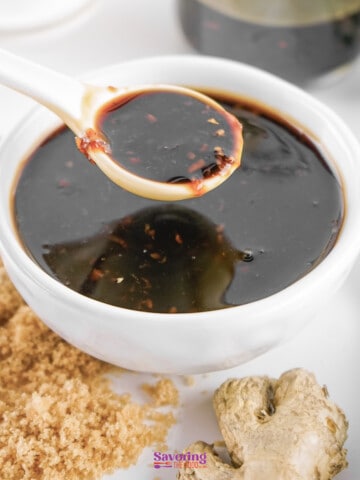
Pizza sauce, teriyaki, fruit syrups, and cherries all taste better when you control what goes in. Where a recipe calls for canning, follow the jar size and processing time on the recipe card exactly.
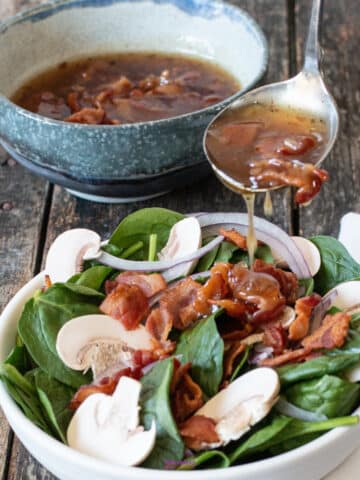
Hot Bacon Dressing
Warm, tangy and made right in the bacon pan; the classic dressing for a wilted spinach salad.

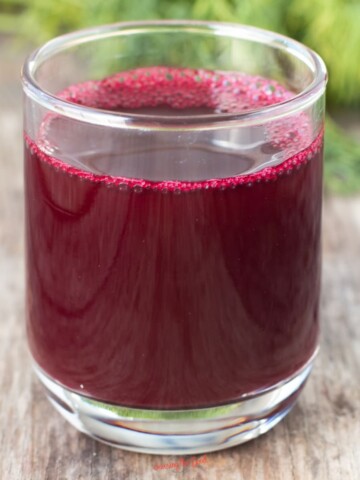
Fresh Juices & Homemade Drinks
Fresh juice is a summer treat, and it also makes a good base for punch, cocktails, and canning. Keep it in the refrigerator and follow the storage time on each recipe card.
Preserving Ingredients: Freezing, Drying & Canning
Freezing and drying are the easiest ways to keep produce and herbs past their season. Canning takes more precision, so use the exact acidity, jar size, and processing time in the recipe.
- Drying Figs in the Oven (Plus 2 More Ways)
- Ways To Dry Sage Leaves - Dehydrator, Microwave, Air-Dry, Oven
- How to Dry Fresh Chives at Home
- Dehydrating Peppers: 3 Methods To Dry Hot Peppers
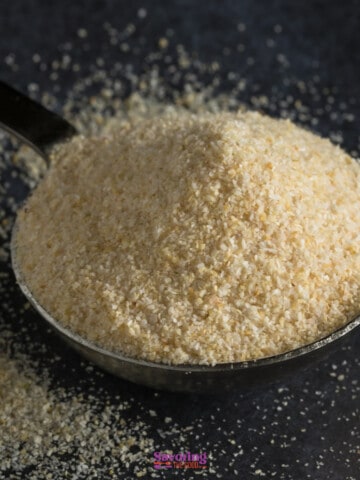
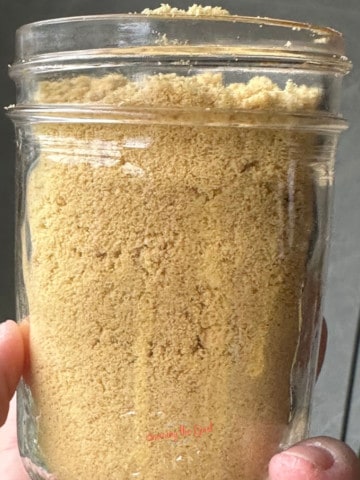
- Make Your Own Garlic Powder
- How To Dry Orange Peels
- Canning Diced Tomatoes
- How to Freeze Strawberries Perfectly Every Time
- How To Freeze Peaches
Pantry Staples You Can Make From Scratch
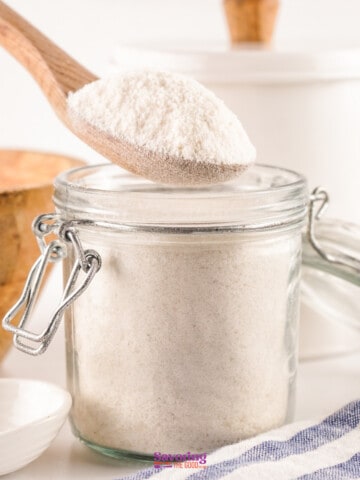
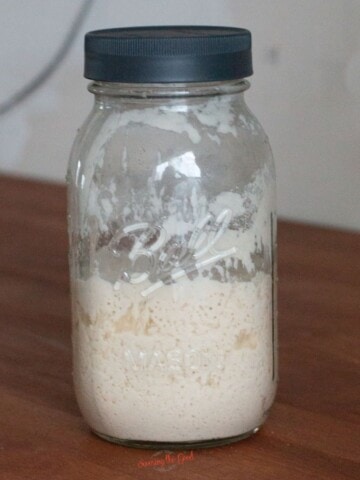
Buttermilk, breadcrumbs, rice flour, and even sourdough starter come together with ingredients you likely have on hand. Make a small batch the first time so you can see what success looks like.
Special Ingredient Guides
Not every ingredient needs a recipe; sometimes you just need to know what it is. These guides cover spices, salts, oranges, and a few kitchen basics.
Find your next recipe
or browse by category
How long do these homemade ingredients last?
It depends on the recipe, so check the storage notes in each one. Dry seasoning blends keep best in an airtight jar in a cool, dark cupboard and taste brightest within about six months. Fresh sauces and dressings belong in the fridge and usually last days, not weeks. Properly canned jars are shelf-stable; frozen produce is best within a year.
Is homemade garlic in oil safe?
Only if you handle it right. Garlic in oil is a known botulism risk at room temperature. Keep garlic confit and roasted garlic in oil refrigerated, use it within 4 days, or freeze it. Never store it on the counter.
Do I need special equipment to can these recipes?
For the canning recipes here, a water bath canner, jars, new lids and a jar lifter cover it. Tomatoes need added acid to be safe for water bath canning: 1 tablespoon bottled lemon juice per pint or 2 per quart, or citric acid. Follow the tested times in each recipe and adjust for altitude.
Can I swap homemade for store-bought one for one?
Usually, yes, with a taste test first. Homemade seasoning blends often have less salt and no anti-caking agents, so they may clump and you may need a pinch more. Homemade tomato paste can be a little looser than canned; cook it down a few extra minutes in the pan. These recipes note any swap that needs adjusting.
More Homemade Ingredients
Every homemade ingredient, seasoning and preserving guide on the site, newest first.